
Natural Relief for Menstrual Cramps: Essential Oil Remedies (Plus the Comfort Basics That Work)
January 27, 2026
A calm, supportive plan for period pain—without overcomplicating it
Menstrual cramps can show up as heavy, gripping pain in the lower abdomen, aching in the low back, or a “tight” feeling that makes it hard to focus, sleep, or move normally. While severe or worsening pain deserves medical attention, many people with typical (primary) cramps find meaningful relief using simple comfort tools—especially heat, gentle movement, and stress support—paired with properly diluted essential oils for a soothing self-care routine. Heat and exercise are widely recommended non-medical options for cramp relief. ( obgproject.com)
Why cramps happen (and why “comfort care” helps)
Menstrual cramping is commonly linked to uterine contractions and inflammatory chemicals (often described as prostaglandin-driven). That’s why strategies that relax muscle tension (like heat), improve circulation and endorphins (like movement), and calm the nervous system (like breathing and aromatherapy) can make a real difference for day-to-day comfort. For many people, a layered routine works better than a single “magic fix.”
Essential oils for cramps: what the research actually supports
Essential oils aren’t a substitute for medical care, but aromatherapy massage has been studied as a complementary option for primary dysmenorrhea. In a randomized, double-blind clinical trial, an aromatic essential oil massage approach was associated with reduced pain scores and shorter pain duration compared with control. ( pubmed.ncbi.nlm.nih.gov)
Practical takeaway: think of essential oils as a supportive layer—especially when paired with gentle abdominal massage, warmth, hydration, and rest.
Practical takeaway: think of essential oils as a supportive layer—especially when paired with gentle abdominal massage, warmth, hydration, and rest.
Safety first (this matters more than the oil)
• Always dilute essential oils in a carrier oil before applying to skin; consider a patch test if you’re sensitive. ( allure.com)
• Be cautious with certain citrus oils on skin before sun exposure due to phototoxicity risk (some types can increase sun sensitivity). ( achs.edu)
• Avoid internal use unless guided by a qualified clinician with appropriate training.
• Be cautious with certain citrus oils on skin before sun exposure due to phototoxicity risk (some types can increase sun sensitivity). ( achs.edu)
• Avoid internal use unless guided by a qualified clinician with appropriate training.
Step-by-step: a simple “cramp comfort” routine you can repeat each cycle
This routine is designed for real life—busy mornings, workdays, parenting, and those evenings when you want relief without a long checklist.
1) Start with heat (the fast comfort baseline)
Use a heating pad, hot water bottle, or warm bath on the lower abdomen (and/or low back) for 15–20 minutes. Many people repeat this several times a day during the first 1–2 days of bleeding. Heat is commonly recommended as a self-care strategy for menstrual cramps. ( mayoclinic.org)
2) Add a diluted essential oil abdominal massage (5 minutes)
In your palm, combine a small amount of carrier oil (like fractionated coconut, jojoba, or another skin-friendly option) with essential oil(s) and gently massage the lower abdomen using slow circles. Keep pressure light to moderate—your goal is relaxation, not “working out knots.” Aromatherapy massage has clinical research support as a complementary approach for primary dysmenorrhea. ( pubmed.ncbi.nlm.nih.gov)
3) Pair it with gentle movement (even 8–12 minutes helps)
Walking, stretching, and yoga can help some people feel noticeably better. Exercise is frequently recommended as a first-line nonmedical option. ( health.clevelandclinic.org)
4) Support your stress response (2 minutes)
Try a short breathing reset: inhale for 4, exhale for 6, repeat for 10 cycles. Stress can worsen the perception of pain for many people, and reducing stress is a common self-care recommendation. ( mayoclinic.org)
5) Optional: a soothing bath “add-on” (only if you dilute correctly)
If baths help you, you can enhance the ritual by mixing a few drops of essential oil with a carrier before adding it to bathwater (never add essential oils directly to water). A warm soak and essential oil add-ins are commonly discussed in consumer health guidance, but keep it gentle—especially if your skin is reactive. ( healthline.com)
Did you know?
Heat therapy is frequently recommended for menstrual cramp comfort and is a practical first step at home. ( mayoclinic.org)
Did you know?
Gentle exercise can reduce cramp discomfort for some people, partly through endorphins (your body’s natural pain-relief chemistry). ( health.clevelandclinic.org)
Did you know?
Aromatherapy massage has been evaluated in clinical research for primary dysmenorrhea as a complementary strategy. ( pubmed.ncbi.nlm.nih.gov)
When essential oils fit best (and when to get extra support)
Essential oils tend to be most helpful when cramps are mild to moderate and you’re building a consistent comfort routine—especially around sleep, stress, and muscle tension.
Consider talking with a qualified healthcare professional if your cramps are new, worsening, or disruptive (missing school/work, fainting, severe pain not improved with basic measures), or if you have symptoms that could suggest an underlying condition. For many, primary cramps are manageable, but persistent or severe pain deserves a closer look. ( health.com)
Consider talking with a qualified healthcare professional if your cramps are new, worsening, or disruptive (missing school/work, fainting, severe pain not improved with basic measures), or if you have symptoms that could suggest an underlying condition. For many, primary cramps are manageable, but persistent or severe pain deserves a closer look. ( health.com)
A United States perspective: keeping routines realistic and family-friendly
Across the U.S., many families are shifting toward cleaner personal care and simpler home routines—especially when building a “medicine cabinet” that includes both traditional basics (like heat and rest) and supportive wellness tools (like diffusers, topical massage, and calming bedtime rituals). If you’re supporting a teen, a postpartum parent, or a busy caregiver, the goal is consistency and safety: a plan you can repeat each month without stressing your schedule (or your skin).
If you’re new to essential oils, start with one method (diffusing or a diluted topical massage)—not everything at once. That makes it easier to notice what helps and to avoid sensitivity.
If you’re new to essential oils, start with one method (diffusing or a diluted topical massage)—not everything at once. That makes it easier to notice what helps and to avoid sensitivity.
Shop supportive wellness favorites with YL Family
If you’d like to build a simple monthly self-care routine for menstrual cramp relief—think: calming aromatherapy, a gentle topical massage ritual, and clean-living essentials—YL Family can help you choose options that fit your home and your comfort goals.
Shop YL Family
Explore Stress & Mood Support
Explore Sleep & Rest Support
Explore Body Discomfort Support
Looking for movement-based support too? Browse Online Classes
and Personal Training
for gentle routines you can pair with your monthly wellness plan.
FAQ: Essential oils and natural period pain remedies
What’s the best natural remedy for menstrual cramp relief?
For many people, heat is the most reliable first step, followed by gentle movement (walking, stretching, yoga) and stress reduction. Essential oils can be a helpful add-on when used safely (diluted) as part of a massage or calming aromatherapy routine. ( mayoclinic.org)
Do essential oils for cramps work better topically or in a diffuser?
Many people prefer combining both: diffusing for mood/relaxation and a diluted abdominal massage for a hands-on comfort ritual. Clinical research has evaluated aromatherapy massage in primary dysmenorrhea as a complementary approach. ( pubmed.ncbi.nlm.nih.gov)
Can I apply essential oils directly to my skin for period pain?
It’s safer to avoid “neat” (undiluted) application. Essential oils are highly concentrated and can irritate skin; dilution and patch testing are widely recommended. ( allure.com)
Are there oils I should avoid before going outside?
Some citrus oils can increase sun sensitivity (phototoxicity risk) when applied to skin. If you use topical blends, be cautious with sun exposure and choose appropriate products and dilutions. ( achs.edu)
When should I talk to a clinician about my cramps?
If pain is severe, suddenly changes, regularly disrupts daily life, or comes with concerning symptoms, it’s worth checking in with a healthcare professional to rule out causes like endometriosis or fibroids and discuss treatment options. ( verywellhealth.com)
Glossary (quick definitions)
Dysmenorrhea
The medical term for painful menstrual periods.
Primary vs. secondary menstrual cramps
Primary cramps occur without an underlying disease; secondary cramps are associated with an underlying condition (such as endometriosis) and may worsen over time.
Carrier oil
A skin-safe oil (like jojoba or fractionated coconut) used to dilute essential oils before topical application.
Phototoxicity (photosensitivity)
A skin reaction that can occur when certain essential oils (commonly some citrus oils) are applied topically and then exposed to UV light, increasing the risk of irritation or burns. ( achs.edu)

Discover teen-friendly bedtime routines with gentle essential oils for 8–10 hours of sleep. Try simple wind-down steps for calmer nights and rested mornings.
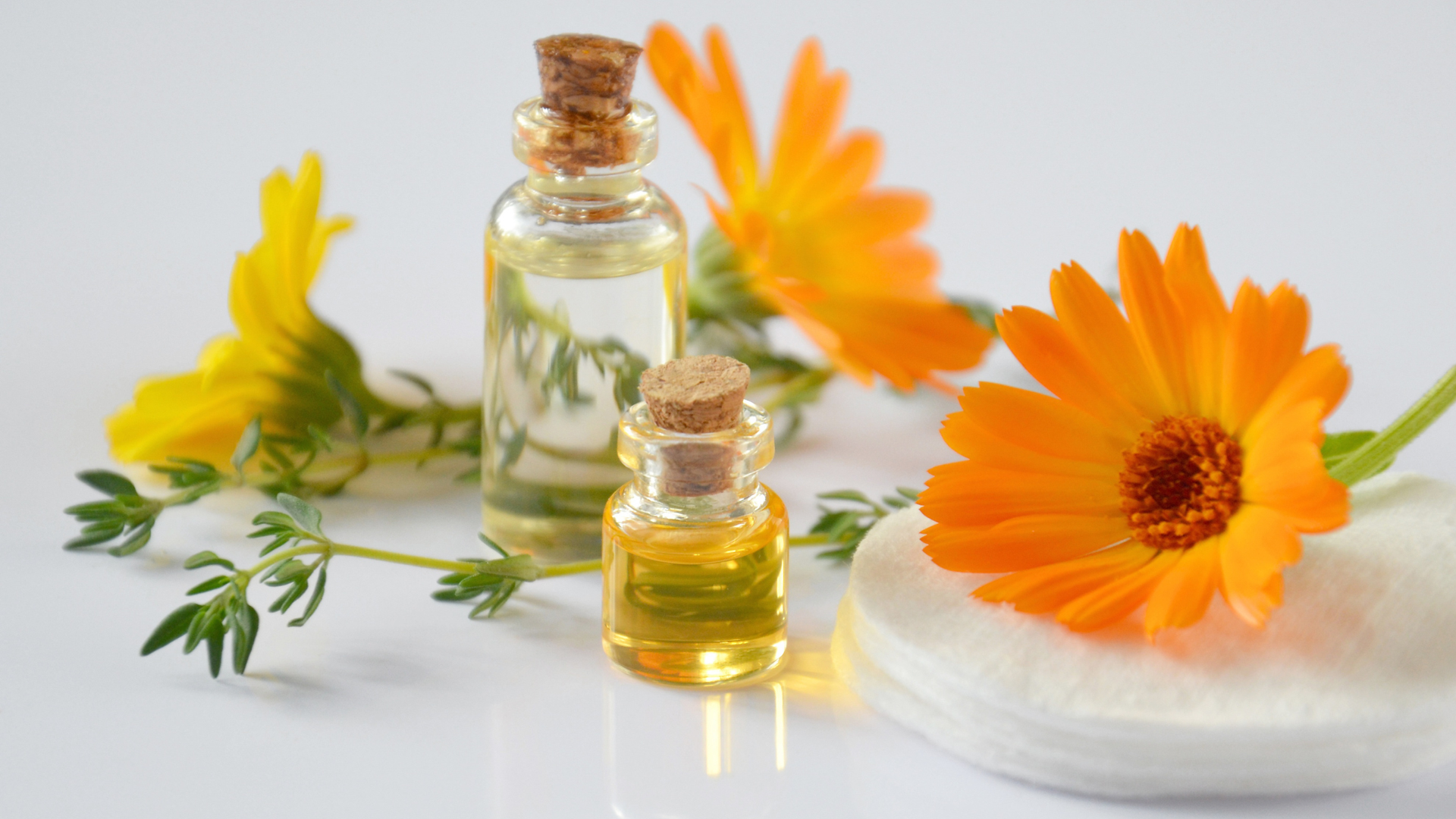
Learn essential oil safety & dilution basics with practical tips. Discover phototoxicity warnings, dilution ratios, and beginner routines for confident, safe use.
Learn to make eco-friendly DIY cleaning tablets with baking soda, citric acid & essential oils for effective, low-toxin home cleaning and reduced plastic waste.
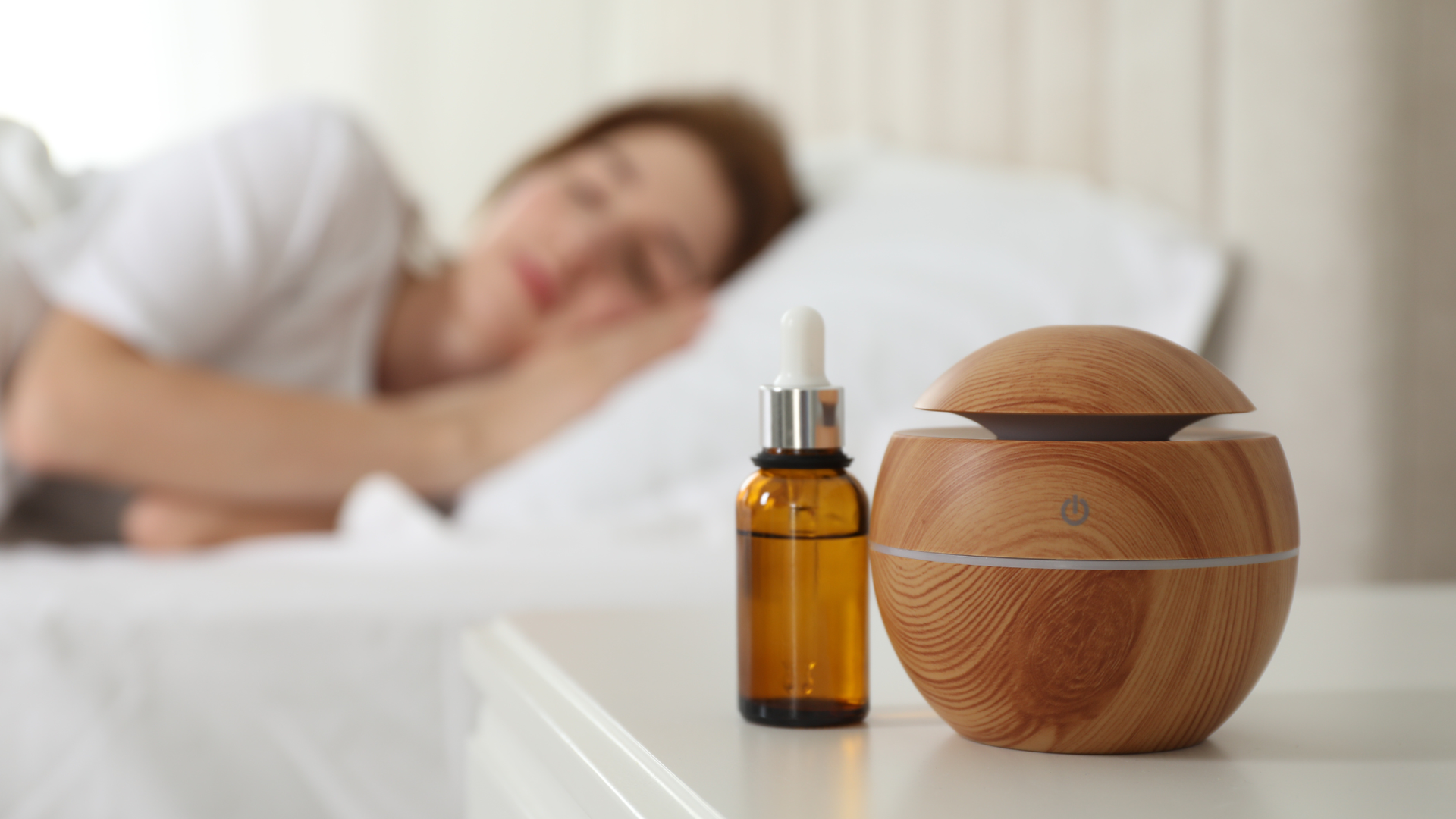
Learn to use essential sleep oils topically or aromatically for a calming bedtime routine. Get practical tips on diffusing, dilution, habit-building.
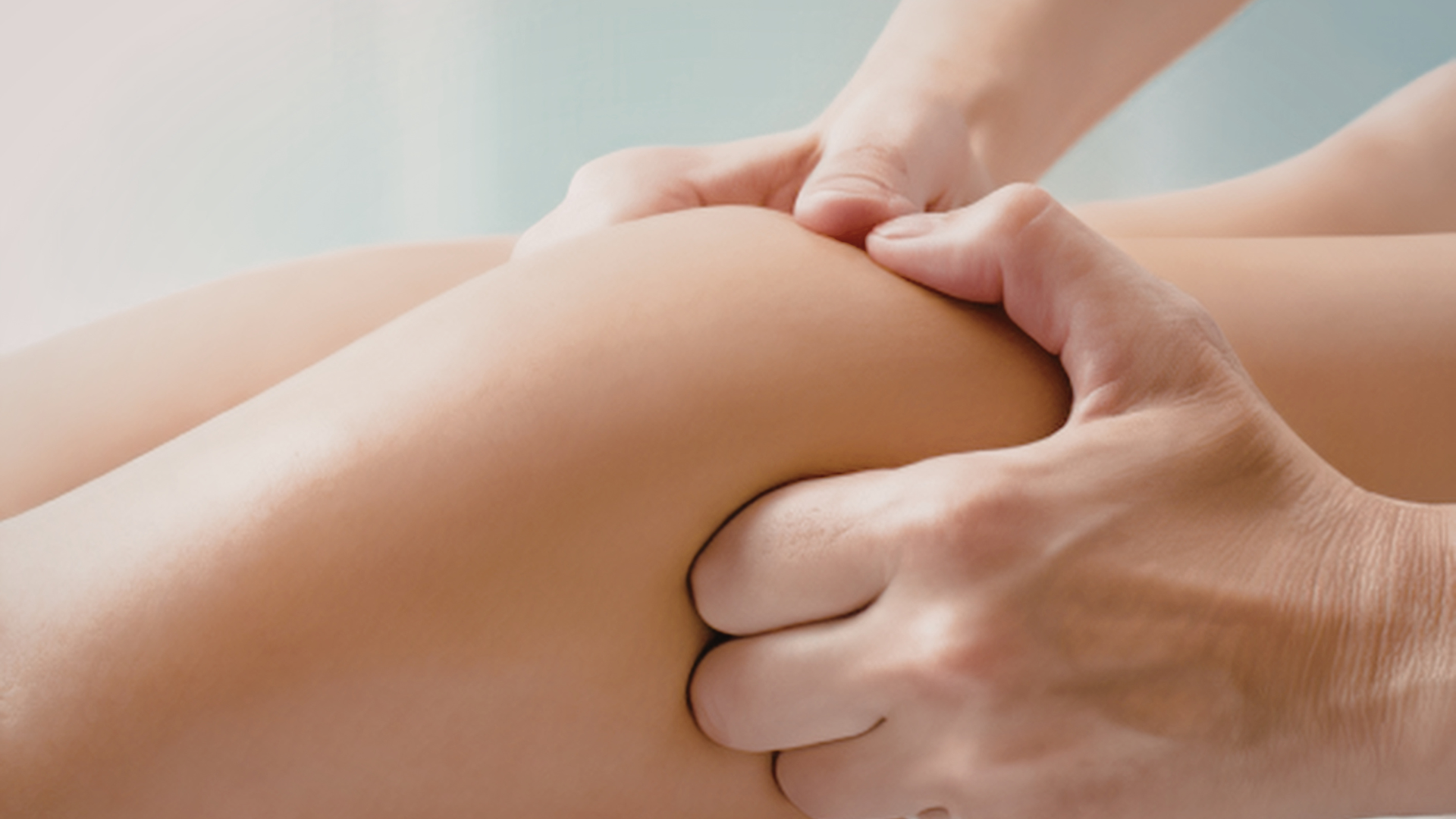
Unwind overworked joints before bed with a 10-minute essential oil massage. Get dilution tips, techniques, and simple routines for soothing nighttime comfort.
Build a gentle, toxin-free facial care routine with essential oils. Discover safe dilution, patch testing, AM/PM steps and tips for cleaner, healthier skin.
Discover 3 simple essential oil routines to ease work-life stress. Get safety tips and quick scent cues for calm focus and evening wind-downs.
Explore gentle, kid-safe essential oil blends to support your family's cold and flu wellness routines with safe dilution, diffusion tips, and home habits.
Discover a practical monthly menstrual self-care ritual using essential oils, heat, movement, and grounding habits. Safe, realistic tips for comfort and calm.
Kickstart your day with a 10-minute morning ritual using essential oils to support immunity, hydration, hygiene, and stress relief. Simple family tips.