Integrating Essential Oils Into Your Family’s Daily Wellness Routine (Simple, Safe, Real-Life Ideas)

January 15, 2026

Build a routine you’ll actually use—morning to bedtime

A “daily wellness routine” doesn’t have to be complicated. For many families, the biggest barrier is not motivation—it’s time. Essential oils can fit into your day in small, consistent ways: a calming scent while you pack lunches, a fresh-smelling home after dinner cleanup, or a comforting bedtime ritual that helps everyone wind down. At YL Family , we focus on practical, repeatable habits that support a cleaner, more intentional lifestyle—especially for busy households in the United States.

Start with the basics: what “family aromatherapy” should look like

When families talk about family aromatherapy , they’re usually combining two approaches:

Two “daily routine” lanes that work well at home
Use case Best “everyday” method Why it’s family-friendly
Mood + atmosphere Diffusing (short sessions), or personal inhaler Low-effort, no skin contact required
Body care + comfort Topical, properly diluted with a carrier Targeted, routine-friendly (hands/feet/neck/shoulders)
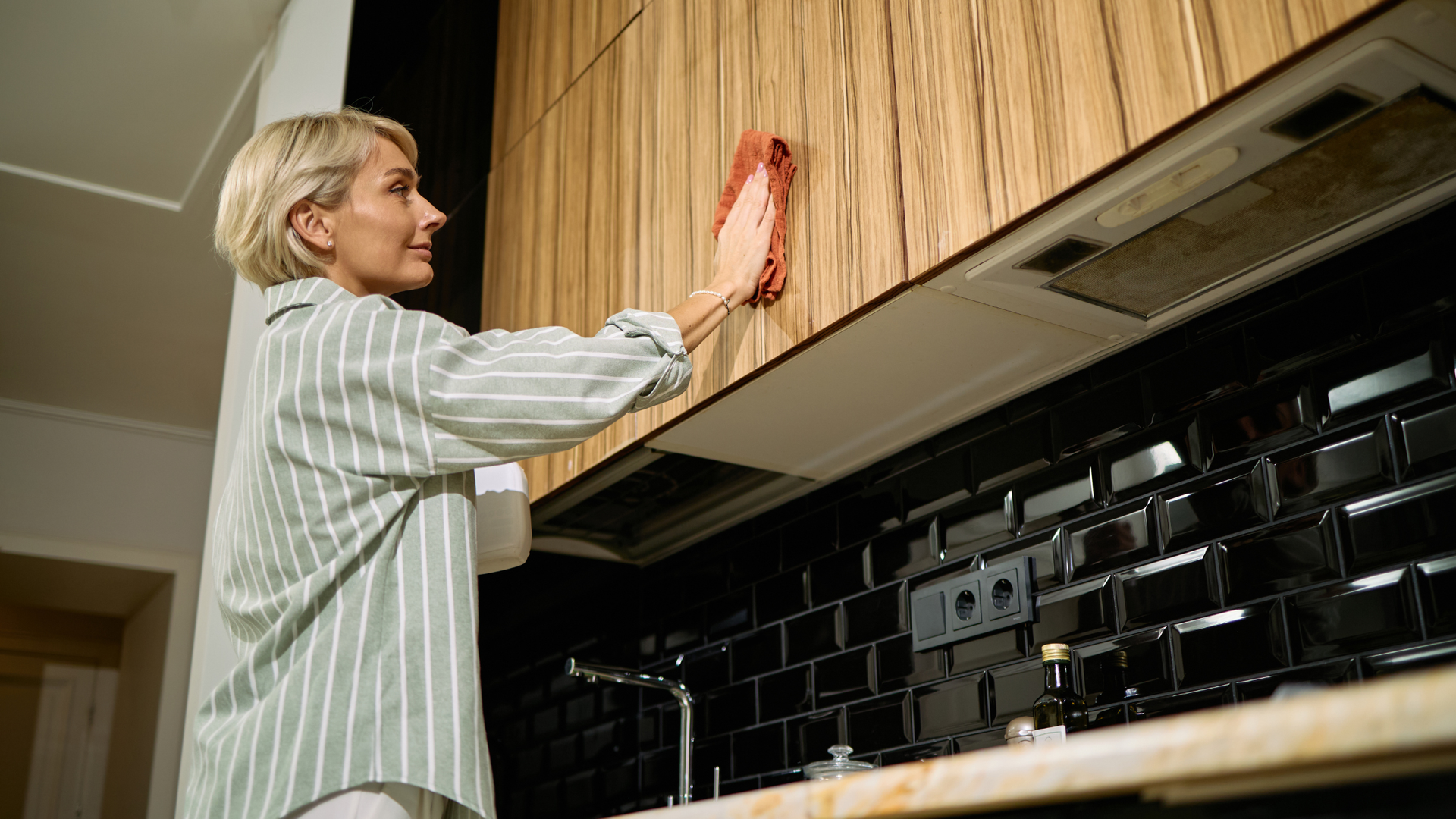
Home “clean living” habits Plant-forward cleaning + freshening routines Supports a toxin-conscious household approach

The key is consistency and safety. Essential oils are concentrated and should be used thoughtfully—especially around kids, pets, and sensitive family members. Guidance like avoiding undiluted skin application and using age-appropriate dilutions is widely recommended. ( tisserandinstitute.org )

A realistic “daily wellness routine” you can copy (and adjust)

Below is a simple structure many families like because it matches natural transitions in the day. Think of it as a rhythm, not a rigid schedule.

Daily Rhythm: Morning • Midday • Evening • Bedtime
Morning (5–10 minutes)
Goal: help the house feel bright, clean, and ready.
Try: diffuse a fresh, uplifting aroma during breakfast prep; or add a pre-diluted roller-style blend to pulse points as part of your “get ready” routine.
Wellbeing tip: pair scent with one anchor habit (fill water bottles, 2-minute counter wipe, or a quick stretch).
Midday reset (2–5 minutes)
Goal: a quick mental and environmental “reset.”
Try: short diffuser sessions (instead of running all day), open a window, and do a fast tidy sprint. If you have kids, keep it consistent: “music on, timer set, reset the room.”
Evening wind-down (10 minutes)
Goal: shift from “doing” to “resting.”
Try: a diluted topical application with a carrier oil after your shower (neck/shoulders/feet), paired with light stretching and screen-dimming.
Bedtime (5–15 minutes)
Goal: predictable cues for sleep and rest.
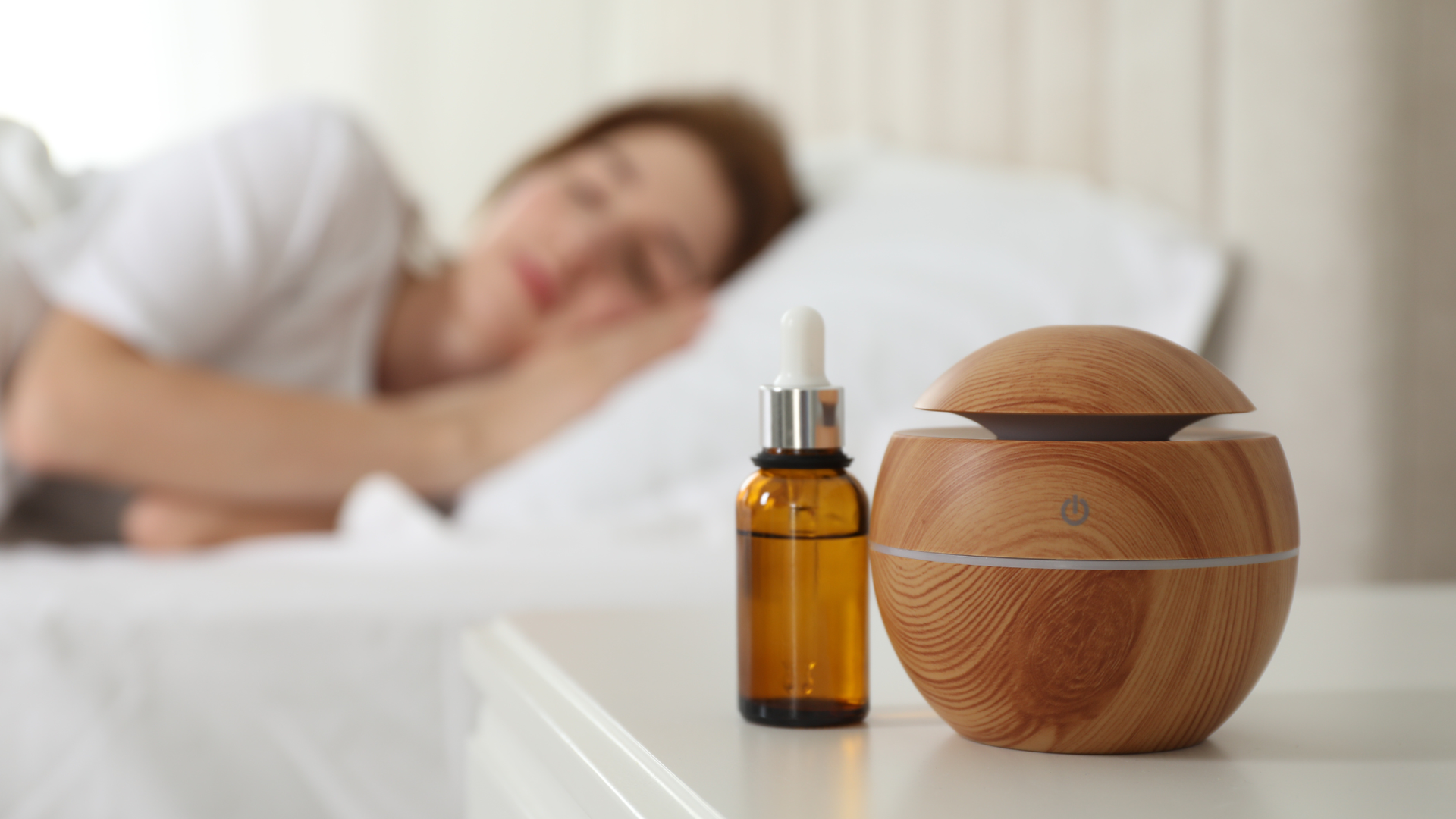
Try: keep the same order nightly: pajamas → teeth → story → diffuser for a short session → lights out. If you use oils topically, follow age-appropriate dilution guidelines and avoid sensitive areas (eyes, inside nose, etc.). ( hopkinsmedicine.org )

Safety first: simple rules that protect your family (and your routine)

1) Dilute for topical use (especially for kids)

Skin reactions are one of the most common issues with essential oils, and undiluted application increases risk. Use a carrier oil and choose a conservative dilution. ( tisserandinstitute.org )

Age group Conservative topical dilution guidance Practical example
Kids Often 0.5%–2.5% depending on age/weight and situation Start low, patch test, and use small areas
Adults Commonly 1%–5% depending on purpose and sensitivity For daily “routine” use, lower is often better

Note: Different authorities publish different dilution tables. When in doubt, choose a lower dilution and use less often, not more often. ( hopkinsmedicine.org )


2) Avoid ingestion unless guided by a qualified professional

Essential oils are highly concentrated. Many safety resources advise against swallowing oils and recommend professional guidance for any oral use. ( tisserandinstitute.org )


3) Be extra careful with pets (especially cats and birds)

Pets can be more sensitive to essential oils. It’s generally advised not to apply oils directly to pets and to keep oils out of reach. If diffusing, use short sessions in a secured area and allow pets to leave the room; avoid diffusing around birds due to their sensitive respiratory systems. ( aspca.org )

Step-by-step: weave oils into “existing” routines (so it sticks)

Step 1: Pick one moment of the day (not five)

Choose one “anchor”: coffee brewing, school drop-off, after-dinner cleanup, or bedtime story. Your first goal is consistency, not variety.

Step 2: Decide your method (diffuse vs. topical)

If your household is sensitive (kids, guests, pets), start with short diffuser sessions or a personal inhaler approach. If you prefer topical routines, keep a carrier oil nearby and label any pre-diluted blends clearly.

Step 3: Use a “less is more” checklist

• Start with fewer drops than you think you need (you can always add later).
• Keep scents out of eyes, inside nose, and other sensitive areas.
• Patch test any topical blend on a small area first.
• Store oils tightly closed, in a cool/dark place, out of reach of children.

Step 4: Make it family-friendly

Invite participation: let kids choose between two gentle, familiar aromas for “quiet time,” or let them help refill water bottles and tidy the diffuser area (without handling bottles). Small involvement builds long-term habits.

Local angle: making routines work for real life in the United States

US families often juggle early school mornings, after-school activities, seasonal schedule changes, and frequent travel days. A sustainable routine is one that’s portable and flexible:

• “Car-line calm”: keep a pre-diluted, clearly labeled roller for adults only (or a personal inhaler) to use during long waits.
• “Two-minute reset”: short diffuser session while you do a quick tidy—then turn it off and let fresh air circulate.
• “Hotel routine”: choose one familiar aroma cue for bedtime to support a consistent sleep rhythm away from home.
• Winter air comfort: consider a humidifier plus gentle aromatherapy practices, and be mindful around anyone with asthma or sensitivities.

If anyone in your household has a respiratory condition or is highly scent-sensitive, check with a healthcare professional before using diffusers or topical oils. ( tisserandinstitute.org )

Ready to build your family’s routine with trusted guidance?

Shop curated essentials and wellness favorites with YL Family. Keep it simple: choose one routine moment, one method, and a safety-first approach.

Shop YL Family Wellness Products

FAQ: integrating oils into everyday family life

Is it okay to diffuse essential oils every day?
Many families diffuse routinely, but “more” isn’t always better. Use short sessions, keep good ventilation, and pay attention to anyone with sensitivities (including pets). ( aspca.org )
What’s the safest way to use oils around kids?
Conservative dilution, small areas of application, and avoiding eyes/face are common safety recommendations. If you’re new, start with aromatherapy (diffusing) rather than topical use, and always keep bottles out of reach. ( hopkinsmedicine.org )
Can I add essential oils directly to bath water?
It’s commonly advised not to add undiluted oils directly to bath water because oil and water don’t mix; the concentrated oil can sit on the skin and irritate it. Use a proper dispersant or choose other routine methods. ( tisserandinstitute.org )
Are essential oils safe for pets?
Pet safety depends on the oil, concentration, and exposure route. Guidance commonly recommends avoiding direct application to pets, using diffusers cautiously and briefly, and allowing pets to leave the area—especially for cats and birds. If you suspect exposure, contact a veterinarian or a pet poison hotline. ( aspca.org )
How do I know if I’m using too much?
Signs like headaches, nausea, coughing, or skin irritation can mean it’s time to reduce exposure, increase ventilation, and stop topical use until you’ve figured out what triggered the reaction. For kids, use extra caution and consider speaking with a healthcare professional if you’re unsure. ( hopkinsmedicine.org )

Glossary (quick definitions)

Carrier oil
A skin-safe base oil (like fractionated coconut or jojoba) used to dilute essential oils before topical use.
Diffuser session
A short period of time where an essential oil aroma is dispersed into the air; many families prefer timed, ventilated sessions rather than continuous diffusion.
Dilution (%)
The concentration of essential oil mixed into a carrier product. Lower dilutions are typically preferred for routine use and for children. ( hopkinsmedicine.org )
Patch test
Testing a diluted blend on a small area of skin first to check for irritation before broader use.
Essential oils for Clarity and Focus
January 14, 2026
Discover practical essential oil blends, safe usage tips, and daily routines to boost focus, alertness, and mental clarity through aromatherapy.
January 12, 2026
Discover simple tips to store and preserve essential oils. Keep your collection potent and aromatic longer by guarding against light, heat, and air exposure.
January 11, 2026
Discover travel-friendly essential oil routines to boost immunity on busy days. Learn portable roll-ons, inhalers, wipes & wellness habits for on-the-go support.
Essentail Oils for Immunity and Wellness
January 9, 2026
Learn to build simple, family-friendly immune wellness routines with essential oils, vitamin C, zinc, and evidence-based daily habits for year-round support.
Air purifying diffusers
January 8, 2026
Freshen your home with air-purifying diffuser blends and practical tips on source control, ventilation, and filtration for genuinely cleaner indoor air.
January 7, 2026
Discover easy DIY non-toxic cleaning sprays with essential oils. Get recipes, safety tips, and step-by-step guidance for a fresher, greener home cleaning routine.
January 5, 2026
Discover how oil-infused haircare boosts strength, shine & scalp health. Explore DIY treatments, carrier vs essential oils, safety tips & seasonal routines.
January 4, 2026
Build a simple, toxin-free skincare routine with essential oils. Learn safe dilution, patch-testing, beginner steps, and tips for balanced skin health.
January 3, 2026
Build a simple, family-friendly daily stress support routine using essential oils, hydration, and breathwork cues to promote calm and emotional balance.
January 1, 2026
Learn easy aromatherapy strategies—diffusion, inhalation, topical—to relieve stress, boost your mood, and build a calming routine without extra steps.