
Essential Oils for Acne-Prone Teenage Skin: Gentle Blends for Clear Complexions
February 28, 2026
A calmer, cleaner routine for teens—without harsh, stripping steps
Teen breakouts are common, frustrating, and often made worse by overly aggressive products. If your teen is acne-prone (or you’re a teen building your first skincare routine), essential oils can be a supportive add-on—when used safely, diluted properly, and paired with dermatologist-aligned basics like gentle cleansing, non-comedogenic moisturizing, and daily sunscreen. YL Family helps families across the United States build toxin-conscious habits that feel realistic, not complicated—especially during busy school, sports, and social seasons.
First: what teen acne needs (and what it doesn’t)
Most teen acne is driven by a mix of oil production, clogged pores, inflammation, and acne-causing bacteria. The “fix” isn’t to scrub harder—it’s to reduce irritation and keep the routine consistent. Dermatology guidelines emphasize proven acne options like topical benzoyl peroxide and topical retinoids (often in combination plans), with escalation to oral therapies when needed. Essential oils are not a replacement for medical acne treatment, but they may be a gentle complementary tool—particularly for mild breakouts and “angry skin” that flares with harsh products. ( aafp.org)
Common routine mistakes we see with teens:
• Over-washing or scrubbing (can worsen irritation and rebound oiliness)
• Using multiple “actives” at once (benzoyl peroxide + acids + strong exfoliants) without a plan
• Skipping moisturizer because skin feels oily (dehydrated skin can feel oilier)
• Picking at bumps (higher scarring and dark marks risk)
• Using multiple “actives” at once (benzoyl peroxide + acids + strong exfoliants) without a plan
• Skipping moisturizer because skin feels oily (dehydrated skin can feel oilier)
• Picking at bumps (higher scarring and dark marks risk)
Essential oils that show the most promise for acne-prone skin (and the safety rules that matter)
For teen acne, “gentle and consistent” wins. The essential oil with the strongest body of research in acne is tea tree (Melaleuca alternifolia)
. In clinical studies and reviews, topical tea tree formulations (often around 5%) have been associated with improvements in mild-to-moderate acne—though irritation (dryness, redness, stinging) can happen, especially if used too strong or too often. ( mayoclinic.org)
Non-negotiable safety notes for teens:
• Dilute essential oils before they touch the face (undiluted oils can irritate or sensitize skin).
• Patch test 24–48 hours before facial use, especially with tea tree (reactions can happen). ( healthline.com)
• Never ingest essential oils unless directed by a qualified clinician; tea tree oil is not safe to swallow. ( healthline.com)
• Keep away from eyes, nostrils, and broken skin.
• Dilute essential oils before they touch the face (undiluted oils can irritate or sensitize skin).
• Patch test 24–48 hours before facial use, especially with tea tree (reactions can happen). ( healthline.com)
• Never ingest essential oils unless directed by a qualified clinician; tea tree oil is not safe to swallow. ( healthline.com)
• Keep away from eyes, nostrils, and broken skin.
Why “gentle blends” matter more than “stronger is better”
Acne-prone teen skin is often also sensitive
—especially if your teen is already using acne actives (like benzoyl peroxide or a retinoid). When irritation rises, breakouts can look worse, and teens often quit routines entirely. A small, well-diluted, targeted blend used a few nights per week is typically a better starting point than daily “full-face” oil use.
A simple teen routine: the “clear-skin basics” + essential oils (optional)
If you want a routine that’s realistic for school mornings and late practice nights, start here. This approach matches common clinical guidance: gentle cleansing, avoiding irritants, and using proven OTC actives thoughtfully. ( mayoclinic.org)
| Step | What to do | Teen-friendly tip |
|---|---|---|
| AM cleanse | Wash with a gentle cleanser using fingertips (not a scrub). | Keep it at the sink; set a 30-second timer. |
| Moisturize | Use a light, non-comedogenic moisturizer. | Moisturizer helps reduce “peely, irritated” acne cycles. |
| SPF | Apply sunscreen daily (choose non-greasy formulas). | Sunscreen helps prevent lingering dark marks after pimples. |
| PM cleanse | Cleanse after sports/sweat; remove makeup. | Shower ASAP after practice to reduce sweat/oil buildup. ( mayoclinic.org) |
| Optional add-on | Spot-apply a properly diluted essential oil blend a few nights/week. | Start small: 2–3 nights/week, then adjust based on comfort. |
Step-by-step: a gentle “teen blemish” essential oil blend (spot use)
Goal:
support a calmer-looking blemish without over-drying the whole face.
1) Choose a carrier:
A simple, fragrance-free carrier oil or lotion (your base) helps reduce irritation risk.
2) Dilute lightly: For teen facial skin, aim for a very low dilution to start (think “gentle,” not “hot”).
3) Patch test: Apply to the inner forearm; wait 24–48 hours to check for redness/itching.
4) Spot apply at night: Use a clean cotton swab, dab only on the blemish area, then wash hands.
5) Reassess after 1–2 weeks: If skin is drier or stingy, reduce frequency or stop.
2) Dilute lightly: For teen facial skin, aim for a very low dilution to start (think “gentle,” not “hot”).
3) Patch test: Apply to the inner forearm; wait 24–48 hours to check for redness/itching.
4) Spot apply at night: Use a clean cotton swab, dab only on the blemish area, then wash hands.
5) Reassess after 1–2 weeks: If skin is drier or stingy, reduce frequency or stop.
When to skip essential oils:
if your teen has eczema flares on the face, is using prescription acne meds that already cause peeling, has a history of fragrance allergies, or gets frequent burning/stinging with skincare.
Quick “Did you know?” facts for teens and parents
• Acne affects a large majority of adolescents, and for many it starts right at puberty—so early, gentle routines can help reduce “panic product” cycles. ( aad.org)
• Tea tree oil has evidence in mild-to-moderate acne when used in topical preparations, but it can still cause dryness or irritation—especially if used too strong. ( mayoclinic.org)
• Harsh scrubs, astringents, and over-washing can irritate skin and make acne look worse. ( mayoclinic.org)
• Tea tree oil has evidence in mild-to-moderate acne when used in topical preparations, but it can still cause dryness or irritation—especially if used too strong. ( mayoclinic.org)
• Harsh scrubs, astringents, and over-washing can irritate skin and make acne look worse. ( mayoclinic.org)
Local angle: building teen-friendly routines across the United States
No matter where you live in the United States, teens deal with seasonal triggers: sweaty summer sports, dry winter air, school stress, and changing schedules. A “capsule routine” (cleanse, moisturize, SPF, plus one optional acne step) helps teens stay consistent even when life gets busy. If you’re supporting a teen, focus on small wins: keeping products where they’re used, choosing non-irritating formulas, and setting a realistic goal (like fewer inflamed breakouts—not “perfect skin”).
A practical “locker-room” checklist:
• Clean towel (no sharing)
• Hair kept off face during workouts
• Shower and change out of sweaty clothes promptly ( mayoclinic.org)
• Avoid heavy, oily hair products along the hairline
• Clean towel (no sharing)
• Hair kept off face during workouts
• Shower and change out of sweaty clothes promptly ( mayoclinic.org)
• Avoid heavy, oily hair products along the hairline
Shop supportive essentials and build a routine that’s easy to maintain
If you want help choosing gentle, toxin-conscious wellness products and building simple routines your family will actually stick with, explore YL Family’s curated options and education-first approach.
Note: This content is educational and not a substitute for medical advice. For persistent, painful, scarring, or severe acne, consider seeing a dermatologist—especially if over-the-counter routines aren’t improving after consistent use.
FAQ: Essential oils and teen acne
Do essential oils “cure” teen acne?
No. Acne is a medical skin condition with well-studied treatments. Essential oils can be a supportive, optional add-on for mild breakouts, but they’re not a replacement for proven therapies like benzoyl peroxide or topical retinoids when those are appropriate. ( aafp.org)
Is tea tree oil good for acne-prone teen skin?
Tea tree oil has the most evidence among essential oils for mild-to-moderate acne in topical formulations, but it can irritate skin if used too strong, too often, or without dilution. Patch testing and conservative use matter. ( mayoclinic.org)
Should teens put essential oils all over their face?
Usually, no. Spot use on blemish-prone areas is often the gentlest starting point. Full-face application increases the chance of dryness and sensitivity, especially if your teen already uses acne actives.
How long should we try a routine before changing everything?
Give a simple routine time. Many acne approaches take weeks of consistent use to show improvement. If acne is worsening, painful, or scarring, it’s reasonable to consult a dermatologist sooner. ( mayoclinic.org)
Can teens swallow tea tree oil or add essential oils to drinks?
No. Tea tree oil is not safe to ingest and can cause serious symptoms if swallowed. Keep essential oils stored safely and use only as directed for topical/aromatic use. ( healthline.com)
Glossary (quick definitions)
Carrier oil:
A neutral oil (or sometimes a gentle lotion base) used to dilute essential oils before applying to skin.
Dilution:
Mixing essential oils into a carrier so the concentration is skin-safe and less irritating—especially important on the face.
Non-comedogenic:
Designed to be less likely to clog pores (helpful wording to look for on moisturizers and sunscreens).
Patch test:
A small trial application (often on the inner forearm) to check for irritation or allergy before using a product on the face.
Topical retinoid:
A vitamin A–derived acne treatment used on the skin to help keep pores clear and reduce inflammation (some are prescription, some OTC). ( aafp.org)

Discover teen-friendly bedtime routines with gentle essential oils for 8–10 hours of sleep. Try simple wind-down steps for calmer nights and rested mornings.
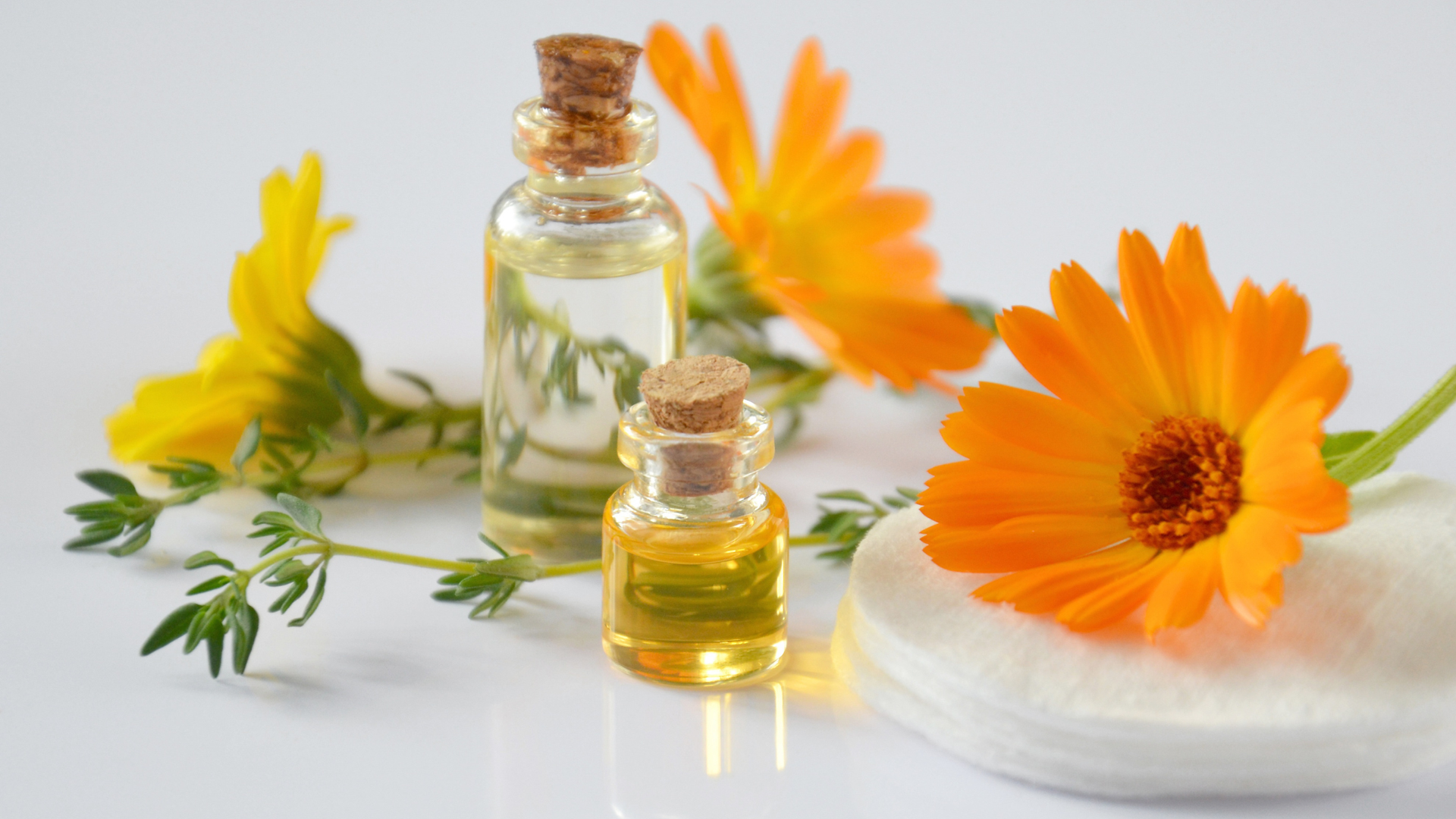
Learn essential oil safety & dilution basics with practical tips. Discover phototoxicity warnings, dilution ratios, and beginner routines for confident, safe use.
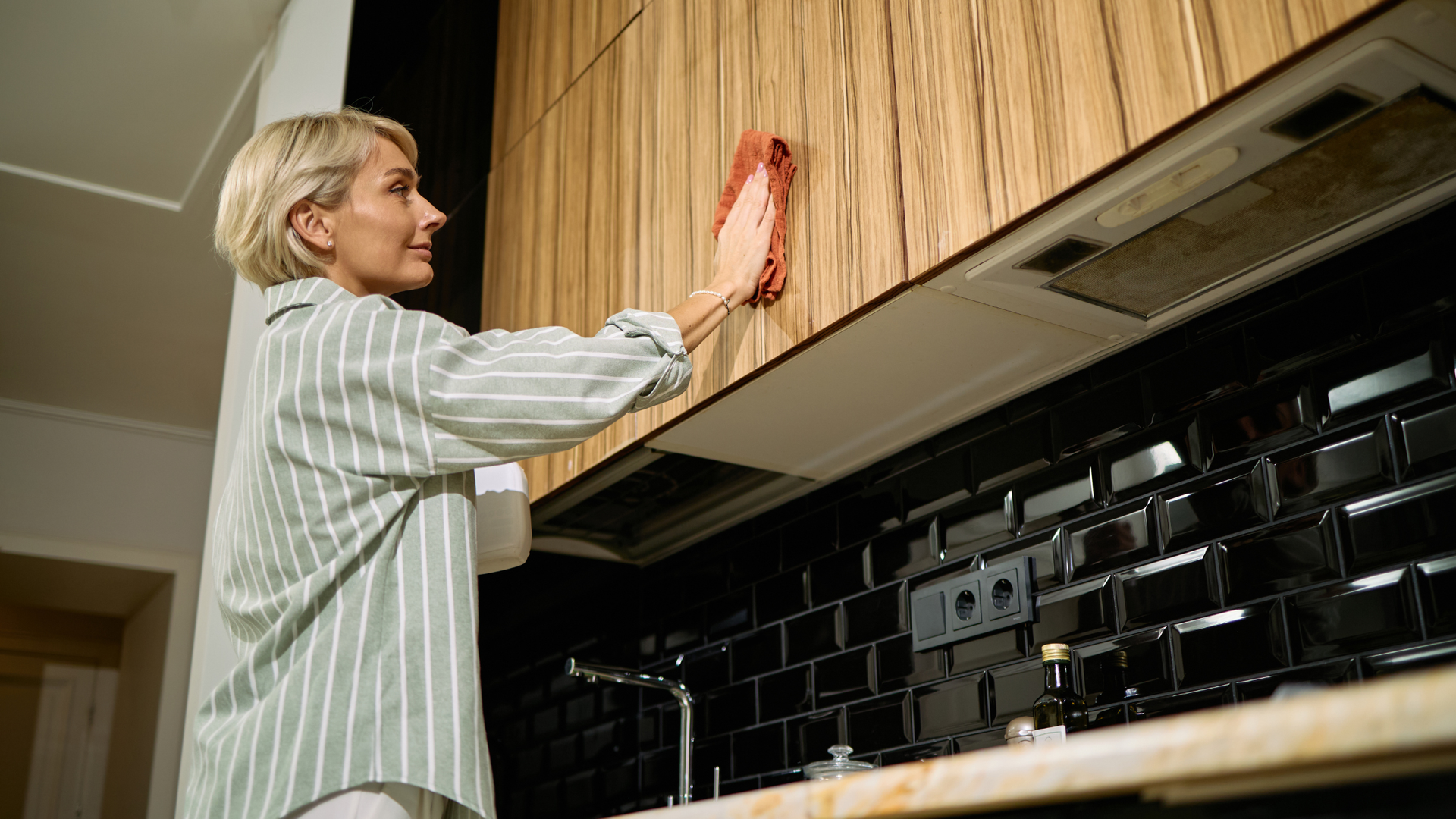
Learn to make eco-friendly DIY cleaning tablets with baking soda, citric acid & essential oils for effective, low-toxin home cleaning and reduced plastic waste.
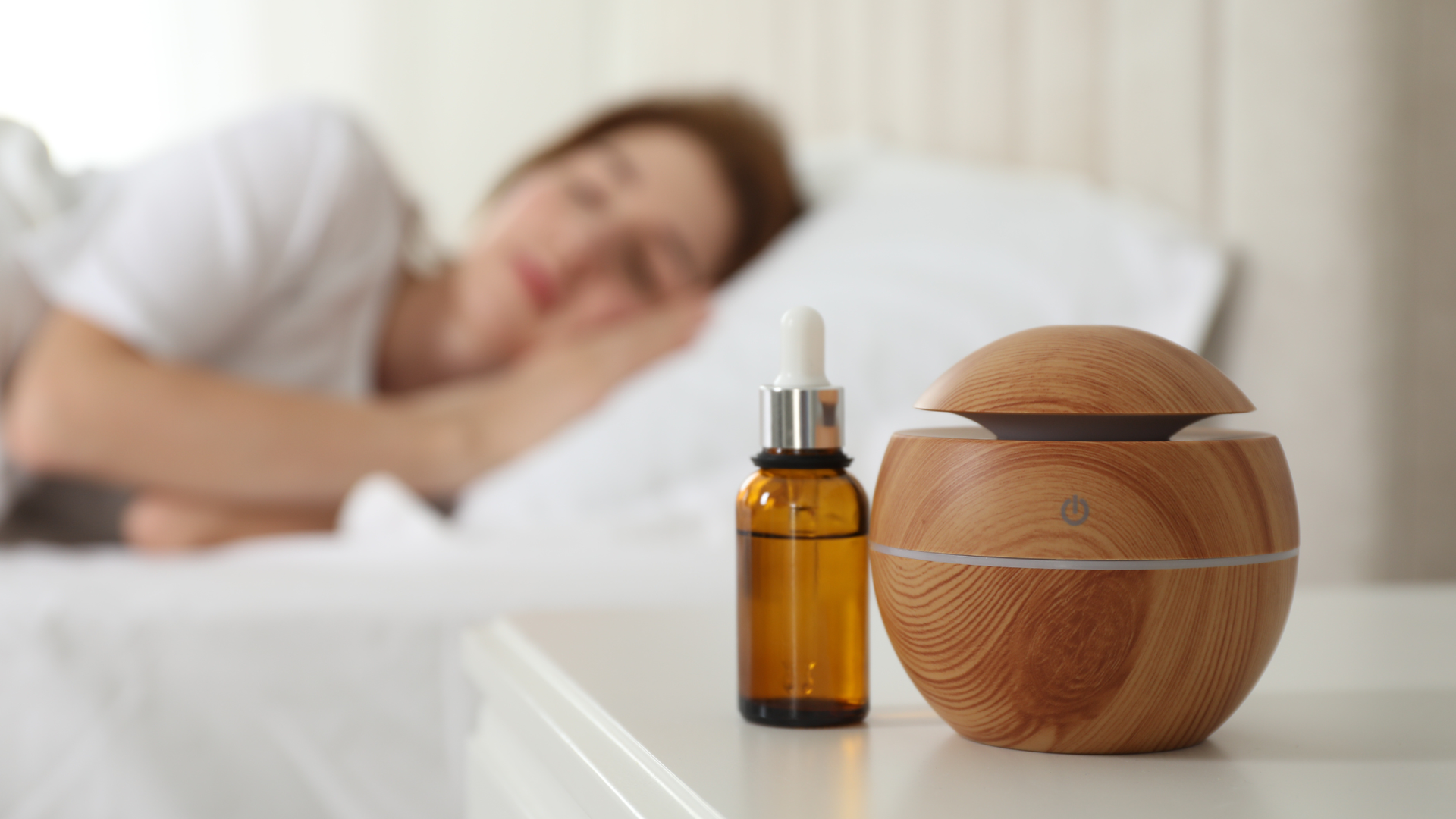
Learn to use essential sleep oils topically or aromatically for a calming bedtime routine. Get practical tips on diffusing, dilution, habit-building.

Unwind overworked joints before bed with a 10-minute essential oil massage. Get dilution tips, techniques, and simple routines for soothing nighttime comfort.
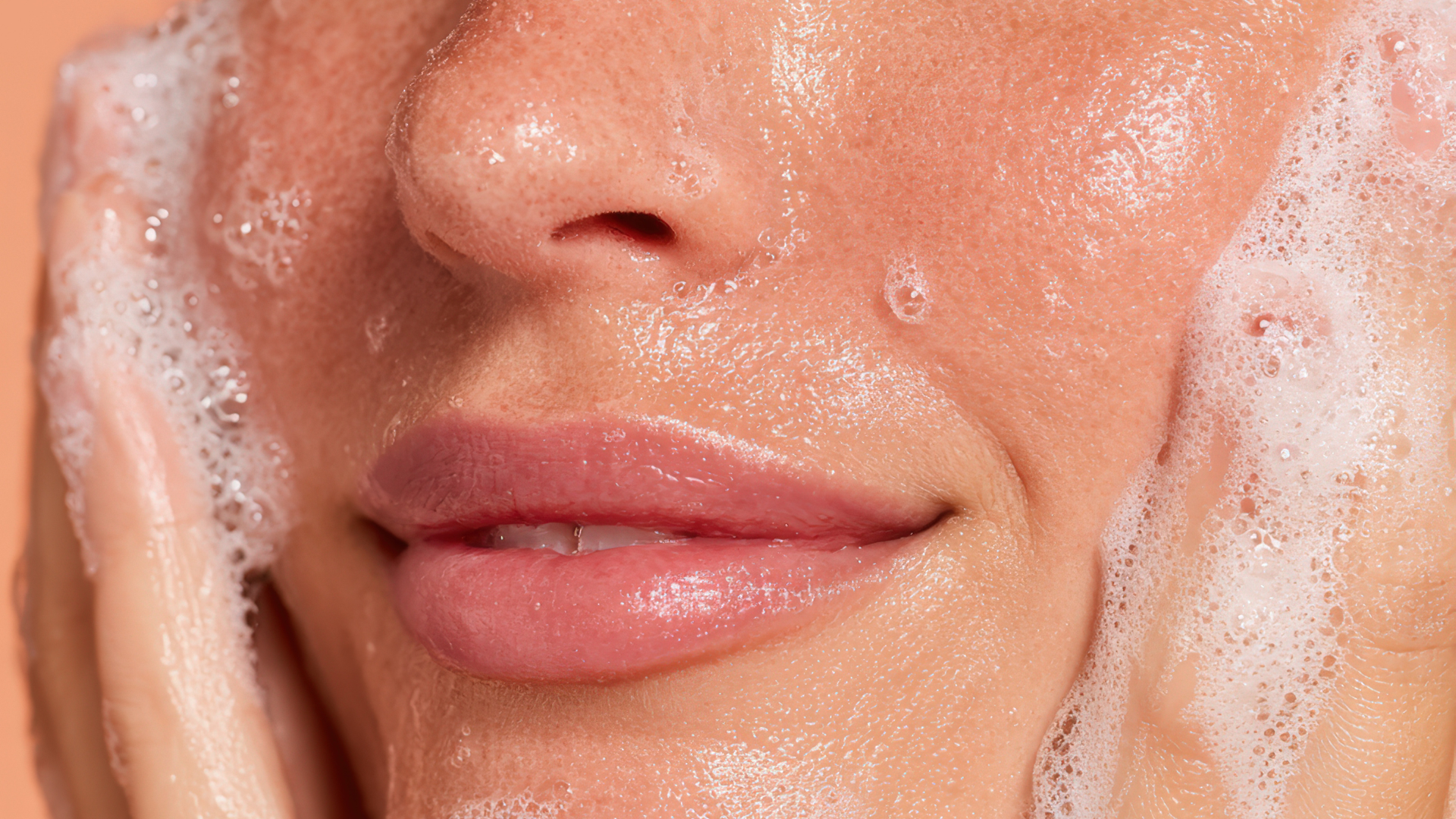
Build a gentle, toxin-free facial care routine with essential oils. Discover safe dilution, patch testing, AM/PM steps and tips for cleaner, healthier skin.

Discover 3 simple essential oil routines to ease work-life stress. Get safety tips and quick scent cues for calm focus and evening wind-downs.
Explore gentle, kid-safe essential oil blends to support your family's cold and flu wellness routines with safe dilution, diffusion tips, and home habits.

Discover a practical monthly menstrual self-care ritual using essential oils, heat, movement, and grounding habits. Safe, realistic tips for comfort and calm.

Kickstart your day with a 10-minute morning ritual using essential oils to support immunity, hydration, hygiene, and stress relief. Simple family tips.