Essential Oil Strategies for Managing Arthritis Pain: Gentle, Practical Support for Stiff Joints
A calmer way to approach joint stiffness—without overpromising
Arthritis discomfort can show up as morning stiffness, achy hands, or knees that complain after stairs. For many families, essential oils become part of a broader routine: soothing touch, paced movement, sleep support, and a home environment with fewer irritants. At YL Family , we focus on education-first, safety-forward use—so you can build a realistic, repeatable plan for everyday comfort.
First: what essential oils can (and can’t) do for arthritis
What they may help with
- Temporary comfort through cooling or warming sensation (often via massage + dilution).
- Relaxation support , which can matter when pain interrupts sleep.
- Ritual + consistency : a short daily routine can reduce “all-or-nothing” flare behavior.
What to keep realistic
- Essential oils are not a cure for arthritis and won’t replace a diagnosis, imaging, or a clinician-guided plan.
- The research base is mixed and often small ; many studies involve massage + aromatherapy , making it hard to isolate the oil’s effect.
- For osteoarthritis, national guidance emphasizes movement-based approaches (like tai chi) and shared decision-making with your clinician when adding complementary options. ( nccih.nih.gov)
Core strategy #1: Use oils as a “topical comfort tool” (always diluted)
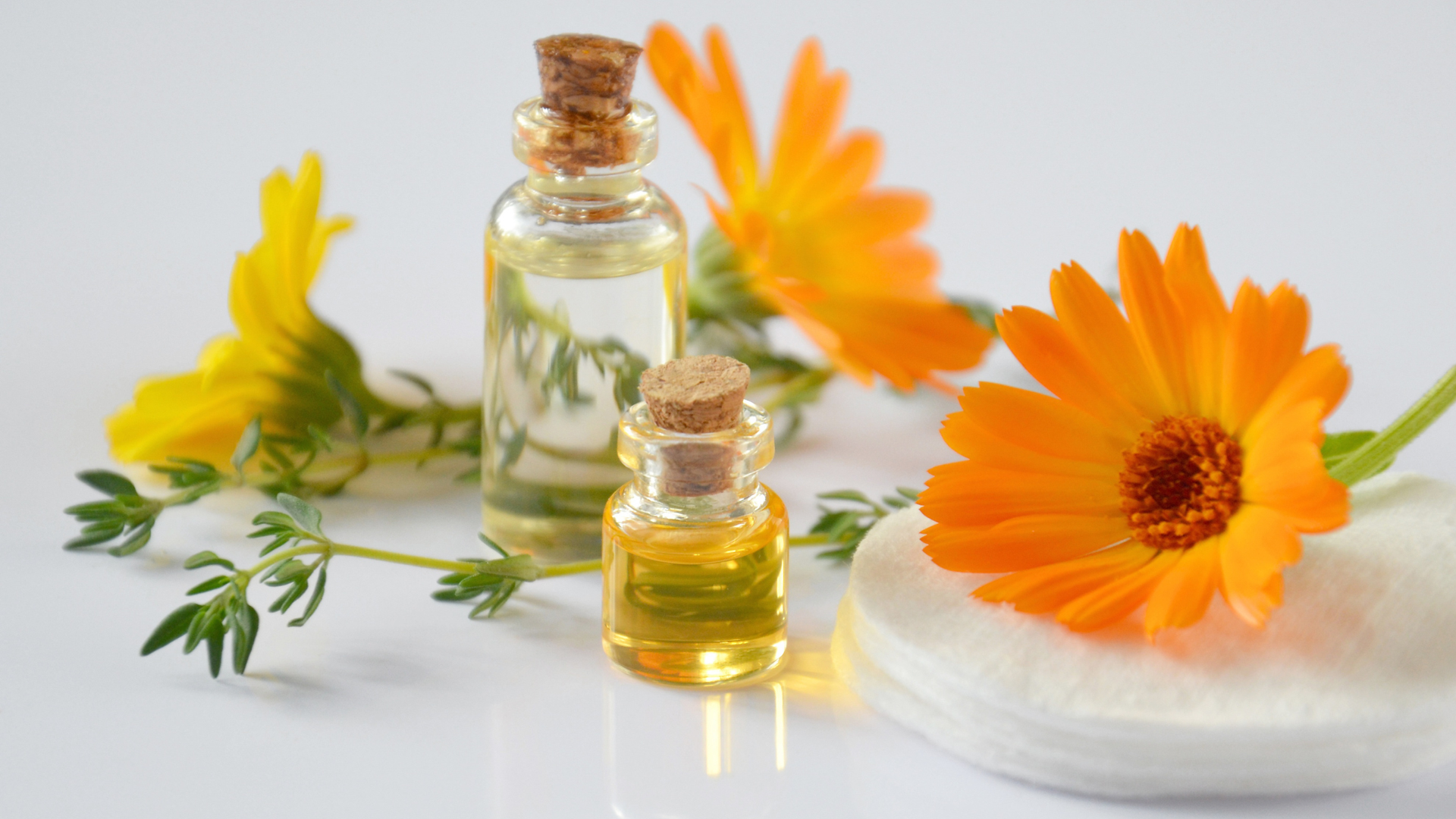
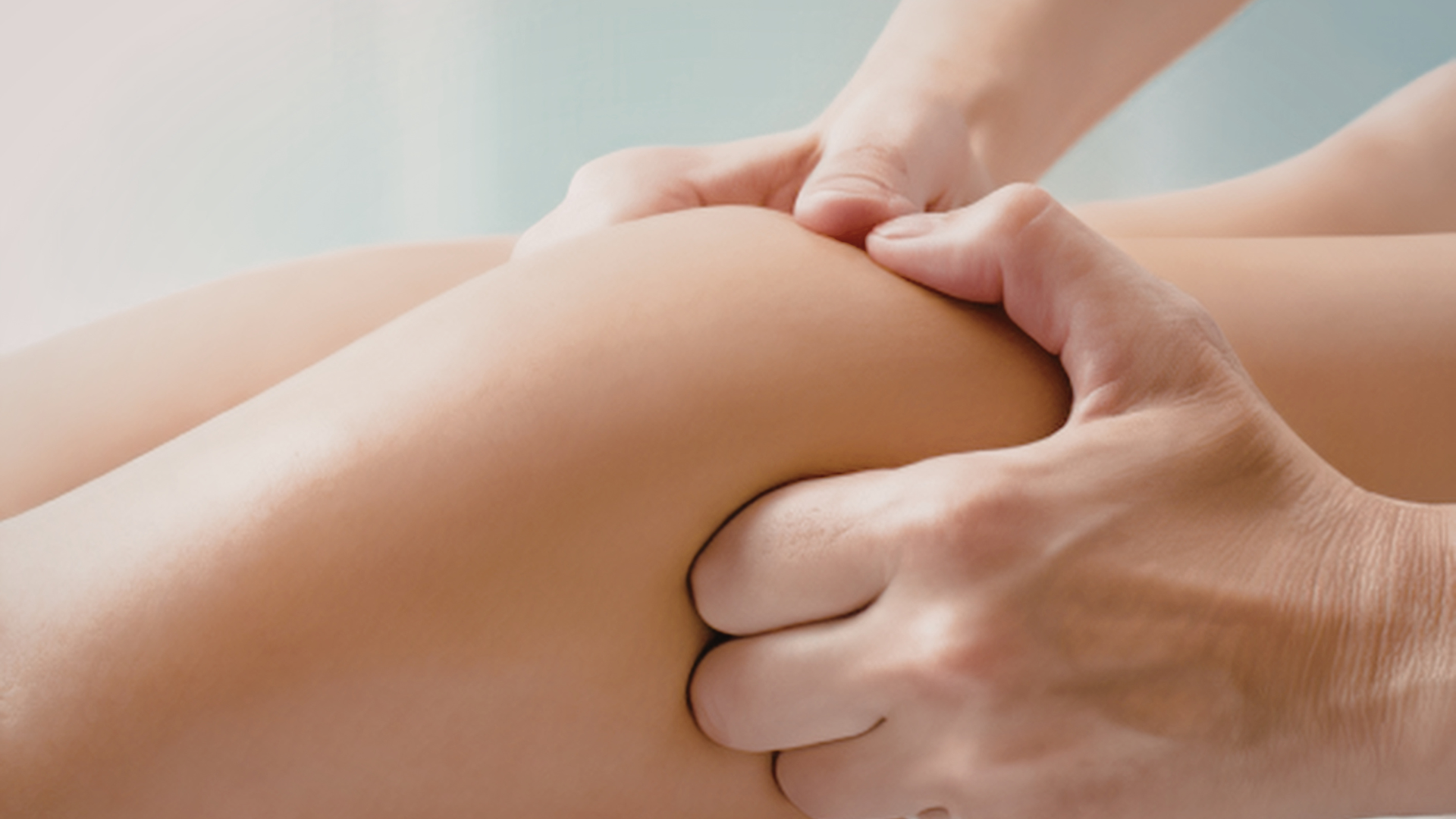
For joint stiffness , the most helpful pattern tends to be: gentle massage + appropriate dilution + consistent timing (after a warm shower, after light movement, or before bed). In clinical trials for knee osteoarthritis, aromatherapy massage using lavender or blends (e.g., ginger and rosemary) has shown pain improvements—especially short-term. ( pubmed.ncbi.nlm.nih.gov)
A simple dilution guide (family-friendly starting point)
| Goal | Dilution idea | Where it fits best | Notes |
|---|---|---|---|
| Sensitive skin / new to oils | ~1% (low and gentle) | Hands, wrists, neck | Patch test first; avoid broken skin. |
| Everyday “comfort rub” | ~2% | Knees, hips, shoulders | Good for post-walk or pre-bed routine. |
| Targeted, short-term use | ~3% (short bursts) | Larger muscle groups around joints | If skin gets warm/itchy, wash off and dilute more next time. |
Safety reminder: Undiluted essential oils can irritate skin; patch testing and proper dilution reduce risk. ( allure.com)
Blend ideas people often choose for joint comfort
- Lavender for relaxation + “softening” a tense body response (commonly used in aromatherapy massage research). ( pubmed.ncbi.nlm.nih.gov)
- Rosemary + ginger as part of aromatherapy massage approaches studied for knee osteoarthritis. ( pubmed.ncbi.nlm.nih.gov)
- Peppermint is well-known for menthol’s cooling sensation; evidence for pain varies by condition and is not arthritis-specific, so treat it as “comfort” rather than a treatment claim. ( aafp.org)
Tip: For stiff joints, massage the muscle tissue around the joint (forearms, calves, quads, glutes) rather than pressing directly on tender joint lines.
Core strategy #2: Pair oils with what works best for osteoarthritis—movement and recovery
A 10-minute “stiffness reset” routine
- Warmth (2 min): warm shower or heating pad on surrounding muscles.
- Gentle range of motion (4 min): slow circles, heel slides, hand open/close.
- Topical diluted rub (2 min): massage into muscles around the joint.
- Breathing downshift (2 min): slow exhales to relax guarding muscles.
Supportive modalities worth considering
- Tai chi shows benefit for knee/hip osteoarthritis symptoms in research summaries. ( nccih.nih.gov)
- Yoga may help some people (less evidence than tai chi, but promising). ( nccih.nih.gov)
- Massage evidence is limited but can be helpful for some—especially when stress and sleep issues are present. ( nccih.nih.gov)
If you’d like structured, body-friendly movement sessions at home, browse YL Family’s fitness options: Stretch & Tone Workout, Functional Strength Training, and Total Body Pilates Sculpt.
Core strategy #3: Keep “clean home” habits in the same plan
When you’re managing chronic discomfort, small irritants add up—sleep disruption, strong fragrances, poor indoor air quality, and stress load. A realistic wellness plan often blends topical support with a calmer home environment.
Try a “two-scent rule”
If you use aromatic products, keep your daily routine to one diffused scent and one topical blend. Over-layering scents can increase headache or skin sensitivity for some people.
Explore toxin-aware home swaps
If clean living is part of your family’s long-term goal, see Green Home Living for plant-powered options and education.
Quick “Did you know?” facts (arthritis + complementary care)
Osteoarthritis is common: NCCIH notes it affects more than 32.5 million U.S. adults. ( nccih.nih.gov)
Massage evidence is limited but promising: research exists, but many studies are small—consistency and personalization matter. ( nccih.nih.gov)
Safety is part of “natural”: essential oils can irritate skin, and some citrus oils can cause phototoxic reactions if used on skin exposed to sun. ( allure.com)
A simple safety checklist (especially important for families)
- Always dilute for topical use; start low and increase only if your skin tolerates it. ( allure.com)
- Patch test (inner forearm) before using a new blend on hands/knees.
- Avoid eyes, mucous membranes, and broken skin.
- Sun caution: some oils can be phototoxic in leave-on products—avoid sun/UV exposure on the area for at least ~12 hours if using phototoxic oils, or skip them entirely for daytime use. ( tisserandinstitute.org)
- Talk with your clinician if you’re pregnant, managing asthma, using blood thinners, have eczema/psoriasis, or are treating a child—especially if arthritis symptoms are escalating or changing. ( nccih.nih.gov)
Need help choosing family-appropriate options for stress, sleep, or discomfort routines? Explore: Stress & Mood, Sleep & Rest, and Body Discomfort.
Local angle: making routines work anywhere in the United States
Whether you’re in a dry mountain climate, a humid coastal region, or a winter-heavy state, arthritis routines tend to work best when they’re adaptable: keep a small roller or blend at home, a travel-size option in your bag, and a short movement plan you can do in a hotel room, at your desk, or after errands.
Cold-weather stiffness
Try warmth first (shower/heating pad), then gentle movement, then topical comfort. This order often reduces the “rub it harder” instinct that can irritate sensitive joints.
Hot-weather outdoor time
If you use any citrus-forward blends on skin, be mindful of phototoxicity risk and keep daytime blends non-phototoxic or placed under clothing. ( tisserandinstitute.org)
Shop supportive wellness tools
If you want to build a simple, safe routine for joint stiffness and natural pain management, start with a few essentials (carrier oil, a calming oil, and a movement plan you’ll actually repeat).
Popular add-ons for at-home routines: Yoga Foam Roller and Stainless Water Bottle.
FAQ: essential oils, arthritis relief oils, and joint stiffness
Do essential oils help arthritis pain?
Some people report temporary relief, especially when oils are used with gentle massage . Research on aromatherapy massage for knee osteoarthritis (including lavender and ginger/rosemary blends) has shown short-term improvements in pain in some studies, but results vary and more high-quality research is needed. ( pubmed.ncbi.nlm.nih.gov)
What’s the best way to use “arthritis relief oils” safely?
Use them diluted in a carrier oil, patch test first, avoid eyes/broken skin, and be cautious about sun exposure with phototoxic oils. ( allure.com)
Can I put essential oils directly on a painful joint?
It’s safer to avoid “neat” (undiluted) application. Undiluted oils can cause irritation or sensitization. Dilution and patch testing are the standard safety approach for topical use. ( allure.com)
Is diffusing enough for joint stiffness?
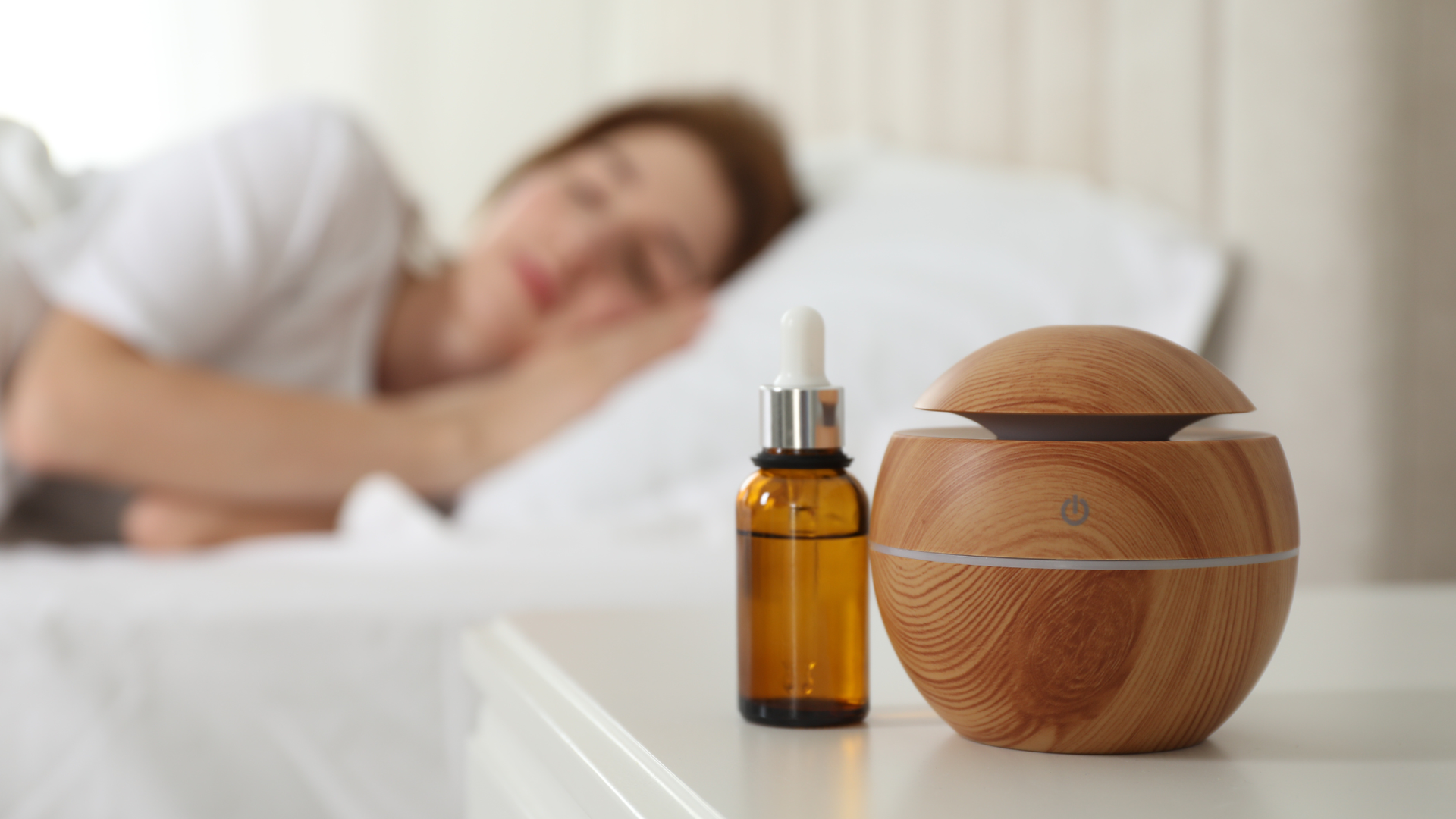
Diffusing may support relaxation and mood, which can indirectly help pain coping and sleep, but it’s less targeted than a diluted topical massage routine. Many pain-focused aromatherapy studies involve topical use or massage. ( pmc.ncbi.nlm.nih.gov)
When should I call a healthcare professional?
If you have new or rapidly worsening swelling, redness, fever, sudden loss of function, numbness/weakness, or pain that wakes you nightly, seek medical evaluation. For osteoarthritis and complementary options, NCCIH recommends discussing approaches with your healthcare providers for shared, well-informed decisions. ( nccih.nih.gov)
Glossary
Carrier oil: A neutral oil (like fractionated coconut, jojoba, or sweet almond) used to dilute essential oils for safer topical application.
Dilution (topical): The percentage of essential oil blended into a carrier oil. Lower dilution generally reduces irritation risk. ( allure.com)
Phototoxicity: A skin reaction that can happen when certain oils (often cold-pressed citrus) are applied to skin that is later exposed to UV light. ( tisserandinstitute.org)
WOMAC score: A common questionnaire used in osteoarthritis research to measure pain, stiffness, and physical function. ( pubmed.ncbi.nlm.nih.gov)