
Summer Survival: Essential Oils to Keep Your Family Cool & Calm
June 1, 2026
Refreshing rituals for hot days, busy schedules, and big feelings
Summer in the United States can feel like a full-contact sport: hotter days, disrupted sleep, travel, outdoor practices, and kids who swing from energetic to overstimulated in a matter of minutes. At YL Family
, we love a practical, family-friendly approach to wellness—simple routines that support comfort, calm, and a cleaner home without turning your day into a complicated project.
Essential oils won’t “treat heat,” and they’re not a substitute for water, shade, sunscreen, or medical care. What they can do is support the environment around your family: cooling sensations (when used correctly), fresher indoor air, and calming cues that help everyone reset. Below are approachable ways to use summer essential oils as part of a cool blend routine—plus safety notes you’ll want to keep front and center.
Essential oils won’t “treat heat,” and they’re not a substitute for water, shade, sunscreen, or medical care. What they can do is support the environment around your family: cooling sensations (when used correctly), fresher indoor air, and calming cues that help everyone reset. Below are approachable ways to use summer essential oils as part of a cool blend routine—plus safety notes you’ll want to keep front and center.
Start with the real “summer essentials”: heat safety basics
Before we talk oils, anchor your plan in the fundamentals—especially for kids, older adults, and anyone with health conditions. The CDC highlights that young children and adults 65+
often need extra precautions on hot days, and it’s important to recognize signs of heat-related illness early. ( cdc.gov)
Once those basics are covered, essential oils can be a supportive layer—helping your home feel calmer and your routines feel more soothing.
Family heat-check (quick checklist)
- Hydrate early (don’t wait until thirsty) and re-offer water often for kids.
- Cool breaks in shade or air conditioning—especially during peak heat hours.
- Dress light (loose, breathable clothing).
- Watch for symptoms such as dizziness, headache, nausea, unusual fatigue, confusion, or heavy sweating. If you suspect heat stroke, seek emergency help immediately. ( cdc.gov)
Once those basics are covered, essential oils can be a supportive layer—helping your home feel calmer and your routines feel more soothing.
Your “Cool & Calm” toolkit: 4 simple ways to use summer essential oils
Think in methods
first (how you’ll use oils), then choose oils or blends that fit the moment. This keeps things safe and consistent for the whole household.
1) A “cool blend” roller (for older kids and adults)
A properly diluted roller can be a convenient way to support a cooling sensation after yardwork, a workout, or a long day outside. Peppermint is popular because its menthol content creates a noticeable cooling feel on the skin by activating cold-sensitive receptors (that “ahh” sensation). ( en.wikipedia.org)
Safety-first notes: peppermint oil can irritate skin and should be kept away from eyes and sensitive areas; it can also be risky if misused (especially around young children’s faces). ( poison.org)
Safety-first notes: peppermint oil can irritate skin and should be kept away from eyes and sensitive areas; it can also be risky if misused (especially around young children’s faces). ( poison.org)
Practical tip
Apply to back of neck
, shoulders
, or tops of feet
(not the face). Always patch test first, and start with a gentle dilution—especially if you’re new to topicals.
2) A diffuser routine that signals “calm time”
Summer schedules can be irregular: late sunsets, travel days, sleepovers, camps. A consistent evening diffuser routine can become a cue that it’s time to wind down—especially for kids who need help transitioning from activity to rest.
Diffuser safety matters: essential oils are concentrated and should be used thoughtfully around children and pets. Choose shorter diffusion sessions, keep the room ventilated, and never diffuse in a way that makes it hard for anyone (including animals) to leave the space. ( hopkinsmedicine.org)
Diffuser safety matters: essential oils are concentrated and should be used thoughtfully around children and pets. Choose shorter diffusion sessions, keep the room ventilated, and never diffuse in a way that makes it hard for anyone (including animals) to leave the space. ( hopkinsmedicine.org)
Try this
Diffuse for a short window while you do the same “end-of-day” steps: dim lights, prep water bottles for tomorrow, quick tidy, and a simple stretch. You’re building family wellness
through routine—not just aroma.
3) A chilled towel moment (sensory reset)
When someone is hot, cranky, or overstimulated, a cool washcloth on the back of the neck can be a fast reset. (If you’re dealing with suspected heat illness, follow medical guidance and prioritize cooling and hydration first.) ( cdc.gov)
Essential oils don’t need to be part of this step to work well—but if you choose to incorporate them, be conservative: avoid leaving oils undiluted on skin, and keep them away from eyes/mucous membranes.
Essential oils don’t need to be part of this step to work well—but if you choose to incorporate them, be conservative: avoid leaving oils undiluted on skin, and keep them away from eyes/mucous membranes.
4) “Green home” summer freshening (without heavy fragrance)
Summer brings extra laundry, gym bags, muddy shoes, and that “closed-up house” feeling when it’s too hot to open windows. A light essential-oil-based freshening routine can help your home feel cleaner and more breathable—without relying on overpowering synthetic scents.
If you’re using citrus oils, remember a key safety point: many citrus oils can be phototoxic when applied to skin, meaning sun exposure can increase the risk of a skin reaction. Save citrus for diffusion/cleaning routines or follow conservative topical guidance. ( essentialoils.wiki)
If you’re using citrus oils, remember a key safety point: many citrus oils can be phototoxic when applied to skin, meaning sun exposure can increase the risk of a skin reaction. Save citrus for diffusion/cleaning routines or follow conservative topical guidance. ( essentialoils.wiki)
Quick “Did you know?” summer facts (worth bookmarking)
Kids can overheat faster than adults.
Their bodies are less efficient at cooling, so supervision and frequent breaks matter on hot days. ( chp.edu)
Essential oils can be toxic if swallowed.
Store bottles and rollers up high and treat them like medicine in a family home. ( hopkinsmedicine.org)
Citrus + sun can be a problem.
Some citrus oils are photosensitizers and may increase sun sensitivity when applied to skin. ( en.wikipedia.org)
Heat stroke is a medical emergency.
If someone shows confusion, collapse, or severe symptoms, seek emergency care right away. ( cdc.gov)
Optional table: choosing the right method for your household
| Goal | Best method | Why it works well | Key safety note |
|---|---|---|---|
| Feel cooler after activity | Diluted topical roller | Targeted, portable, low-mess | Avoid eyes/face; patch test; keep away from young kids’ faces ( hopkinsmedicine.org) |
| Calm the mood at home | Diffusion (short sessions) | Creates a consistent “reset” cue | Ventilation; don’t trap pets; stop if anyone gets irritated ( animalpoisons.com.au) |
| Freshen a busy summer home | Green home routine | Supports a cleaner-feeling space | Citrus oils can be phototoxic on skin—use wisely ( en.wikipedia.org) |
| Support better wind-down | Bath/bedtime ritual + gentle aroma | Pairs scent with routine and relaxation | Dilute properly; keep oils away from children’s reach ( hopkinsmedicine.org) |
A “family wellness” routine you can repeat all summer
Consistency beats complexity. If you want a simple weekly rhythm, try this:
These steps keep essential oils in their best role: supportive, enjoyable, and part of a broader toxin-aware lifestyle.
- Morning: water bottles filled + a 60-second “plan for shade” talk (where’s our cool-down spot?).
- Afternoon: quick rinse, snack, and a short cooling routine (fan, cool cloth, quiet time).
- Evening: short diffuser session paired with screens down, lights dim, and stretching.
- Weekend reset: launder towels/gear, refresh the home, prep an easy “calm corner” (book, blanket, water).
These steps keep essential oils in their best role: supportive, enjoyable, and part of a broader toxin-aware lifestyle.
Local angle: summer heat across the United States
Whether you’re dealing with dry heat, high humidity, or rapid temperature swings, your strategy is the same: plan for hydration, cooling, and recovery
. The CDC encourages using tools like local heat risk forecasts and taking extra action for higher-risk groups on hot days. ( cdc.gov)
If your family travels during summer (road trips, tournaments, theme parks), treat your car like an extension of your home: pack water, schedule cooling stops, and keep essential oils stored safely and out of reach—especially because heat can stress products and increase spill risks.
If your family travels during summer (road trips, tournaments, theme parks), treat your car like an extension of your home: pack water, schedule cooling stops, and keep essential oils stored safely and out of reach—especially because heat can stress products and increase spill risks.
Ready to build your Summer “Cool & Calm” kit?
Shop YL Family’s curated wellness favorites and create a simple, repeatable routine that supports cooler-feeling days and calmer evenings—without overcomplicating your schedule.
Note: Essential oils are highly concentrated. Use cautiously around children and pets, dilute for topical use, and seek medical care for heat-related illness symptoms.
FAQ
Can essential oils help with heat exhaustion or heat stroke?
No—treat heat illness as a medical issue. Prioritize moving to a cooler place, cooling the body, hydration when appropriate, and seek urgent care for severe symptoms. Heat stroke is an emergency. ( cdc.gov)
Are summer essential oils safe for kids?
They can be used more safely when you follow conservative guidance: avoid ingestion, use proper dilution with a carrier oil, and ask a qualified professional if you’re unsure. Children are more sensitive to concentrated oils. ( hopkinsmedicine.org)
Why does peppermint feel cooling?
Peppermint’s menthol activates cold-sensitive receptors in the skin, creating a cooling sensation. ( en.wikipedia.org)
Can I put citrus oils on skin before going outside?
Use caution. Many citrus oils can increase sun sensitivity (phototoxicity). Consider reserving citrus for diffusion or home routines, or follow conservative topical guidelines to avoid sun-related reactions. ( en.wikipedia.org)
Is it okay to diffuse essential oils if I have pets?
Be careful: pets can be sensitive, and exposure risks increase in small, unventilated spaces or if oils spill onto fur/skin. Use short diffusion sessions, provide ventilation, and ensure your pet can leave the room. If you notice coughing, drooling, lethargy, or irritation, stop and consult a veterinarian. ( animalpoisons.com.au)
Glossary
Carrier oil
A neutral oil (like jojoba or coconut) used to dilute essential oils for safer skin application.
Diffusion
Dispersing essential oil aroma into the air using a diffuser. Short sessions and ventilation help reduce irritation risk.
Phototoxicity
A skin reaction that can happen when certain oils (commonly some citrus oils) are applied to skin and then exposed to sunlight (UVA). ( essentialoils.wiki)
Heat exhaustion vs. heat stroke
Heat stroke is the most serious heat-related illness and can be life-threatening; prompt emergency treatment is critical. ( cdc.gov)
Educational content only; not medical advice. For urgent symptoms or suspected heat stroke, seek emergency care immediately.

Discover teen-friendly bedtime routines with gentle essential oils for 8–10 hours of sleep. Try simple wind-down steps for calmer nights and rested mornings.
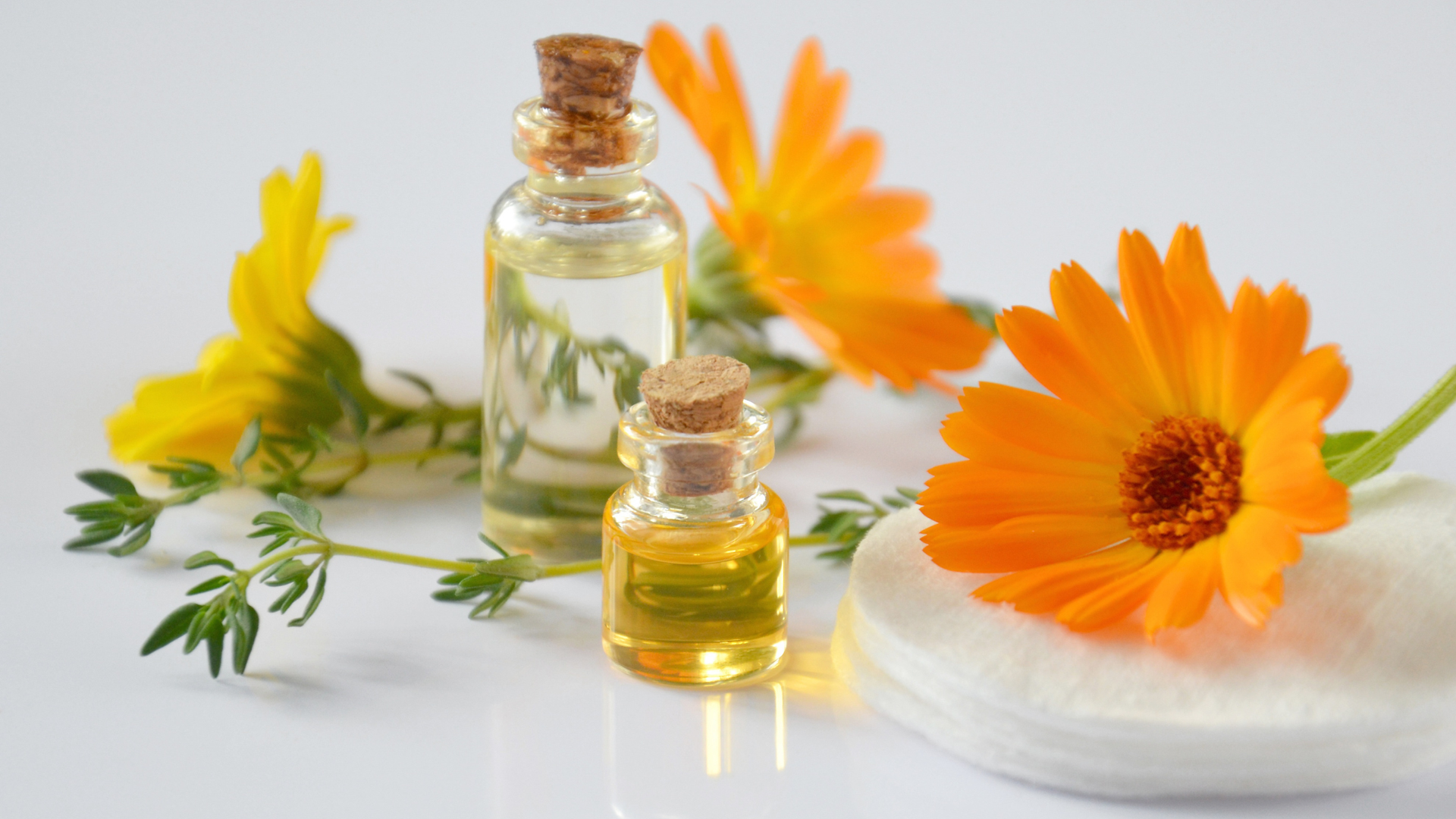
Learn essential oil safety & dilution basics with practical tips. Discover phototoxicity warnings, dilution ratios, and beginner routines for confident, safe use.
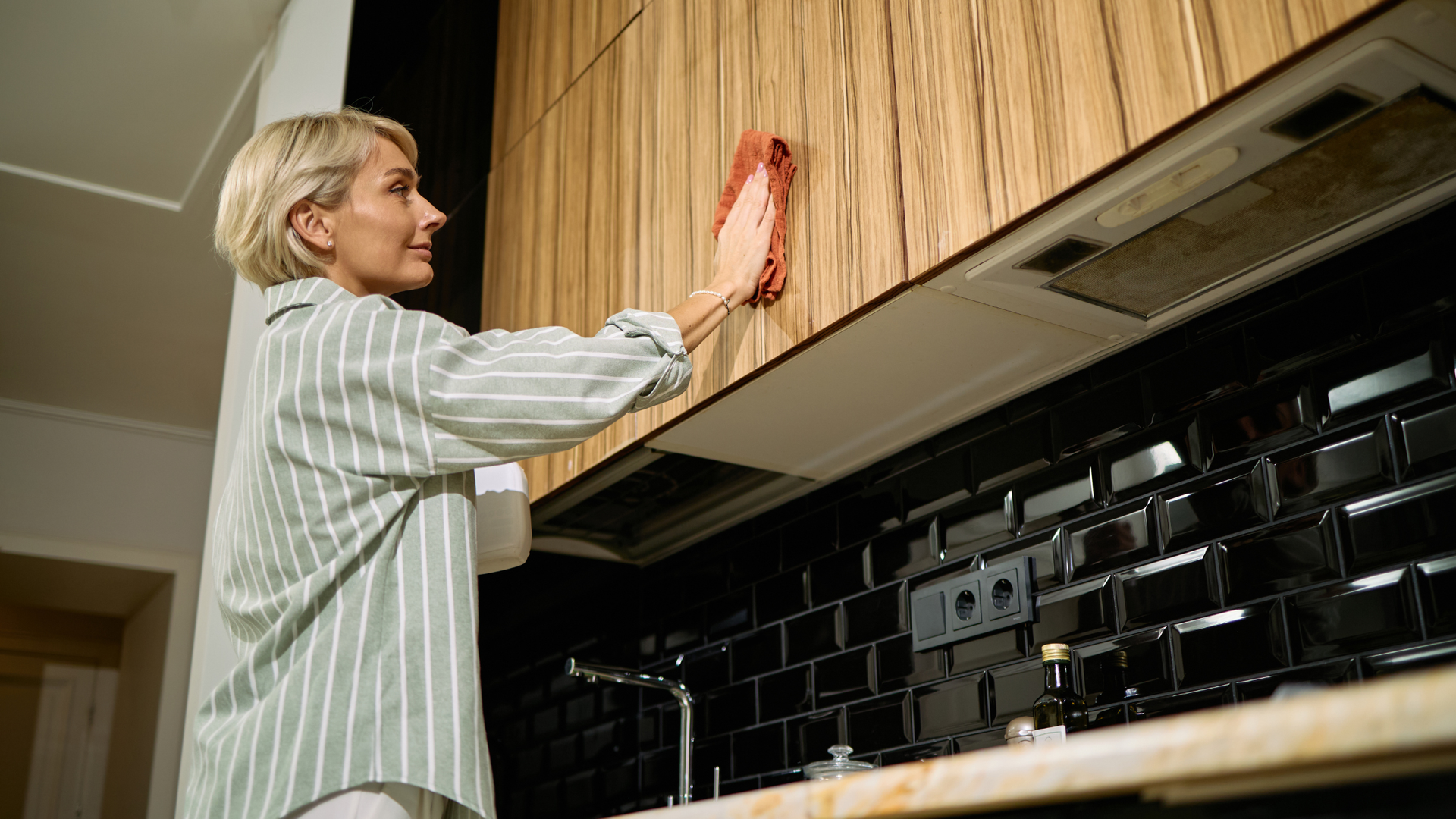
Learn to make eco-friendly DIY cleaning tablets with baking soda, citric acid & essential oils for effective, low-toxin home cleaning and reduced plastic waste.
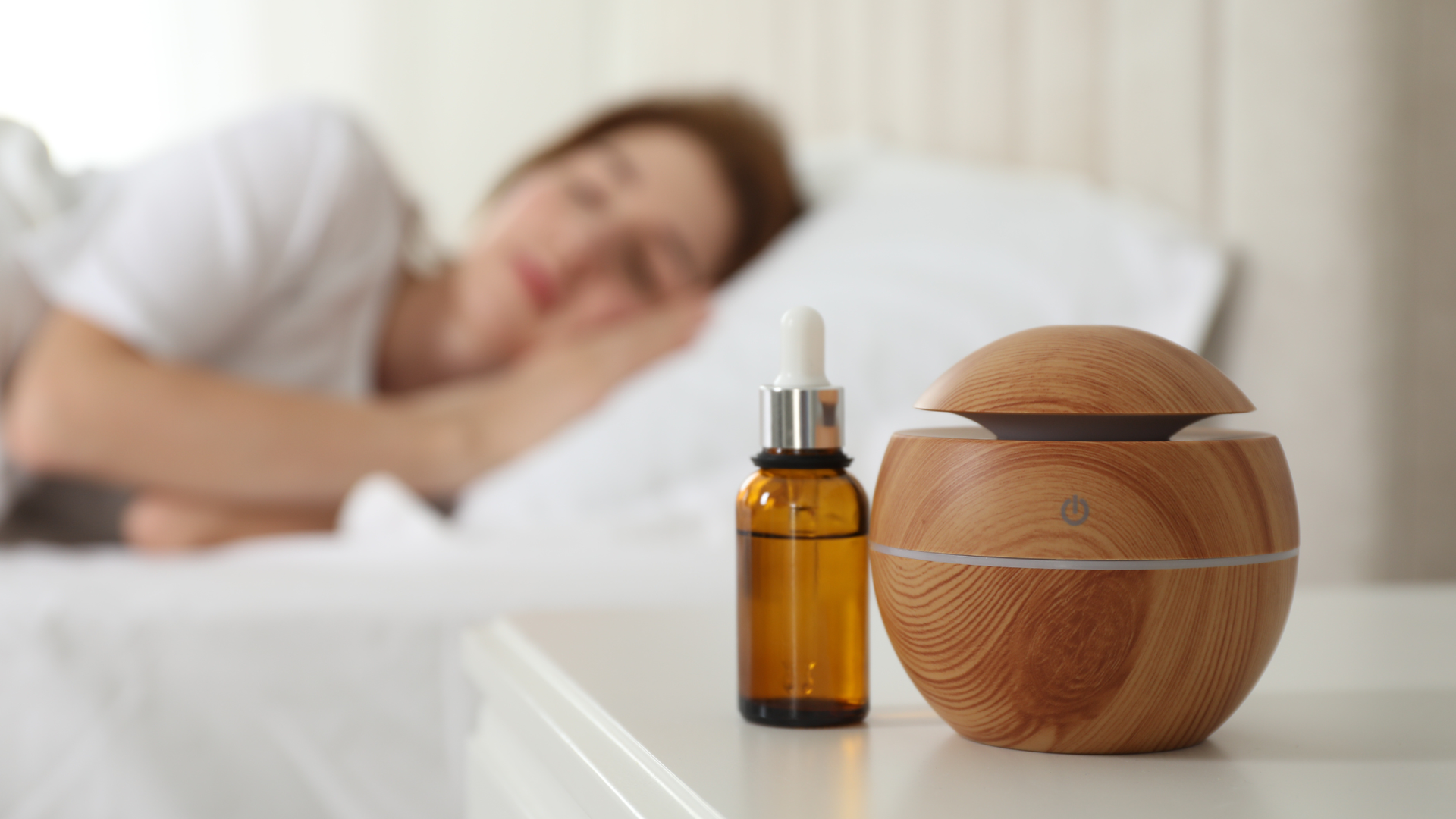
Learn to use essential sleep oils topically or aromatically for a calming bedtime routine. Get practical tips on diffusing, dilution, habit-building.

Unwind overworked joints before bed with a 10-minute essential oil massage. Get dilution tips, techniques, and simple routines for soothing nighttime comfort.
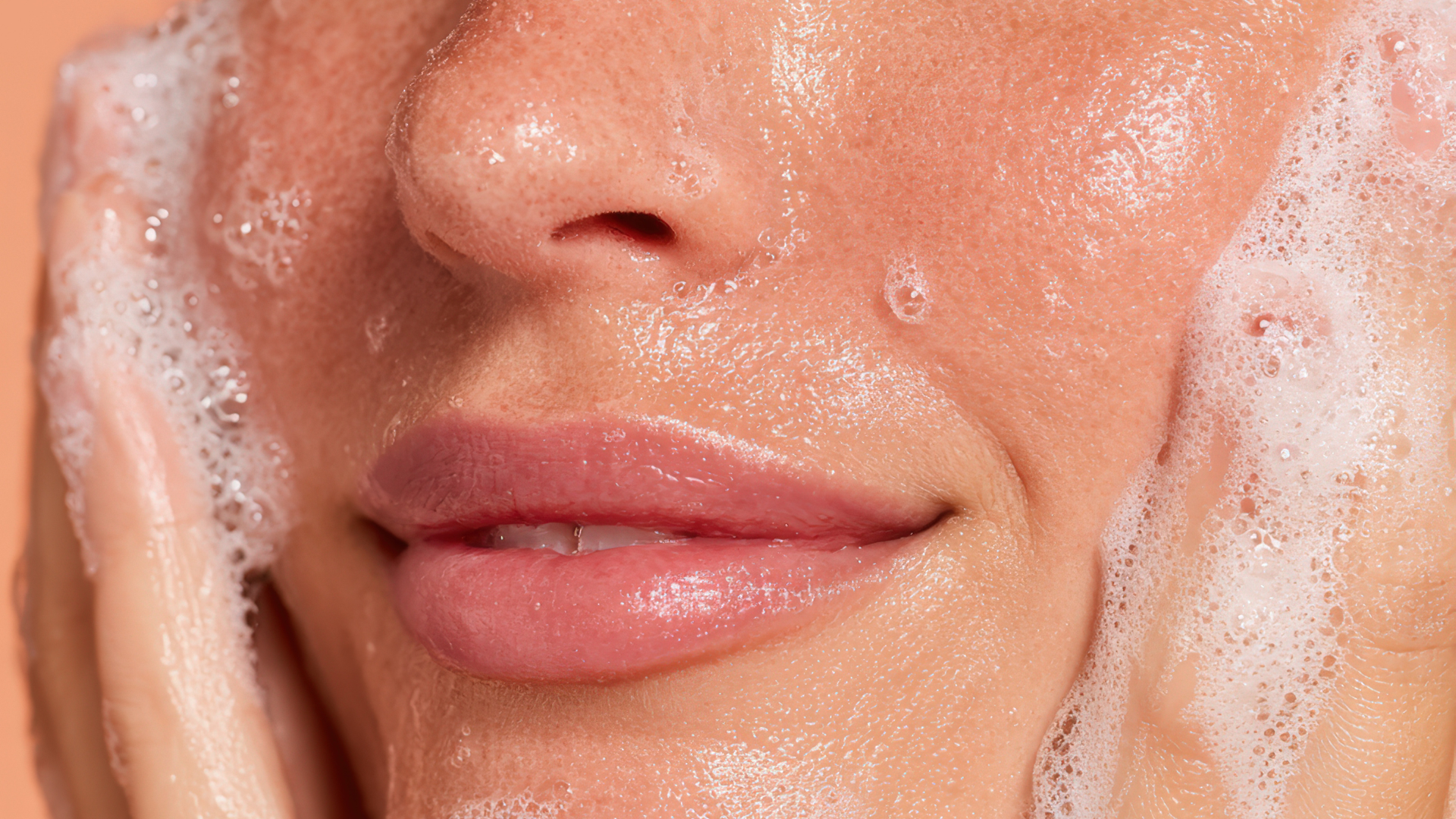
Build a gentle, toxin-free facial care routine with essential oils. Discover safe dilution, patch testing, AM/PM steps and tips for cleaner, healthier skin.

Discover 3 simple essential oil routines to ease work-life stress. Get safety tips and quick scent cues for calm focus and evening wind-downs.
Explore gentle, kid-safe essential oil blends to support your family's cold and flu wellness routines with safe dilution, diffusion tips, and home habits.

Discover a practical monthly menstrual self-care ritual using essential oils, heat, movement, and grounding habits. Safe, realistic tips for comfort and calm.

Kickstart your day with a 10-minute morning ritual using essential oils to support immunity, hydration, hygiene, and stress relief. Simple family tips.