
DIY Cooling Towels: Beat the Heat with Essential Oil-Infused Spa Rags
June 4, 2026
A simple summer ritual for heat relief—without complicated ingredients
When temperatures climb, your body works harder to cool itself. A well-made cooling towel can feel like instant “reset button” relief—especially after yardwork, travel, workouts, or just a long day in the sun. At YL Family, we love practical, toxin-conscious routines that support the whole household. This guide shows you how to make reusable DIY cooling towels (spa rags) and safely elevate them with essential oils for a refreshing, skin-friendly experience—plus smart heat-safety habits to keep on hand all summer.
Why cooling towels work (and when they help most)
Cooling towels help your body release heat through evaporative cooling
: water held in the fabric evaporates and pulls warmth away from your skin. They’re especially helpful in dry or moderately humid weather, and during situations where you’re generating extra heat (exercise, outdoor chores, hot car rides, crowded events).
Cooling towels are also a “comfort tool” for heat stress prevention. Public health guidance for extreme heat emphasizes staying cool, staying hydrated, and recognizing early symptoms of heat-related illness. A towel isn’t a substitute for shade, rest, and hydration—but it can be a helpful add-on when used wisely. (For heat safety basics and warning signs, see CDC heat guidance.) ( cdc.gov)
Cooling towels are also a “comfort tool” for heat stress prevention. Public health guidance for extreme heat emphasizes staying cool, staying hydrated, and recognizing early symptoms of heat-related illness. A towel isn’t a substitute for shade, rest, and hydration—but it can be a helpful add-on when used wisely. (For heat safety basics and warning signs, see CDC heat guidance.) ( cdc.gov)
Choosing the right fabric (the “spa rag” secret)
Your fabric choice makes a bigger difference than most people realize. A great cooling towel should hold enough water to stay cool, but not so much that it drips everywhere.
Best options
100% cotton washcloths
(soft, easy to wash, good for sensitive skin)
Cotton flour-sack towels
(lightweight, dries quickly)
Bamboo/cotton blends
(often very soft, good absorbency)
Tip for families
Keep two stacks: “face/neck” towels (super soft) and “outdoor/cleanup” towels (more durable). Color-coding helps prevent mix-ups.
How to make DIY cooling towels (3 ways)
Below are three methods—choose the one that matches your schedule. If you’re adding essential oils, read the safety notes in the next section first.
Method 1: The “quick sink” towel (fastest)
1)
Run cool water over a clean washcloth.
2)
Wring it out well (damp, not dripping).
3)
Snap it 2–3 times (this boosts airflow through the fibers).
4)
Place on the back of your neck, wrists, or behind knees.
Method 2: The “cooler kit” towel (best for outings)
1)
Dampen 4–8 towels, wring out.
2)
Roll each towel and place in a zip bag or airtight container.
3)
Chill in your fridge for 1–2 hours, or pack in a cooler with an ice pack.
4)
Swap towels as they warm up.
Method 3: The “spa rag” towel (luxury feel)
1)
Fill a bowl with cool water (or chilled water if you prefer).
2)
Add your essential-oil blend safely (details below) or keep it plain for ultra-sensitive skin.
3)
Soak towel for 10–20 seconds, wring out.
4)
Press gently along neck/shoulders/forehead for 30–60 seconds.
Essential oil safety for cooling towels (important)
Essential oils are concentrated. For cooling towels, you’re usually covering a larger skin area (neck, chest, arms), and you may be in the sun—so safety matters more than “more drops.”
Non-negotiables
Dilute for skin contact.
Many general dilution charts place adults around ~2% for typical topical use, but you can go lower for a towel method, sensitive skin, or frequent reapplication. ( kitchenstewardship.com)
Avoid phototoxic oils
if the towel will touch skin that will be exposed to sunlight (especially cold-pressed citrus). Phototoxic reactions are linked to certain citrus oils and sun/UV exposure; conservative practice is to avoid sun after using these on skin. ( naha.org)
Be cautious with kids and pets.
Keep oils out of reach and use extra care with diffusion/inhalation around children and animals; confirm individual oil safety and use minimal amounts. ( healthline.com)
Skip broken or freshly shaved skin.
If skin is irritated, sunburned, or compromised, keep towels plain (water only).
Safer essential oil picks for “cooling towel” vibes
Many people reach for peppermint for a cooling sensation, but “strong” isn’t always “better” for everyone. If you’re sensitive, consider gentler aromatic profiles (or use fewer drops). When in doubt, keep it simple and low-dose.
Minty-cool:
Peppermint (use sparingly; avoid eyes; wash hands after use)
Herbal-fresh:
Lavender, rosemary (aroma-forward; start with 1–2 drops total in a batch)
Clean spa:
Eucalyptus radiata (aroma can feel “clearing,” but be cautious with kids)
Avoid on sun-exposed skin: cold-pressed citrus
If you’re making towels for pool days, hiking, kids’ sports, or outdoor work, skip cold-pressed lemon, lime, bergamot, and similar citrus peel oils on the towel (or any leave-on skin use) because of photosensitivity risk. If you love citrus aroma, consider using it in a diffuser indoors instead—or choose options specifically indicated as non-phototoxic (for example, certain “FCF” types), and still use caution. ( naha.org)
Step-by-step: Essential oil–infused cooling towel “recipe” (low-mess)
What you’ll need
• 4–8 clean cotton washcloths
• 1 quart (4 cups) cool water
• 1–2 teaspoons unscented liquid castile soap (optional; helps disperse oils more evenly)
• Essential oil(s): start with 2–6 total drops
for the whole quart
• Airtight container or zip bags for storage
Instructions
1)
Add water to a bowl or pitcher.
2)
If using, stir in castile soap first.
3)
Add essential oils (2–6 drops total). Stir well.
4)
Soak towels briefly, wring out thoroughly.
5)
Roll and store in the fridge in a sealed container.
6)
Use within 24–48 hours, then wash and refresh a new batch.
Pro tip
If the towel feels “too strong,” don’t tough it out—rinse with water and wring again. Less oil is still effective for a spa-like experience.
Quick reference table: plain vs. infused towels
Option
Best for
Pros
Watch-outs
Plain water towel
Kids, sensitive skin, sunburn recovery comfort
Safest, simplest, works anywhere
Can warm faster; no aroma
Low-dose essential oil towel
Post-workout cooldown, indoor chores, travel refresh
Spa feel, motivating ritual, “fresh” sensation
Must dilute; avoid phototoxic oils in the sun; keep away from eyes
Heat relief beyond towels: a smarter “summer safety stack”
Cooling towels feel great, but they work best alongside evidence-based heat safety habits:
Hydrate early and often
(don’t wait until you’re thirsty). ( cdc.gov)
Take shade breaks
and reduce intensity during peak heat hours.
Know warning signs
of heat exhaustion and heat stroke; heat stroke is a medical emergency. ( cdc.gov)
Use cool cloths strategically
(head/neck/armpits/groin are common cooling points in first-aid guidance). ( cdc.gov)
Local angle: heat relief tips that work across the United States
Summer conditions vary a lot across the U.S. A cooling towel that feels amazing in a dry climate may feel less effective in high humidity—because evaporation slows down. If you live in a humid region, focus on air movement + shade + hydration
and use towels as short bursts of relief (swap them more often, keep extras chilled). In drier regions, towels can stay effective longer and may be especially helpful after outdoor activities.
Wherever you are, consider keeping a “heat kit” by the door: a couple rolled towels in the fridge, a water bottle, and a plan to cool down fast if someone starts feeling off. CDC heat guidance also highlights finding air-conditioned spaces and knowing your risk factors during heat events. ( cdc.gov)
Wherever you are, consider keeping a “heat kit” by the door: a couple rolled towels in the fridge, a water bottle, and a plan to cool down fast if someone starts feeling off. CDC heat guidance also highlights finding air-conditioned spaces and knowing your risk factors during heat events. ( cdc.gov)
Shop YL Family favorites for summer-ready wellness routines
If you’d like to build a simple, clean-living routine for heat season—refreshing aromatherapy, home support, and family-friendly wellness staples—YL Family can help you find the right fit with confidence.
Want a fitness-friendly cooling routine too? Pair your cooldown with a gentle mobility session like Stretch & Tone Workout
or a low-impact strength option like Functional Strength Training.
FAQ: Cooling towels + essential oils
Do cooling towels actually lower body temperature?
They can help you feel cooler and support surface cooling, especially on pulse points (neck, wrists). For true heat illness prevention, pair towels with hydration, shade, rest, and access to cooler environments. ( cdc.gov)
How many essential oil drops should I use in a batch of towels?
For a quart (4 cups) of water, start low—about 2–6 total drops. You can always add a little more next time, but too much can irritate skin or overwhelm kids’ senses. If you’re also applying other topical products, use even fewer.
Can I use lemon or lime essential oil for a fresh “summer” scent?
It’s best to avoid cold-pressed citrus oils on towels that will touch skin exposed to sunlight, because certain citrus oils can increase the risk of a phototoxic skin reaction after UV exposure. Choose non-phototoxic options or use citrus aroma indoors instead. ( naha.org)
Are essential oil cooling towels okay for kids?
Many families choose plain water towels for kids, especially for face/neck use. If you do use essential oils, keep the dose very low, avoid strong oils near the face, and store oils out of reach. Always confirm a specific oil is appropriate for a child’s age and health situation. ( healthline.com)
What should I do if someone shows signs of heat stroke?
Heat stroke is a medical emergency. Call emergency services right away and begin rapid cooling efforts (move to shade/cool area, cool cloths/ice to key areas, fan, and follow medical guidance). ( cdc.gov)
Glossary
Evaporative cooling
A cooling effect that happens when water evaporates from skin or fabric, pulling heat away from the body.
Phototoxicity (photosensitivity)
A skin reaction that can happen when certain plant compounds on the skin are exposed to UV light, potentially causing redness, burning, or blistering. Some cold-pressed citrus essential oils are known for this risk. ( en.wikipedia.org)
Dilution
Mixing essential oils into a carrier (like a carrier oil, lotion, or a dispersing medium) to reduce concentration before skin contact.

Discover teen-friendly bedtime routines with gentle essential oils for 8–10 hours of sleep. Try simple wind-down steps for calmer nights and rested mornings.
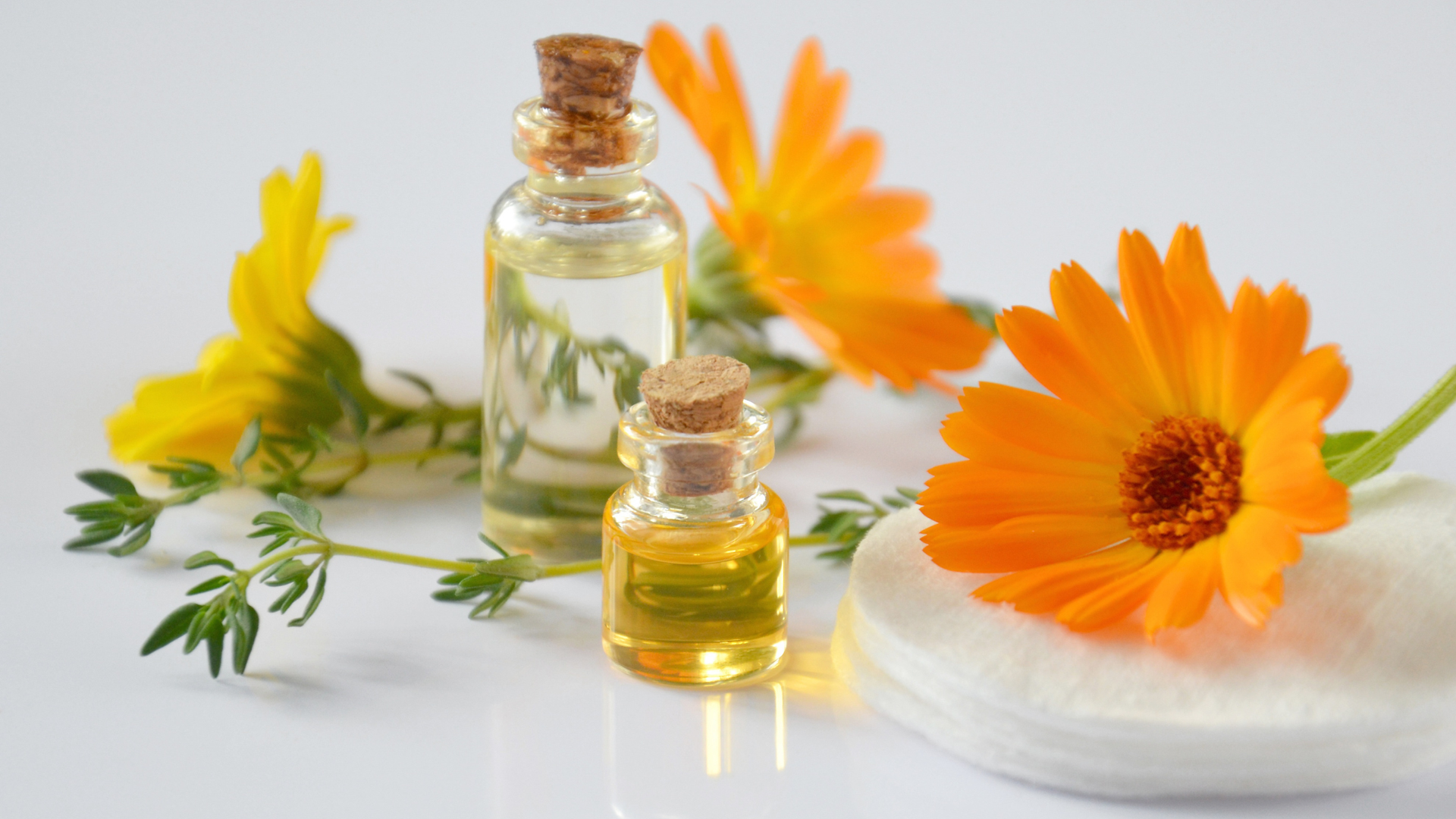
Learn essential oil safety & dilution basics with practical tips. Discover phototoxicity warnings, dilution ratios, and beginner routines for confident, safe use.
Learn to make eco-friendly DIY cleaning tablets with baking soda, citric acid & essential oils for effective, low-toxin home cleaning and reduced plastic waste.
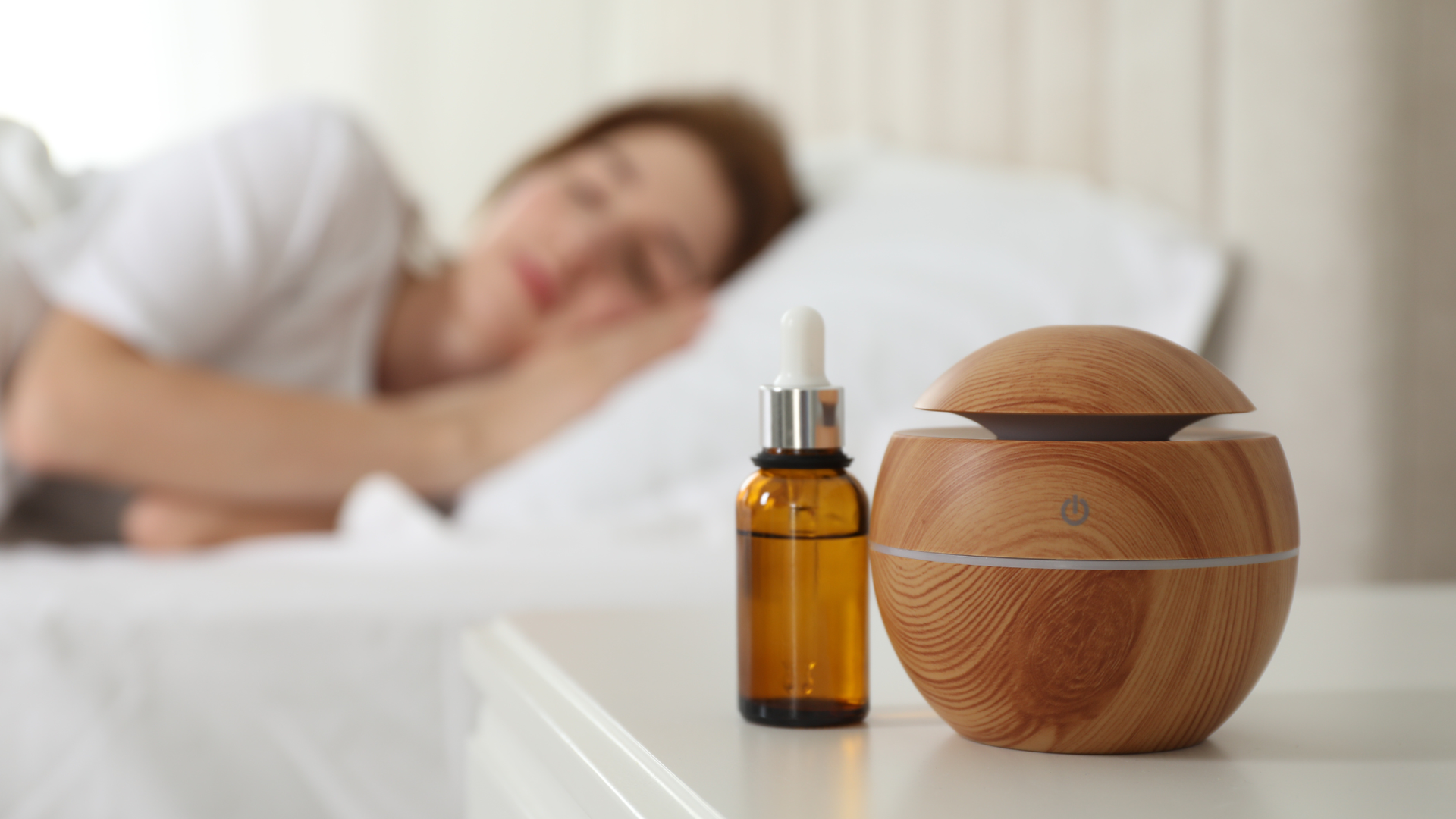
Learn to use essential sleep oils topically or aromatically for a calming bedtime routine. Get practical tips on diffusing, dilution, habit-building.
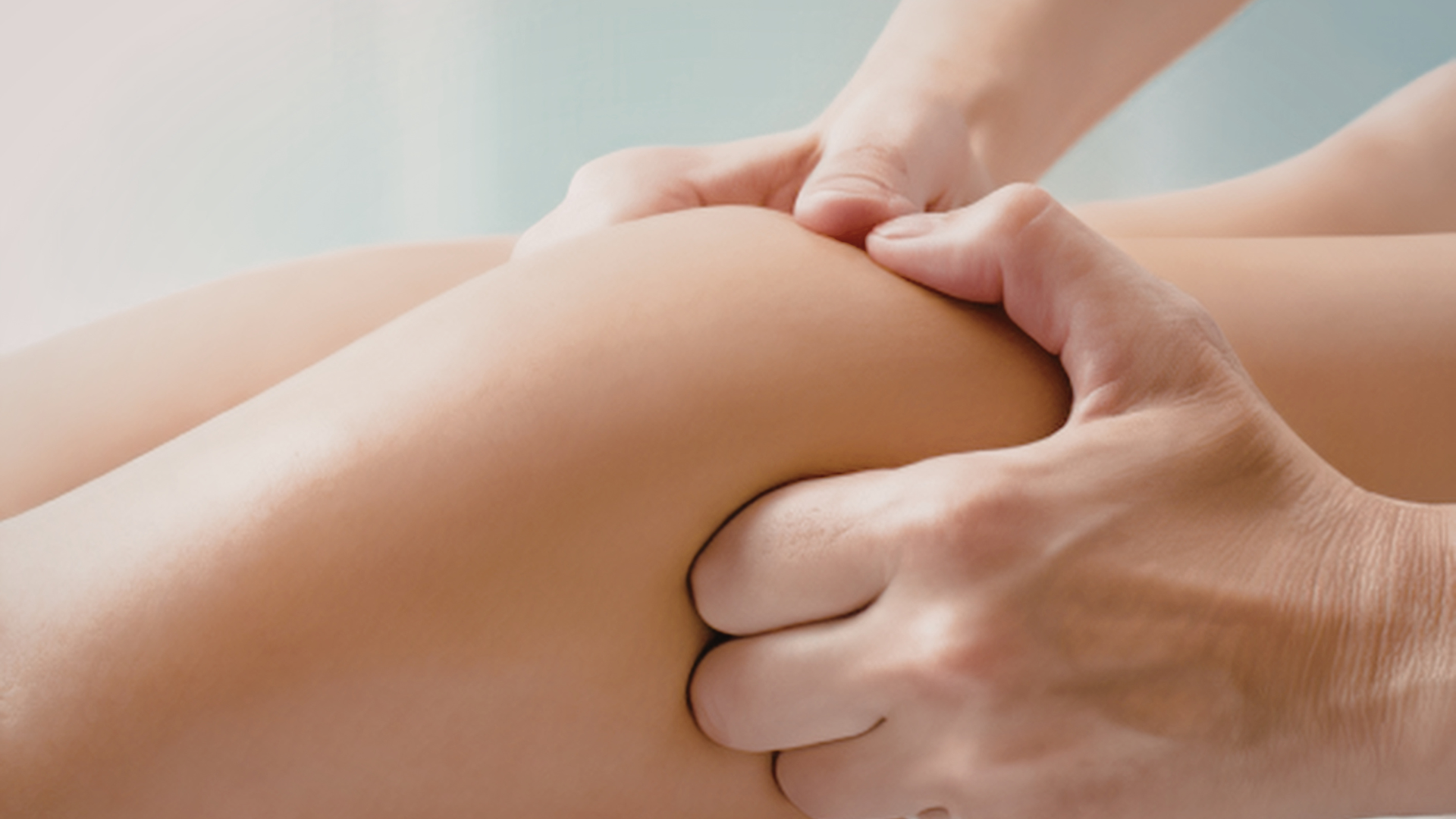
Unwind overworked joints before bed with a 10-minute essential oil massage. Get dilution tips, techniques, and simple routines for soothing nighttime comfort.
Build a gentle, toxin-free facial care routine with essential oils. Discover safe dilution, patch testing, AM/PM steps and tips for cleaner, healthier skin.

Discover 3 simple essential oil routines to ease work-life stress. Get safety tips and quick scent cues for calm focus and evening wind-downs.
Explore gentle, kid-safe essential oil blends to support your family's cold and flu wellness routines with safe dilution, diffusion tips, and home habits.

Discover a practical monthly menstrual self-care ritual using essential oils, heat, movement, and grounding habits. Safe, realistic tips for comfort and calm.

Kickstart your day with a 10-minute morning ritual using essential oils to support immunity, hydration, hygiene, and stress relief. Simple family tips.