
Integrating Essential Oils into Your Yoga Routine for Enhanced Well-Being
March 13, 2026
Create a calmer, more focused practice—one breath (and one scent) at a time
Yoga already supports strength, mobility, breath, and presence. When you add essential oils thoughtfully, you can shape the “feel” of your session—more grounded for slow flows, more uplifting for morning movement, or more soothing for evening wind-down. At YL Family
, we help individuals and families build cleaner, simpler wellness habits using pure, potent essential oils and natural products—so your routine feels supportive, not complicated.
Why essential oils pair so well with yoga
Aromatherapy is commonly used through inhalation
(diffuser, inhaler, tissue) or by applying a diluted
oil topically. Research on aromatherapy is still developing, and outcomes can vary by person, oil, and context—yet many people find scent cues helpful for building consistent routines and creating a more intentional practice space. The biggest practical benefit for yoga is that scent can act like a “switch” for your nervous system: a familiar aroma signals it’s time to breathe, soften your shoulders, and settle in. ( nccih.nih.gov)
Important safety note:
Essential oils are highly concentrated. Avoid using them undiluted on skin, avoid contact with eyes/mucous membranes, and be cautious with certain oils that can irritate skin or cause sun sensitivity (phototoxicity), especially some citrus oils. ( cancer.gov)
Your “mind-body blends” framework: match scent to your session
If your goal is yoga routine enhancement
, start by pairing one “anchor oil” with a session type. Keep it simple—one to two oils is plenty.
1) Grounding (slow flow, yin, breathwork)
Choose warm, earthy, or woodsy notes. Use them when you want to feel steady during longer holds, hip openers, or meditation.
2) Uplifting (morning mobility, vinyasa, energizing flow)
Bright, crisp scents can feel “clean” and motivating. Great for early workouts or when you’re practicing at home between meetings.
3) Calming (evening stretch, restorative, yoga nidra)
Softer floral or herbaceous aromas are commonly used to create a restful environment. Aromatherapy is sometimes used for sleep concerns, though evidence is still limited and mixed—think of it as a supportive ritual, not a guarantee. ( nccih.nih.gov)
Quick reference table: how to use oils during yoga (and when)
| Use method | Best timing | Why it works well | Safety tip |
|---|---|---|---|
| Diffuser (room) | 10–20 minutes before + during | Sets the tone without touching skin | Ventilate; consider pets/kids sensitivity |
| Personal inhalation (tissue/inhaler) | Before class or savasana | Easy, portable, low-mess | Avoid prolonged/overly intense inhalation |
| Topical (diluted roll-on or blend) | Before warm-up or after | Pairs well with self-massage and recovery | Dilute 1–5% for most adult body uses; patch test first ( naha.org) |
| Mat-side “anchor” (cotton ball nearby) | Meditation, pranayama, final rest | A gentle cue you can control | Keep away from face; don’t spill on mat |
Dilution note:
Many aromatherapy blends are commonly used around 1–5%
for adults, with lower ranges for sensitive skin or special situations. Facial skin often needs a much lower dilution. ( naha.org)
Did you know? Quick facts that protect your practice
“Neat” isn’t always better.
Applying essential oils undiluted can increase the risk of irritation or sensitization over time, even if you’ve been “fine” before. ( naha.org)
Some citrus oils can be phototoxic.
If you apply certain citrus oils to skin and then get sun exposure, you may increase the risk of a reaction. Plan your timing (or your dilution) accordingly. ( cancer.gov)
Damaged skin absorbs more.
Avoid essential oils on inflamed or broken skin—especially after hot yoga, shaving, or aggressive foam rolling. ( naha.org)
Step-by-step: a simple “yoga + oils” routine you’ll actually repeat
Step 1: Pick one goal for today’s session
Choose calm
, focus
, or energy
. This keeps you from mixing too many scents and ending up with “noise” instead of a cue.
Step 2: Choose one method (diffuse OR topical OR inhalation)
If you’re sensitive, start with a diffuser for the room or a tissue nearby. If you love topical use, create a properly diluted
blend for wrists, shoulders, or post-practice legs and feet.
Step 3: Use “less than you think”
More drops doesn’t equal more benefit—often it just becomes distracting. For topical use, many adult body applications are commonly kept in the 1–5%
range, and it’s smart to start low. ( naha.org)
Step 4: Pair scent with a “cue” pose
Use the same aroma each time you do one anchor moment—child’s pose, seated breath, or savasana. Over a few weeks, your brain begins associating the scent with settling down.
Step 5: End with recovery support (especially after strength flows)
After practice, many yogis like gentle self-massage for calves, feet, neck, or shoulders. Use a diluted blend and avoid irritated skin. If you’re prone to sensitivities, patch test first and keep your blend simple. ( cancer.gov)
Pro tip for consistency:
Store your yoga essentials together—mat, strap, water bottle, and your chosen oil. When everything is in one place, your routine takes less willpower.
Explore yoga-friendly gear in our Yoga collection
or add recovery tools from Equipment.
A practical local angle (and why it matters across the United States)
Whether you’re practicing in a dry winter climate, a humid coastal summer, or a busy household with kids and pets, the best approach is consistent: keep your space well-ventilated
, start with lower scent intensity, and prioritize skin safety with proper dilution. If you travel for work or have a packed schedule, consider a small “on-the-go” routine—one inhale before you step on the mat and one post-practice recovery blend (properly diluted) when you’re finished.
If your bigger goal is clean living beyond the yoga mat, you may also like:
Green Home Living
for a more toxin-free space, and Stress & Mood
for routines that support calm.
Shop thoughtfully: build your yoga + oils kit
If you’re ready to create a simple, repeatable routine, start with one oil or blend you truly enjoy and one method of use you can stick with. Then grow from there—slowly.
Want to pair oils with movement? Browse Online Classes
or explore Personal Training
options that complement your routine.
FAQ: Essential oils and yoga
Do essential oils “work” for stress or sleep during yoga?
Many people find aromatherapy supportive, especially as part of a consistent routine. Evidence varies by study and situation; for sleep and stress, research is still limited and not definitive. Think of oils as a helpful environment cue that pairs well with breathwork and relaxation practices. ( nccih.nih.gov)
Can I apply essential oils directly to my skin before practice?
It’s safer to dilute
essential oils in a carrier oil rather than applying them undiluted. Many aromatherapy guidelines place adult body dilutions in the 1–5% range, with lower dilutions for sensitive skin or special populations. Patch test any new product first. ( naha.org)
What if I do hot yoga or sweat a lot?
Sweat, heat, and friction can make skin more reactive. Consider using a diffuser instead of topical oils during class, and save diluted topical use for after you’ve cooled down and showered.
Are there oils I should avoid before going outside?
Some essential oils—especially certain citrus oils—can cause phototoxic reactions when applied to skin before sun exposure. If you’re practicing outdoors or heading into the sun, choose non-phototoxic options or keep topical use to very conservative, well-researched dilutions. ( cancer.gov)
Can kids be around my diffuser during yoga at home?
Children can be more sensitive to essential oils. Use lower intensity, diffuse for shorter periods in well-ventilated areas, and consider keeping the diffuser out of small bedrooms or enclosed spaces. For topical use on children, dilutions are typically much lower than for adults. ( naha.org)
Glossary (helpful terms for beginners)
Aromatherapy
A complementary approach that uses essential oils—most often by inhalation or diluted topical application—to support well-being. ( nccih.nih.gov)
Carrier oil
A skin-safe base oil (like jojoba or sweet almond) used to dilute essential oils before topical use.
Dilution (1% / 2.5% / 5%)
The concentration of essential oil in a carrier. Many guidelines recommend keeping most adult topical blends in a conservative range and adjusting based on skin sensitivity and the oil used. ( naha.org)
Phototoxicity
A skin reaction that can occur when certain essential oils (often some citrus oils) are applied to skin before UV/sun exposure. ( cancer.gov)
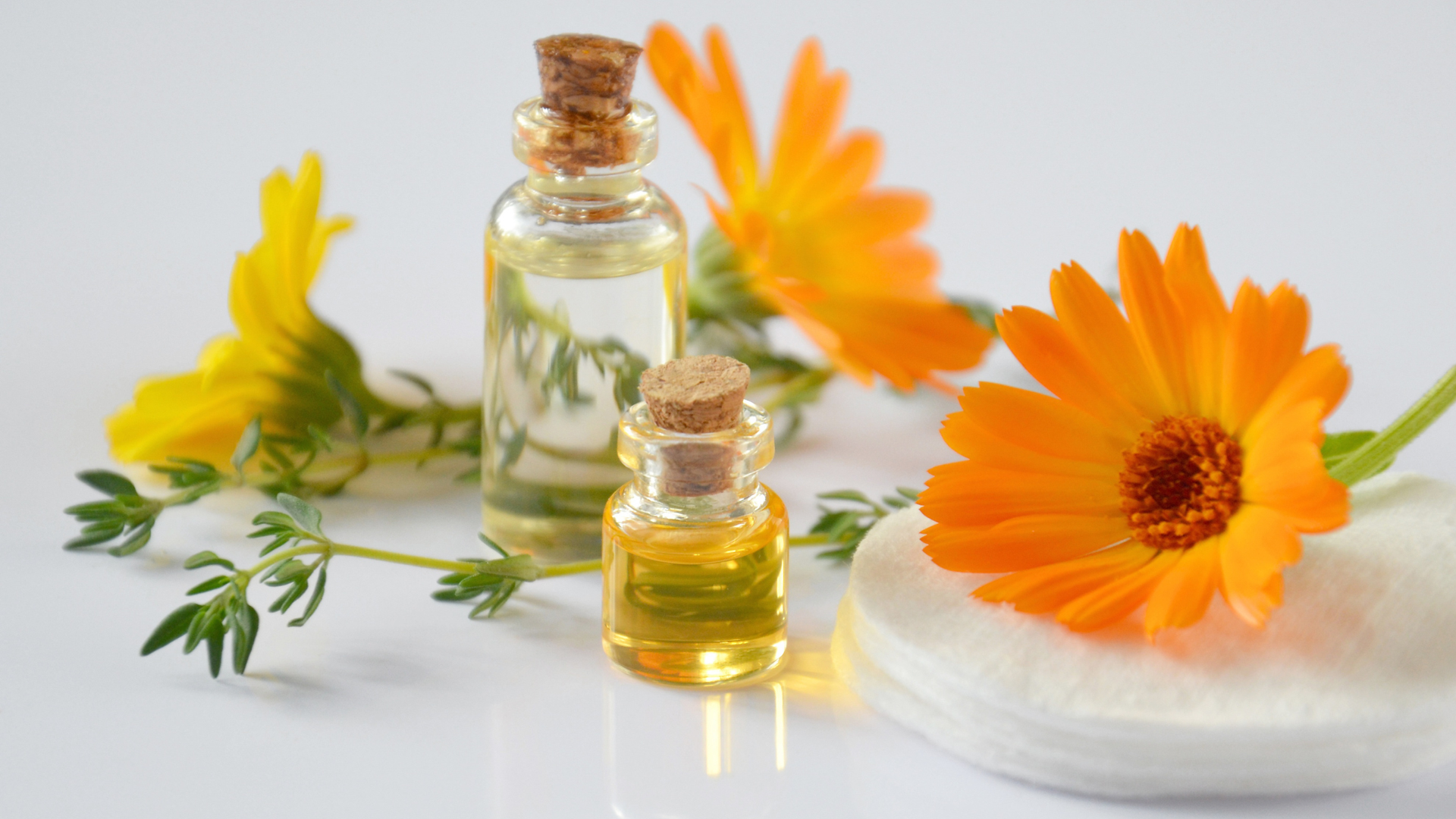
Learn essential oil safety & dilution basics with practical tips. Discover phototoxicity warnings, dilution ratios, and beginner routines for confident, safe use.

Learn to make eco-friendly DIY cleaning tablets with baking soda, citric acid & essential oils for effective, low-toxin home cleaning and reduced plastic waste.
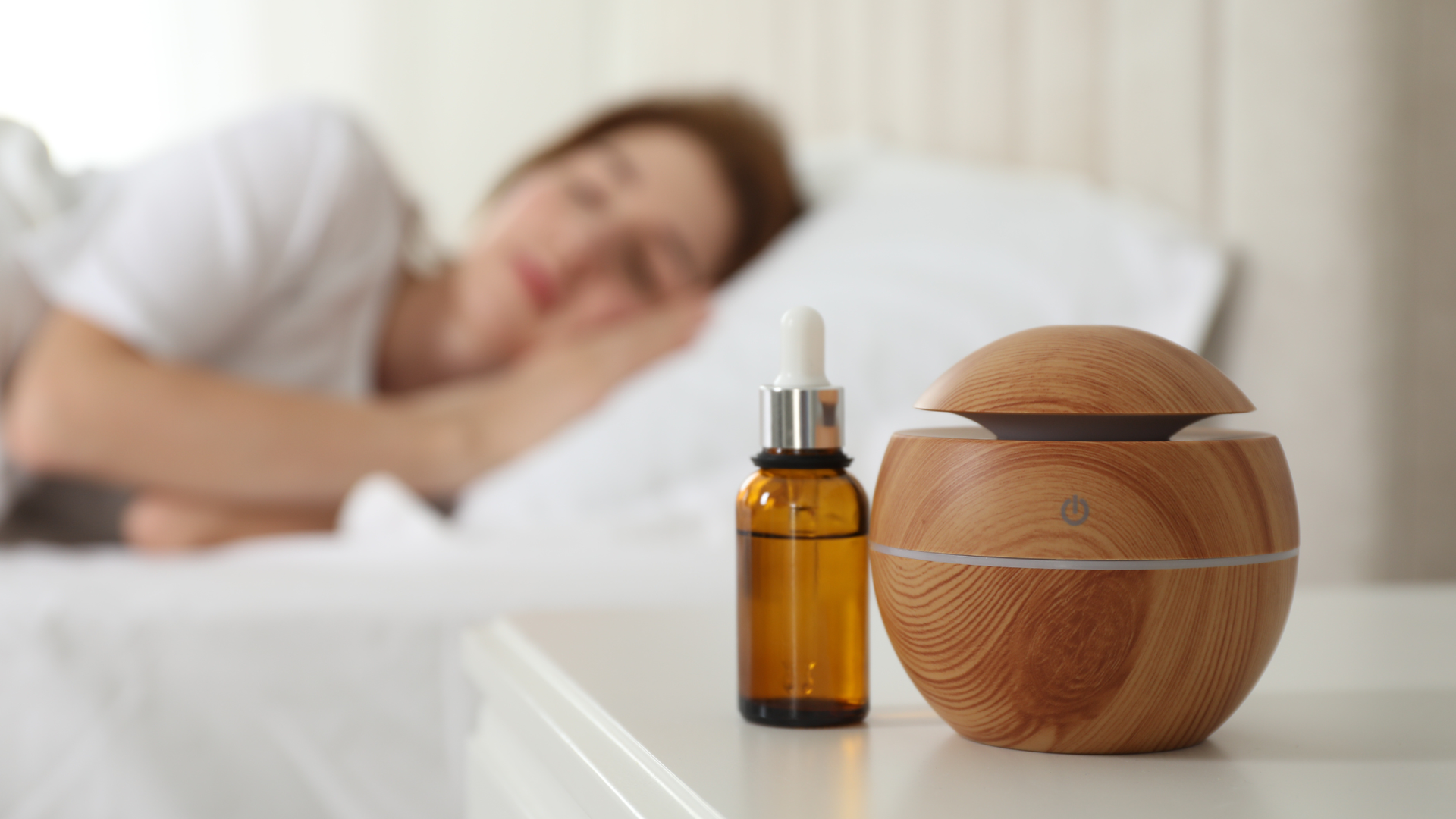
Learn to use essential sleep oils topically or aromatically for a calming bedtime routine. Get practical tips on diffusing, dilution, habit-building.
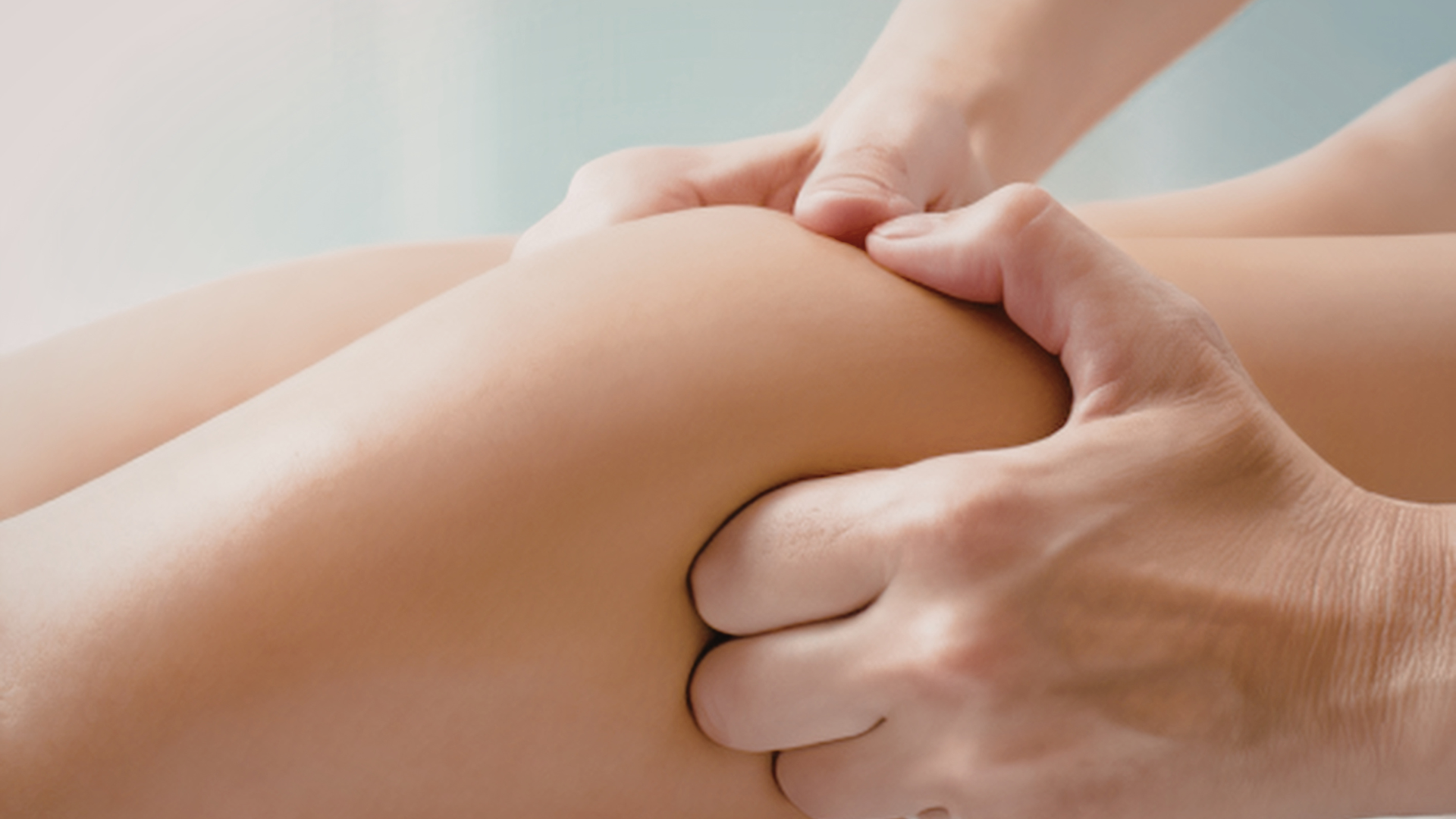
Unwind overworked joints before bed with a 10-minute essential oil massage. Get dilution tips, techniques, and simple routines for soothing nighttime comfort.
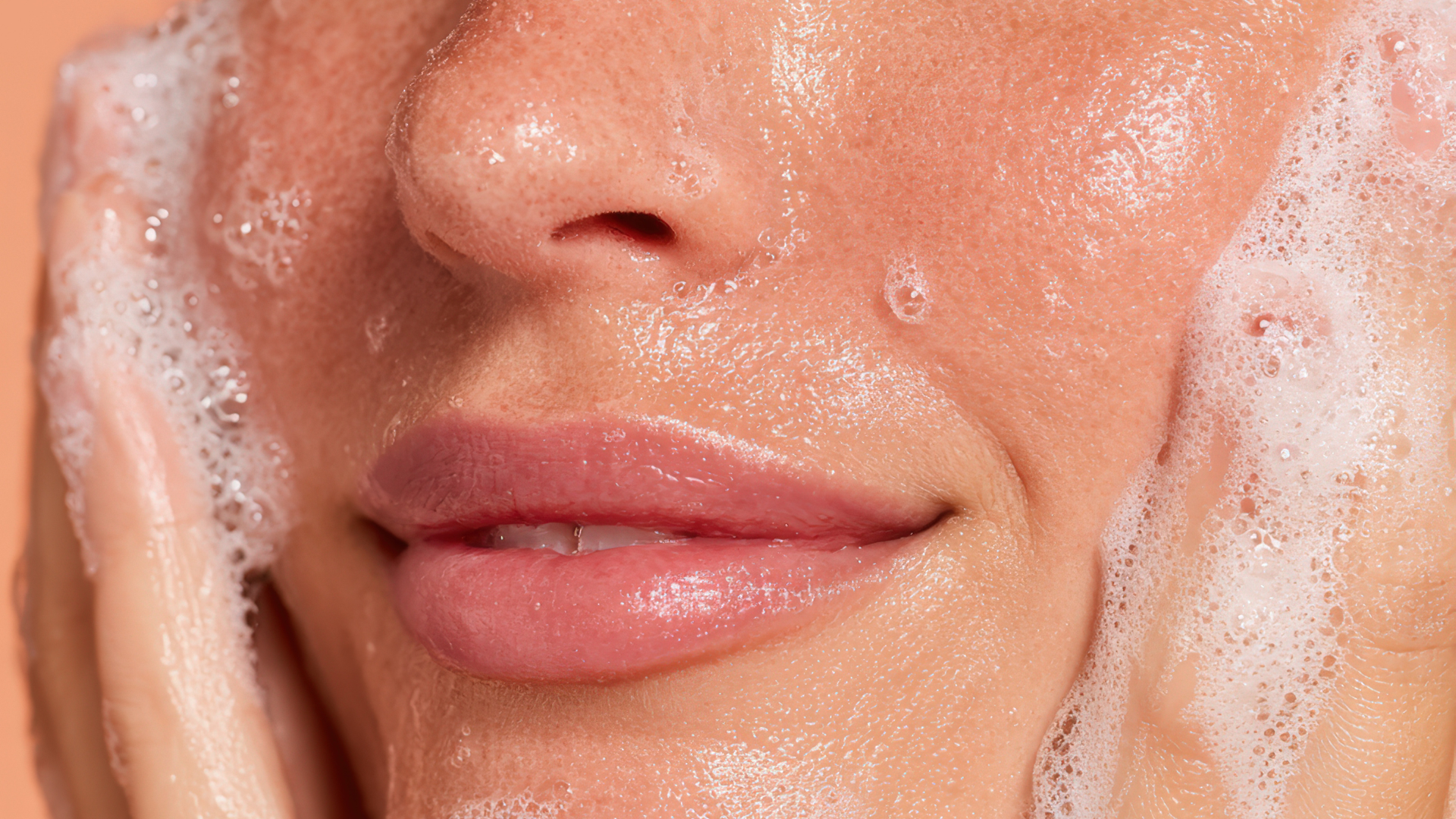
Build a gentle, toxin-free facial care routine with essential oils. Discover safe dilution, patch testing, AM/PM steps and tips for cleaner, healthier skin.

Discover 3 simple essential oil routines to ease work-life stress. Get safety tips and quick scent cues for calm focus and evening wind-downs.
Explore gentle, kid-safe essential oil blends to support your family's cold and flu wellness routines with safe dilution, diffusion tips, and home habits.

Discover a practical monthly menstrual self-care ritual using essential oils, heat, movement, and grounding habits. Safe, realistic tips for comfort and calm.

Kickstart your day with a 10-minute morning ritual using essential oils to support immunity, hydration, hygiene, and stress relief. Simple family tips.
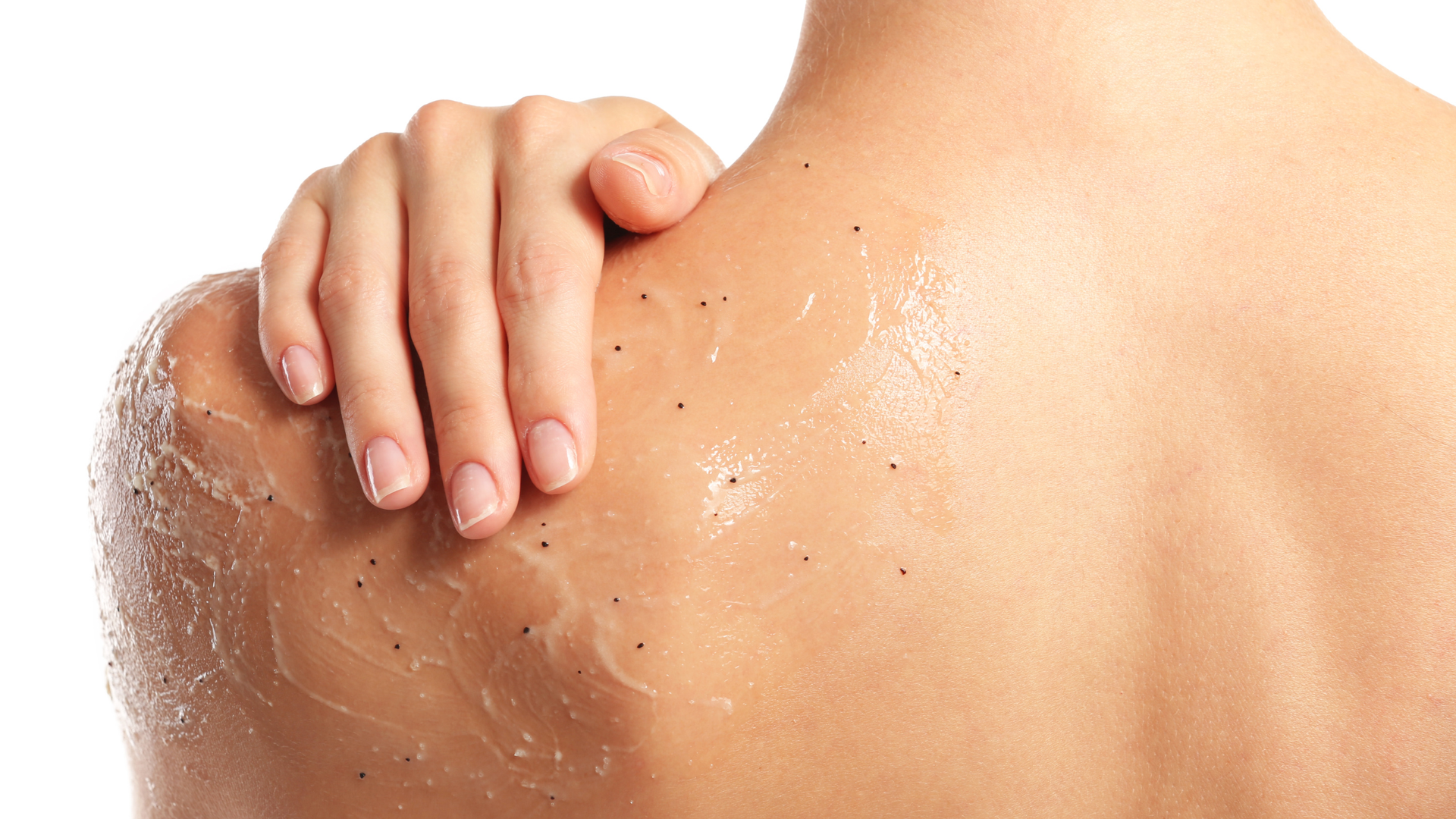
Learn how to create DIY essential oil body scrubs for gentle exfoliation and radiant skin. Discover recipes, safety tips, and ingredient guides for smoother skin.