
Essential Oils for Eye Strain Relief: Gentle, Safe Solutions for Screen Fatigue
February 21, 2026
A soothing routine for tired eyes—without putting oils in or on your eyes
If your eyes feel dry, tight, blurry, or “worked over” after hours of email, spreadsheets, or scrolling, you’re not alone. Digital eye strain (sometimes called screen fatigue) is commonly linked to prolonged near-focus, reduced blinking, and glare/contrast issues from screens. Essential oils can’t “fix” vision, but they can support a calming environment and create a practical self-care ritual—especially when paired with proven screen habits like regular breaks, hydration, and a better workstation setup.
Important safety note:
Never drip essential oils into your eyes. Even “natural” oils can cause serious irritation and potential injury. Keep oils away from the eyelids, lash line, and tear ducts. If essential oil gets into an eye, rinse immediately with lots of room-temperature water for 15–20 minutes and seek guidance.
What “screen fatigue” really feels like (and why it happens)
Screen fatigue often shows up as a mix of symptoms: dry or watery eyes, blurred focus, sensitivity to light, headaches, and tension in the forehead, neck, and shoulders. One reason is that we tend to blink less when we’re concentrating on a screen. Another is sustained close-up focusing, which can contribute to that “tight” feeling behind the eyes. Add glare, small text, and poor posture—and your whole upper body can start to feel overloaded.
Where essential oils fit:
Think of oils as a “support tool” for relaxation, not a direct eye treatment. The most helpful approaches are diffusion
for a calming workspace and diluted topical use
on areas like the temples, neck, and shoulders (well away from the eyes).
“Eye strain relief oils”: what to use (and what to avoid)
When people search for eye strain relief oils
or a screen fatigue remedy
, they’re often hoping for something cooling and clearing. You can absolutely build that “fresh” feeling safely, but the key is placement and dilution
.
| Goal | Essential oil types that fit | Best use | Cautions |
|---|---|---|---|
| Calm & decompress | Lavender-type aromas; gentle floral/herbal blends | Diffuse during work; diluted neck/shoulder roll-on | Avoid eyelids and under-eye area |
| Cooling sensation | Minty “cooling essential blends” (peppermint-type profiles) | Diluted on the back of the neck (not face), shoulders | Can feel intense; wash hands after use; keep away from eyes |
| Fresh workspace air | Light citrus/herbal notes (great for focus rituals) | Diffuse intermittently; room spray (properly diluted) | Some citrus oils can be phototoxic on skin—avoid sun-exposed skin use |
| Release forehead/temple tension | Soothing blends designed for relaxation | Very light dilution on temples (wide berth from eye socket) | Use minimal amount; avoid brows, eyelids, and rubbing your eyes |
The biggest mistake:
applying oils too close to the eyes and then touching or rubbing your eyes later. If you use oils on the neck/shoulders/temples, wash hands afterward and keep application areas conservative.
A simple “screen fatigue remedy” routine (diffuse + reset + release)
This routine is built for real life: meetings, homework help, and long work sessions. It combines proven screen habits with aromatherapy in a way that’s gentle, consistent, and safe.
Step 1: Set a 20-minute break cue (your eyes’ “reset button”)
Try the 20-20-20 approach: every 20 minutes, look at something about 20 feet away for 20 seconds. Even if you’re not exact, the pattern helps you blink, relax focusing muscles, and interrupt the “stare mode” that contributes to dryness.
Step 2: Diffuse for focus and calm (not all day—think “intervals”)
Use a diffuser in short windows (for example, 30–60 minutes) rather than continuously. This keeps the aroma noticeable without becoming overpowering. A calming blend can help your nervous system shift out of tension, which often shows up as tightness around the brow and jaw.
Family-friendly tip:
If you’re diffusing around kids or pets, keep it well-ventilated and use lower intensity. When in doubt, diffuse less and open a window.
Step 3: Try a “neck + shoulders” release (the hidden driver of eye strain)
Many people feel eye strain most when their neck and shoulders are tight from leaning toward a screen. After your 20-second visual break, do a 30–60 second shoulder roll and gentle neck stretch. If you like topical oils, apply a properly diluted
blend to the back of the neck and shoulders (never near the eyes).
Dilution guidance (practical rule):
For face-adjacent areas like temples, keep dilutions very low and conservative. For neck/shoulders, a light dilution is still best for most people—especially if you have sensitive skin.
Step 4: Add moisture support (often the missing piece)
If your main symptom is dryness, consider simple supports: drink water, blink intentionally during breaks, and talk with an eye care professional about artificial tears if needed—especially if you wear contact lenses or live in a dry climate.
Smart workstation tweaks that make oils work better
If you’re using essential oils but skipping the basics, you’ll keep fighting an uphill battle. These small changes often deliver outsized relief:
Reduce glare:
adjust your screen angle, lower overhead glare, and keep your screen clean.
Increase text size:
bigger text reduces squinting and “micro-tension” around the eyes.
Check viewing distance:
sitting a bit farther back often reduces strain (especially on laptops).
Mind your posture:
shoulders down, chin slightly tucked, screen near eye level.
A United States angle: dry air, heated buildings, and winter screen time
Across the United States, screen fatigue often spikes during seasons when indoor heating runs more frequently, humidity drops, and people spend longer stretches inside on devices. If you notice your eyes feel worse in winter or in air-conditioned offices, your environment may be amplifying dryness. A diffuser can make your workspace feel more comfortable, but it’s still worth considering airflow, hydration, and—if you’re prone to dry eyes—adding a humidifier.
If you’re building a whole-family wellness routine, you may also like exploring supportive categories like Stress & Mood
and Sleep & Rest, since eye strain often pairs with tension and late-night screen habits.
Shop supportive wellness essentials (diffusers, blends, and more)
If you want a simple, reliable setup for a calmer workday, start with a diffuser routine and a conservative, skin-friendly approach to topical use (neck/shoulders only). YL Family can help you choose options that fit your lifestyle—whether you’re new to oils or ready to refine your routine.
Prefer pairing screen-fatigue relief with movement? Explore: Online Classes
or Personal Training. A stronger upper back and better posture can make long screen days noticeably easier.
FAQ: Essential oils and eye strain
Can essential oils help eye strain from computer use?
They can help support relaxation and reduce the “tension loop” many people feel around long screen sessions. They’re best used via diffusion or diluted topical use on the neck/shoulders—alongside screen breaks, posture fixes, and dryness support.
Is it safe to put essential oils under my eyes or on my eyelids?
It’s not recommended. The risk of migration into the eyes is high, and even vapor exposure can irritate. Stick to safer zones like the back of the neck, shoulders, or (with very conservative dilution) temples—well away from the eye socket.
What’s a safe “cooling essential blend” approach if I want that fresh feeling?
Aim for a light dilution and apply to the back of the neck rather than the face. Then wash hands so you don’t accidentally transfer oils to the eyes.
What if I accidentally get essential oil in my eye?
Rinse the eye immediately with lots of room-temperature water for 15–20 minutes, remove contact lenses, and get additional guidance. Don’t “wait it out.”
When should I talk to an eye care professional instead of trying home routines?
If you have persistent pain, sudden vision changes, flashes/floaters, frequent headaches, or worsening symptoms, it’s worth getting evaluated. Sometimes the issue is dryness, uncorrected vision, or an ergonomics problem that needs a different solution.
Glossary
Digital eye strain (screen fatigue)
A cluster of symptoms (dryness, blur, headaches, soreness) linked to prolonged screen use and sustained near-focus.
Diffusion
A method of dispersing essential oil aroma into the air using a diffuser; best for mood and environment support (not direct eye treatment).
Dilution (topical use)
Mixing essential oils into a carrier (like a plant-based carrier oil) to reduce irritation risk. Conservative dilution is especially important near the face.
Phototoxicity
A skin reaction that can occur when certain citrus oils are applied topically and then exposed to UV light. Avoid sun exposure on treated skin unless you’re sure the product is formulated safely for that use.

Discover teen-friendly bedtime routines with gentle essential oils for 8–10 hours of sleep. Try simple wind-down steps for calmer nights and rested mornings.
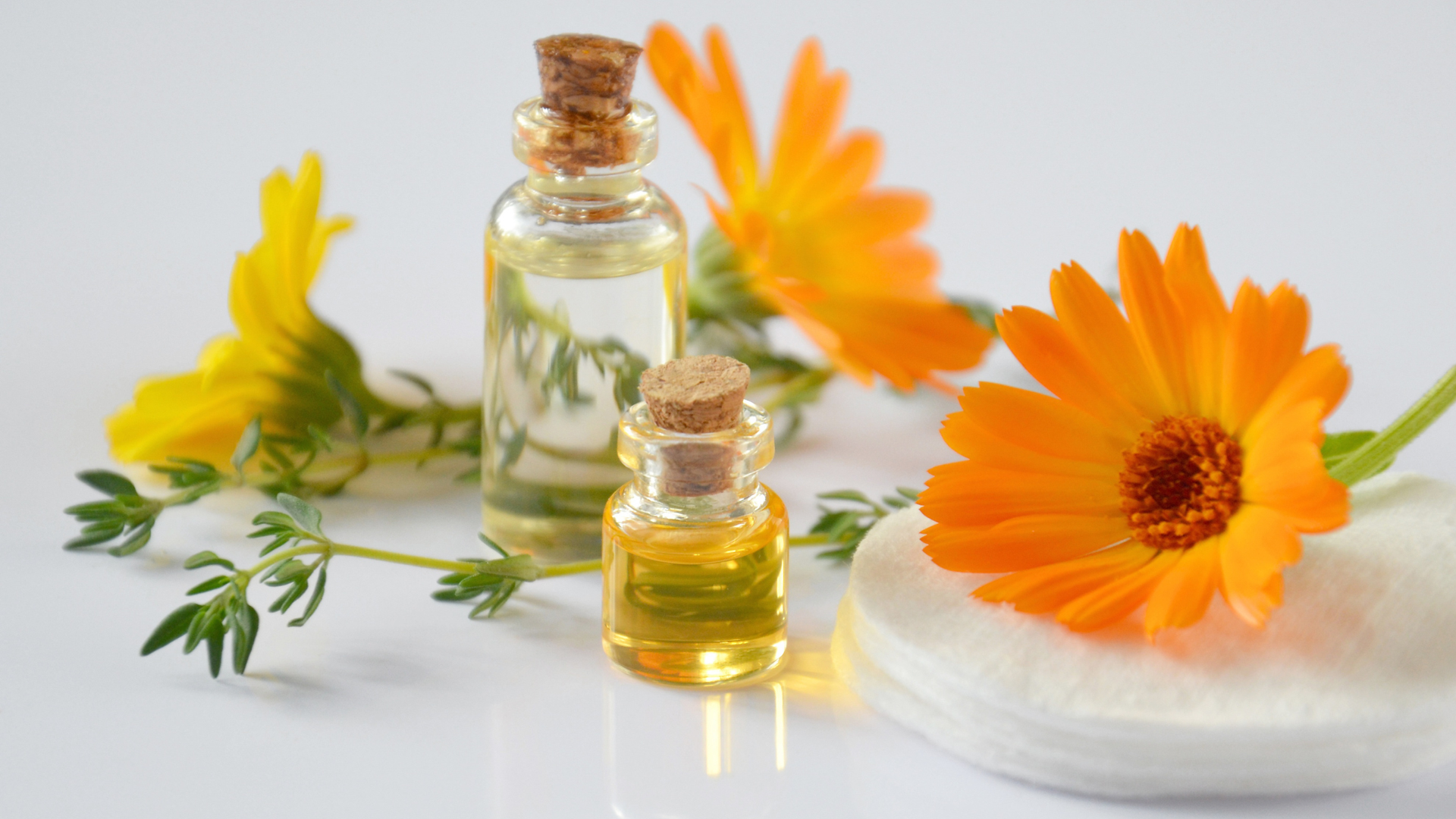
Learn essential oil safety & dilution basics with practical tips. Discover phototoxicity warnings, dilution ratios, and beginner routines for confident, safe use.

Learn to make eco-friendly DIY cleaning tablets with baking soda, citric acid & essential oils for effective, low-toxin home cleaning and reduced plastic waste.
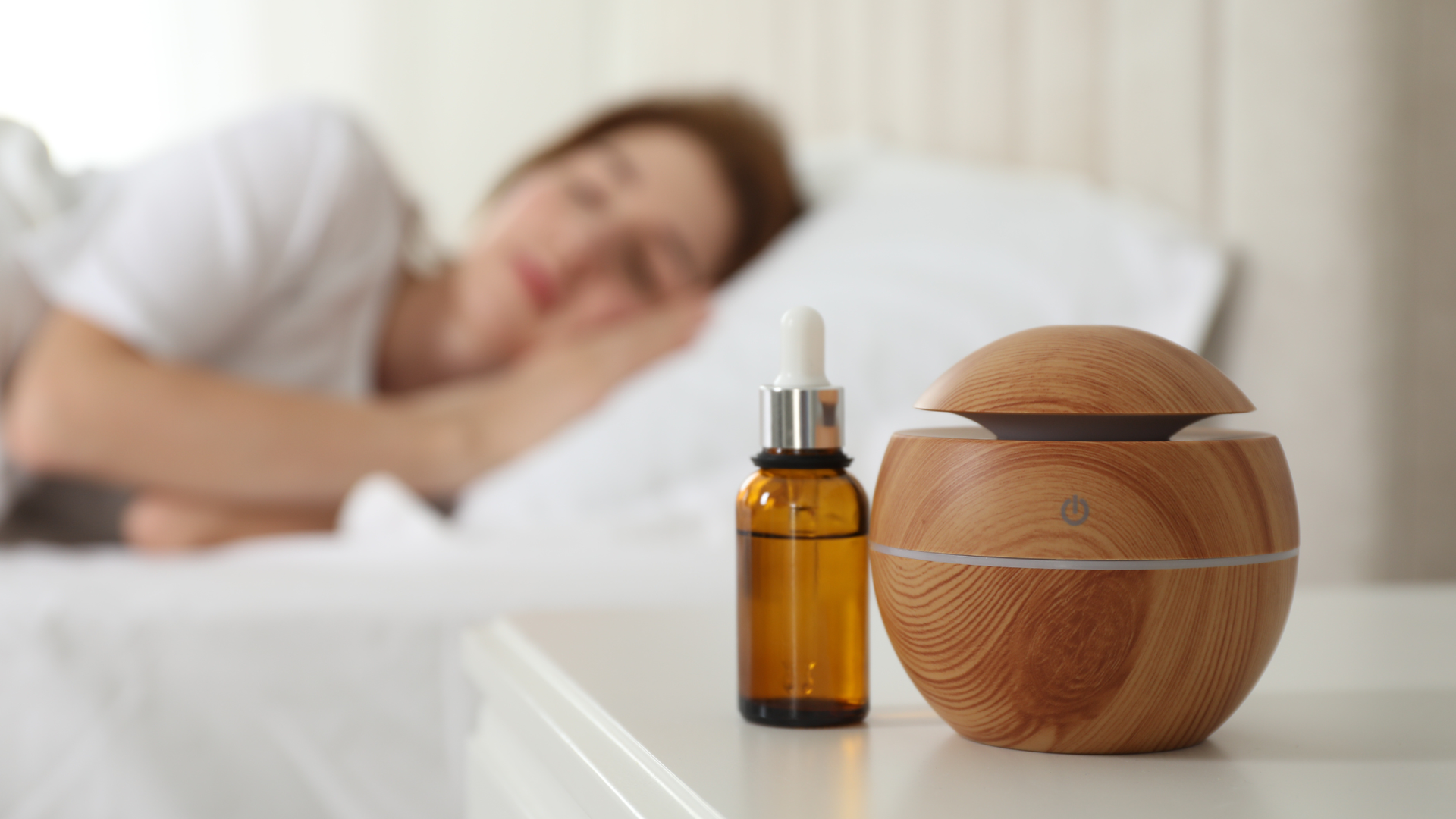
Learn to use essential sleep oils topically or aromatically for a calming bedtime routine. Get practical tips on diffusing, dilution, habit-building.

Unwind overworked joints before bed with a 10-minute essential oil massage. Get dilution tips, techniques, and simple routines for soothing nighttime comfort.
Build a gentle, toxin-free facial care routine with essential oils. Discover safe dilution, patch testing, AM/PM steps and tips for cleaner, healthier skin.

Discover 3 simple essential oil routines to ease work-life stress. Get safety tips and quick scent cues for calm focus and evening wind-downs.
Explore gentle, kid-safe essential oil blends to support your family's cold and flu wellness routines with safe dilution, diffusion tips, and home habits.

Discover a practical monthly menstrual self-care ritual using essential oils, heat, movement, and grounding habits. Safe, realistic tips for comfort and calm.

Kickstart your day with a 10-minute morning ritual using essential oils to support immunity, hydration, hygiene, and stress relief. Simple family tips.