Cultivating Calm: Essential Oil Strategies for Pre-Teen Anxiety
Support your child’s nervous system—gently, consistently, and safely
The pre-teen years can feel like a perfect storm: bigger emotions, heavier school demands, changing friendships, and a body that’s growing fast. If your child is experiencing anxious feelings, you’re not alone—and you’re not “behind.” Many families want natural, low-risk tools that complement healthy routines and professional support when needed.
Essential oils can be one piece of a calm-focused routine when used with proper dilution, mindful diffusion, and realistic expectations. At YL Family in Parker, Colorado, we emphasize education first: what’s safe for kids, what to avoid, and how to build a soothing ritual your pre-teen will actually use.
Important note: Essential oils are not a replacement for medical or mental health care. If your child has panic symptoms, self-harm thoughts, persistent sleep disruption, or anxiety that interferes with school and relationships, talk with a pediatrician or a licensed mental health professional. For safe use, avoid ingesting essential oils, avoid undiluted application to skin, and be cautious with diffusion around children. Guidance from pediatric and reputable clinical sources emphasizes careful dilution (often ~0.5%–2.5% depending on age and context), avoiding eyes/nose/mucous membranes, and avoiding ingestion. (Johns Hopkins Medicine)
Why essential oils can help pre-teens feel calmer (and what they can’t do)
Anxiety isn’t just “worry”—it’s a whole-body experience. A child may describe it as a tight chest, a racing mind at bedtime, stomach discomfort, irritability, or “I don’t know what’s wrong.” Aromatherapy can support calm by pairing a pleasant, consistent scent with a calming activity (slow breathing, a bedtime routine, journaling, stretching). That association can become a reliable cue: “This is my calm moment.”
At the same time, essential oils aren’t a quick fix for ongoing anxiety. Think of them as a supportive tool —especially useful for transitions (after school decompression, homework time, bedtime wind-down, travel, or social situations).
Kid-safe foundations: dilution, diffusion, and “less is more”
Pre-teens (often ages 9–12) can usually tolerate gentle aromatherapy better than toddlers, but safety still matters. Many adverse reactions come from using too much oil, using “hot” oils, or applying undiluted oils directly to skin.
Topical use: aim for gentle dilutions
For kids and teens, reputable guidance commonly suggests low dilution and avoiding sensitive areas. Johns Hopkins notes safe dilutions for children commonly fall in the 0.5%–2.5% range depending on age/weight and situation, and emphasizes not using oils undiluted on skin, not adding undiluted oils to baths, and never ingesting essential oils. (Johns Hopkins Medicine)
Diffusion: use intervals, not all-day scent
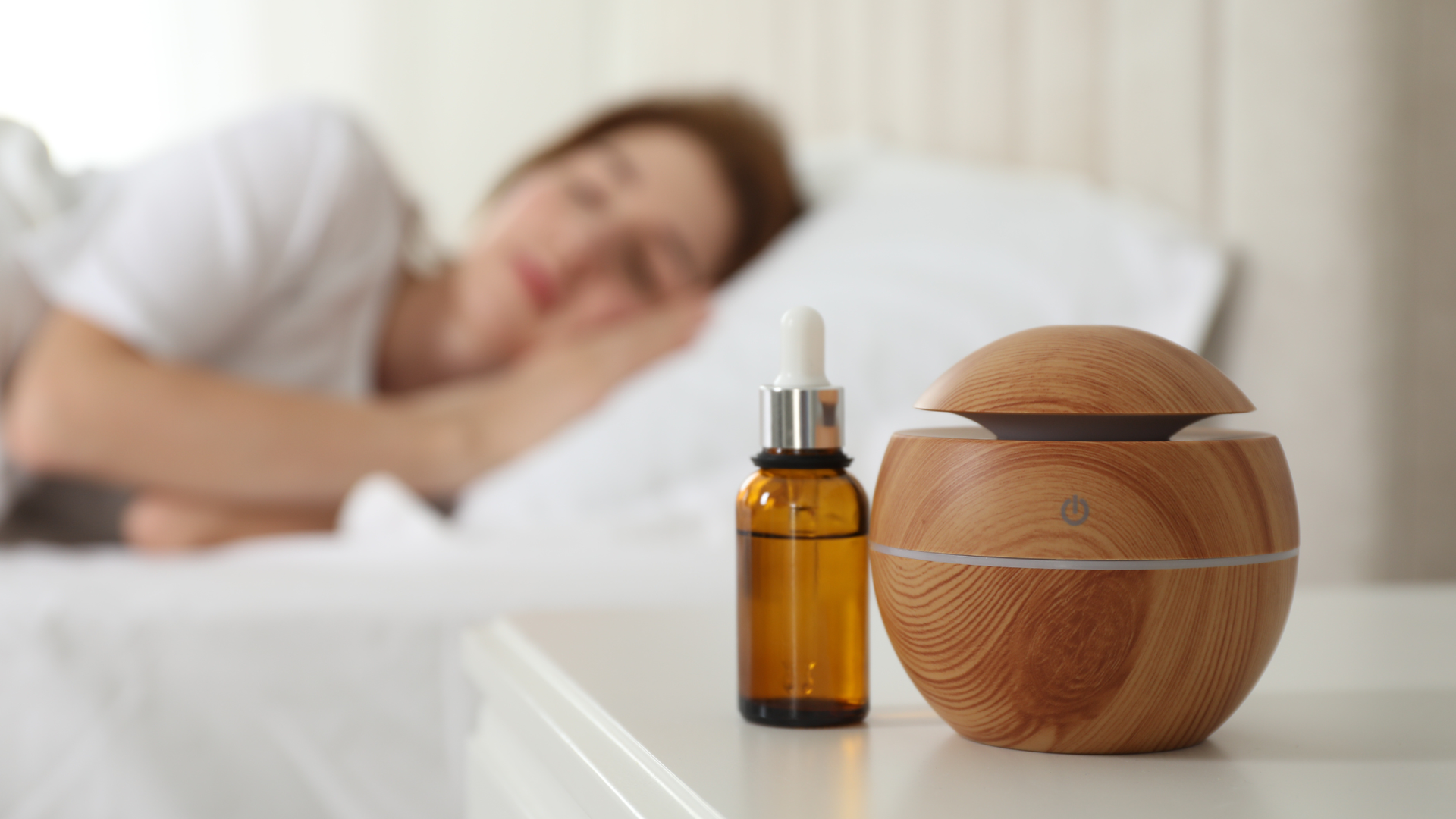
If you diffuse at home, keep it simple: short sessions in a well-ventilated space and allow breaks. Some pediatric guidance cautions that children can be more sensitive than adults, and respiratory symptoms can occur when exposure is too strong. (Johns Hopkins Medicine)
Patch testing: smart for sensitive skin
When trying a new oil or blend topically, use a small patch test first and wait to see if there’s irritation. This is a common safety step recommended by mainstream parenting health sources discussing essential oil use in children. (Healthline)
Child calming blends: practical scent profiles for pre-teen anxiety
Families often search for pre-teen anxiety oils , child calming blends , or essential oils for kids . The best approach is to start with a small set of well-tolerated oils and build a routine around them.
Commonly used calming options (aromatherapy support): lavender and chamomile are frequently used for relaxation; frankincense is also commonly used in calming routines. Johns Hopkins specifically lists lavender and chamomile among oils that may help with anxiety symptoms and lavender for insomnia support. (Johns Hopkins Medicine)
Simple “calm cues” your pre-teen can choose from
Anxiety often rises when kids feel powerless. Offer two or three choices and let them decide:
1) Homework reset: diffuse a gentle calming scent for 20–30 minutes while they unpack, snack, and take 10 slow breaths.
2) Bedtime wind-down: a diluted roll-on applied to outer arms or back of neck (avoiding face/eyes), then lights down and screens away.
3) Before a social event: a personal inhaler (aroma stick) can be a discreet option that doesn’t scent the whole room; Johns Hopkins notes inhalers can help target the user without affecting others nearby. (Johns Hopkins Medicine)
4) After-school decompression: warm shower, comfy clothes, and a brief diffusion session while they journal or color.
Did you know? Calm-building facts that help parents stress less
Quick reference table: diffusion vs topical for pre-teens
| Method | Best for | Pros | Safety notes |
|---|---|---|---|
| Diffusion (intermittent) | Homework reset, bedtime cue, family spaces | Low effort; supports atmosphere and routine | Ventilate, keep sessions short, stop if headaches/coughing/wheezing occur. (Johns Hopkins Medicine) |
| Topical (properly diluted) | Targeted calm cue (bedtime, transitions) | Portable; can be part of a personal “calm kit” | Never undiluted, avoid eyes/face, patch test first; don’t add undiluted oils to bath water; don’t ingest. (Johns Hopkins Medicine) (Healthline) |
| Personal inhaler (aroma stick) | School travel, crowded environments, discreet support | Targets one user; reduces scent exposure for others | Requires cooperation; stop if dizziness or irritation occurs. (Johns Hopkins Medicine) |
Step-by-step: a “Calm Kit” routine for anxious moments
Step 1: Pick a single calming scent
Start with one oil your child likes (scent matters). Lavender is a common starting point for families because it’s widely used for sleep and relaxation routines. (Johns Hopkins Medicine)
Step 2: Choose one delivery method
For pre-teens, a diffuser routine in the bedroom (short intervals) or a properly diluted topical roll-on used sparingly can work well. Keep it consistent for 2–3 weeks so the routine becomes familiar.
Step 3: Pair it with a 60-second nervous-system reset
Try this: inhale gently through the nose for 4 seconds, exhale for 6 seconds. Repeat 5 times. Then ask: “What’s one small thing we can do next?”
Step 4: Track what helps (without making it a big “project”)
Keep a simple note: time of day, trigger, what you used (diffusion or topical), and the result. If irritation, headaches, or respiratory symptoms show up, stop and reassess. (Johns Hopkins Medicine)
Step 5: Know what to avoid
Avoid undiluted oils on skin, avoid ingestion, and be cautious with strong “hot” oils. Also avoid stacking multiple products with oils at the same time (e.g., lotion + roll-on + diffuser) because total exposure adds up quickly. (Johns Hopkins Medicine)
Local angle: supporting calm for families in Colorado (and across the United States)
In Colorado, seasonal changes, dry winter air, and busy school/sports schedules can make routines feel extra stretched. A calm routine works best when it’s easy to repeat—even during hectic weeks. Consider placing a diffuser where it won’t be knocked over, choosing a pre-teen-approved scent, and keeping a simple “reset ritual” for after school.
If your child is sensitive to scents, start with very short diffusion sessions in a ventilated room, and let your child be the “boss” of the off switch. Empowerment is calming.
Shop supportive wellness tools (when you’re ready)
If you’d like help building a gentle, kid-appropriate calming routine—whether that means a single oil, a simple diffuser ritual, or family-friendly wellness staples—YL Family can guide you toward options that fit your home and your comfort level.
FAQ: Essential oils for kids and pre-teen anxiety
What are the best essential oils for kids who feel anxious?
Many families start with lavender and chamomile because they’re commonly used for relaxation routines. Johns Hopkins lists lavender and chamomile among oils that may help with anxiety symptoms, and lavender for insomnia support. (Johns Hopkins Medicine)
Are “child calming blends” safe for pre-teens?
They can be, but safety depends on what’s in the blend, the child’s sensitivity, and how it’s used. Look for clear labeling, avoid applying undiluted oils to skin, and keep topical use in a low dilution range. If your child has asthma, allergies, or sensitive skin, start extra cautiously and consult your pediatrician. (Johns Hopkins Medicine)
Can my child apply oils themselves?
Many pre-teens can with supervision, especially when you keep the routine simple (one product, clear rules). Teach them: “never in the mouth,” “never near eyes,” “one small application,” and “tell an adult if it burns or feels weird.” Johns Hopkins emphasizes avoiding ingestion and avoiding eyes/ears/nose. (Johns Hopkins Medicine)
What’s the safest way to use essential oils for pre-teen anxiety?
For many families, intermittent diffusion in a ventilated room or a properly diluted topical option used sparingly works well. Aroma sticks can also target one person without filling a room with scent. (Johns Hopkins Medicine)
What signs mean we should stop using an oil?
Stop immediately if you notice skin irritation/rash, headaches, nausea/vomiting, coughing, wheezing, or difficulty breathing—and contact your child’s clinician if symptoms are significant. Johns Hopkins lists these as potential adverse reactions and emphasizes not replacing medical care. (Johns Hopkins Medicine)
Glossary (helpful terms for parents)
Dilution: Mixing essential oil into a carrier (like a carrier oil or lotion) so it’s safer for skin. This matters because essential oils are highly concentrated. (Johns Hopkins Medicine)
Carrier oil: A neutral oil used to dilute essential oils for topical application (example: fractionated coconut oil). It helps reduce the risk of irritation.
Diffusion: Dispersing essential oils into the air (often with an ultrasonic diffuser). For kids, shorter, well-ventilated sessions are typically safer than continuous diffusion. (Johns Hopkins Medicine)
Patch test: Trying a small amount of a diluted oil on a small area of skin to check for irritation before regular use. (Healthline)