Essential Oils to Support Healthy Blood Sugar Levels (Safely): A Practical, Whole-Body Approach
Metabolic balance isn’t one single trick—it's a set of supportive daily habits
If you’re searching for blood sugar support , you’ve probably noticed how interconnected everything feels: stress affects cravings, sleep affects energy, and energy affects movement—then the whole cycle repeats. Essential oils can be a helpful part of a routine for natural metabolic balance , especially when you use them to support the lifestyle pillars that matter most: consistent movement, stress regulation, restorative sleep, and better daily choices. This guide shares safe, practical ways to use essential oils for blood sugar support as part of a bigger wellness plan—without overpromising.
Important note: Essential oils are not a treatment for diabetes and are not a substitute for medical care. If you take glucose-lowering medication, are pregnant/nursing, or have ongoing symptoms (fatigue, frequent thirst/urination, dizziness, blurred vision), talk with your clinician before adding new supplements or changing routines.
What “blood sugar support” really means day-to-day
When people say they want “stable blood sugar,” they usually want fewer energy crashes, steadier appetite, and fewer intense cravings. Clinically, blood sugar stability is shaped by a handful of core inputs:
- Movement: Muscles use glucose for fuel; regular activity improves insulin sensitivity. (Many guidelines recommend around 150 minutes/week of moderate exercise.)
- Stress: Chronic stress can raise cortisol, which can push glucose higher and increase cravings.
- Sleep: Poor sleep can worsen insulin resistance and increase hunger signals.
- Nutrition patterns: Balanced meals (protein + fiber + healthy fats) help reduce sharp spikes and dips.
Essential oils can support the habits that influence these pillars—like winding down for sleep, reducing stress reactivity, or staying consistent with movement—especially when paired with simple, repeatable routines. Evidence-based lifestyle guidance from trusted medical organizations emphasizes these same foundations. ( mayoclinic.org)
How essential oils can fit into a metabolic wellness routine
When people search “ essential oils blood sugar ,” they often expect a direct effect on glucose. The more realistic, sustainable role for oils is supporting the habits that improve your body’s glucose handling:
Stress resilience
Aroma routines can help you downshift from “wired” to calm, making it easier to choose balanced meals and stick with movement.
Sleep routines
Better sleep is strongly tied to appetite regulation and glucose control—oils can cue your brain that bedtime is safe and consistent.
Daily consistency
A routine you actually repeat beats a perfect plan you abandon. Oils can be a “habit anchor” for hydration, meal prep, walking, or stretching.
Step-by-step: essential oil routines that support natural metabolic balance
Below are routines focused on the most “leveraged” lifestyle areas: stress, sleep, and movement. Choose one routine and practice it daily for 2 weeks before adding another.
1) The “after-meal reset” (supports walking consistency)
2) The “craving pause” (supports mindful choices)
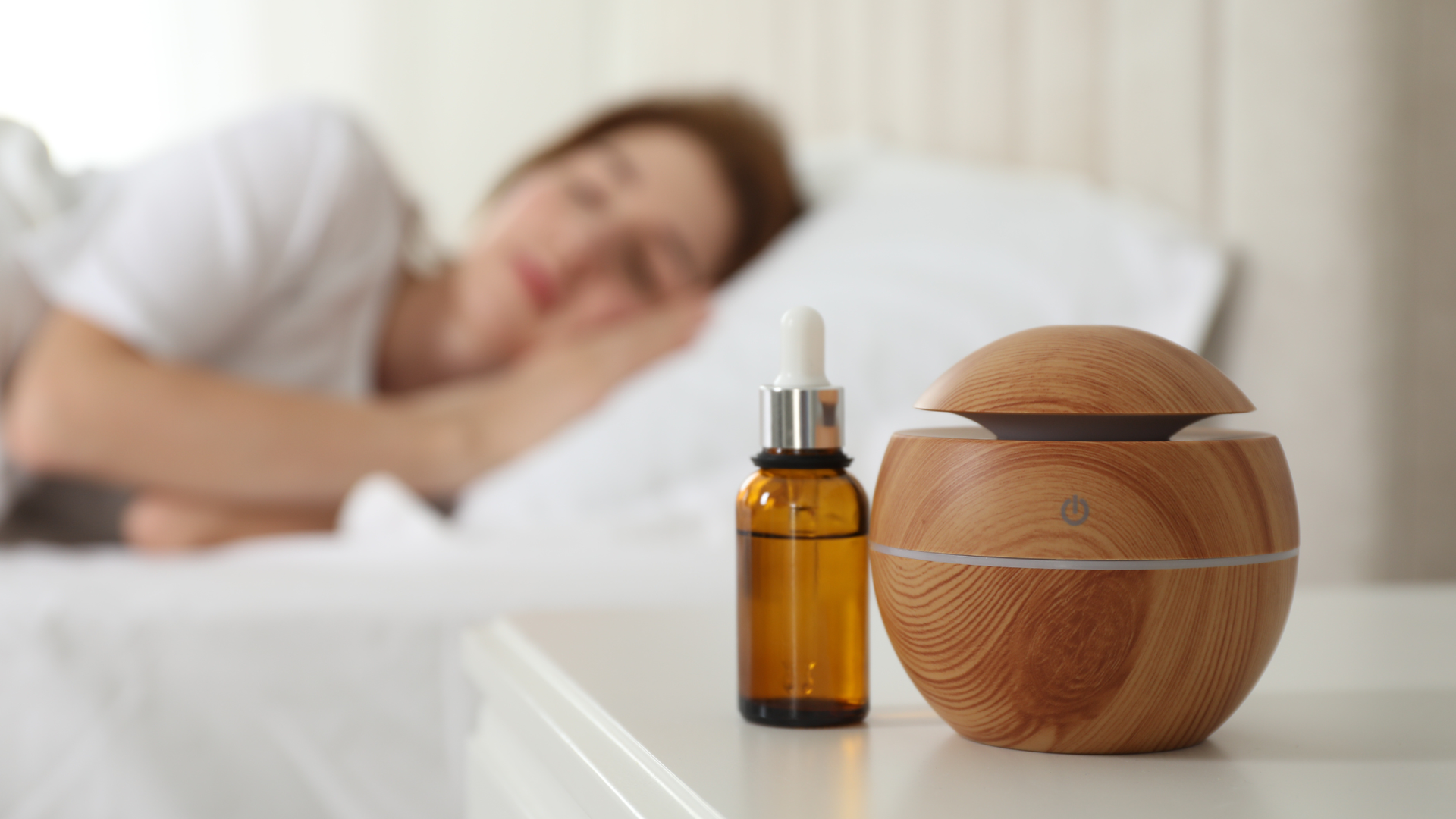
3) The “bedtime cue” (supports sleep quality)
Safety first: topical use, diffusion, and internal use
Safe use matters—especially when you’re building routines for the whole family. Always read each product label and start with the lowest amount possible.
Quick safety rules
- Patch test new oils and avoid eyes/inner ears and broken skin.
- Dilute “hot oils” (like cinnamon-type oils) before topical use; follow label instructions.
- Go slow with diffusion when oils are new; shorter sessions are often recommended at first.
- Internal use: Only consider internal use if the label specifically supports it, start very low, and do not exceed label guidance.
Young Living’s published safety guidelines emphasize reading labels, diluting when indicated, limiting diffusion time when oils are unfamiliar, and using caution with internal use (including not ingesting oils that aren’t labeled for it). ( youngliving.com)
Quick “Did you know?” facts for steadier energy
Post-meal movement matters. Even light activity can support healthier blood sugar patterns, and the effect can extend beyond the workout itself. ( mayoclinic.org)
Stress is metabolic. Chronic stress can raise cortisol, which may raise blood sugar—so stress management is a real blood sugar strategy, not a “nice-to-have.” ( americandiabetessociety.org)
Sleep is a lever. Poor sleep can disrupt hormones that regulate hunger and blood sugar; improving sleep hygiene can support more stable cravings and energy. ( americandiabetessociety.org)
A simple “metabolic balance” checklist (print-friendly)
| Daily lever | What to aim for | How essential oils can help |
|---|---|---|
| Movement | Short walks + strength training through the week | A scent cue before walks or workouts to build consistency |
| Stress | Small daily resets (breathwork, stretching, prayer/meditation) | Aromatic routine paired with breathwork to downshift |
| Sleep | Consistent wind-down routine and regular sleep schedule | Diffusion as a bedtime “signal” your brain learns |
| Meals | Protein + fiber each meal; fewer added-sugar drinks | A craving-pause ritual before snacking; mindful eating cue |
If you’re working on nutrition, one of the most impactful first steps many clinicians recommend is reducing sugar-sweetened beverages and building balanced meals. ( eatingwell.com)
Local angle: making routines stick across the United States
No matter where you live in the U.S., the biggest barrier to steady blood sugar habits is often consistency—not information. Use your environment to your advantage:
Winter & early sunsets
Pair a short indoor mobility routine with a diffuser “start” cue. Ten minutes is enough to keep momentum until longer workouts return.
Busy family schedules
Keep the habit small: “walk to the end of the street and back after dinner,” then expand once it’s automatic.
Travel & weekends
Take your routine with you: a tissue or inhaler stick can be your portable “craving pause” or “wind-down” cue.
Want help choosing a simple blood sugar support routine?
YL Family helps individuals and families build practical, repeatable wellness routines with high-quality essential oils and clean-living products—so you can focus on consistency, not confusion.
FAQ: Essential oils and healthy blood sugar routines
Can essential oils lower blood sugar?
Essential oils are best viewed as supportive tools for the habits that influence blood sugar (stress regulation, sleep routines, and movement consistency). If you need direct blood sugar management, work with your clinician and follow a structured plan.
Is it safe to ingest essential oils for metabolic support?
Only ingest an essential oil if the label specifically indicates it’s intended for internal use, and follow the label exactly. Start with very small amounts and avoid oils that should never be ingested. When in doubt, stick with aromatic or properly diluted topical use. ( youngliving.com)
What’s the safest way to start if I’m new to oils?
Start with aromatic use (tissue or diffuser) and one new oil at a time. Keep diffusion sessions short at first, and always read label directions for topical dilution and warnings. ( youngliving.com)
What habits help most with blood sugar stability?
Consistent movement (including walking and strength training), stress management, and good sleep are repeatedly highlighted as high-impact lifestyle strategies for healthier glucose patterns. ( mayoclinic.org)
Glossary