
Targeted Blends for Scalp Health and Hair Growth
February 5, 2026
A practical, clean-living approach to a healthier scalp—without guesswork
A calm, balanced scalp is the foundation for strong-looking hair. When the scalp is irritated, overly oily, too dry, or congested with product buildup, it can affect how hair feels, how it looks, and how confident you feel day to day. At YL Family
, we keep things simple: choose targeted essential oil blends, dilute properly, apply consistently, and support the basics (sleep, stress resilience, hydration, and gentle routines) so your scalp can do its job well.
Main breakdown: what “scalp health” actually means
Scalp health is less about chasing a single “miracle” ingredient and more about keeping your scalp’s skin barrier steady and comfortable. Most people fall into one (or more) of these common patterns:
Essential oils can be a helpful tool for scalp comfort and routine support, but consistency and safe dilution matter far more than using “more drops.”
Dry, tight, flaky scalp
(often worsened by hot showers, harsh shampoos, winter air, or over-washing)
Oily scalp
(can feel “greasy” quickly and may be paired with buildup)
Itchy/irritated scalp
(often linked to sensitivity, fragranced products, or overuse of actives)
Visible flakes
(sometimes dandruff, sometimes dryness—your approach changes depending on which it is)
Thinning or shedding concerns
(may be lifestyle-related, seasonal, hormonal, stress-related, or genetic)
Context: what the research suggests (and what it doesn’t)
It’s normal to see bold claims online about oils “guaranteeing” new growth. The more honest picture is: some oils show promise, but results depend on your underlying cause and your routine.
If you have sudden shedding, patchy hair loss, scalp pain, or scalp sores, it’s worth checking in with a licensed clinician or dermatologist—those can be signs of conditions that need targeted medical care.
Rosemary oil:
A randomized comparative study found rosemary oil performed similarly to 2% minoxidil for androgenetic alopecia outcomes after 6 months, with less scalp itching reported in the rosemary group. (Results were not dramatic at 3 months; consistency matters.)
Tea tree oil:
A clinical trial using a 5% tea tree oil shampoo showed improvement in dandruff severity scores compared to placebo over 4 weeks.
Peppermint oil:
Evidence for hair growth is largely from animal research (e.g., a mouse study using 3% peppermint oil topically). It’s interesting, but not the same as a human clinical trial—so treat it as “promising,” not “proven.”
Targeted blend “recipes” (diluted, scalp-friendly options)
These blend ideas are designed for routine scalp support
and can be adjusted based on sensitivity. Always start lower if you’re new to topical oils.
1) “Calm + Comfort” blend (dry/itchy-feeling scalp)
In 1 tablespoon (15 mL) carrier oil:
1–2 drops lavender + 1 drop frankincense (optional).
How to use: Massage into scalp lightly, leave on 20–60 minutes, then shampoo. Use 1–2x/week.
How to use: Massage into scalp lightly, leave on 20–60 minutes, then shampoo. Use 1–2x/week.
2) “Fresh Scalp” blend (oily/buildup-prone scalp)
In 1 tablespoon (15 mL) carrier oil:
1 drop tea tree + 1 drop rosemary.
How to use: Massage along the scalp line and crown. Leave 15–30 minutes, then shampoo thoroughly. Use up to 1x/week.
How to use: Massage along the scalp line and crown. Leave 15–30 minutes, then shampoo thoroughly. Use up to 1x/week.
3) “Growth-Support Routine” blend (thin-feeling areas / seasonal shedding support)
In 1 tablespoon (15 mL) carrier oil:
2 drops rosemary + 1 drop cedarwood (optional) + 1 drop peppermint (optional, sensitizing for some).
How to use: Apply to targeted areas (part line, temples, crown). Massage 2–3 minutes. Leave 30–60 minutes, then shampoo. Use 2–3x/week for 8–12 weeks, then reassess.
How to use: Apply to targeted areas (part line, temples, crown). Massage 2–3 minutes. Leave 30–60 minutes, then shampoo. Use 2–3x/week for 8–12 weeks, then reassess.
Safety note:
Essential oils should be diluted for scalp use and patch tested first, especially if you have sensitive skin. If irritation occurs, wash off and discontinue.
Quick “Did you know?” facts
Scalp massage counts.
Gentle, consistent massage can support circulation and helps distribute oils evenly (without flooding the skin).
Dandruff isn’t always “dryness.”
True dandruff is often linked to scalp yeast and oil balance—so moisturizing alone may not solve it.
More drops can backfire.
Over-concentrated oils can irritate the scalp barrier, which may worsen itchiness and shedding.
Step-by-step: a weekly scalp routine that’s easy to stick with
Step 1: Pick your “why”
Choose one primary goal for 4–6 weeks: comfort, flakes, oil control, or growth support. Stacking multiple strong oils at once often creates irritation.Step 2: Dilute like a pro
Start with a low dilution: 1–2 drops essential oil per 1 tablespoon (15 mL) carrier . If your scalp tolerates it well, you can increase slightly, but keep it gentle.Step 3: Apply to scalp, not hair lengths
Part hair into sections and place tiny amounts directly on the scalp. Your ends usually need conditioner, not essential oils.Step 4: Massage 2–3 minutes
Use fingertips (not nails). Think “move the skin,” not “scrub the skin.”Step 5: Wash out thoroughly
Double-shampoo if needed, especially if you’re using thicker carriers. Residue can mimic “oily scalp” and trigger more itching.Step 6: Track small wins
Look for less itch, fewer flakes, and improved scalp comfort first. Visible changes in density often take longer.Quick comparison table: match the blend to your scalp
Scalp pattern
Top oil focus
Best-use method
Frequency
Dry/itchy-feeling
Lavender (gentle support)
Pre-shampoo scalp massage + wash out
1–2x/week
Flakes with oiliness
Tea tree (targeted cleansing)
Short contact time + thorough shampoo
Up to 1x/week
Thinning concerns
Rosemary (routine support)
Targeted scalp massage + consistency
2–3x/week
Tip: If you’re not sure which pattern you are, start with the gentlest option (“Calm + Comfort”) for 2 weeks and evaluate.
Local angle: healthy-hair habits that help across the United States
Across the United States, seasonal shifts can make scalp symptoms feel unpredictable—dry winter air, summer sweat, and frequent hat/helmet use can all change what your scalp needs. A few simple adjustments can keep things steadier:
Winter:
Reduce very hot showers, keep pre-shampoo oiling lighter, and focus on comfort blends.
Summer:
Rinse scalp after heavy sweating and use shorter oil contact times to avoid buildup.
Year-round:
If you use dry shampoo often, add a weekly “reset wash” day to prevent congestion.
Shop your scalp-support essentials
Ready to build a simple routine with high-quality, plant-powered options? Shop curated wellness products and essential oils through YL Family—so you can keep your routine clean, consistent, and supportive for the whole household.
Helpful add-ons for a “routine you’ll actually use”:
FAQ: scalp health oils & hair growth routines
How long does it take to see results from essential oil scalp routines?
For comfort (less itch/tightness), some people notice changes within 1–2 weeks. For visible fullness changes, it’s more realistic to track consistency over 8–12 weeks, and longer for genetics-related thinning.
Can I apply essential oils directly to my scalp?
It’s safer to dilute. Direct application can irritate the scalp barrier and increase the risk of sensitization over time. Start low, patch test, and increase only if you tolerate it well.
What carrier oil is best for scalp health?
Many people like lighter carriers (like jojoba) for oily scalps and slightly richer carriers (like fractionated coconut) for dry scalps. If buildup is a problem, choose lighter textures and shorten contact time.
Is rosemary oil “as good as” minoxidil?
A study found rosemary oil and 2% minoxidil had similar hair count improvements at 6 months in androgenetic alopecia, but neither showed significant change at 3 months. Results vary, and irritation risk still exists with any topical.
When should I get medical advice for hair loss or scalp symptoms?
If you have sudden shedding, patchy bald spots, scalp pain/burning, bleeding, sores, or symptoms that persist despite gentle care, a clinician or dermatologist can help you identify the cause and best next steps.
Glossary (helpful terms)
Carrier oil:
A neutral oil (like jojoba or fractionated coconut oil) used to dilute essential oils for safer skin/scalp application.
Patch test:
A small test application (typically on the inner arm) to check for irritation before using a product more broadly.
Androgenetic alopecia (AGA):
A common pattern of hair thinning influenced by genetics and hormones.
Skin barrier:
The outer layer of skin that helps retain moisture and protect from irritants; irritation often worsens when the barrier is disrupted.
Buildup:
Accumulated product, oils, and dead skin that can make the scalp feel itchy, heavy, or greasy.

Discover teen-friendly bedtime routines with gentle essential oils for 8–10 hours of sleep. Try simple wind-down steps for calmer nights and rested mornings.
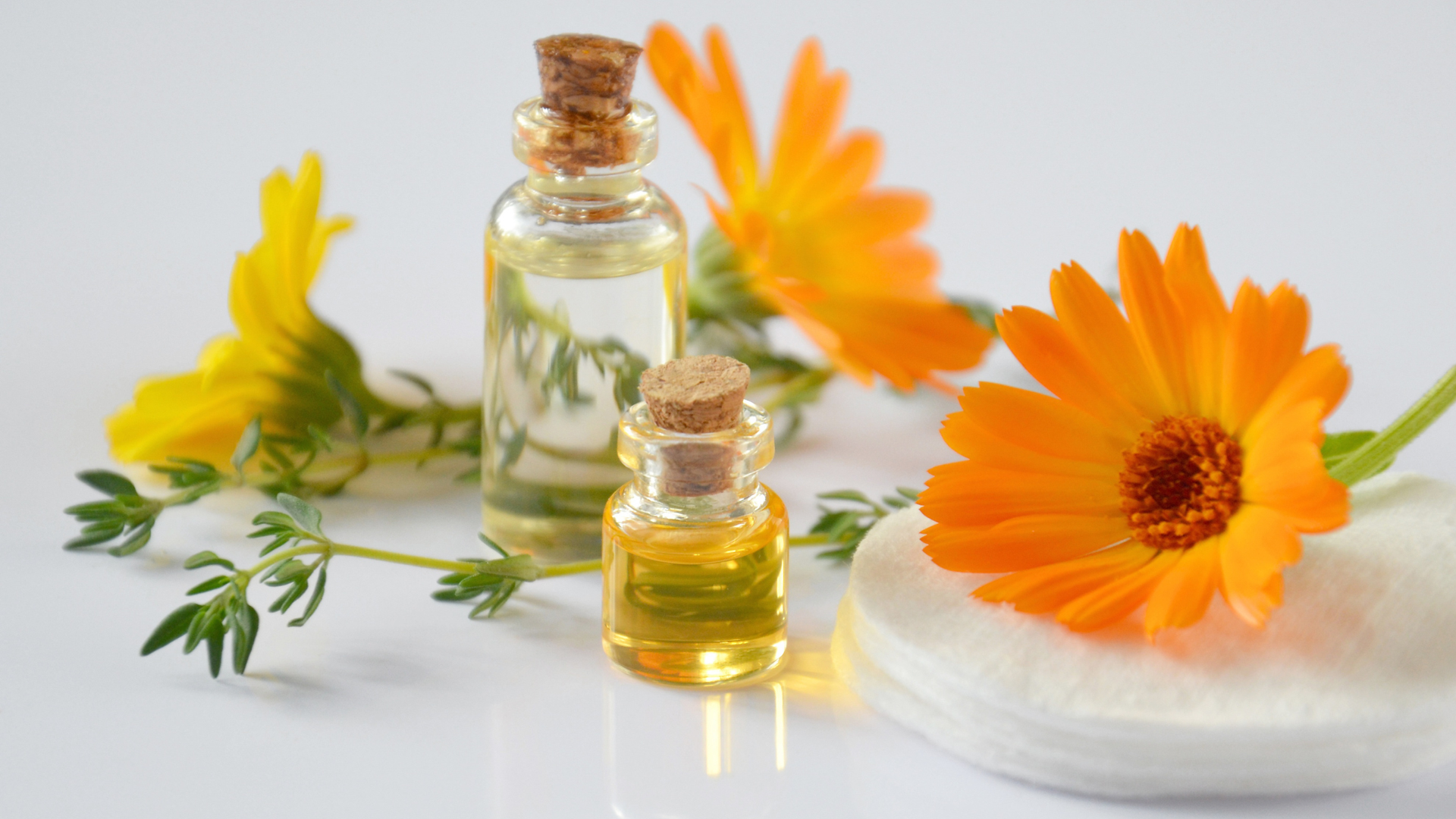
Learn essential oil safety & dilution basics with practical tips. Discover phototoxicity warnings, dilution ratios, and beginner routines for confident, safe use.

Learn to make eco-friendly DIY cleaning tablets with baking soda, citric acid & essential oils for effective, low-toxin home cleaning and reduced plastic waste.
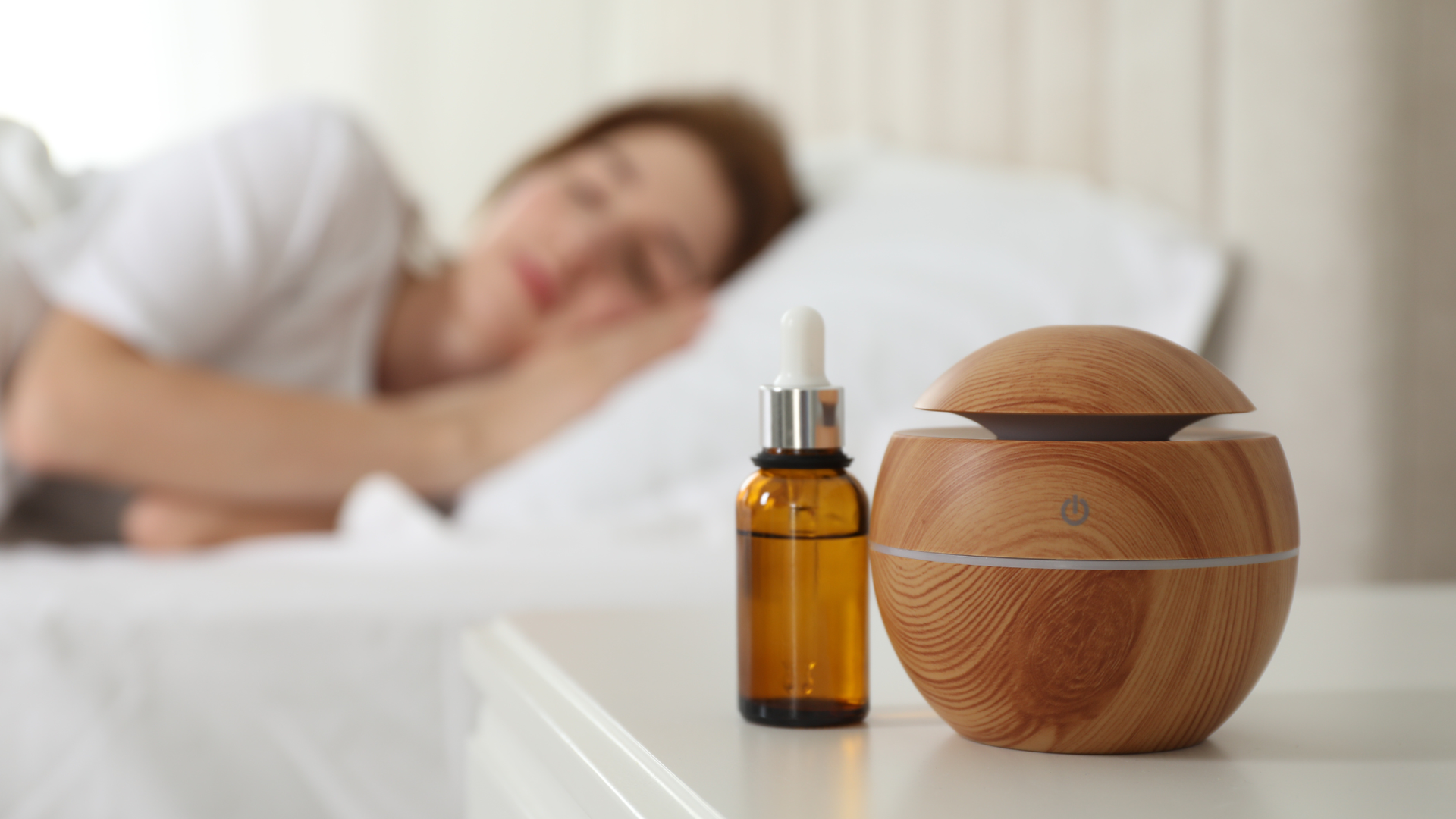
Learn to use essential sleep oils topically or aromatically for a calming bedtime routine. Get practical tips on diffusing, dilution, habit-building.
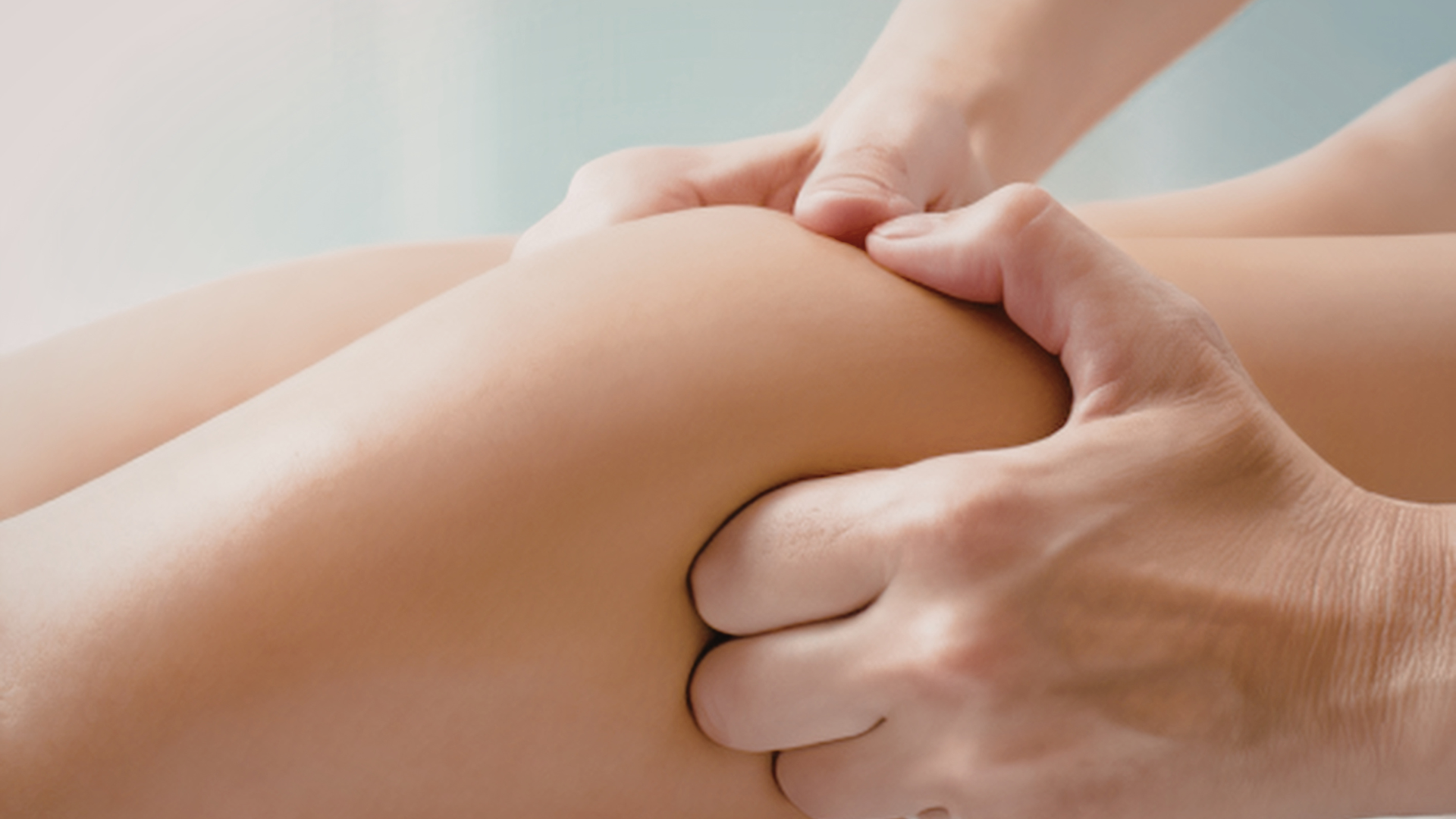
Unwind overworked joints before bed with a 10-minute essential oil massage. Get dilution tips, techniques, and simple routines for soothing nighttime comfort.
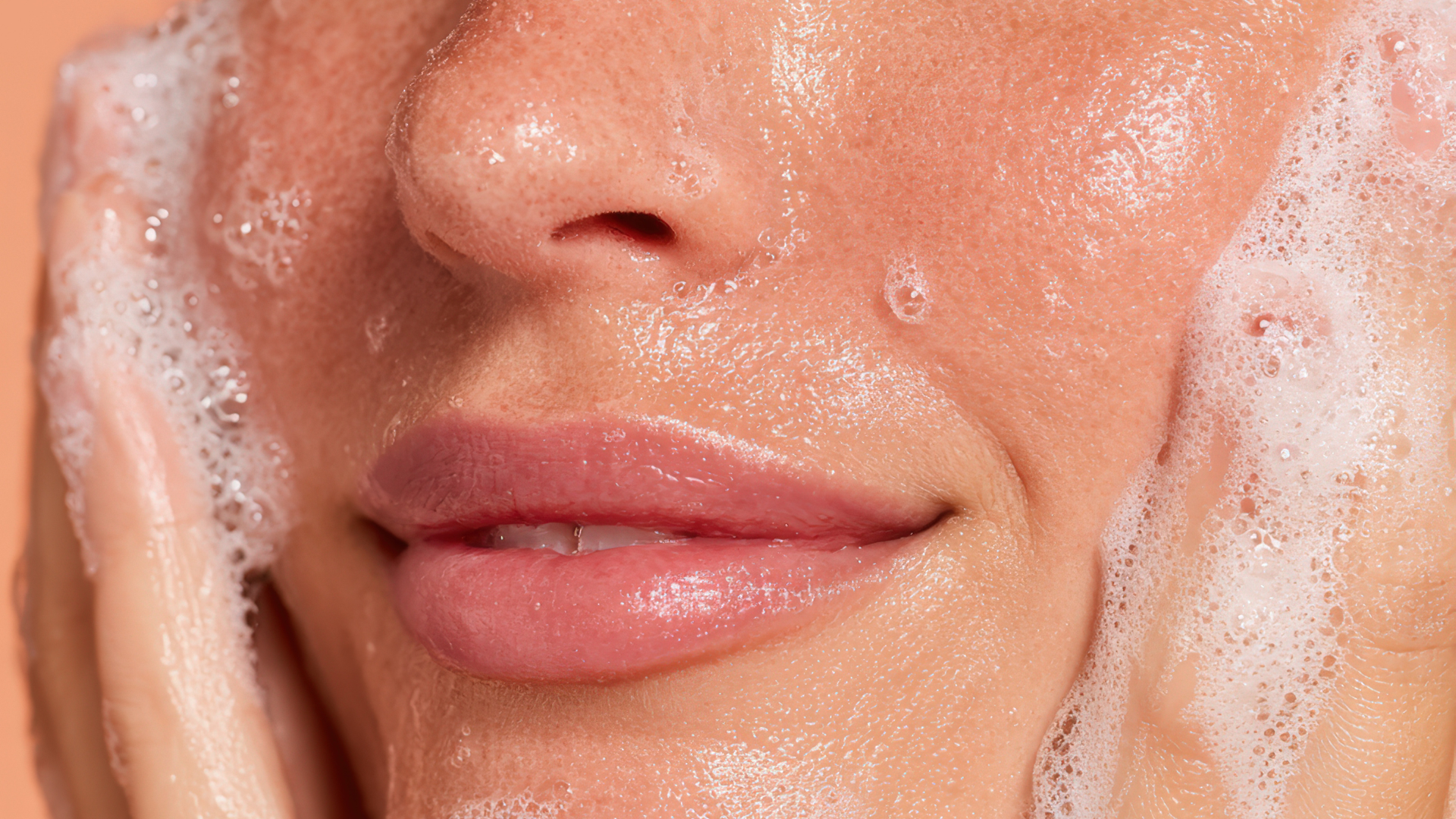
Build a gentle, toxin-free facial care routine with essential oils. Discover safe dilution, patch testing, AM/PM steps and tips for cleaner, healthier skin.

Discover 3 simple essential oil routines to ease work-life stress. Get safety tips and quick scent cues for calm focus and evening wind-downs.
Explore gentle, kid-safe essential oil blends to support your family's cold and flu wellness routines with safe dilution, diffusion tips, and home habits.

Discover a practical monthly menstrual self-care ritual using essential oils, heat, movement, and grounding habits. Safe, realistic tips for comfort and calm.

Kickstart your day with a 10-minute morning ritual using essential oils to support immunity, hydration, hygiene, and stress relief. Simple family tips.