
Essential Oils for Mental Clarity and Focus: Practical Blends, Safer Methods, and Daily Routines
January 14, 2026
Support focus without the “wired” feeling
Busy schedules, constant notifications, and mental load can make it feel hard to stay sharp—especially for parents, caregivers, and wellness-minded adults juggling a lot at once. While essential oils aren’t a “quick fix,” many people enjoy them as part of a supportive routine for mood, attention, and a clearer headspace—particularly through aroma (inhalation) and properly diluted topical use.
Below is a practical, safety-forward guide to “mental clarity oils” and focus blends: what tends to work best for different moments of the day, how to use them responsibly, and simple ways to build them into real life.
Below is a practical, safety-forward guide to “mental clarity oils” and focus blends: what tends to work best for different moments of the day, how to use them responsibly, and simple ways to build them into real life.
What “mental clarity” aromatherapy is (and what it isn’t)
When people talk about cognitive support
with essential oils, they’re usually aiming for one (or more) of these outcomes:
Alert focus:
feeling awake, present, and ready to think
Calm concentration:
reducing “mental noise” so it’s easier to stay on task
Mood support:
feeling more upbeat or steady during the day
Aromatherapy is most often used by inhaling essential oils or applying them to skin in a diluted form. Safety and realistic expectations matter—research is still developing, and results can vary by person, scent preference, and context. ( nccih.nih.gov)
Top essential oils commonly used for focus blends
Rosemary
Often chosen for “study mode.” One randomized trial found rosemary aroma was associated with improved aspects of memory quality compared to controls, alongside mood differences. ( pubmed.ncbi.nlm.nih.gov)
Peppermint
Popular for an energizing, crisp scent profile—especially mid-morning or early afternoon. Many people like peppermint as a “reset” aroma during mental fatigue.
Lemon (and other bright citrus)
Often used to create an uplifting environment. NCCIH notes a study where lemon aroma positively affected mood (even though stress indicators didn’t change). ( nccih.nih.gov)
Lavender
Typically used for calm and emotional steadiness. Recent research suggests lavender inhalation may influence attention/cognitive flexibility measures in healthy adults, though outcomes can depend on task and context. ( pubmed.ncbi.nlm.nih.gov)
Tip: Your brain can strongly associate a scent with a state. When you pair one aroma with one activity (for example, “rosemary + desk work”), it can become a helpful cue over time.
Did you know? Quick facts that make oils easier to use well
Less can be more
Many aromatherapy blends are used at low dilution levels (often 1–5% for adults), and higher concentrations can increase the chance of irritation. ( naha.org)
“Neat” isn’t the goal
Undiluted use can raise the risk of sensitization or skin reactions over time—dilution and patch testing are smart habits. ( aromaweb.com)
Aromatherapy isn’t one-size-fits-all
Scent preference, expectation, and environment can influence how people respond to an aroma experience. ( pubmed.ncbi.nlm.nih.gov)
Quick comparison: Which “focus blend” style fits your day?
| Moment | Best scent direction | Why people like it | Simple use method |
|---|---|---|---|
| Morning start | Peppermint + citrus | “Wake up” vibe, bright atmosphere | Diffuse 15–30 minutes |
| Deep work block | Rosemary-forward blend | Commonly used for memory/mental stamina | Aroma inhaler or diffuser |
| Stressful afternoon | Lavender + gentle citrus | Calm concentration; less “frazzled” | Roll-on (diluted) + slow breathing |
| Evening wind-down | Lavender or soft floral | Supports a quieter environment | Diffuse briefly, then stop |
Note: If you’re using citrus oils topically, check phototoxicity guidance and sun exposure precautions (varies by oil and product). When in doubt, choose inhalation or apply only to covered areas.
How to use essential oils for focus (step-by-step)
1) Start with inhalation for a “clean” routine
Inhalation is one of the most common ways essential oils are used in aromatherapy. ( nccih.nih.gov) Use a diffuser in a well-ventilated room for short sessions (for example, 15–30 minutes), then take a break. This helps prevent scent fatigue and keeps the aroma feeling purposeful.
2) Create a “desk blend” that matches your work style
Try one of these scent profiles:
Option A: Bright & Driven
Peppermint + lemon for an uplifting, energetic workspace.
Option B: Steady & Study-Friendly
Rosemary + a hint of citrus for a clean, “clear head” feel. Research has observed rosemary aroma effects on cognition and mood in healthy adults. ( pubmed.ncbi.nlm.nih.gov)
Option C: Calm Concentration
Lavender + gentle citrus when you want focus without intensity. Lavender inhalation has been studied in relation to attention and cognitive flexibility measures. ( pubmed.ncbi.nlm.nih.gov)
3) Use a properly diluted roll-on for “on-the-go” moments
For adults, many aromatherapy organizations and educators commonly reference topical dilutions in the 1–5%
range depending on the situation and sensitivity. ( naha.org) If you’re newer to oils or have sensitive skin, start lower, patch test, and avoid applying to irritated or broken skin. ( naha.org)
Simple routine:
Apply to wrists or back of neck (covered areas if using citrus), then take 5 slow breaths—inhale through the nose, longer exhale through the mouth.
4) Keep safety “non-negotiables” in place
• Avoid undiluted (“neat”) application—sensitization can develop even if you’ve tolerated it before. ( aromaweb.com)
• Patch test new oils/blends and discontinue if irritation occurs. ( aromaweb.com)
• Be cautious with use around kids, pets, or anyone with respiratory sensitivities—choose ventilation and shorter sessions.
• Ingestion carries risk and should only be done under qualified guidance. ( verywellhealth.com)
A practical “cognitive support” routine for real life
If you’re building consistency (especially for busy households), try this rhythm:
Small, repeatable habits usually beat complicated protocols.
Morning (10–20 minutes):
Diffuse a bright blend while you make breakfast or plan the day.
Midday (2 minutes):
Aroma inhaler “reset” between meetings, school pickup, or errands.
Afternoon (10–15 minutes):
Switch to a calmer profile if stress is creeping in.
Evening:
Keep aromas lighter—less stimulation tends to feel better close to bedtime.
Local angle: creating a focus-friendly home environment in the United States
Across the U.S., “focus” challenges often come from the environment as much as the workload—seasonal schedule shifts, indoor air being drier in winter, and screen-heavy routines can all contribute to mental fatigue. Essential oils can be a simple way to make your space feel more intentional, especially when paired with basics that support clarity:
If your household includes kids or teens, keep diffusion sessions shorter and use gentler scent profiles in shared spaces.
• Open a window for a few minutes daily (when weather allows) before diffusing.
• Choose “focus zones” (desk, homework table) and keep aromas consistent there.
• Pair scent with hydration and a short walk—many people feel sharper after movement and fresh air.
Ready to choose a focus blend that fits your routine?
Shop YL Family’s curated essentials for a calmer, clearer day—whether you’re building a morning routine, supporting study time, or creating a more focused workspace at home.
FAQ: Essential oils for focus and mental clarity
Do essential oils “work” for focus?
Some studies suggest certain aromas can influence aspects of cognition and mood in healthy adults, but results vary and the research base is still developing. Many people use aromatherapy as a supportive routine rather than expecting a guaranteed outcome. ( nccih.nih.gov)
What are the best “mental clarity oils” for daytime use?
Rosemary is often chosen for study/work sessions, peppermint for an energizing reset, and citrus for a bright, uplifting feel. Lavender is usually favored for calm concentration or stressful days.
Is it safe to apply essential oils directly to skin?
It’s typically recommended to dilute essential oils in a carrier oil and patch test first, because undiluted use can increase irritation and sensitization risk. ( aromaweb.com)
How long should I diffuse essential oils?
Many people prefer shorter diffusion sessions (like 15–30 minutes) followed by a break, especially in shared spaces. Good ventilation and moderation help keep aromatherapy comfortable.
Should I ingest essential oils for cognitive support?
Ingestion can pose toxicity risks and isn’t a casual-use approach; it should only be done under qualified supervision. ( verywellhealth.com)
Glossary (helpful terms)
Aromatherapy
Using plant-derived essential oils as a complementary approach—most commonly through inhalation or diluted topical application. ( nccih.nih.gov)
Carrier oil
A neutral oil (like jojoba, coconut, or olive) used to dilute essential oils before applying to skin.
Dilution (1–5%)
A percentage that describes how much essential oil is mixed into a carrier. Many aromatherapy blends fall within this range for adults, depending on the oil and situation. ( naha.org)
Sensitization
A process where repeated exposure may increase the likelihood of developing a skin reaction over time—one reason dilution and patch testing are recommended. ( aromaweb.com)
Phototoxicity
A skin reaction that can occur when certain oils (often some citrus oils) are applied topically and the skin is then exposed to UV light. ( aromaweb.com)
Educational use only. Essential oils are not a substitute for medical care. If you’re pregnant, nursing, managing a health condition, or using medications, consider checking with a qualified clinician before starting new topical or aromatic routines.

Discover teen-friendly bedtime routines with gentle essential oils for 8–10 hours of sleep. Try simple wind-down steps for calmer nights and rested mornings.
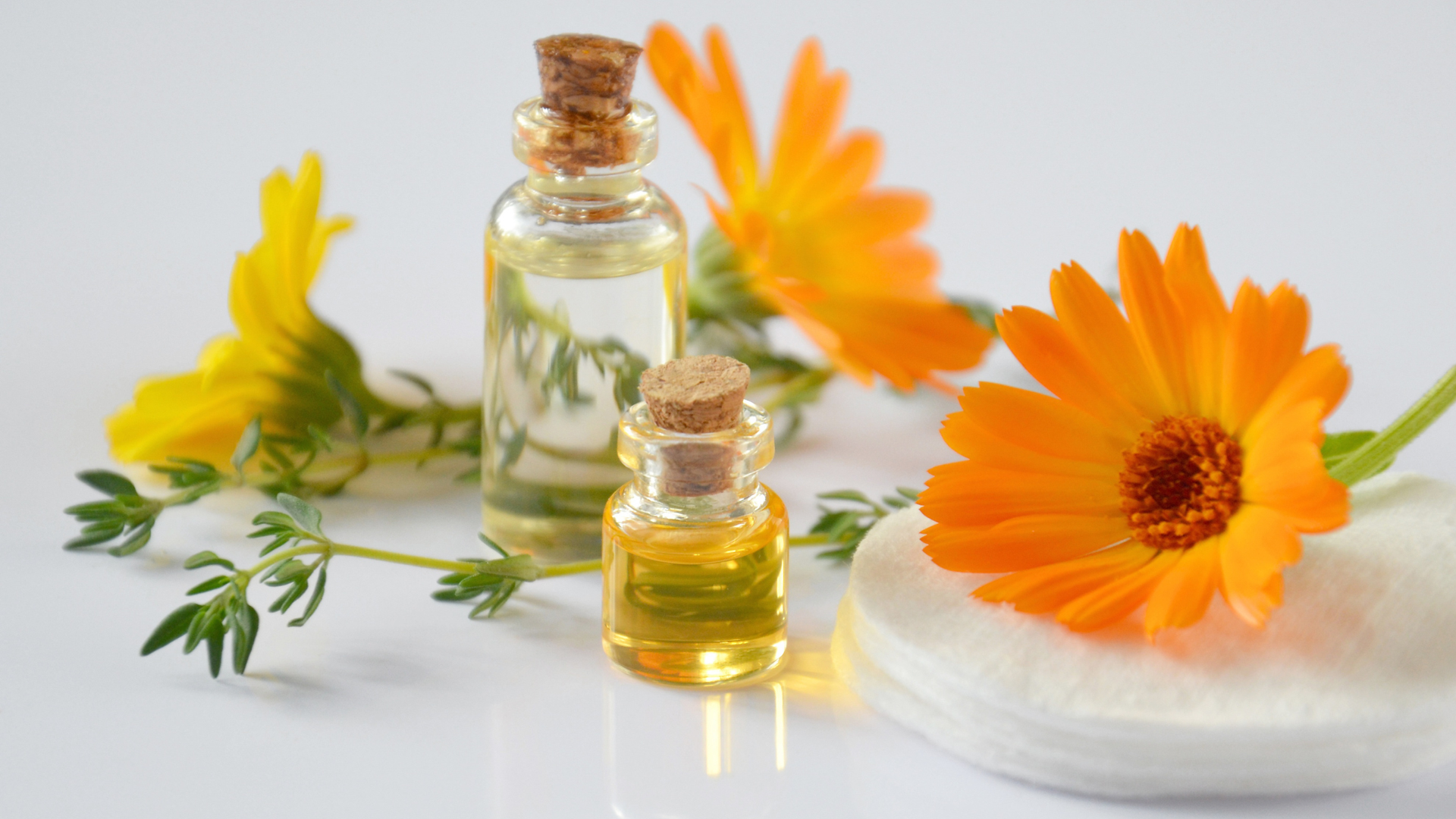
Learn essential oil safety & dilution basics with practical tips. Discover phototoxicity warnings, dilution ratios, and beginner routines for confident, safe use.
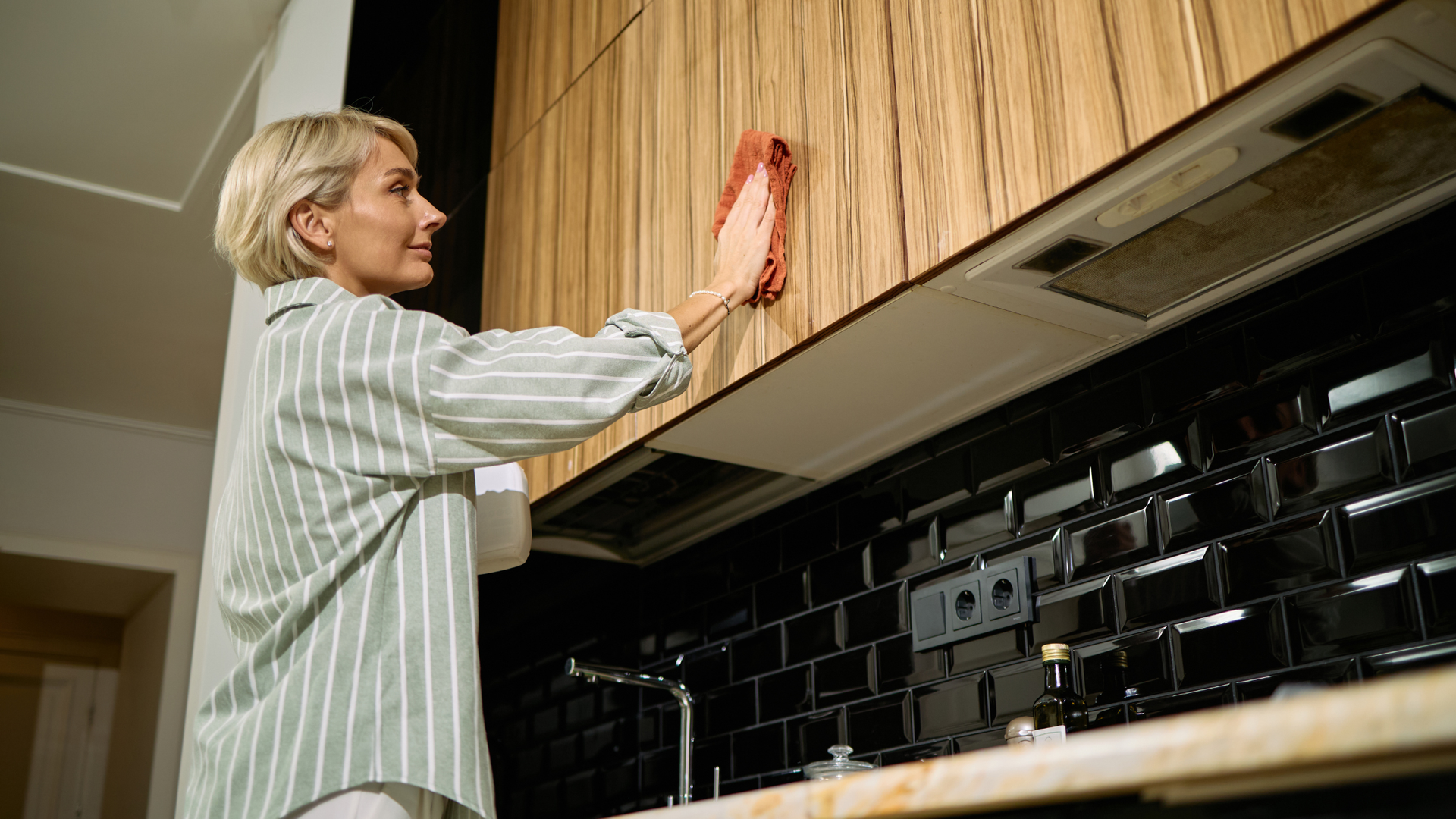
Learn to make eco-friendly DIY cleaning tablets with baking soda, citric acid & essential oils for effective, low-toxin home cleaning and reduced plastic waste.
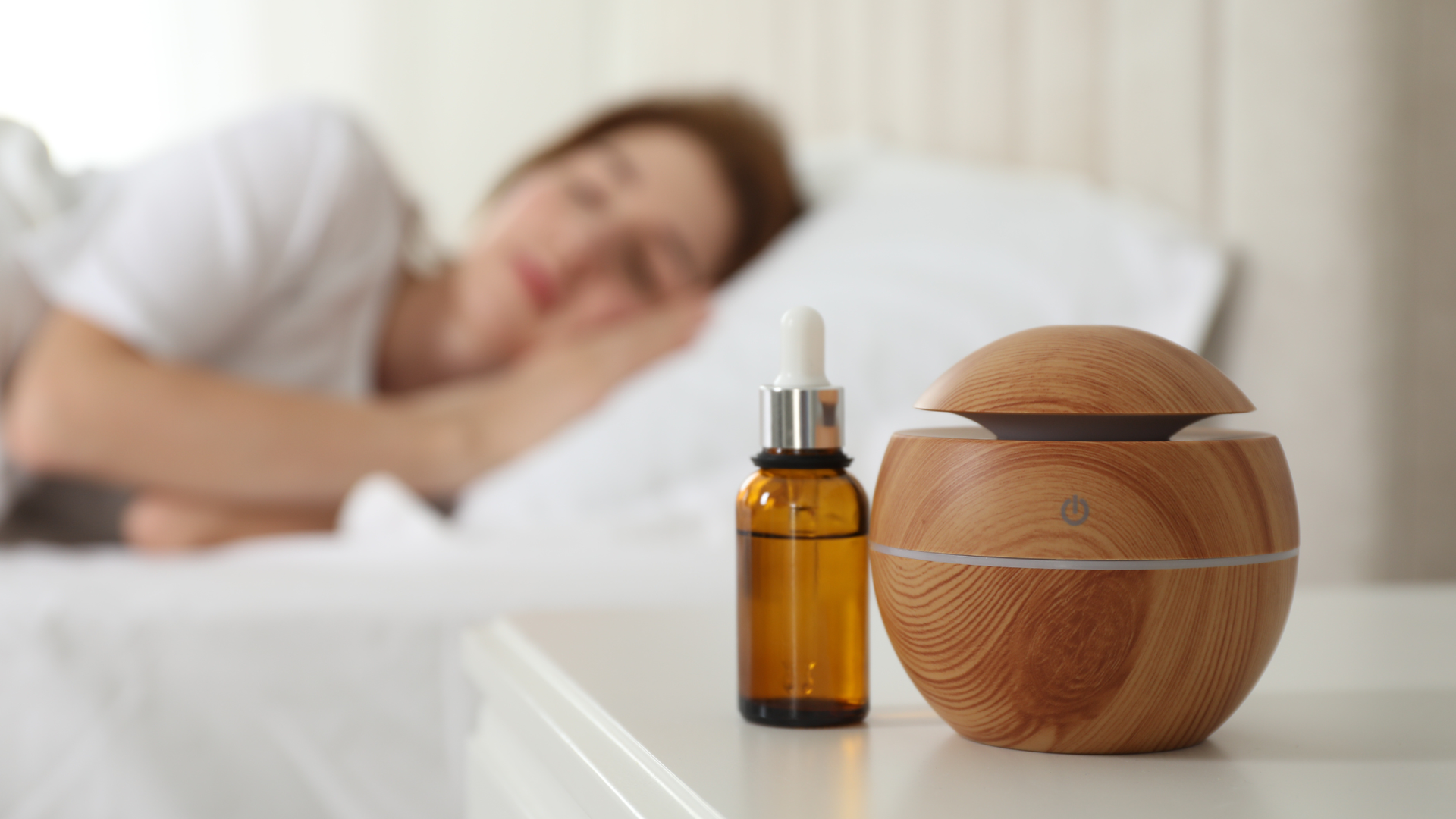
Learn to use essential sleep oils topically or aromatically for a calming bedtime routine. Get practical tips on diffusing, dilution, habit-building.

Unwind overworked joints before bed with a 10-minute essential oil massage. Get dilution tips, techniques, and simple routines for soothing nighttime comfort.
Build a gentle, toxin-free facial care routine with essential oils. Discover safe dilution, patch testing, AM/PM steps and tips for cleaner, healthier skin.

Discover 3 simple essential oil routines to ease work-life stress. Get safety tips and quick scent cues for calm focus and evening wind-downs.
Explore gentle, kid-safe essential oil blends to support your family's cold and flu wellness routines with safe dilution, diffusion tips, and home habits.

Discover a practical monthly menstrual self-care ritual using essential oils, heat, movement, and grounding habits. Safe, realistic tips for comfort and calm.

Kickstart your day with a 10-minute morning ritual using essential oils to support immunity, hydration, hygiene, and stress relief. Simple family tips.