
Essential Oils for Postpartum Recovery: Support for New Mothers
March 4, 2026
Gentle, realistic support for your “fourth trimester”
Postpartum recovery is not a single milestone you “finish” at a six-week appointment. Many clinicians describe the postpartum season as the “fourth trimester,” a time when your body, hormones, sleep, and identity are all adjusting at once. The American College of Obstetricians and Gynecologists (ACOG) recommends postpartum care as an ongoing process—with an initial check-in within the first 3 weeks and a comprehensive visit no later than 12 weeks after birth. ( acog.org)
Essential oils can be a comforting part of a postpartum routine—especially for relaxation, mood support, and creating a calm home environment—when used conservatively and with common-sense safety. This guide shares mother-friendly ways to use oils in a postpartum rhythm, what to avoid while breastfeeding, and when to call your provider.
Essential oils can be a comforting part of a postpartum routine—especially for relaxation, mood support, and creating a calm home environment—when used conservatively and with common-sense safety. This guide shares mother-friendly ways to use oils in a postpartum rhythm, what to avoid while breastfeeding, and when to call your provider.
What postpartum “support” can mean (without pressure)
Postpartum wellness is often about lowering the “load” on your nervous system and making the basics easier: rest, hydration, nourishment, gentle movement, and emotional support. ACOG’s postpartum care framework includes domains like mood, sleep/fatigue, physical recovery, infant feeding, and ongoing health maintenance. ( acog.org)
Essential oils won’t replace medical care, lactation support, pelvic floor therapy, or mental health treatment—but they can complement a practical plan by helping you:
Essential oils won’t replace medical care, lactation support, pelvic floor therapy, or mental health treatment—but they can complement a practical plan by helping you:
- Create a calm bedtime cue (especially when sleep is fragmented)
- Support relaxation during short breaks
- Freshen the home in a low-tox routine
- Build a consistent “reset” ritual you can repeat in 2–5 minutes
Postpartum essential oil safety (especially if you’re breastfeeding)
Postpartum is a uniquely sensitive time: baby is close to your skin, your hormones are shifting, and breastfeeding introduces extra considerations. When in doubt, choose the gentlest route—lower dilution, shorter exposure, and avoid applying oils on or near the breast/nipple area.
Note on peppermint while breastfeeding: Peppermint is sometimes associated with decreased milk supply for some parents, particularly with heavier exposure (topical near the chest, strong diffusion, frequent use). If supply is a concern, choose non-minty options and keep peppermint out of your postpartum routine. ( tisserandinstitute.org)
Note on lavender/tea tree: Some reports raise questions about hormone-like effects with heavy/regular use, especially in children; evidence is not definitive, but postpartum is a time to use any oil thoughtfully and in small amounts. ( time.com)
A practical postpartum safety checklist
- Do not ingest essential oils unless directed by a qualified clinician trained in essential-oil internal use and your medical team agrees (especially while breastfeeding).
- Patch test any topical blend (inner forearm) and wait 24 hours.
- Keep oils off the breast/chest if nursing (baby’s face is right there; plus sensitive skin/possible irritation).
- Dilute more than you think you need postpartum (think “gentle skincare,” not “sports rub”).
- Ventilation matters : diffuse lightly and take breaks, especially around newborns.
Note on peppermint while breastfeeding: Peppermint is sometimes associated with decreased milk supply for some parents, particularly with heavier exposure (topical near the chest, strong diffusion, frequent use). If supply is a concern, choose non-minty options and keep peppermint out of your postpartum routine. ( tisserandinstitute.org)
Note on lavender/tea tree: Some reports raise questions about hormone-like effects with heavy/regular use, especially in children; evidence is not definitive, but postpartum is a time to use any oil thoughtfully and in small amounts. ( time.com)
A simple postpartum routine using essential oils (2–10 minutes)
Step 1: “Exhale” cue (2 minutes)
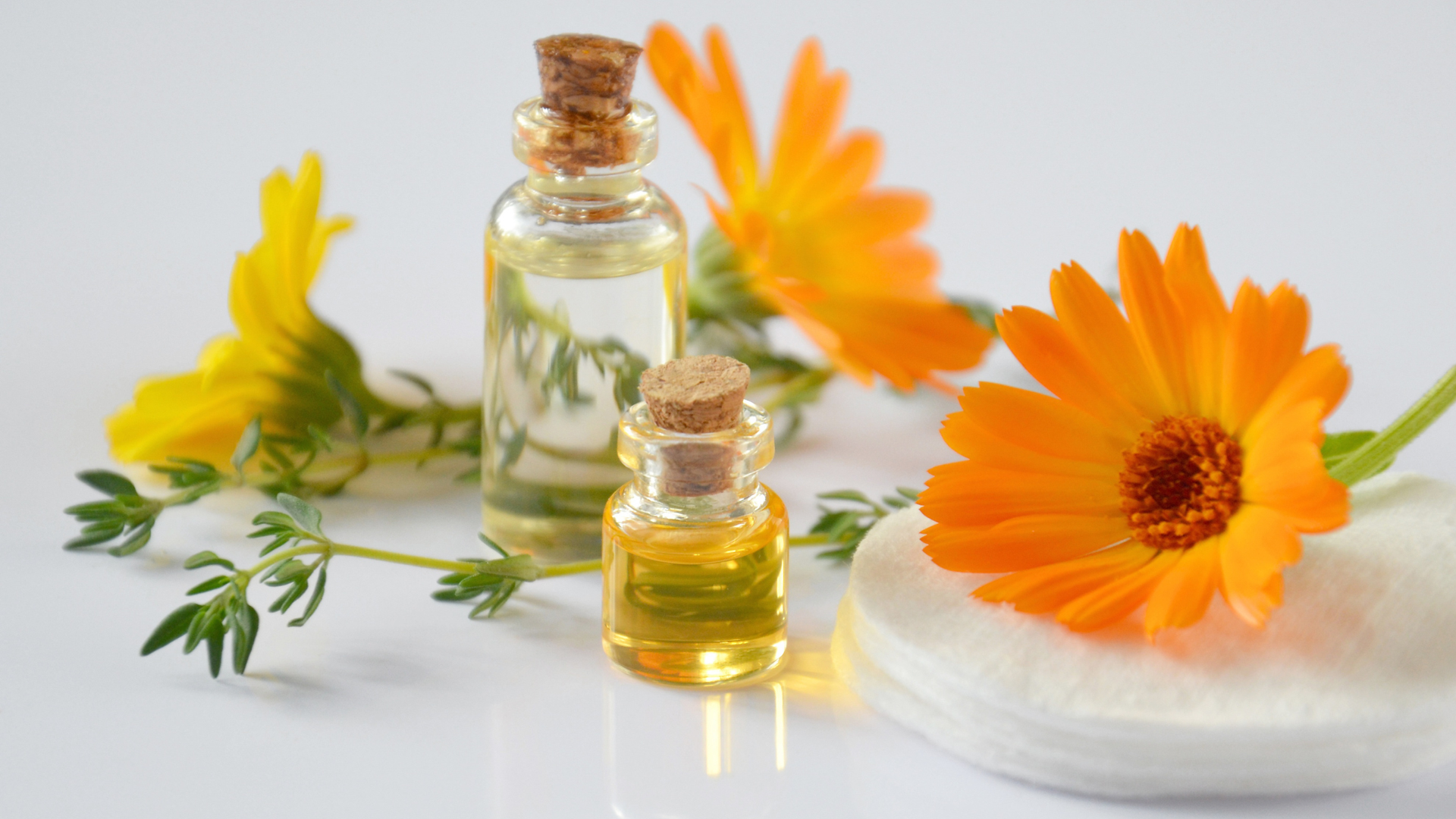
Put 1 drop of a calming oil on a tissue or cotton pad and place it nearby
(not touching baby). Sit, shoulders down, and take 6 slow breaths. This method is often gentler than strong diffusion and keeps oils away from baby’s skin.
Step 2: Post-shower comfort (3–5 minutes)
Mix a very lightly diluted
blend into an unscented body oil or lotion and apply to areas that feel tight from holding/feeding (neck, shoulders, upper back). Avoid breast tissue and any broken skin. If you’re newly postpartum, start with the lowest dilution and increase only if you tolerate it well.
Step 3: Bedtime “lights-out” ritual (5–10 minutes)
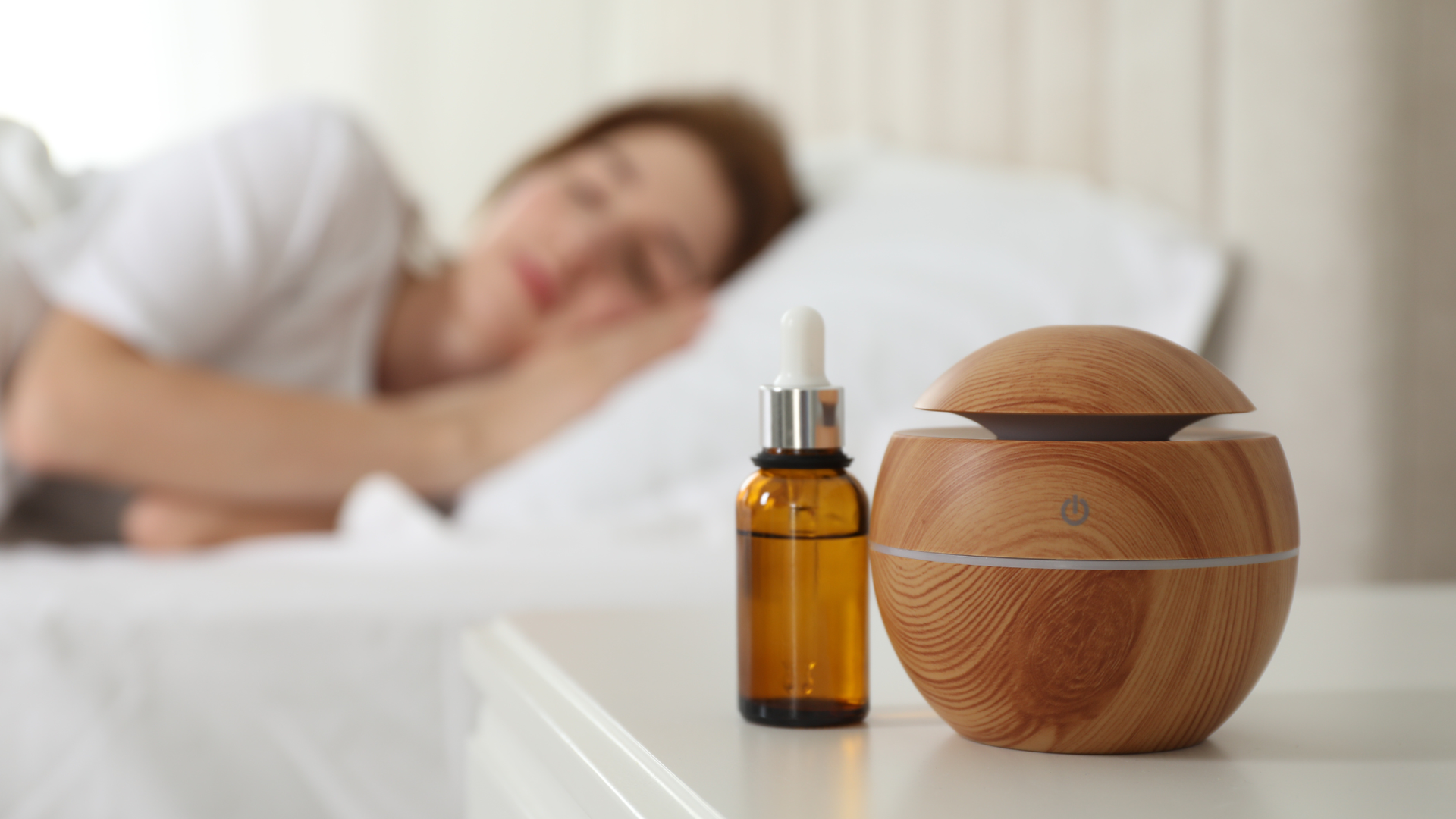
Keep bedtime consistent even if sleep is interrupted. A light diffuser session before
you get into bed can become a cue for downshifting. If baby is in the room, keep the space well ventilated and use the minimum amount needed. Pair it with a warm beverage, dim lights, and a short stretch.
Which postpartum goals pair well with oils? (Quick guide)
Every parent’s postpartum season is different. This table focuses on how
to use oils safely, rather than making medical promises.
| Postpartum need | Best-use method | Safety notes (breastfeeding-friendly) |
|---|---|---|
| Relaxation / nervous system reset | Tissue inhale nearby; brief diffusion before bed | Keep scent light; ventilate; avoid baby skin contact |
| Tension from feeding/holding | Gentle topical blend on neck/shoulders | Avoid breast/chest; patch test; use low dilution |
| Sleep cues (when sleep is broken) | Consistent routine + short aromatherapy cue | Do not diffuse all night; consider “before bed” only |
| Home freshness / low-tox living | Scented DIY cleaning (optional), or diffuser in open areas | Use minimal amounts; store oils securely away from children |
Mood support: when “baby blues” becomes something more
Mood changes after birth are common, and many parents experience “baby blues” that typically resolve within about two weeks. If symptoms are more intense, last longer, or interfere with daily functioning, it may be postpartum depression (PPD). Symptoms can include persistent sadness, severe mood swings, difficulty bonding with baby, withdrawal, changes in appetite or sleep, overwhelming fatigue, intense irritability, and thoughts of harming yourself or your baby. ( mayoclinic.org)
If you recognize these signs, reach out to your OB-GYN, midwife, primary care provider, or a mental health professional. Screening and early support matter. The American Academy of Pediatrics encourages postpartum depression screening at the 1-, 2-, 4-, and 6-month well-child visits, which can be a helpful “safety net” even if you’re not seeing your own provider often. ( publications.aap.org)
Oils can be a supportive ritual, but they are not a substitute for treatment when depression or anxiety is present. If you are having thoughts of self-harm or harming your baby, seek emergency help immediately.
If you recognize these signs, reach out to your OB-GYN, midwife, primary care provider, or a mental health professional. Screening and early support matter. The American Academy of Pediatrics encourages postpartum depression screening at the 1-, 2-, 4-, and 6-month well-child visits, which can be a helpful “safety net” even if you’re not seeing your own provider often. ( publications.aap.org)
Oils can be a supportive ritual, but they are not a substitute for treatment when depression or anxiety is present. If you are having thoughts of self-harm or harming your baby, seek emergency help immediately.
Local angle: postpartum support across the United States
In the U.S., postpartum care can vary widely depending on insurance, provider availability, and family support. ACOG’s guidance emphasizes that postpartum care should be ongoing and individualized—not a single appointment. If you’re feeling brushed off, it’s appropriate to ask for a follow-up plan that includes mood screening, feeding support, sleep/fatigue guidance, and recovery goals. ( acog.org)
If you’re building a low-tox postpartum routine, focus on the “highest-impact, lowest-effort” wins first: fragrance-free basics, simple cleaning swaps, and a short calming ritual you can keep even on hard days.
If you’re building a low-tox postpartum routine, focus on the “highest-impact, lowest-effort” wins first: fragrance-free basics, simple cleaning swaps, and a short calming ritual you can keep even on hard days.
Explore postpartum-friendly wellness support with YL Family
YL Family supports new mothers and growing families with education-first guidance and plant-powered products for home and life. If you’d like help choosing gentle options for relaxation, sleep cues, or a cleaner home routine, browse the shop and build a simple, postpartum-friendly plan.
FAQ: Essential oils & postpartum recovery
Can I use essential oils while breastfeeding?
Many breastfeeding parents choose to use essential oils conservatively (light diffusion, very diluted topical use away from the breast). Avoid applying oils on/near nipples or areas baby’s skin and mouth contact. If you have concerns—especially with a premature or medically fragile infant—check with your pediatrician or lactation professional.
What essential oils should I avoid postpartum?
If you’re breastfeeding and worried about milk supply, avoid peppermint and strong mint blends. ( tisserandinstitute.org) Also avoid any oil that irritates your skin, triggers headaches, or feels “too strong” in a small space. When uncertain, choose the gentlest route: lower dilution, shorter exposure, and no use on the breast/chest.
Is it safe to diffuse essential oils around a newborn?
Use extra caution: keep diffusion light, ventilate the room, and avoid continuous diffusion. Consider alternatives like a “tissue inhale” placed out of reach. If your baby seems fussy, congested, or sensitive to scents, stop and reassess.
When should I talk to a provider about postpartum mood changes?
If sadness, anxiety, irritability, or disconnection lasts longer than two weeks, feels intense, or interferes with daily care, reach out. PPD can occur anytime in the first year postpartum, and symptoms may include difficulty bonding, severe mood swings, sleep/appetite changes, and feelings of hopelessness. ( mayoclinic.org)
When should I schedule postpartum follow-ups?
ACOG recommends contact with your obstetric provider within the first 3 weeks postpartum, followed by ongoing care as needed, and a comprehensive postpartum visit no later than 12 weeks after birth. ( acog.org) If you’re not getting that, ask your clinic for an earlier check-in or a care plan.
Glossary
Fourth trimester
A term used to describe the postpartum period as an extended recovery and adjustment phase, not just a single postpartum visit. ( acog.org)
Dilution
Mixing essential oil into a carrier (like unscented lotion or a plant oil) to reduce skin irritation risk and make topical use gentler.
PPD (Postpartum depression)
A mood disorder after childbirth that is more intense and longer lasting than “baby blues,” and may require professional treatment. ( mayoclinic.org)

Discover teen-friendly bedtime routines with gentle essential oils for 8–10 hours of sleep. Try simple wind-down steps for calmer nights and rested mornings.
Learn essential oil safety & dilution basics with practical tips. Discover phototoxicity warnings, dilution ratios, and beginner routines for confident, safe use.

Learn to make eco-friendly DIY cleaning tablets with baking soda, citric acid & essential oils for effective, low-toxin home cleaning and reduced plastic waste.
Learn to use essential sleep oils topically or aromatically for a calming bedtime routine. Get practical tips on diffusing, dilution, habit-building.

Unwind overworked joints before bed with a 10-minute essential oil massage. Get dilution tips, techniques, and simple routines for soothing nighttime comfort.
Build a gentle, toxin-free facial care routine with essential oils. Discover safe dilution, patch testing, AM/PM steps and tips for cleaner, healthier skin.

Discover 3 simple essential oil routines to ease work-life stress. Get safety tips and quick scent cues for calm focus and evening wind-downs.
Explore gentle, kid-safe essential oil blends to support your family's cold and flu wellness routines with safe dilution, diffusion tips, and home habits.

Discover a practical monthly menstrual self-care ritual using essential oils, heat, movement, and grounding habits. Safe, realistic tips for comfort and calm.

Kickstart your day with a 10-minute morning ritual using essential oils to support immunity, hydration, hygiene, and stress relief. Simple family tips.