
Creating a Relaxing Home Spa Day with Essential Oils (A Simple, Safe, Feel-Good Ritual)
February 16, 2026
Your home can feel like a spa—no fancy setup required
A DIY spa day is less about “doing everything” and more about creating a calm, sensory reset that supports your nervous system and mood. With a few intentional steps—warm water, gentle movement, simple skincare, and thoughtfully used essential oils—you can build a ritual that feels grounding for adults and approachable for busy families. At YL Family
, we love helping households make clean living feel doable, not complicated.
Start with safety: the “spa day rules” for essential oils
Essential oils are highly concentrated. For a relaxing experience that’s also skin-friendly, keep these foundational guidelines in mind:
*Note:
Individual oils have different dermal limits. Patch test new blends, avoid eyes and mucous membranes, and keep oils away from pets’ faces and small children’s reach. Dilution examples align with common aromatherapy guidance (for example, ~10–12 drops per 30 mL for a 2% blend). ( cambridgearomatherapy.com)
Build your home spa flow (60–120 minutes)
A great DIY spa day follows a gentle rhythm: set the space
→ warm the body
→ release tension
→ hydrate and restore
. Use this framework whether you have an hour or an afternoon.
1) Set the sensory “container” (5–10 minutes)
Dim lights, lower the noise, and choose one scent theme (floral, citrus, or herbal). If you diffuse oils, keep it subtle—your goal is calm, not a scented “wall.” A simple rule: start low, then adjust after 10 minutes.
2) Warmth first: shower or bath (15–30 minutes)
Warm water helps muscles relax and signals “downshift” to the nervous system. If you’re doing a bath with essential oils, pre-dilute
the drops in a carrier oil or an appropriate dispersing base before adding to water—oils don’t naturally mix with bathwater and can sit on the surface in concentrated spots. ( aromatics.com)
Simple bath blend (adult):
Combine 3–6 total drops
of essential oil with 1 tablespoon
carrier oil (or a dispersing base), then mix into the bath. Keep it lighter if you have sensitive skin.
3) Tension release: self-massage (10–20 minutes)
Choose a carrier oil you like (fractionated coconut, jojoba, grapeseed, etc.). For most adults, a ~2% dilution
is a solid “spa day” target for body massage; use ~1% if you’re sensitive or want daily use. ( cambridgearomatherapy.com)
4) Gentle movement: “spa mobility” reset (8–15 minutes)
Light stretching helps your body hold onto the relaxation you just created. Keep it easy: neck rolls, chest opening, hip flexor stretch, and a slow forward fold with bent knees. If you like structured guidance, explore YL Family’s movement options:
5) Close the loop: hydration + early bedtime cues (5 minutes)
Refill your water, put a cozy layer on, and keep the rest of the evening simple. Your “spa day” works best when it’s not followed by a late-night scroll session.
Choosing “home spa oils”: simple scent pairings that feel luxurious
If you’re building a collection for a DIY spa day, think in categories:
Calming florals
Great for evening routines and decompressing after a long day. Lavender is especially well-studied in aromatherapy research for reducing anxiety-related measures in some contexts. ( pubmed.ncbi.nlm.nih.gov)
Bright citrus
Ideal for morning or midday “reset” vibes. Citrus scents can feel clean and uplifting—useful when you want a spa feel without making yourself sleepy.
Herbal + minty notes
These can feel refreshing, especially after workouts. Because some minty oils can be more stimulating or irritating for certain people, keep dilutions conservative and avoid sensitive areas.
Step-by-step: essential oil massage blend (beginner recipe)
This is a reliable template you can reuse whenever you want an essential oil massage
at home.
DIY “Spa Body Oil” (1 oz / 30 mL bottle)
1)
Add 30 mL (1 oz)
carrier oil to a small bottle.
2)
Add 5–6 drops total
for a gentler ~1% blend, or 10–12 drops total
for a ~2% blend (healthy adults).
3)
Cap and roll the bottle between your palms to mix (shaking can add bubbles).
4)
Patch test on the inner forearm; wait to confirm comfort before full use.
5)
Apply to shoulders, calves, feet, or hands using slow pressure and steady breathing.
Dilution ranges and drop counts reflect common aromatherapy dilution charts. ( cambridgearomatherapy.com)
Did you know? Quick spa-day facts that make a difference
Essential oils don’t mix with bathwater.
Pre-diluting helps avoid concentrated “hot spots” on skin. ( aromatics.com)
Less can feel better.
A lighter aroma often reads as more “spa-like” than an intense scent cloud.
Lavender aromatherapy has research support
for anxiety-related outcomes in certain settings, though results vary by study design and population. ( pubmed.ncbi.nlm.nih.gov)
A “real life” local angle (United States): making spa day practical year-round
Across the U.S., seasons and schedules shift quickly—school routines, travel, dry winter air, hot summer nights, and the constant pull of screens. A home spa ritual works because it’s flexible:
• Winter:
prioritize hydration + gentle body oils after showers.
• Spring:
open windows for a “fresh home” reset and keep routines light.
• Summer:
shorter warm showers + foot/leg massage can feel amazing after long days.
• Fall:
create a weekly reset night to support smoother transitions back into routine.
Ready to build your home spa essentials?
If you want a simpler path (especially if you’re new to oils), shopping curated wellness options can reduce guesswork. Browse YL Family’s collections and choose a calm-first routine that fits your household.
Want guidance on a simple routine for stress, sleep, or muscle recovery? Start with one category and build from there.
Shop YL Family
Prefer human help? Visit the contact page
and tell us your goals (calm, sleep, mood, or recovery).
FAQ: Home spa oils, DIY spa day, and essential oil massage
Can I put essential oils directly into my bath?
It’s best not to. Essential oils don’t naturally disperse in water, which can lead to concentrated oil touching skin. Pre-dilute in a carrier oil or an appropriate dispersing base, then add to the bath. ( aromatics.com)
What’s a safe dilution for an essential oil massage at home?
Many aromatherapy references use around ~2%
for healthy adults for general body massage, and ~1%
for sensitive skin or more frequent use. Patch test and adjust down if you notice irritation. ( cambridgearomatherapy.com)
How many oils do I need for a DIY spa day?
One or two can be plenty. Choose a calming option for evening (many people start with lavender-type profiles) and a fresh option for daytime (citrus or gentle herbal). More oils doesn’t always mean a better experience.
Is lavender actually researched for relaxation?
Yes—there are systematic reviews and meta-analyses of randomized trials evaluating lavender aromatherapy for anxiety-related outcomes, with results suggesting beneficial effects in some contexts. Individual responses vary, and “relaxation” can depend on setting, dose, and personal scent preferences. ( pubmed.ncbi.nlm.nih.gov)
What if I have kids in the house—can I still do a spa day with oils?
Absolutely—just scale it appropriately. Use lower dilutions for children, diffuse lightly (or skip diffusion), keep oils stored securely, and choose gentle routines like warm baths (with proper dilution), story time, and calming movement.
Glossary (helpful spa-day terms)
Carrier oil
A neutral vegetable oil (like jojoba, grapeseed, or fractionated coconut) used to dilute essential oils for safer topical use.
Dilution (%)
How concentrated an essential oil blend is when mixed into a carrier. Many body blends for adults are around 1–2% for general use. ( cambridgearomatherapy.com)
Patch test
Applying a small amount of a diluted blend to a small skin area to check for sensitivity before broader use.
Aromatherapy
The use of aromatic plant extracts (including essential oils) for wellbeing—often through inhalation, topical use (with dilution), or bath rituals.

Discover teen-friendly bedtime routines with gentle essential oils for 8–10 hours of sleep. Try simple wind-down steps for calmer nights and rested mornings.
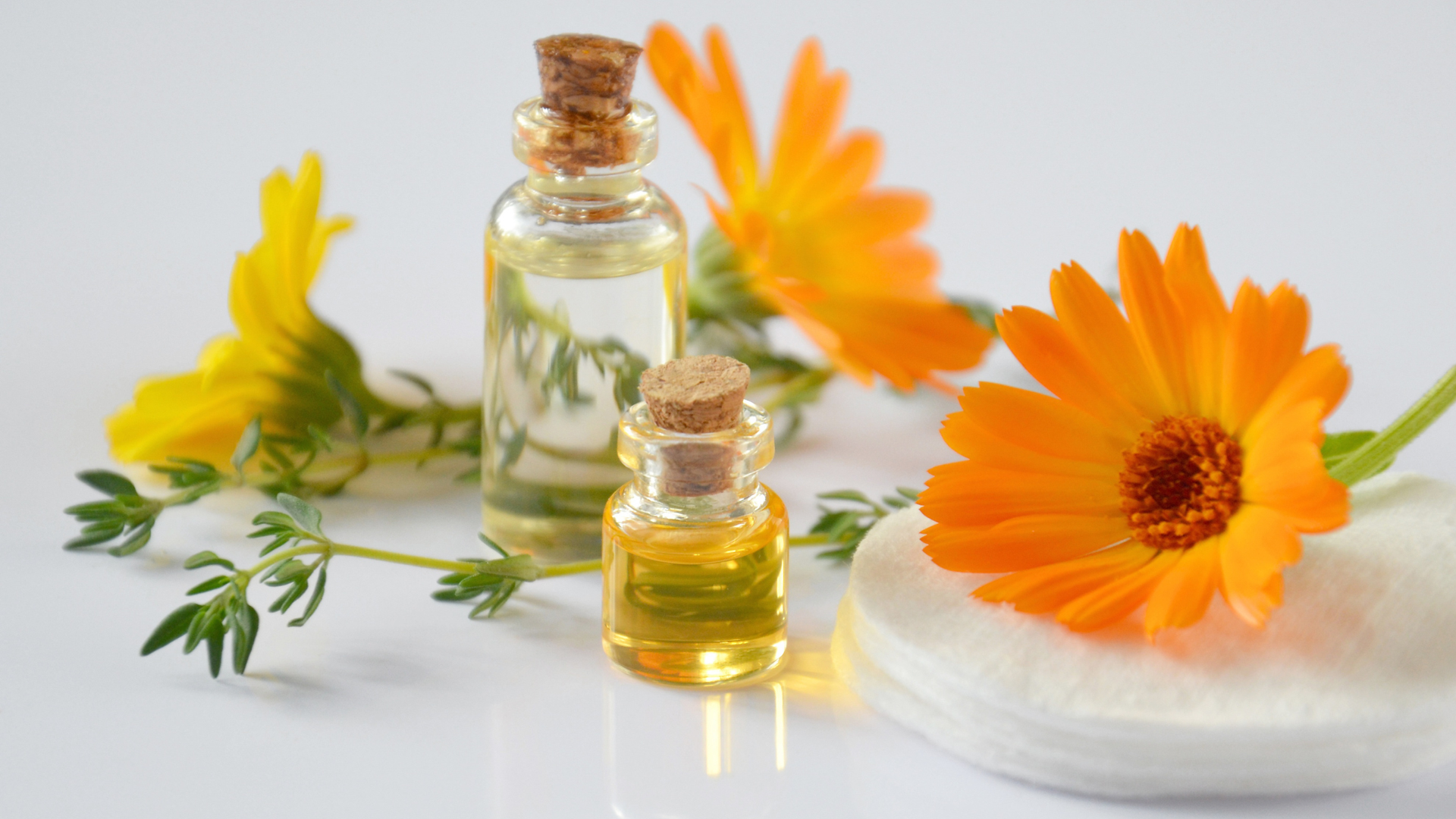
Learn essential oil safety & dilution basics with practical tips. Discover phototoxicity warnings, dilution ratios, and beginner routines for confident, safe use.
Learn to make eco-friendly DIY cleaning tablets with baking soda, citric acid & essential oils for effective, low-toxin home cleaning and reduced plastic waste.
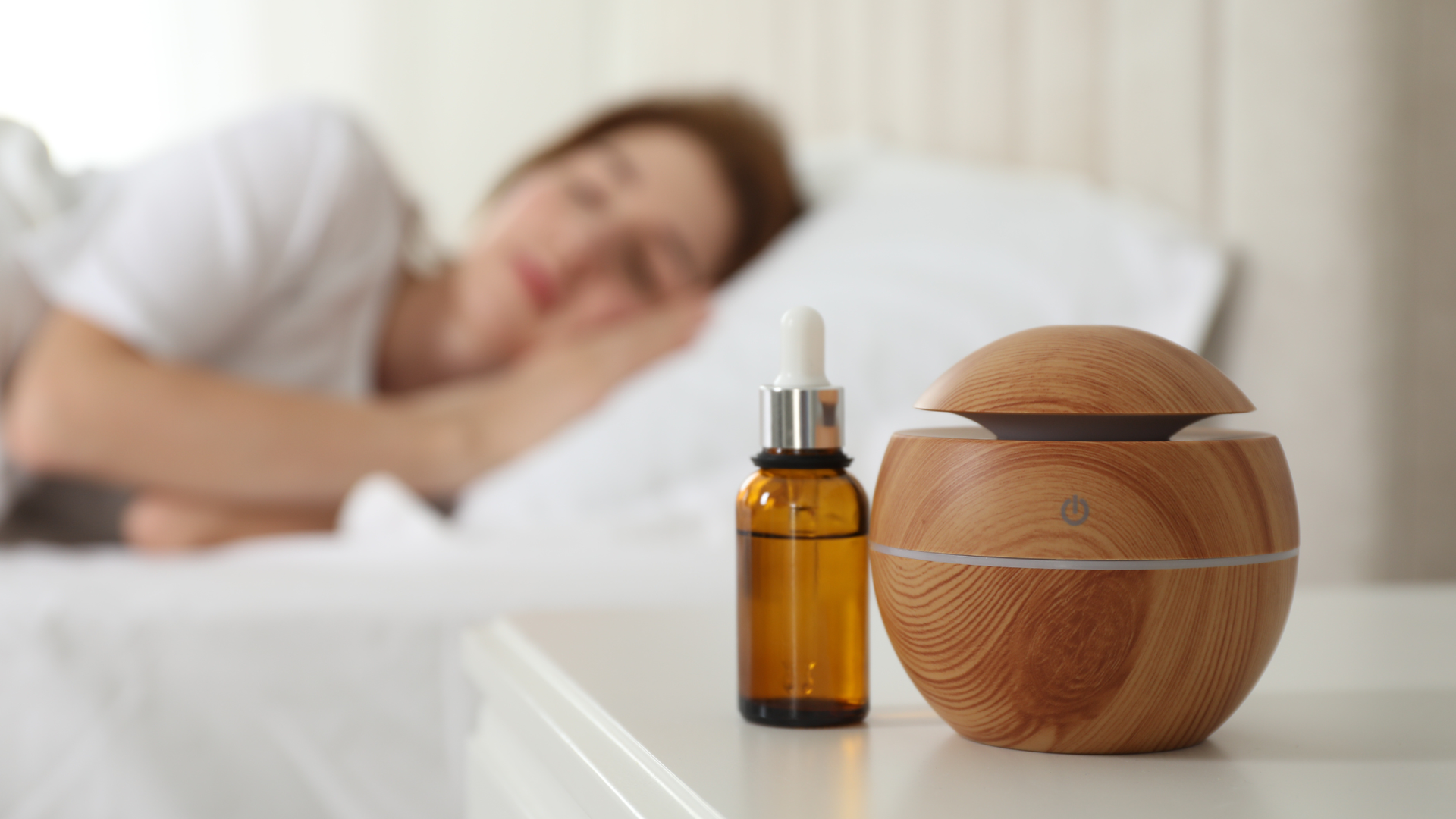
Learn to use essential sleep oils topically or aromatically for a calming bedtime routine. Get practical tips on diffusing, dilution, habit-building.
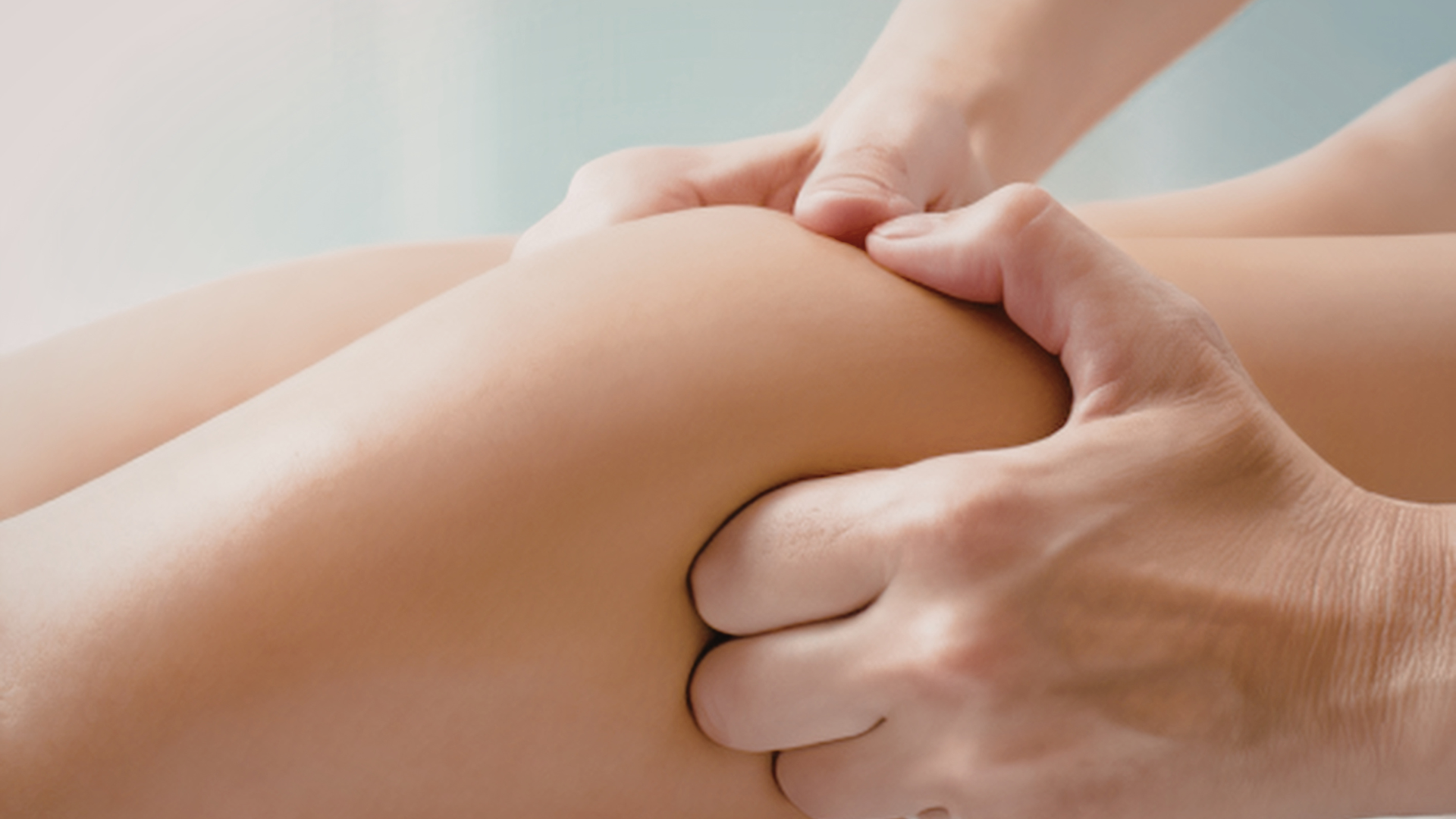
Unwind overworked joints before bed with a 10-minute essential oil massage. Get dilution tips, techniques, and simple routines for soothing nighttime comfort.
Build a gentle, toxin-free facial care routine with essential oils. Discover safe dilution, patch testing, AM/PM steps and tips for cleaner, healthier skin.

Discover 3 simple essential oil routines to ease work-life stress. Get safety tips and quick scent cues for calm focus and evening wind-downs.
Explore gentle, kid-safe essential oil blends to support your family's cold and flu wellness routines with safe dilution, diffusion tips, and home habits.
Discover a practical monthly menstrual self-care ritual using essential oils, heat, movement, and grounding habits. Safe, realistic tips for comfort and calm.
Kickstart your day with a 10-minute morning ritual using essential oils to support immunity, hydration, hygiene, and stress relief. Simple family tips.