
Maximizing Work-from-Home Productivity with Essential Oils
March 10, 2026
Focus, calm, and better “task-start energy” for real-life home schedules
Working from home can be a gift—until the day turns into scattered tabs, constant notifications, and a nervous system that never fully “clocks in.” At YL Family
, we’re big believers in practical, family-friendly routines that make clean living feel doable, not complicated. Essential oils can be a helpful tool in that routine: they add sensory structure to your day, support a calmer mood, and create simple cues for “focus time” vs. “wrap-up time.”
How essential oils can support productivity (without overpromising)
Productivity is rarely a “willpower problem.” More often, it’s an environment-and-energy problem: too many interruptions, too much mental load, and not enough recovery. Aromas can influence how we feel and perform in the moment—especially when paired with consistent habits.
Research on aromatherapy is still evolving, but there are some helpful signals:
Research on aromatherapy is still evolving, but there are some helpful signals:
- Lavender inhalation has been widely studied for anxiety reduction, with multiple clinical trials and systematic reviews reporting decreased anxiety levels in many settings. (Lower anxiety can indirectly support better focus by reducing mental “noise.”) ( mdpi.com)
- Rosemary aroma has been studied for effects on cognition and mood, with findings suggesting potential improvements in aspects of memory performance and task outcomes in controlled settings. ( pubmed.ncbi.nlm.nih.gov)
Note: Essential oils aren’t a treatment for ADHD, anxiety disorders, depression, or sleep disorders. If you’re struggling significantly, it’s worth looping in a licensed clinician. Oils can be a supportive layer—like lighting, hydration, or music.
The productivity trio: Alertness, calm, and recovery
Think of your work-from-home day in three “states”:
1) Start + Focus (when you need momentum)
Best for deep work, writing, analysis, and anything that requires sustained attention.
2) Steady + Calm (when you need patience)
Best for meetings, parenting interruptions, admin work, or customer calls.
3) Power Down (when you need to stop “working” mentally)
Best for end-of-day transitions, evening routines, and better sleep cues.
Essential oils can help by creating a consistent scent cue
for each state—so your brain learns, “This smell = this mode.”
Optional table: Choose a scent strategy that matches the task
| Work Moment | Scent Direction | Best Use | Simple Method |
|---|---|---|---|
| Deep work block (45–90 min) | Herbal / “clear” (ex: rosemary) | Writing, coding, studying | Diffuse lightly OR use a personal inhaler |
| Meeting-heavy morning | Balanced / grounded | Presence, patience, less reactivity | Desk diffuser for short intervals |
| Afternoon slump | Bright / fresh | Reset, re-engage, reduce drowsiness | 2–5 minute aromatherapy break + water |
| End-of-day transition | Soft / calming (ex: lavender) | Shift from work mode to home mode | Diffuse briefly, then turn off |
A safer, smarter home-office setup (air matters, too)
If you diffuse oils while working, your “productivity environment” isn’t just scent—it’s also air quality. Good ventilation can reduce stuffiness and help your space feel more energizing.
- Open a window when weather and safety allow—even cracking it helps increase outdoor airflow. ( cdc.gov)
- Try cross-ventilation: open windows on opposite sides of the home (or open a window plus an interior door). ( epa.gov)
- If scents trigger headaches, asthma, or irritation, skip diffusion and use a lower-exposure method (like a personal inhaler) or reduce frequency. (Scent sensitivity is real, and “more” isn’t better.) ( lung.org)
Pet note (important)
If you have pets, use extra caution: keep oils out of reach, avoid direct application, and consider limiting diffuser use—especially if pets have respiratory issues. It’s also recommended to avoid diffusers around birds due to their sensitive respiratory systems. ( aspca.org)
Quick “Did you know?” facts
Lavender inhalation
has been evaluated in clinical trials for anxiety reduction, with many studies reporting improvements (though study quality and methods vary). ( mdpi.com)
Rosemary aroma
has research linking exposure to measurable compounds (like 1,8-cineole) and performance on certain cognitive tasks in controlled settings. ( pubmed.ncbi.nlm.nih.gov)
If your home office feels “heavy,” ventilation upgrades can be a bigger win
than any diffuser—fresh air helps reduce indoor pollutant buildup and improves comfort. ( epa.gov)
A simple step-by-step routine for “work mode” using essential oils
Step 1: Pick one “focus scent” and keep it consistent
Choose a single aroma you use only during deep work. Consistency is what trains the cue. If you like herbal clarity, rosemary is a popular choice and has research interest around cognition and mood. ( pubmed.ncbi.nlm.nih.gov)Step 2: Use short diffusion intervals (not all day)
Aim for a “sprint,” not a scent cloud. Try 15–30 minutes on, then off. This helps prevent nose fatigue and reduces overall exposure, which can matter for scent-sensitive family members.Step 3: Pair scent with a single work ritual
Examples: a 2-minute desk reset, filling your water bottle, and writing your top 3 priorities on paper. The aroma becomes the “start button,” but the ritual is the engine.Step 4: Build a calm bridge for stressful moments
If meetings spike your stress, choose a gentle aroma for a quick reset. Lavender inhalation has evidence suggesting anxiety reduction in many studies, which may support a calmer work experience. ( mdpi.com)Step 5: Create a “shutdown scent” at the end of the day
Use a calming aroma for 10–15 minutes while you close tabs, write tomorrow’s first task, and physically leave your workspace (even if it’s just turning the chair and clearing the desk). The goal is to reduce after-hours mental spinning.If you have kids at home
Keep diffusion lighter and shorter, and consider location (diffuse in your office with the door closed vs. the main living area). Always store oils securely and out of reach.
Local angle: work-from-home wellness across the United States
In the U.S., home offices range from dedicated rooms to a laptop at the kitchen counter. Two common productivity blockers are air quality
(stale indoor air, especially in winter) and blurred boundaries
(work feels like it never ends).
A practical approach is to treat your home office like a “micro-environment”:
A practical approach is to treat your home office like a “micro-environment”:
- Ventilate daily when conditions allow (even briefly). ( epa.gov)
- Use scent intentionally and sparingly—especially if you live with people who are scent-sensitive. ( lung.org)
- “Start” and “stop” cues matter: the more your brain gets a clear transition, the less likely you are to feel perpetually on-call.
Shop productivity-supporting wellness favorites
If you want help building a simple work-from-home routine—focus cues, calm resets, and end-of-day transitions—explore YL Family’s curated wellness products and lifestyle tools.
Helpful add-ons for your home routine
FAQ: Essential oils for focus and work-from-home routines
Do essential oils actually help with productivity?
They can help some people by supporting mood, reducing perceived stress, and creating consistent sensory cues for focus. Evidence varies by oil and study design. For example, lavender inhalation has research support for anxiety reduction, and rosemary aroma has been studied for cognitive performance and mood effects. ( mdpi.com)
Is it safe to diffuse oils all day in a home office?
Many people do, but “all day” isn’t necessary and can increase irritation for scent-sensitive family members. Short diffusion intervals plus good ventilation is often a better approach. ( epa.gov)
What if I have pets?
Use extra caution: avoid applying oils directly to pets, store oils securely, and be mindful with diffusers—especially around pets with respiratory issues. Avoid diffusers around birds. ( aspca.org)
Can lavender make me sleepy during the workday?
Some people find lavender relaxing, which can feel “sleepy” during deep work. Consider reserving calming scents for stress resets or end-of-day transitions, and use more energizing cues during focus blocks. ( pubmed.ncbi.nlm.nih.gov)
What’s the simplest way to start if I’m new to oils?
Choose one scent for “start work” and one scent for “end work,” use them consistently for 1–2 weeks, and keep diffusion light. This builds routine without overwhelm.
Glossary
Aromatherapy (inhalation)
Using scent (often essential oils) via inhalation to support mood and comfort. Research varies by oil and method of delivery.
Diffusion interval
A planned “on/off” schedule for a diffuser (example: 20 minutes on, 40 minutes off) to reduce overexposure and scent fatigue.
Cross-ventilation
Improving airflow by opening windows/doors on opposite sides of a space to encourage fresh air movement. ( epa.gov)
1,8-cineole
A naturally occurring compound found in rosemary; research has examined its relationship with cognitive performance following rosemary aroma exposure. ( pubmed.ncbi.nlm.nih.gov)
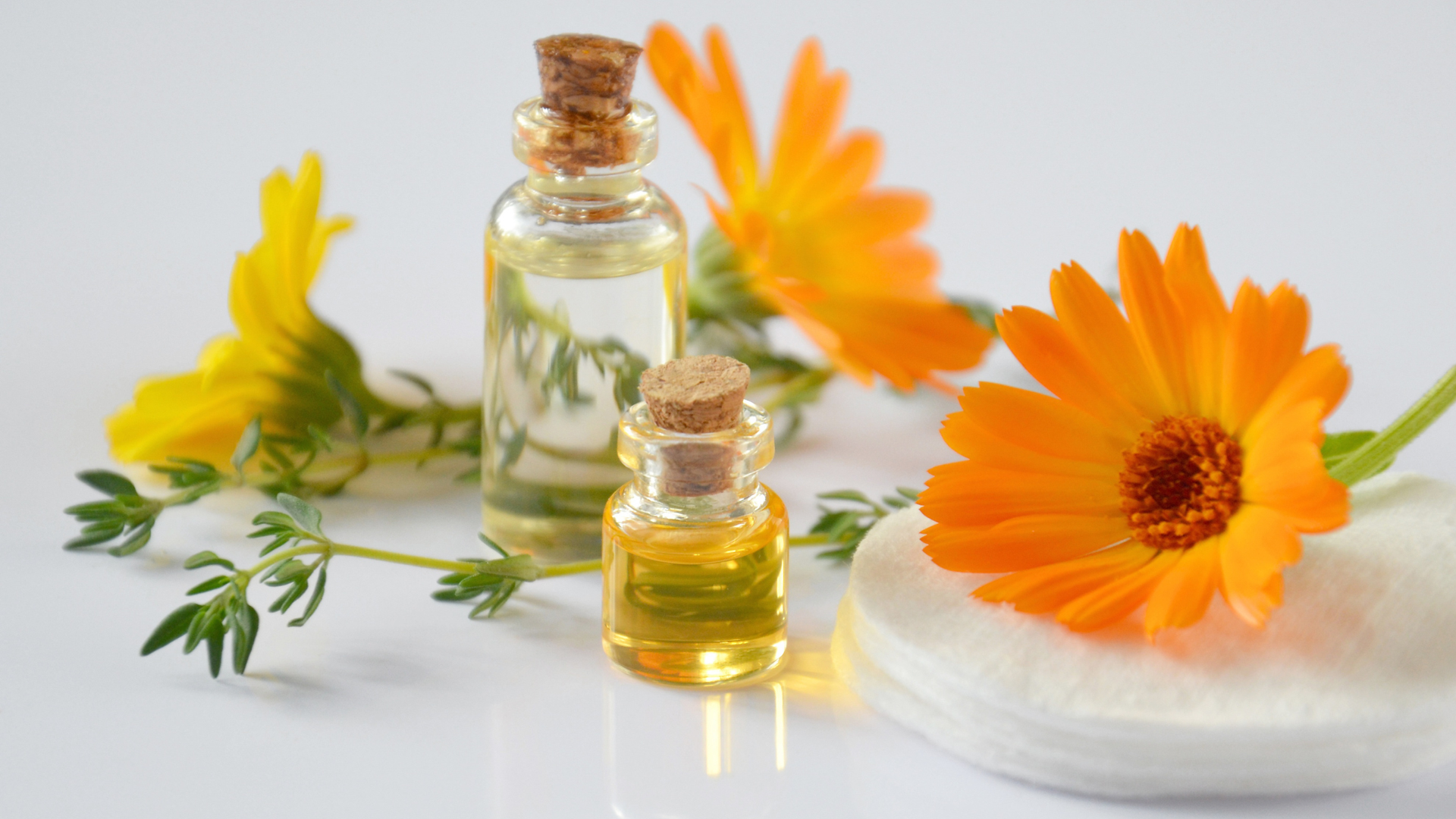
Learn essential oil safety & dilution basics with practical tips. Discover phototoxicity warnings, dilution ratios, and beginner routines for confident, safe use.
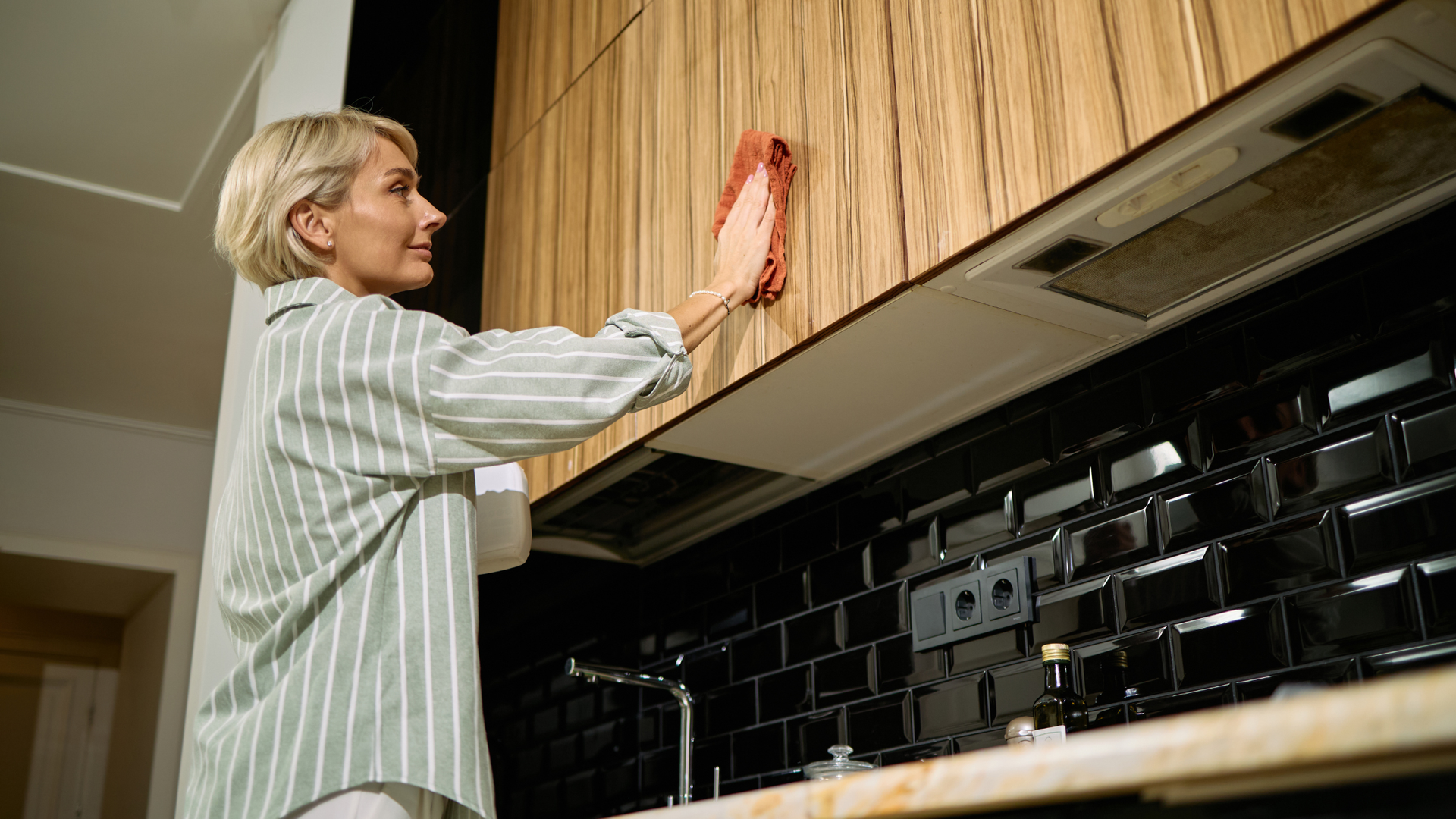
Learn to make eco-friendly DIY cleaning tablets with baking soda, citric acid & essential oils for effective, low-toxin home cleaning and reduced plastic waste.
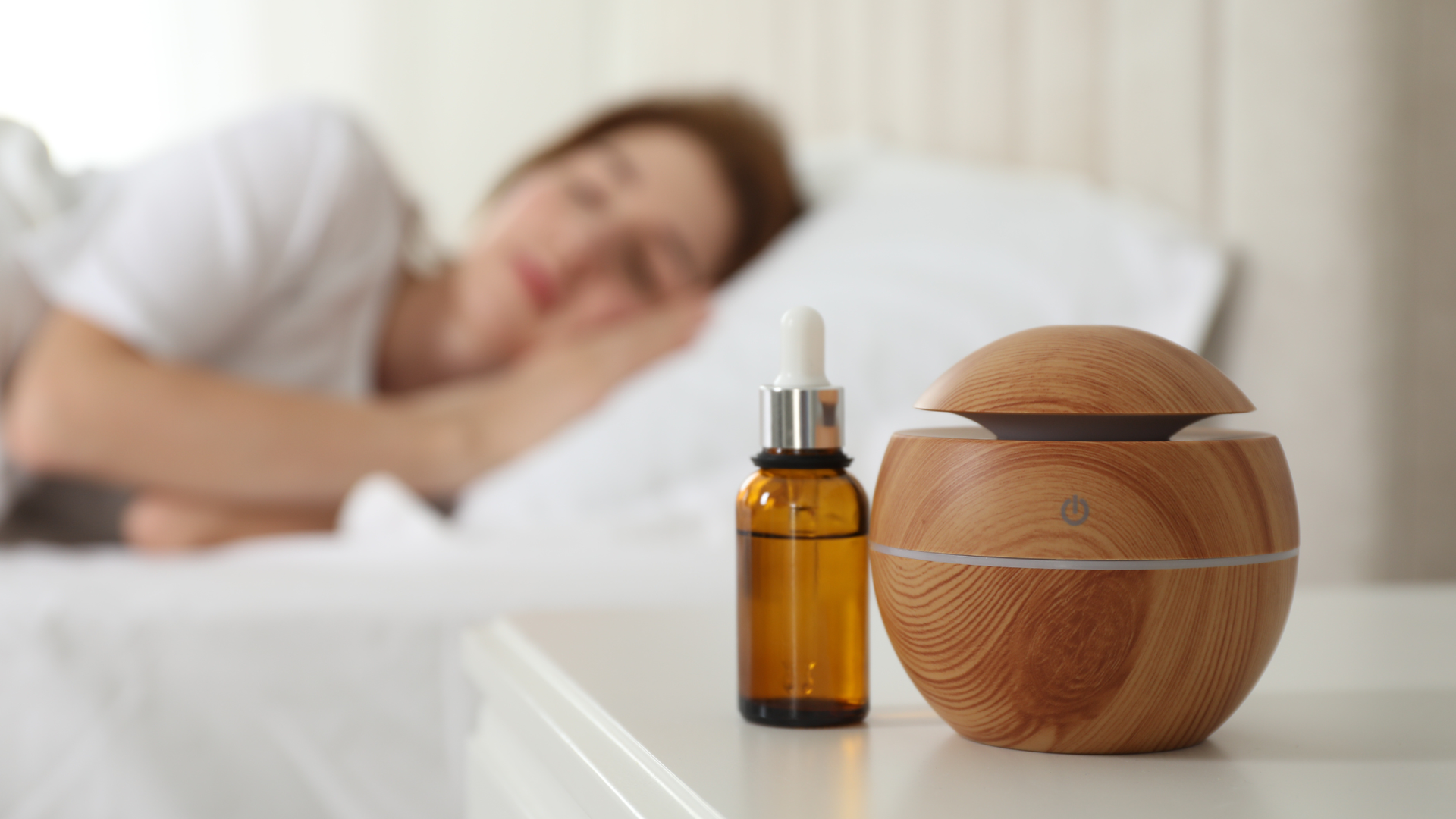
Learn to use essential sleep oils topically or aromatically for a calming bedtime routine. Get practical tips on diffusing, dilution, habit-building.

Unwind overworked joints before bed with a 10-minute essential oil massage. Get dilution tips, techniques, and simple routines for soothing nighttime comfort.
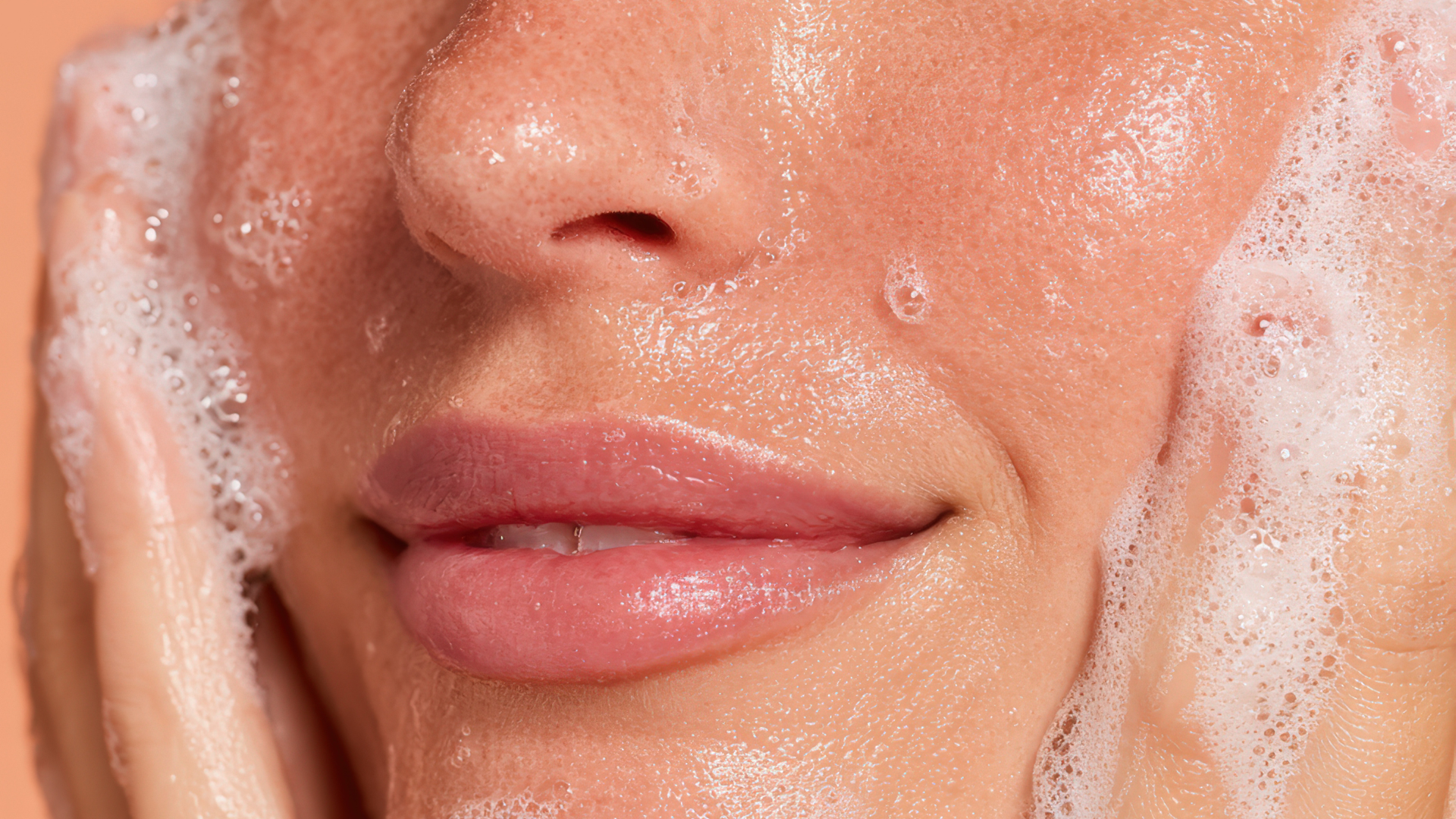
Build a gentle, toxin-free facial care routine with essential oils. Discover safe dilution, patch testing, AM/PM steps and tips for cleaner, healthier skin.

Discover 3 simple essential oil routines to ease work-life stress. Get safety tips and quick scent cues for calm focus and evening wind-downs.
Explore gentle, kid-safe essential oil blends to support your family's cold and flu wellness routines with safe dilution, diffusion tips, and home habits.

Discover a practical monthly menstrual self-care ritual using essential oils, heat, movement, and grounding habits. Safe, realistic tips for comfort and calm.

Kickstart your day with a 10-minute morning ritual using essential oils to support immunity, hydration, hygiene, and stress relief. Simple family tips.

Learn how to create DIY essential oil body scrubs for gentle exfoliation and radiant skin. Discover recipes, safety tips, and ingredient guides for smoother skin.