Storing and Preserving Your Essential Oil Collection: Practical Tips to Maintain Aroma, Potency & Integrity

January 12, 2026

A simple storage routine can protect your oils for the long haul

Essential oils are made of delicate aromatic compounds that can change over time—especially when exposed to light, heat, and oxygen. The good news: you don’t need a complicated setup to keep your collection smelling fresh and performing as intended. With a few smart habits (and the right location in your home), you can help preserve the integrity of each bottle and avoid the most common causes of early degradation.

What actually causes essential oils to “go off”?

Most essential oil quality issues come down to exposure. When oils repeatedly meet oxygen, heat, or sunlight, their aromatic profile can shift—sometimes becoming sharper, duller, or just “not right.” Oxidation is one of the biggest culprits: oxygen interacts with certain constituents (notably in many citrus oils), which can change scent and increase the likelihood of skin sensitivity in oxidized oils. Keeping bottles tightly closed and stored away from heat and light helps slow this process.

The “Big 3” storage stressors
1) Oxygen (air exposure)
Frequent opening, loose caps, and partially filled bottles can speed oxidation—especially for oxidation-prone oils. Keeping caps on tight and minimizing “cap-off” time matters.
2) Heat
Warm rooms, sunny shelves, and cars can accelerate evaporation and chemical changes. A stable, cool spot is ideal.
3) Light (especially direct sun)
UV and bright light can contribute to degradation over time. Dark glass helps, but location still matters—avoid windowsills and sunny countertops.

Best practices: a clean, realistic storage system you’ll actually stick with

A good storage system is equal parts “protective” and “practical.” If you can’t access your oils easily, they’ll end up on a counter near a window—right where you don’t want them. Aim for a setup that keeps oils safe and convenient.

Storage Choice Why it works Quick tip
Drawer or cabinet (cool, dark) Protects from light and temperature swings; easy for daily use. Young Living recommends a cool, dark place and tightly closed lids. Use a small tray or insert so bottles don’t tip.
Dedicated case (home or travel) Reduces breakage and light exposure; keeps families organized. Keep “everyday oils” separate from backups.
Refrigerator (select oils / long-term) Cold storage can slow oxidation; often recommended for oils with shorter shelf life (like many citrus). Let chilled oils return to room temp before opening to reduce condensation risk.
Bathroom shelf Not ideal—humidity and heat fluctuations aren’t oil-friendly. If you must keep something there, use a small “daily-use” bottle and store the main bottle elsewhere.
A note on bottle material
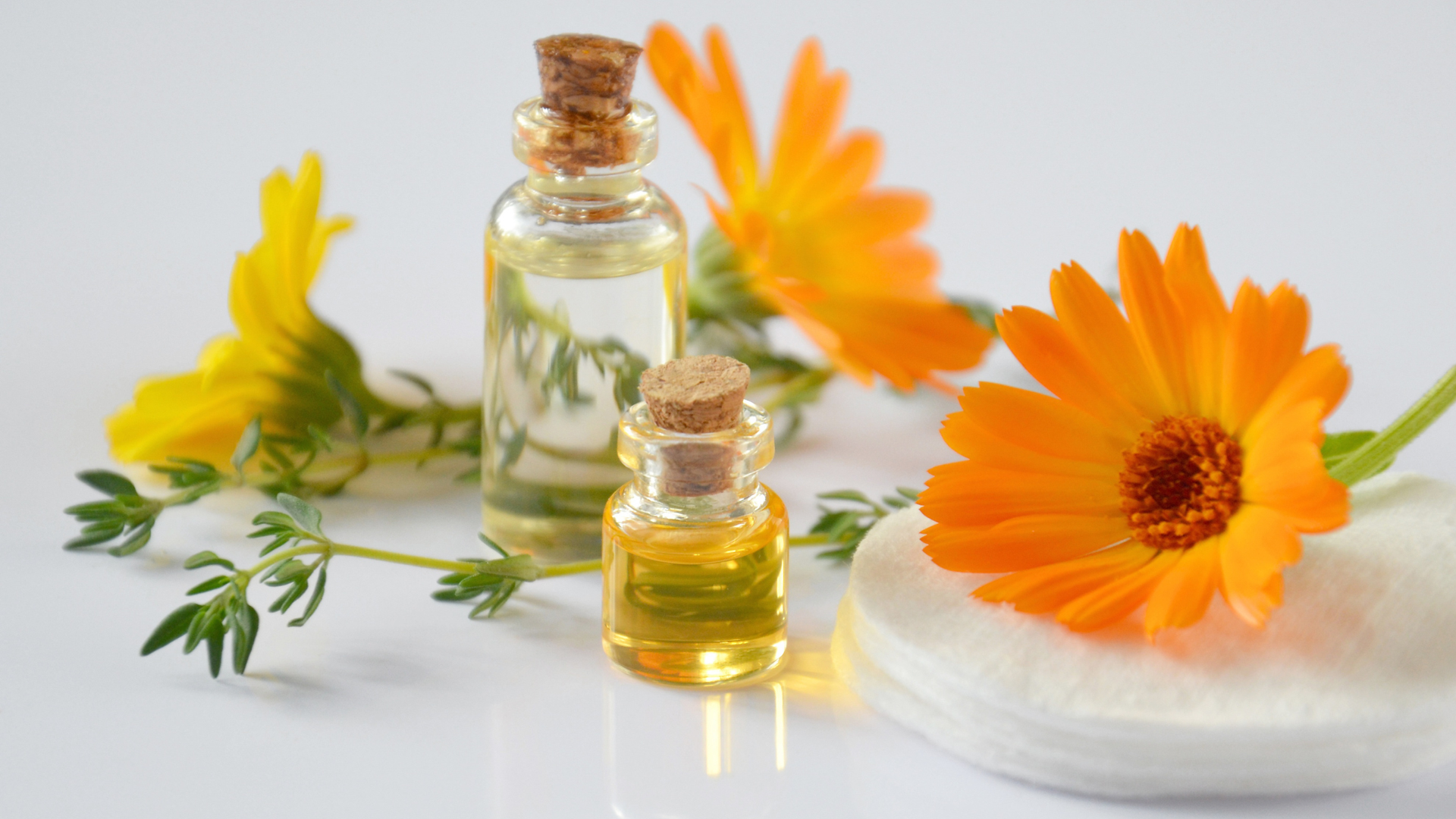
Essential oils are typically stored in dark glass for a reason: it helps reduce light exposure and avoids compatibility issues that can happen with certain plastics. Keep oils in their original bottles when possible.

Shelf-life planning: which oils should you use first?

Some oils are naturally more oxidation-prone than others. A widely used rule of thumb (shared by essential oil safety educator Robert Tisserand) is that many citrus oils have a shorter shelf life than resins, woods, and many florals—especially if they aren’t refrigerated. That doesn’t mean your citrus oils are “bad” quickly; it simply means they benefit the most from careful storage and regular rotation.

Use-first group (often shorter-lived)
Many citrus oils and other monoterpene-rich oils are more prone to oxidation and are commonly suggested for use within about 1–2 years with good storage (refrigeration can help extend usable life).
Longer-lived group (often more stable)
Many woods, resins, and some florals tend to be more stable and may keep their aroma profile longer when stored correctly.
A smart “rotation” habit
Put a small label on the bottom of each bottle with the month/year you opened it. When you buy backups, store them behind your open bottles so you naturally use older oils first.

Everyday handling tips that protect your oils (and your home)

Keep caps on tight (every time)
A tight lid helps reduce oxidation and evaporation. Avoid leaving bottles open while you gather supplies—prep first, then open.
Don’t store oils in a car
Cars swing hot/cold fast. If you carry oils, use a case and bring it indoors with you.
Avoid contaminating the bottle
Try not to touch the dropper or orifice reducer with fingers. Keep the bottle neck clean and dry so the cap seals well.
Watch your blends with carrier oils
If you pre-dilute in a carrier oil, the blend’s usable life often follows the carrier oil’s shelf life (many carriers oxidize sooner than pure essential oils). Store blends carefully and label dates.

Did you know? Quick facts oil lovers appreciate

Refrigeration can extend shelf life
Cold storage slows oxidation and is commonly recommended for long-term preservation—especially for more oxidation-prone oils.
Citrus oils often change first
Many citrus oils contain a high percentage of constituents that oxidize more readily, which is why “use first” rotation is so helpful.
A tight cap does more than prevent spills
Keeping lids tight helps reduce air and moisture exposure and can also reduce evaporation over time.

A practical “United States” home-storage angle (climate + lifestyle)

Across the United States, seasonal temperature swings are a real factor. Winter heating can dry out indoor air and warm certain rooms; summer heat can make kitchens and sun-facing shelves hotter than you think. If your oils live near a stove, a sunny window, or in a bathroom with steamy showers, consider moving them to a bedroom closet, hallway cabinet, or a dedicated drawer—somewhere with fewer temperature peaks.

Best “set it and forget it” spots
A dresser drawer, a linen closet shelf (away from vents), or a cabinet that doesn’t share a wall with a heat source are often the easiest wins for families.

Want to build an oil storage routine that fits your family?

If you’re expanding your collection or refreshing everyday favorites, shopping from one trusted place makes it easier to rotate inventory and keep your oils consistent.

Helpful related pages
Sleep & Rest
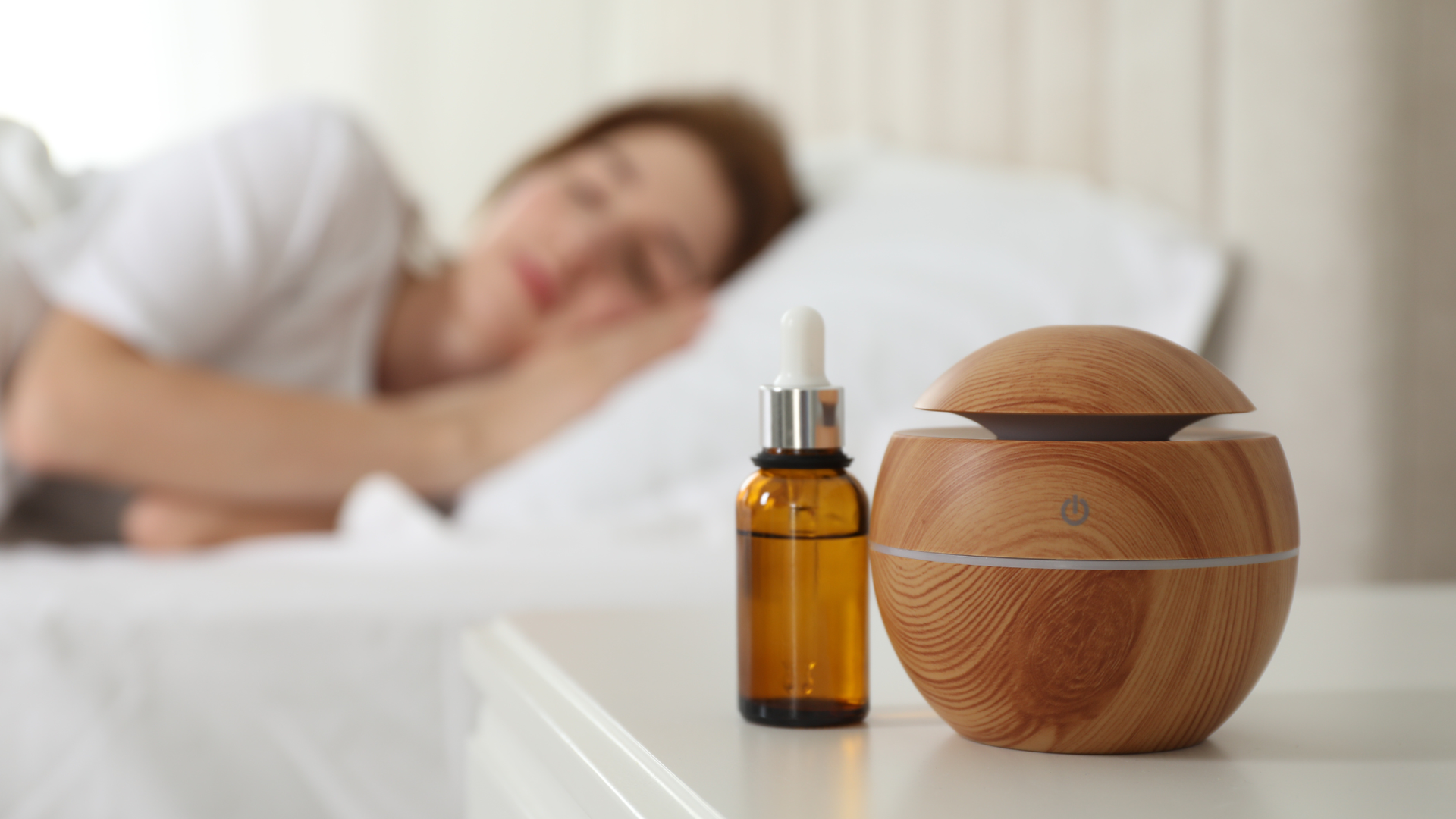
Create a bedtime routine you can keep up with—store “nighttime oils” together for easy access.
Stress & Mood
Keep your most-used blends in a small case to prevent counter clutter and sun exposure.
Immune Support
Organize seasonal favorites so you’re not digging through drawers (and leaving caps off).

FAQ: Storing essential oils

Should I store essential oils in the refrigerator?
Refrigeration is a helpful option for long-term storage and is often recommended for oils that oxidize more readily (like many citrus). If you refrigerate, keep bottles tightly closed and let them reach room temperature before opening to reduce condensation risk.
How do I know if an essential oil has oxidized?
Common signs include a noticeably changed aroma (stale, sharp, or “off”), thickening, or a different color than you remember. When in doubt, avoid using old/oxidized oils on skin and replace with a fresh bottle—especially for oils you apply regularly.
Is it okay to display oils on a shelf?
Yes—if the shelf is away from direct sunlight and heat sources. Even dark glass bottles benefit from being stored in a cooler, darker place. If your shelf gets sun at any point in the day, a drawer or cabinet is a better choice.
Does opening the bottle a lot reduce shelf life?
Frequent opening increases oxygen exposure, which can speed oxidation over time. Quick opens are fine—just avoid leaving caps off, and close the lid promptly after dispensing.
What’s the best way to store oil blends or roll-ons?
Store them like your other oils: cool, dark, and tightly closed. If a blend contains a carrier oil, label it with a “made on” date and prioritize using it sooner, since many carrier oils have shorter shelf lives than pure essential oils.

Glossary (quick, plain-English)

Oxidation
A natural chemical process where oxygen interacts with oil constituents over time, potentially changing aroma and increasing skin-sensitivity risk for some oils.
Volatile compounds
The aromatic molecules that evaporate easily (what you smell). Heat and airflow can speed their evaporation.
Carrier oil
A neutral plant oil (like jojoba or almond) used to dilute essential oils for topical use. Many carrier oils can oxidize (go rancid) faster than pure essential oils.
Orifice reducer
The small plastic insert in many essential oil bottles that dispenses oil drop-by-drop and helps limit air exchange when the cap is on.
Essential oils for Clarity and Focus
January 14, 2026
Discover practical essential oil blends, safe usage tips, and daily routines to boost focus, alertness, and mental clarity through aromatherapy.
January 11, 2026
Discover travel-friendly essential oil routines to boost immunity on busy days. Learn portable roll-ons, inhalers, wipes & wellness habits for on-the-go support.
Essentail Oils for Immunity and Wellness
January 9, 2026
Learn to build simple, family-friendly immune wellness routines with essential oils, vitamin C, zinc, and evidence-based daily habits for year-round support.
Air purifying diffusers
January 8, 2026
Freshen your home with air-purifying diffuser blends and practical tips on source control, ventilation, and filtration for genuinely cleaner indoor air.
January 7, 2026
Discover easy DIY non-toxic cleaning sprays with essential oils. Get recipes, safety tips, and step-by-step guidance for a fresher, greener home cleaning routine.
January 5, 2026
Discover how oil-infused haircare boosts strength, shine & scalp health. Explore DIY treatments, carrier vs essential oils, safety tips & seasonal routines.
January 4, 2026
Build a simple, toxin-free skincare routine with essential oils. Learn safe dilution, patch-testing, beginner steps, and tips for balanced skin health.
January 3, 2026
Build a simple, family-friendly daily stress support routine using essential oils, hydration, and breathwork cues to promote calm and emotional balance.
January 1, 2026
Learn easy aromatherapy strategies—diffusion, inhalation, topical—to relieve stress, boost your mood, and build a calming routine without extra steps.
December 31, 2025
Create simple, calming DIY bedtime roll-ons with lavender, cedarwood & more. Perfect for nightly rituals, kids, and travel—keep your sleep routine consistent.