
Getting Started with Essential Oils: A Family Beginner’s Guide (Safe, Simple, and Confidence-Building)
December 20, 2025
A calm way to begin using essential oils at home
Essential oils can be a beautiful addition to daily routines—especially for families who care about clean living and mindful habits. They’re highly concentrated plant extracts most often used through inhalation
(like diffusing) or by applying a diluted
blend to the skin. ( nccih.nih.gov)
This beginner-friendly guide shares practical, safety-first steps you can use right away—without overwhelm. You’ll learn how to choose your first oils, how to use them in a family setting, and what precautions matter most so your home routine stays simple and supportive.
This beginner-friendly guide shares practical, safety-first steps you can use right away—without overwhelm. You’ll learn how to choose your first oils, how to use them in a family setting, and what precautions matter most so your home routine stays simple and supportive.
1) The 3 most beginner-friendly ways families use essential oils
1. Diffusing (inhalation):
Add a few drops to a diffuser to scent a space. Start small, especially in smaller rooms and around kids.
2. Topical use (always diluted):
Blend essential oil with a carrier (like jojoba, fractionated coconut, or sweet almond) before applying to skin. Poison Control notes that dilution helps reduce skin reactions and that not all oils are appropriate for skin use. ( poison.org)
3. “Green home” routines:
Many families enjoy plant-forward home habits—like refreshing a room naturally or creating a calming evening environment—while still following label directions and common-sense safety.
2) Safety basics every beginner should know (especially with kids at home)
Essential oils are potent.
“Natural” doesn’t automatically mean risk-free. Poison Control notes some essential oils can cause skin rashes, and some can be poisonous if swallowed—children can be more susceptible. ( poison.org)
Use dilution as your default.
The National Association for Holistic Aromatherapy (NAHA) notes most aromatherapy blends are commonly kept in the 1%–5% range, and that undiluted oils on damaged or inflamed skin can be risky. ( naha.org)
Store oils like you would medicine.
Keep bottles locked and out of sight/reach of children and pets.
Know what to do if an accident happens.
If a child (or anyone) swallows an essential oil or you suspect poisoning, contact Poison Control at 1-800-222-1222
for immediate guidance (U.S., 24/7). If someone has trouble breathing, collapses, has a seizure, or can’t be awakened, call 911
. ( poison.org)
3) A simple “starter set” mindset: choose by routine, not by hype
For most families, the easiest way to begin is to pick oils (or blends) that match real daily moments:
Morning:
fresh, bright scents for a clean-start feeling
After school/work:
grounding aromas that help your home feel calm
Bedtime:
relaxing rituals like a diffuser in the evening or a diluted roll-on (when age-appropriate)
Green home:
simple home refresh routines that fit your family’s preferences
If you’d like curated pathways, explore YL Family’s collections for Sleep & Rest, Stress & Mood, and Green Home Living.
4) Step-by-step: how to use essential oils safely (your beginner checklist)
Step 1: Start with one method (diffuse OR topical)
Beginners do best with one lane at a time. If you’re diffusing, start with fewer drops than the diffuser’s maximum. If you’re going topical, focus on dilution first.
Step 2: Dilute, dilute, dilute (for skin use)
NAHA notes that most blends fall between 1% and 5%
and that increasing concentration can increase the chance of skin reactions depending on the oil and the person. ( naha.org)
A practical beginner approach:
A practical beginner approach:
Adults:
start low (around 1%–2%) for daily use
Kids:
use extra caution and lower dilutions; NAHA notes children often require lower ranges (commonly 0.5%–2.5% depending on age and situation). ( naha.org)
Sensitive skin:
start even lower and increase only if well-tolerated
Step 3: Patch test before wider use
Apply a small amount of your diluted blend to a small area (like inner forearm) and wait to see how your skin responds. If irritation occurs, wash gently with mild soap and discontinue.
Step 4: Avoid “hot spots” and damaged skin
Poison Control recommends avoiding essential oils on damaged skin, and NAHA notes damaged or inflamed skin can be more permeable and more sensitive to reactions. ( poison.org)
Step 5: Be mindful of sun exposure (phototoxicity)
Some citrus oils (especially cold-pressed
varieties) can increase the risk of a skin reaction when the area is exposed to UV light. Guidance often recommends avoiding direct sun/UV exposure for a period after using phototoxic oils topically (commonly noted around 12 hours). ( achs.edu)
Family-friendly rule: if you’re applying a citrus blend to skin, place it on areas covered by clothing or use it in the evening, and keep dilution conservative.
Family-friendly rule: if you’re applying a citrus blend to skin, place it on areas covered by clothing or use it in the evening, and keep dilution conservative.
Step 6: If ingestion is a concern, don’t “wait and see”
If a child gets into a bottle, call Poison Control right away for personalized instructions. In urgent, severe situations (trouble breathing, seizure, cannot be awakened), call 911. ( poison.org)
Quick-reference table: safe-start habits for families
| Family scenario | Best beginner approach | Why it matters |
|---|---|---|
| Kids in the home | Lock up oils; start with low diffusion; keep topicals diluted | Children may be more susceptible; ingestion/skin reactions can be serious ( poison.org) |
| Sensitive skin | Patch test; start at 1% (or less) and adjust slowly | Higher concentrations can increase the likelihood of dermal reactions ( naha.org) |
| Outdoor time / sunny climates | Avoid applying phototoxic oils to sun-exposed skin; keep dilutions low | Some citrus oils can contribute to phototoxic reactions under UV ( aromatics.com) |
| Accidental exposure | Call Poison Control; call 911 for severe symptoms | Poison Control is 24/7 and gives case-specific guidance ( poison.org) |
Did you know? (Beginner facts that reduce mistakes)
Phototoxicity depends on the oil and processing.
Cold-pressed citrus oils are more commonly associated with phototoxic risk; some distilled versions may reduce that risk. ( aromatics.com)
Damaged skin absorbs more.
NAHA notes compromised skin can be more permeable, making reactions more likely. ( naha.org)
Essential oils can be harmful if swallowed.
Poison Control warns some essential oils can be poisonous and may also interact with medications. ( poison.org)
A helpful “family routine” framework (without overcomplicating it)
If you’re a parent or caregiver, consistency matters more than having a huge collection. Consider building a small routine that feels supportive:
Morning reset:
diffuse a fresh aroma for 15–30 minutes while you tidy, hydrate, and get out the door
After activity:
create a post-movement wind-down with gentle stretching, hydration, and a diluted topical (when appropriate)
Evening calm:
dim lights, lower noise, and diffuse a relaxing scent briefly before bed
Weekly refresh:
choose one “green home” habit (like airing out rooms and using naturally scented routines) that you enjoy and will repeat
Want a movement companion to pair with your wellness habits? Browse YL Family’s Online Classes
—including Stretch & Tone
and Total Body Pilates Sculpt.
Local angle: clean-living consistency across the United States
In the U.S., families often juggle different climates, school schedules, travel sports, and seasonal routines—all of which can change how you use essential oils. A few practical examples:
Sunny regions year-round:
be extra mindful with topical citrus blends on skin that will see sunlight
Winter dryness:
keep topical use gentle and diluted, especially if skin is irritated or compromised
Busy households:
prioritize safe storage and “set-and-forget” habits (like brief diffusion windows)
If you’re building a family routine and want guidance that’s steady and practical, YL Family’s multigenerational experience is designed to help beginners feel confident—without pressure or hype.
Ready to start with simple, family-friendly essentials?
Shop curated wellness and home options through YL Family and build a routine that feels supportive, consistent, and safe.
Safety note: Essential oils are concentrated. For ingestion concerns or suspected poisoning, call Poison Control (U.S.) at 1-800-222-1222. For severe symptoms, call 911. ( poison.org)
FAQ: Essential oils for beginners (family edition)
Are essential oils safe for kids?
Kids can be more sensitive to essential oils than adults. Use extra caution with diffusion (start low) and keep topical use diluted. NAHA notes children often require lower dilutions than adults. ( naha.org)
Kids can be more sensitive to essential oils than adults. Use extra caution with diffusion (start low) and keep topical use diluted. NAHA notes children often require lower dilutions than adults. ( naha.org)
Should I apply essential oils “neat” (undiluted) on skin?
For beginners, skip undiluted use. Poison Control recommends diluting to reduce the chance of a bad skin reaction and notes not all oils are appropriate for skin. ( poison.org)
For beginners, skip undiluted use. Poison Control recommends diluting to reduce the chance of a bad skin reaction and notes not all oils are appropriate for skin. ( poison.org)
What if someone accidentally swallows essential oil?
Contact Poison Control at 1-800-222-1222 right away for instructions. If the person has trouble breathing, collapses, has a seizure, or can’t be awakened, call 911. ( poison.org)
Contact Poison Control at 1-800-222-1222 right away for instructions. If the person has trouble breathing, collapses, has a seizure, or can’t be awakened, call 911. ( poison.org)
How do I know if an oil is phototoxic?
Some citrus oils—especially cold-pressed varieties—can increase the risk of skin reactions in UV light. When in doubt, avoid applying citrus oils to sun-exposed skin and keep dilutions conservative. ( aromatics.com)
Some citrus oils—especially cold-pressed varieties—can increase the risk of skin reactions in UV light. When in doubt, avoid applying citrus oils to sun-exposed skin and keep dilutions conservative. ( aromatics.com)
Is diffusing safer than topical use?
Diffusing can be a simpler starting point because it avoids direct skin exposure, but “safer” depends on the situation (room size, amount used, and sensitivity). Start with fewer drops and short sessions, especially around children and pets.
Diffusing can be a simpler starting point because it avoids direct skin exposure, but “safer” depends on the situation (room size, amount used, and sensitivity). Start with fewer drops and short sessions, especially around children and pets.
Glossary (beginner-friendly)
Carrier oil:
A neutral oil (like jojoba or fractionated coconut) used to dilute essential oils before applying to skin.
Dilution (%):
How concentrated an essential oil blend is compared to the carrier (for example, a 1% blend is more gentle than a 5% blend).
Patch test:
A small test application on a limited skin area to check for irritation or sensitivity before broader use.
Phototoxicity:
A skin reaction that can happen when certain oils (often some cold-pressed citrus oils) are applied to skin and then exposed to UV light. ( aromatics.com)

Discover teen-friendly bedtime routines with gentle essential oils for 8–10 hours of sleep. Try simple wind-down steps for calmer nights and rested mornings.
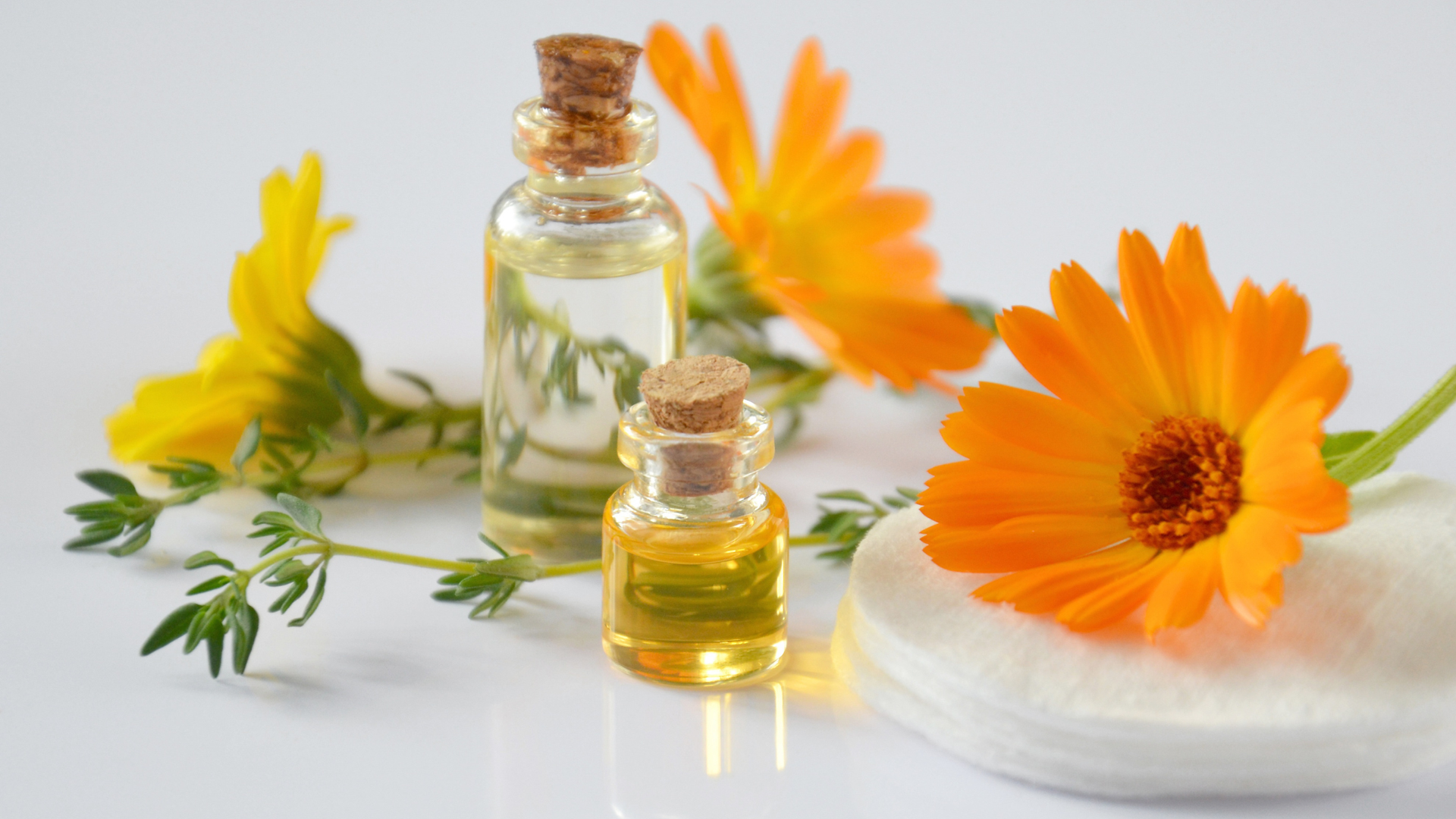
Learn essential oil safety & dilution basics with practical tips. Discover phototoxicity warnings, dilution ratios, and beginner routines for confident, safe use.
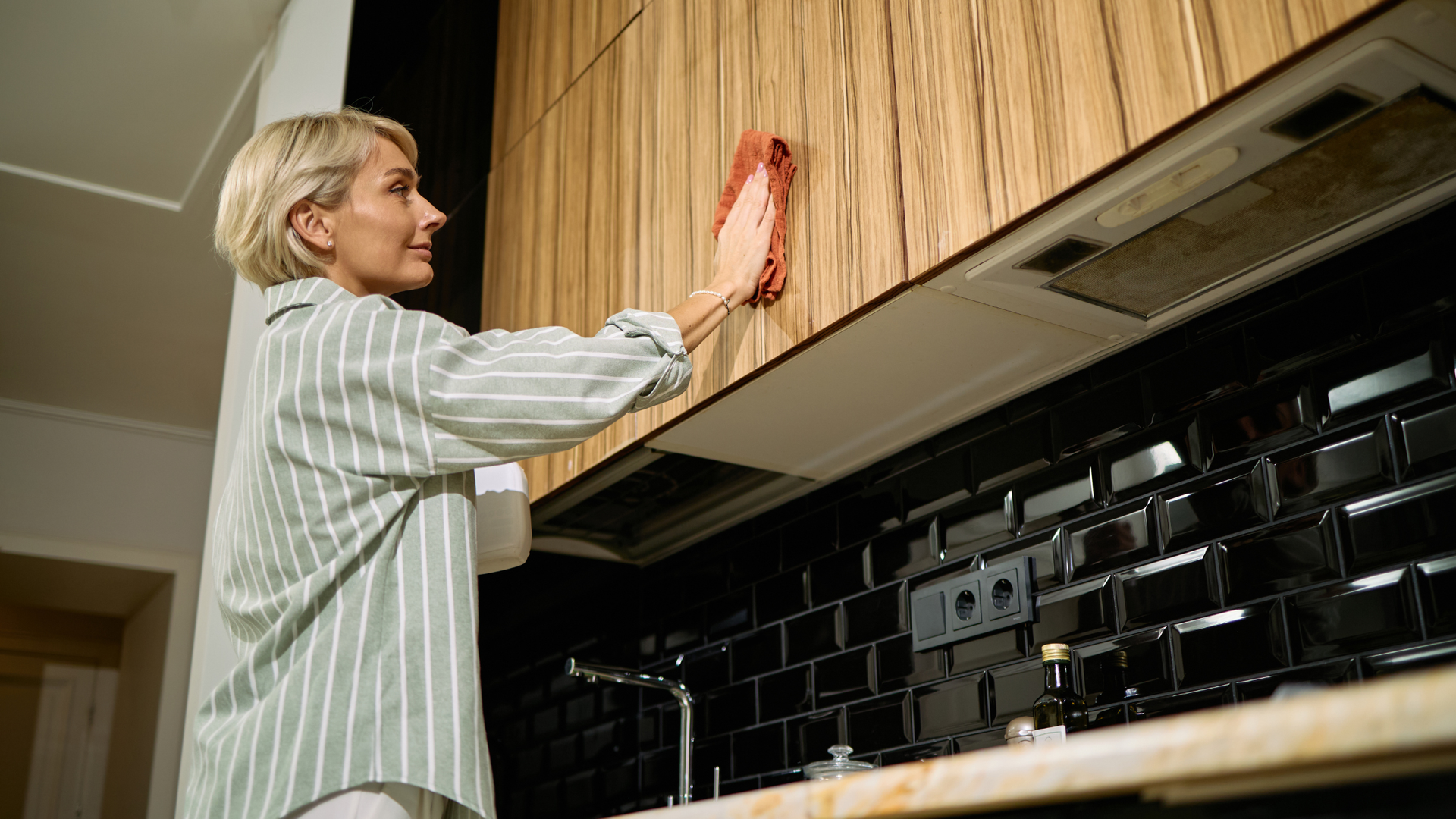
Learn to make eco-friendly DIY cleaning tablets with baking soda, citric acid & essential oils for effective, low-toxin home cleaning and reduced plastic waste.
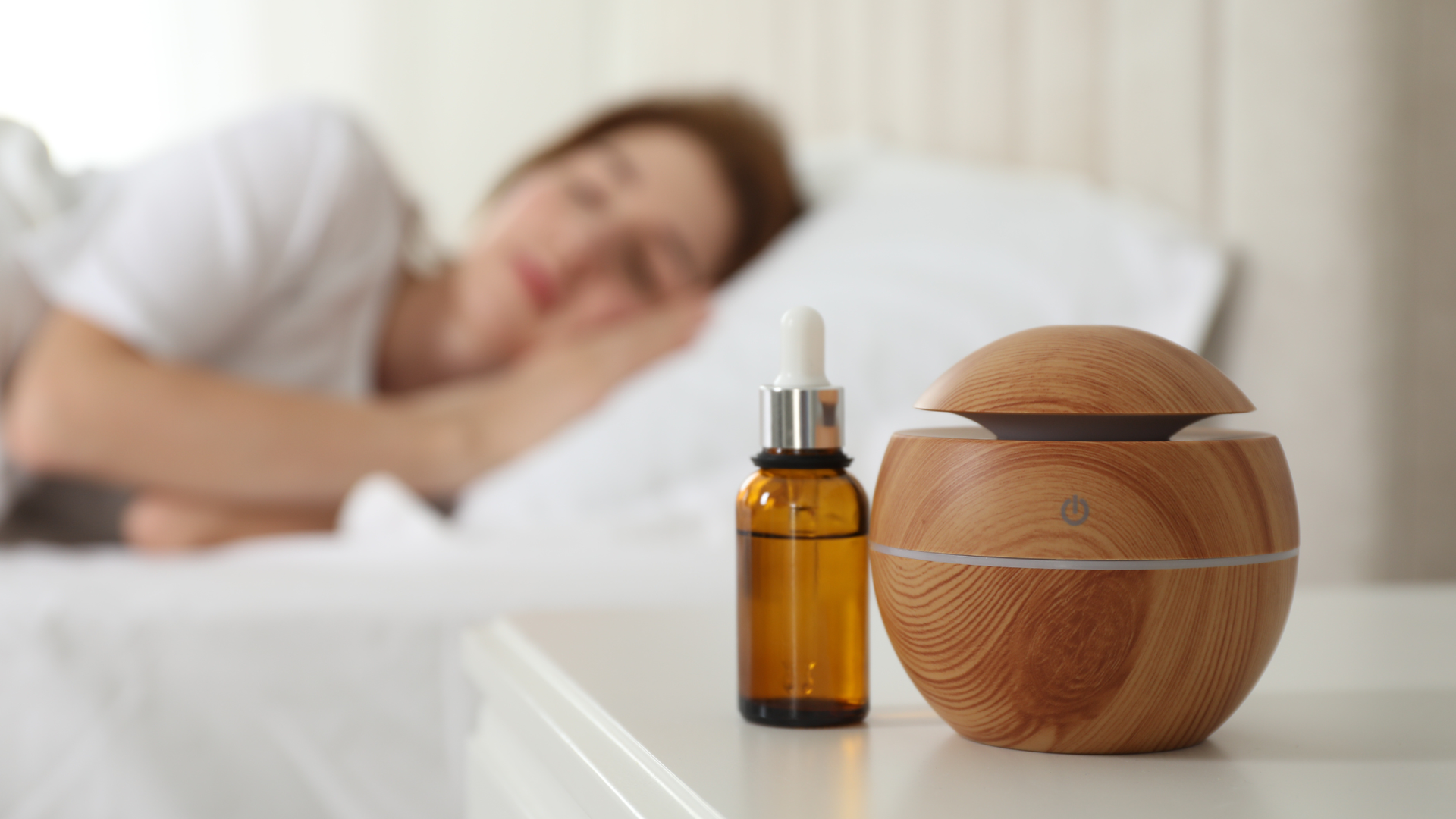
Learn to use essential sleep oils topically or aromatically for a calming bedtime routine. Get practical tips on diffusing, dilution, habit-building.

Unwind overworked joints before bed with a 10-minute essential oil massage. Get dilution tips, techniques, and simple routines for soothing nighttime comfort.
Build a gentle, toxin-free facial care routine with essential oils. Discover safe dilution, patch testing, AM/PM steps and tips for cleaner, healthier skin.

Discover 3 simple essential oil routines to ease work-life stress. Get safety tips and quick scent cues for calm focus and evening wind-downs.
Explore gentle, kid-safe essential oil blends to support your family's cold and flu wellness routines with safe dilution, diffusion tips, and home habits.

Discover a practical monthly menstrual self-care ritual using essential oils, heat, movement, and grounding habits. Safe, realistic tips for comfort and calm.

Kickstart your day with a 10-minute morning ritual using essential oils to support immunity, hydration, hygiene, and stress relief. Simple family tips.