
Oil-Infused Haircare: Tips for Strong, Shiny Locks
January 5, 2026
A cleaner approach to hair shine—without overcomplicating your routine
Healthy-looking hair usually comes down to a few repeatable basics: a comfortable scalp, balanced moisture, and less breakage from heat, friction, and harsh cleansers. Oil-infused haircare can support those goals—especially when you treat essential oils as a “concentrated add-on,” not the whole plan.
At YL Family , we love helping families build simple, toxin-aware routines using high-quality essential oils and natural wellness products. Below, you’ll find practical DIY hair treatments, everyday habits for stronger strands, and safety-forward tips to help you enjoy the benefits of oil-infused haircare with confidence.
At YL Family , we love helping families build simple, toxin-aware routines using high-quality essential oils and natural wellness products. Below, you’ll find practical DIY hair treatments, everyday habits for stronger strands, and safety-forward tips to help you enjoy the benefits of oil-infused haircare with confidence.
What “oil-infused haircare” really means (and what it doesn’t)
Oil-infused haircare usually refers to combining a carrier oil
(like jojoba or argan) with essential oils
(highly concentrated aromatic plant extracts). The carrier oil does most of the “conditioning work,” while essential oils add aroma and targeted scalp-and-hair rituals.
A helpful way to think about it:
If you have a reactive scalp, eczema history, or frequent itching/flaking, treat essential oils as “optional” and go extra low-and-slow. Allergic contact dermatitis can occur with essential oils (even ones people consider gentle), and risk goes up when oils are oxidized or used undiluted.
A helpful way to think about it:
Carrier oils = the base.
They help seal in moisture, reduce friction, and soften hair.
Essential oils = the concentrate. They should be used sparingly and diluted, especially for scalp use, because they can irritate or sensitize skin when overused or applied “neat.”
Essential oils = the concentrate. They should be used sparingly and diluted, especially for scalp use, because they can irritate or sensitize skin when overused or applied “neat.”
If you have a reactive scalp, eczema history, or frequent itching/flaking, treat essential oils as “optional” and go extra low-and-slow. Allergic contact dermatitis can occur with essential oils (even ones people consider gentle), and risk goes up when oils are oxidized or used undiluted.
Choose your base first: best carrier oils for hair and scalp comfort
Your carrier oil choice matters more than most people think. The right base can make hair feel softer and look shinier; the wrong base can feel heavy, leave buildup, or make the scalp feel “stuffy.”
| Carrier oil | Best for | Texture & tips |
|---|---|---|
| Jojoba | Scalp comfort, lightweight shine | Feels close to natural sebum; great “starter” carrier for most hair types. |
| Argan | Frizz, dry ends, heat-styled hair | Use 1–3 drops on ends; can be too rich at the roots for fine hair. |
| Grapeseed | Fine hair, “light oil” people | Fast-absorbing; ideal for quick scalp massage blends. |
| Fractionated coconut (liquid) | Slip for detangling, DIY serum | Light and stable; patch test if you’re acne-prone around hairline. |
| Castor | Targeted edges/ends (very thick hair) | Very thick; best mixed 1:3 with a lighter oil for spreadability. |
Note on safety:
Essential oils are highly concentrated. For topical blends, many aromatherapy safety guidelines keep leave-on products in low dilution ranges, and patch testing is a smart standard practice—especially on the scalp.
DIY hair treatments: simple recipes for shine, softness, and a calmer scalp
These ideas are designed to be approachable for beginners and flexible for seasoned essential-oil users. Keep it gentle: more drops don’t mean better results.
1) “Smooth Ends” pre-wash oil (for dry ends and shine)
Best for:
dry ends, color-treated hair, frizz from cold/dry air
How: Warm 1–2 teaspoons of carrier oil between palms. Apply from mid-length to ends (avoid scalp if you get oily fast). Leave on 20–60 minutes, then shampoo as usual.
Optional essential oil add-on: Use a very low dilution (think “a few drops per ounce,” not a heavy scent). Always patch test first.
How: Warm 1–2 teaspoons of carrier oil between palms. Apply from mid-length to ends (avoid scalp if you get oily fast). Leave on 20–60 minutes, then shampoo as usual.
Optional essential oil add-on: Use a very low dilution (think “a few drops per ounce,” not a heavy scent). Always patch test first.
2) Scalp massage blend (for a refreshed, balanced-feeling scalp)
Best for:
tight scalp, stress-related tension, “my scalp needs a reset” days
How: Mix your essential oils into 1 tablespoon (15 mL) of carrier oil (jojoba or grapeseed are great starters). Massage gently for 2–3 minutes. Shampoo after 15–30 minutes.
Smart safety habits: Keep dilutions conservative, avoid broken/irritated skin, and patch test. If you notice burning, redness, or itching, rinse with a carrier oil first (not water) and discontinue use.
How: Mix your essential oils into 1 tablespoon (15 mL) of carrier oil (jojoba or grapeseed are great starters). Massage gently for 2–3 minutes. Shampoo after 15–30 minutes.
Smart safety habits: Keep dilutions conservative, avoid broken/irritated skin, and patch test. If you notice burning, redness, or itching, rinse with a carrier oil first (not water) and discontinue use.
3) Post-wash “shine serum” (anti-frizz finish)
Best for:
flyaways, ends that look dull, blow-dry friction
How: Place 1–2 drops of a light carrier oil into your palms, rub hands together, and lightly skim over the ends only. Add another drop only if needed.
Pro tip: If your hair looks greasy, you used too much. The best serum is barely there.
How: Place 1–2 drops of a light carrier oil into your palms, rub hands together, and lightly skim over the ends only. Add another drop only if needed.
Pro tip: If your hair looks greasy, you used too much. The best serum is barely there.
4) “Scalp-friendly” fragrance check (simple, but overlooked)
Some essential oils contain naturally occurring fragrance components (like linalool and limonene) that can become more irritating as they oxidize. Store oils tightly capped, away from heat/light, and avoid using old bottles for leave-on scalp blends.
Healthy hair tips that matter more than any DIY recipe
If you want stronger, shinier locks, oils help most when they support a solid foundation. Here are habits that reliably improve hair feel and appearance over time:
Reduce breakage from friction
Swap rough towel drying for a soft cotton tee, detangle starting at the ends, and consider a satin/silk pillowcase. Less friction = more shine.
Use heat like a seasoning, not the main dish
High heat repeatedly chips away at the cuticle. Air dry when you can, and when you do style, keep heat and passes as low as your hair type allows.
Protect the scalp barrier
A comfortable scalp is the “soil” for healthy-looking hair. If you deal with frequent irritation, simplify products and fragrance first. Essential oils can be part of a routine, but they shouldn’t be the first step if your scalp is inflamed or reactive.
A United States-friendly routine: seasonal hair shifts you can plan for
Across the United States, hair needs tend to shift with seasons and climate:
The goal is not “more product,” it’s smarter timing —using oils when they reduce friction and dryness, and backing off when buildup or scalp sensitivity shows up.
Winter (dry indoor heat):
hair feels drier, more static; try a pre-wash oil on ends and a lighter leave-on serum.
Summer (sun, sweat, swimming): scalp gets sweatier; keep scalp blends light, wash after heavy sweating, and focus on ends after swimming.
High altitude / low humidity regions: moisture loss can be more noticeable; use tiny amounts of oil more frequently rather than one heavy application.
Summer (sun, sweat, swimming): scalp gets sweatier; keep scalp blends light, wash after heavy sweating, and focus on ends after swimming.
High altitude / low humidity regions: moisture loss can be more noticeable; use tiny amounts of oil more frequently rather than one heavy application.
The goal is not “more product,” it’s smarter timing —using oils when they reduce friction and dryness, and backing off when buildup or scalp sensitivity shows up.
Shop your haircare routine with YL Family
If you’re building a cleaner hair-and-scalp routine and want trusted guidance on choosing quality essential oils and wellness products, we’re here to help you keep it simple and consistent.
Explore oils and wellness essentials in our shop, or browse supportive routines for stress, sleep, and green home living—because hair health often improves when daily habits feel calmer and more sustainable.
FAQ: Oil-infused haircare
Can I apply essential oils directly to my scalp?
It’s best to avoid applying essential oils undiluted. They’re highly concentrated and can irritate skin or contribute to sensitization. A diluted blend in a carrier oil plus a patch test is the safer route.
How often should I do an oil treatment?
For most people, 1–2 times per week works well for pre-wash treatments. If your hair is fine or your scalp gets oily quickly, start with once weekly and focus on ends rather than roots.
What if my scalp tingles—is that “working”?
Tingling can be a sign of irritation for some people. Comfort is a better measure of tolerance. If you feel burning, itching, or see redness, stop and switch to a gentler approach.
Are essential oils safe for kids’ hair routines?
Kids can be more sensitive to strong aromas and topical ingredients. If you use essential oils, keep dilutions very low, avoid the face/eyes, and consider using carrier oils alone for conditioning. When in doubt, consult a qualified professional for age-appropriate guidance.
How do I patch test a new oil blend?
Apply a small amount of your diluted blend to a small area of skin (often the inner forearm). Wait 24 hours to check for redness, itching, or irritation before using it on the scalp.
Glossary (quick definitions)
Carrier oil:
A plant oil used to dilute essential oils for topical use (examples: jojoba, grapeseed, argan).
Dilution:
The process of mixing essential oil into a carrier oil to lower strength and reduce risk of irritation.
Patch test:
A small skin test used to check for sensitivity before broader use.
Sensitization:
When repeated exposure increases the chance your skin will react (sometimes after previously “tolerating” a product).

Discover teen-friendly bedtime routines with gentle essential oils for 8–10 hours of sleep. Try simple wind-down steps for calmer nights and rested mornings.
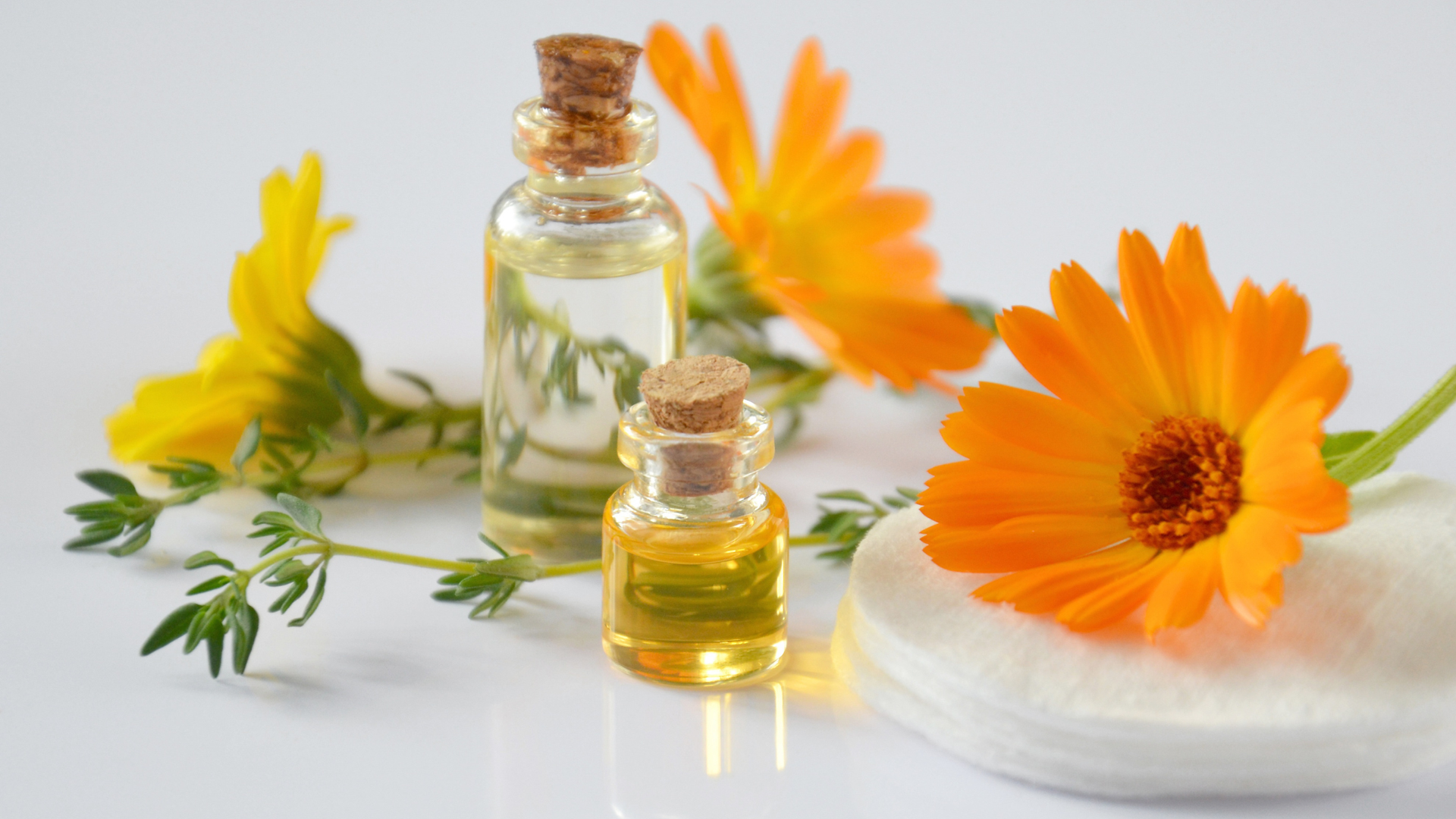
Learn essential oil safety & dilution basics with practical tips. Discover phototoxicity warnings, dilution ratios, and beginner routines for confident, safe use.

Learn to make eco-friendly DIY cleaning tablets with baking soda, citric acid & essential oils for effective, low-toxin home cleaning and reduced plastic waste.
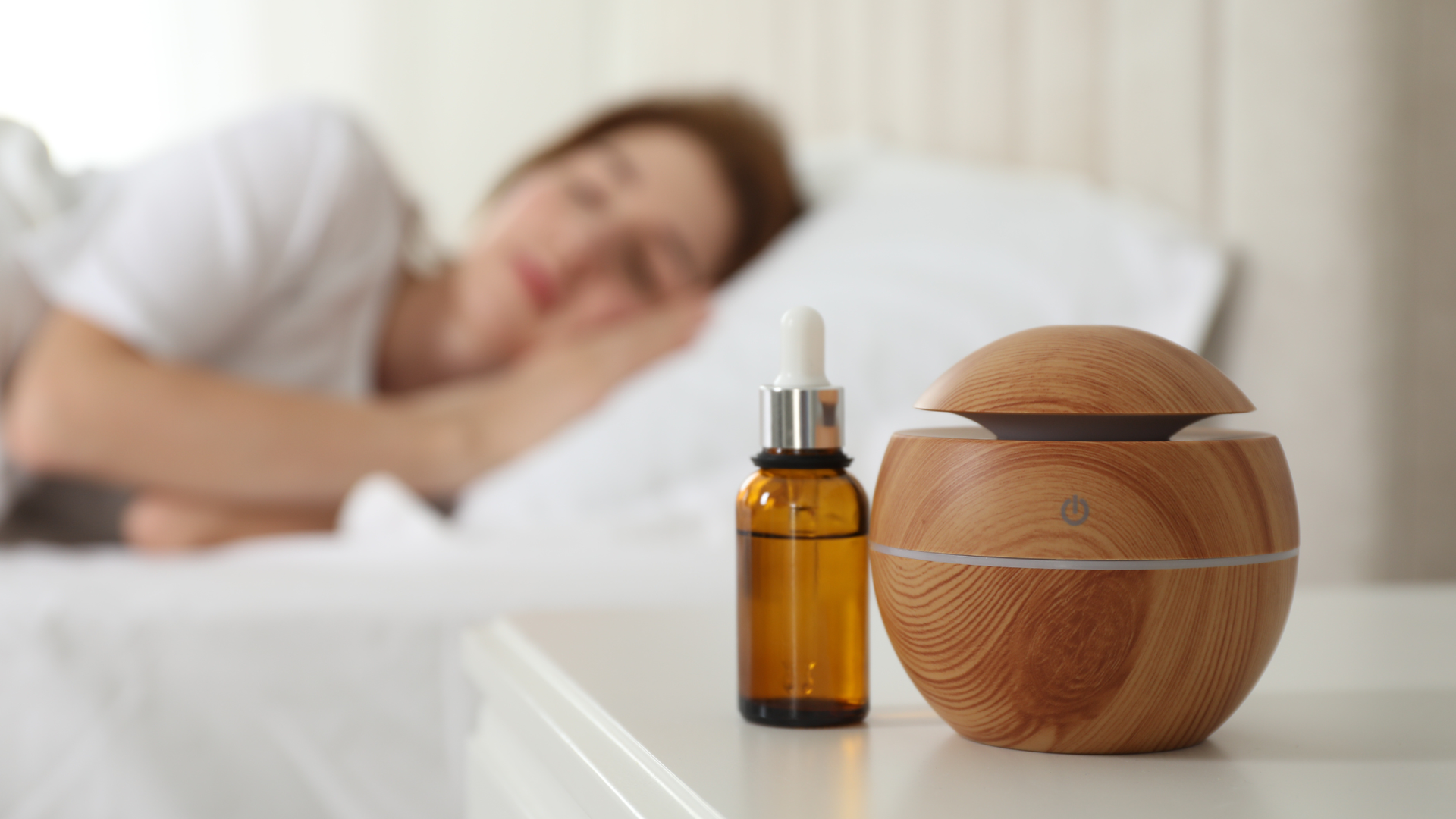
Learn to use essential sleep oils topically or aromatically for a calming bedtime routine. Get practical tips on diffusing, dilution, habit-building.
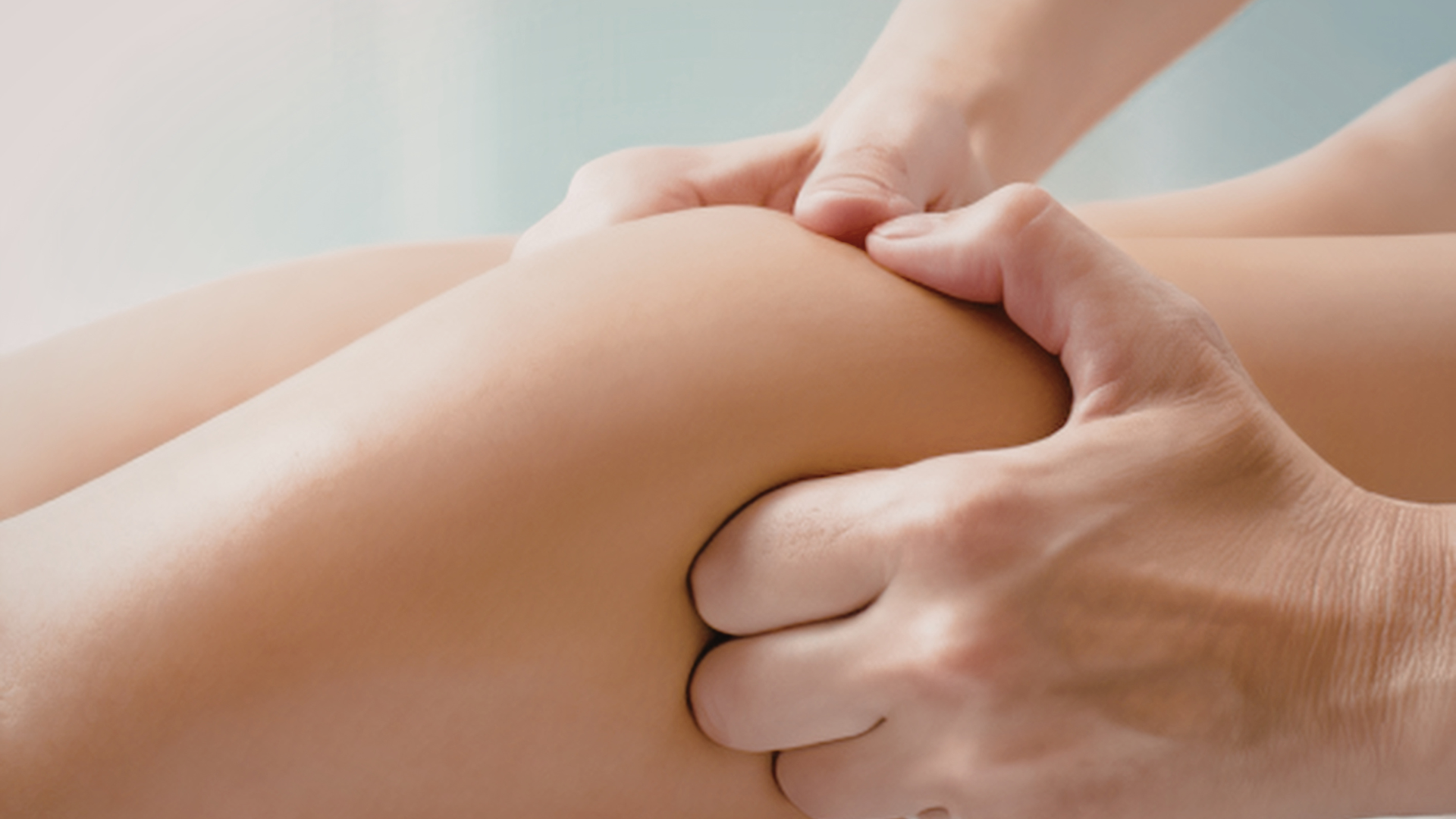
Unwind overworked joints before bed with a 10-minute essential oil massage. Get dilution tips, techniques, and simple routines for soothing nighttime comfort.
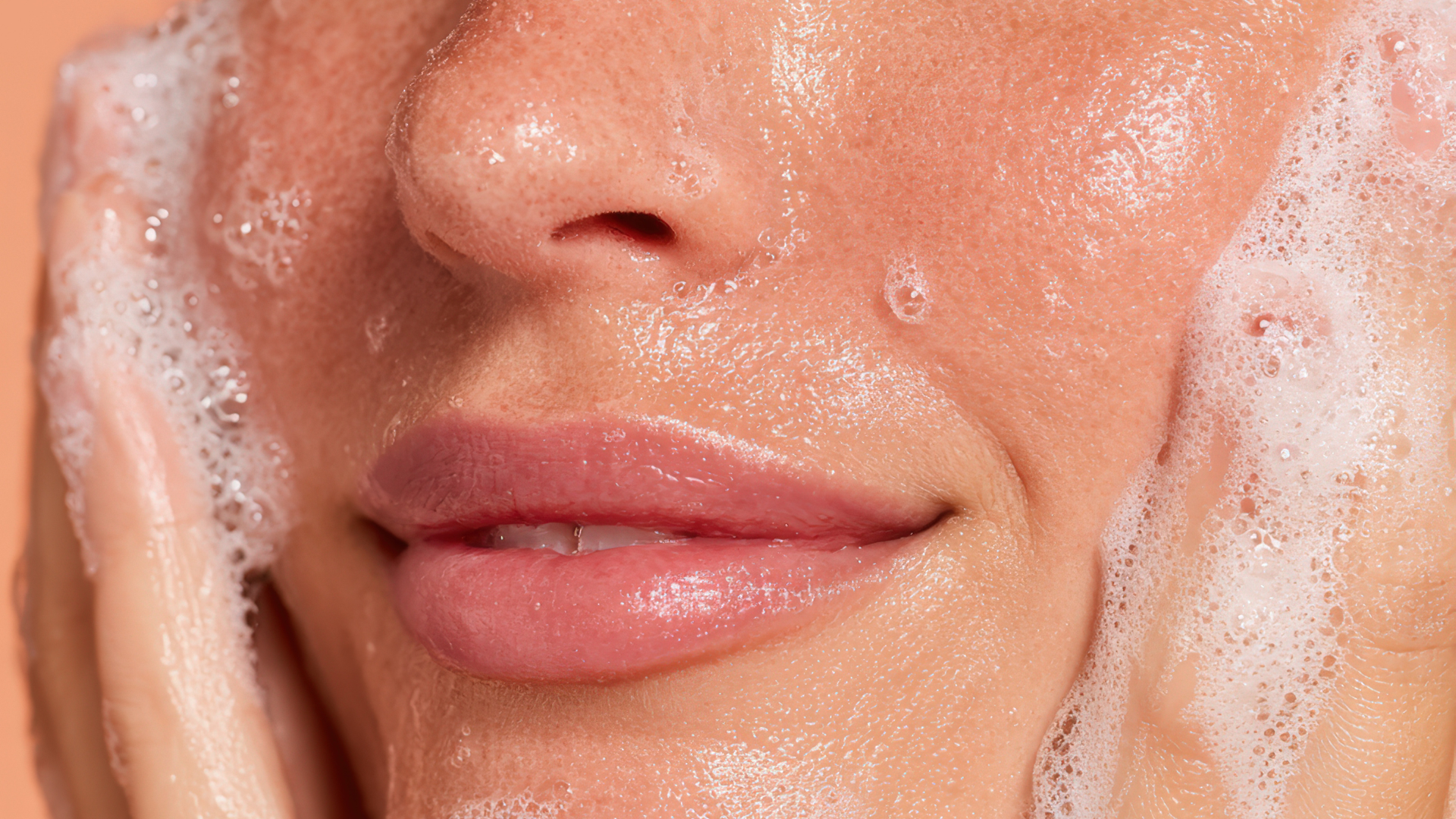
Build a gentle, toxin-free facial care routine with essential oils. Discover safe dilution, patch testing, AM/PM steps and tips for cleaner, healthier skin.

Discover 3 simple essential oil routines to ease work-life stress. Get safety tips and quick scent cues for calm focus and evening wind-downs.
Explore gentle, kid-safe essential oil blends to support your family's cold and flu wellness routines with safe dilution, diffusion tips, and home habits.

Discover a practical monthly menstrual self-care ritual using essential oils, heat, movement, and grounding habits. Safe, realistic tips for comfort and calm.

Kickstart your day with a 10-minute morning ritual using essential oils to support immunity, hydration, hygiene, and stress relief. Simple family tips.