Essential Oil Skincare Basics: Toxin-Free Beauty at Home
A simpler, cleaner routine that still feels luxurious
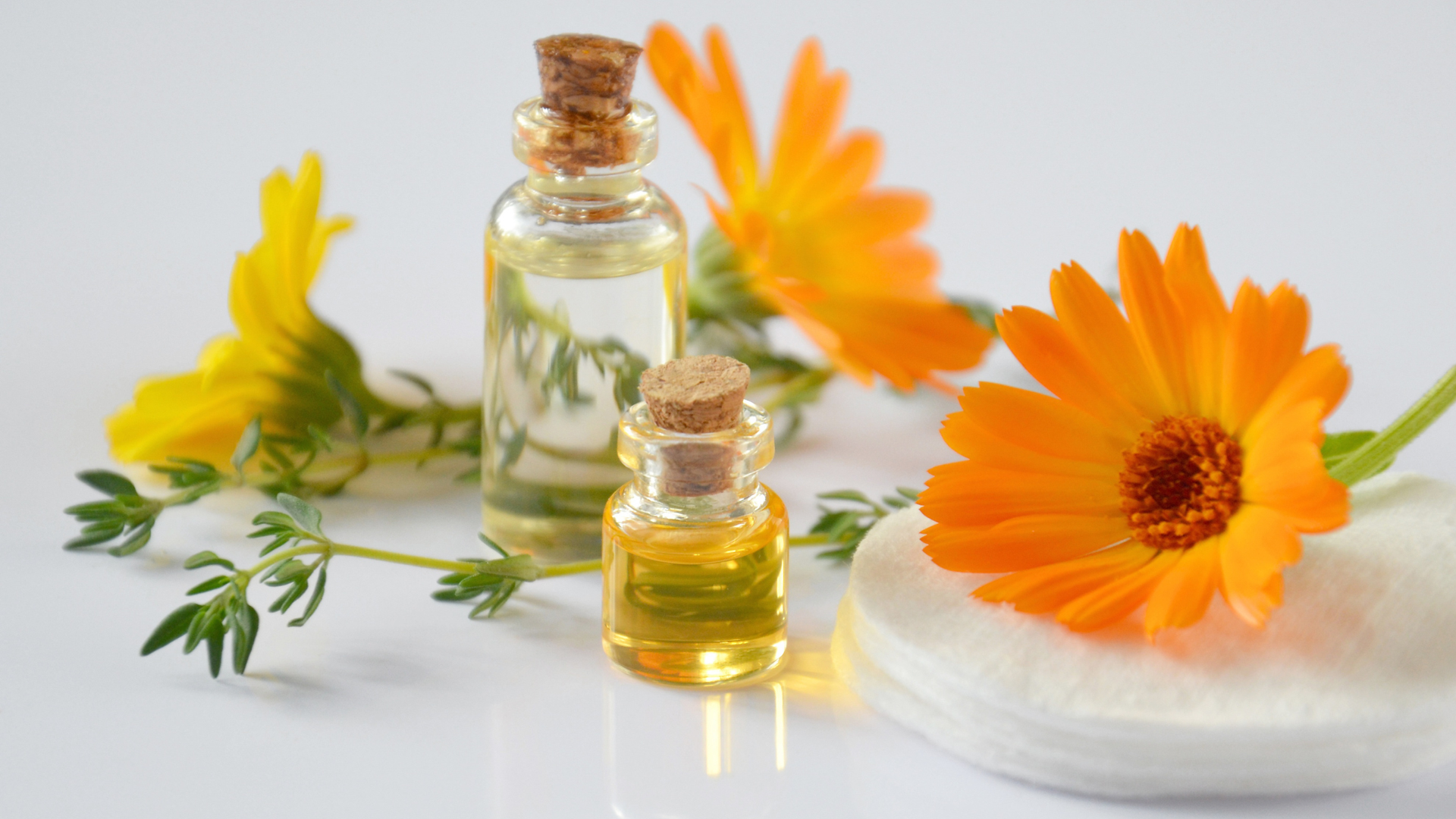
If you’re working toward toxin-free beauty, the goal isn’t perfection—it’s choosing fewer, more purposeful products that support comfortable, balanced-looking skin. Essential oils can be a beautiful part of that routine when used thoughtfully: properly diluted, patch tested, and paired with a skin-friendly base (like jojoba or a gentle, unscented moisturizer). At YL Family , we love helping families build approachable, at-home rituals that feel calming, consistent, and realistic for busy schedules across the United States.
What “toxin-free beauty” actually means (and what it doesn’t)
“Toxin-free” is often used as a shorthand for reducing exposure to ingredients you personally want to avoid —like strong synthetic fragrances, harsh detergents, or long ingredient lists that feel hard to navigate. It can also mean prioritizing transparency (clear ingredient labels) and choosing products that fit your skin’s needs rather than chasing trends.
One helpful reality check: in the U.S., cosmetics are regulated but not pre-approved by the FDA (with some exceptions like certain color additives). Brands are responsible for safety and proper labeling—so being an informed shopper matters. ( fda.gov)
Essential oils in skincare: benefits, boundaries, and best practices
Essential oils are highly concentrated aromatic plant extracts. In skincare, people typically use them to enhance the sensory experience (aroma), to support the look of refreshed skin, and to create a consistent self-care routine. At the same time, essential oils are powerful—so “more” is not better.
Non-negotiables for skin safety
Build a toxin-free beauty routine (without a 12-step program)
Most people get the best results from consistency—not complexity. Here’s a practical framework you can adapt to your skin type and season (dry winter air, humid summers, travel, and stress can all shift what your skin likes).
| Routine step | Keep it simple | Where essential oils fit (optional) | Common mistakes to avoid |
|---|---|---|---|
| Cleanse | Gentle cleanser, lukewarm water | Prefer a mild, low-fragrance base; add aroma via diffuser instead of face products if sensitive | Over-cleansing, harsh scrubs, very hot water |
| Moisturize | Moisturizer matched to skin type | Add a properly diluted blend to a neutral carrier for body use; keep facial use low and cautious | Using undiluted oils; applying too many actives at once |
| Protect | Daily broad-spectrum sunscreen | Use essential oils for aroma in your routine, not as a replacement for sun protection | Skipping SPF; mixing DIY oils into sunscreen (can reduce performance) |
| Reset (1–2x/week) | Hydrating mask or gentle exfoliation if tolerated | A calming bath or foot soak with properly diluted oils can support relaxation | Over-exfoliating; frequent “detox” masks that leave skin tight |
A quick note about fragrance sensitivity
“Fragrance” (including natural aromatic ingredients) can be a trigger for some people. If your skin is reactive, keep formulas minimal, choose lower dilutions, and rotate slowly—one change at a time—so you can tell what’s helping versus what’s irritating. ( fda.gov)
Step-by-step: a beginner-friendly essential oil skincare routine
If you’re new, start with a “less is more” plan for 14 days. The goal is comfort and consistency—not intensity.
Morning (3 minutes)
Evening (5–7 minutes)
Simple dilution guide (for topical body use)
A common reference point is ~1% dilution for broader areas and up to 3–5% for small areas, depending on sensitivity. If you’re new or sensitive, start low. ( verywellhealth.com)
| Dilution | Best for | Practical starting point |
|---|---|---|
| ~1% | Larger areas (like legs/arms), massage-style application | Start here if you’re new or sensitive |
| ~3–5% (small area only) | Spot use on small body areas when you already know tolerance | Use cautiously; avoid face/eye area |
Note: These are general educational ranges—individual oils and skin types vary. If you have a history of dermatitis, allergies, or very reactive skin, consider professional guidance.
Quick “Did you know?” facts
A local angle for the United States: seasonal skincare that stays steady
Across the United States, seasonal swings can change how your skin behaves—especially winter dryness in many regions and higher humidity in others. A toxin-free routine stays easier when you keep the foundation stable and only adjust one variable at a time:
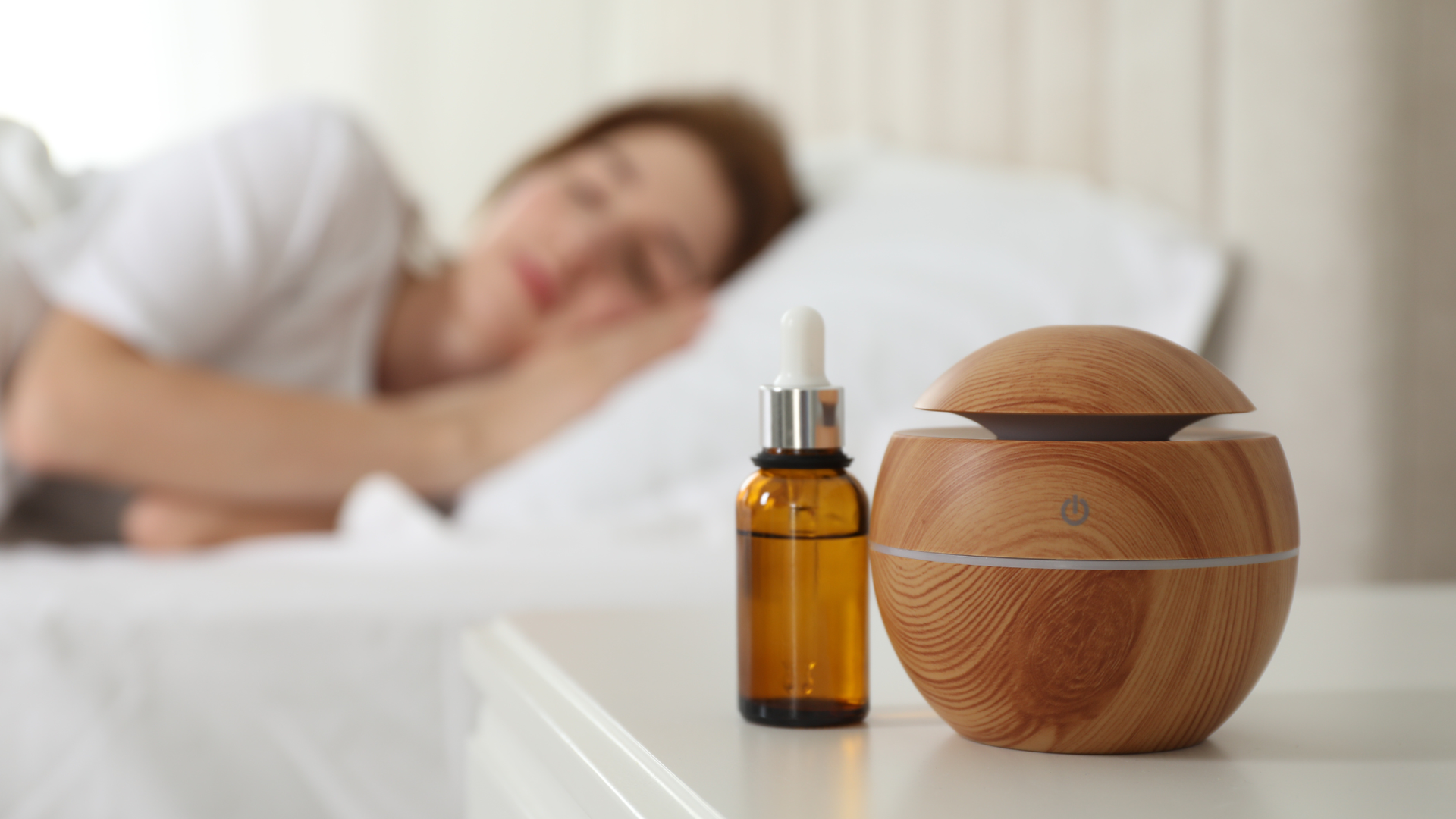
If you’d like a curated approach to calm, sleep-friendly evening rituals (which can support the look of rested skin), explore YL Family’s Sleep & Rest collection: Young Living Sleep & Rest Solutions.
Ready to simplify your toxin-free beauty routine?
Shop essentials for your routine and build a calmer, cleaner daily ritual—one thoughtful step at a time.
FAQ: Essential oils and natural skincare
Are essential oils “safe” for skincare?
Many people use them successfully, but safety depends on the specific oil, your skin, and how you use it. Dilution and patch testing are key, and lower dilution is a smart starting point. ( verywellhealth.com)
Can I apply essential oils directly to my face?
It’s best to avoid undiluted application. Facial skin is often more reactive, and the eye area is especially sensitive. If you choose to use oils on the face, use conservative dilution, patch test, and introduce only one change at a time. ( verywellhealth.com)
Does the FDA approve essential oils used in skincare?
Cosmetic products and ingredients (other than certain color additives) generally do not require FDA premarket approval, but they are regulated for safety and labeling. Marketing claims can also affect whether a product is treated as a cosmetic or a drug under U.S. law. ( fda.gov)
What carrier oils work best for beginners?
Many people start with gentle options like jojoba, fractionated coconut oil, or a plain, fragrance-free lotion base. The best choice is one your skin already tolerates well.
How do I keep a toxin-free routine affordable?
Start by replacing the products you use most often (like moisturizer or body lotion) with simpler ingredient lists. Add optional aromatics last—once your base routine feels stable.
Glossary
Carrier oil
A neutral oil (like jojoba) used to dilute essential oils before applying them to the skin.
Dilution
Mixing a small amount of essential oil into a carrier oil or base product to reduce irritation risk and make topical use more skin-friendly.
Patch test
Applying a tiny amount of a diluted product to a small skin area first to check for sensitivity before broader use. ( verywellhealth.com)
Cosmetic vs. drug (U.S.)
In U.S. law, a cosmetic is intended to cleanse or beautify; products intended to treat or prevent disease (or affect the body’s structure/function) may be regulated as drugs. ( fda.gov)