Building a Daily Stress Support Routine with Essential Oils (Simple, Steady, Family-Friendly)
A routine that supports emotional balance—without turning your day into a project
Stress isn’t always dramatic. More often, it’s the steady drip: busy mornings, decision fatigue, screen time, and the “one more thing” feeling that follows you into the evening. A daily stress support routine helps you respond with more steadiness—using small, repeatable cues that tell your body and mind it’s safe to soften. For many families, daily aromatherapy becomes one of those cues: a simple scent anchor paired with hydration, movement, and breathwork.
What “stress support” means (and what it doesn’t)
A healthy stress support routine is about building resilience and calm habits—supporting mood, focus, and relaxation in everyday life. It’s not a replacement for medical or mental health care, and it’s not about “erasing” stress. The goal is to create a dependable rhythm that helps you downshift when life speeds up.
Helpful mindset: Think “micro-supports, repeated often.” A 60-second reset done consistently can be more meaningful than a once-a-month overhaul.
Why scent can work well in a daily routine
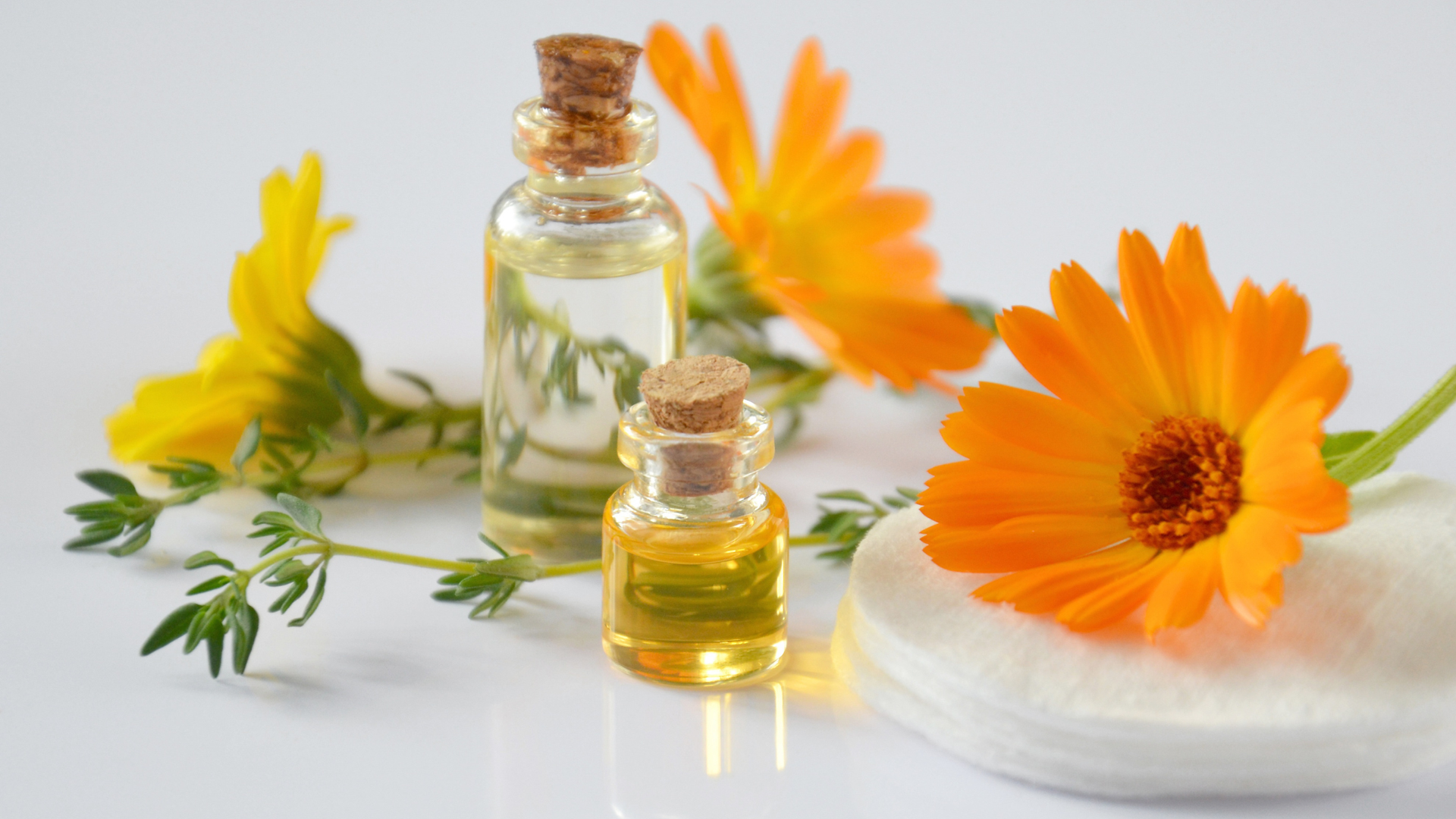
Aromatherapy is commonly used by inhaling essential oils or applying a properly diluted oil to the skin. Research is still evolving, and effects vary by person and context, but aromatherapy is widely used as a complementary practice for relaxation and wellbeing. Lavender, chamomile, geranium, lemon, cedarwood, and bergamot are among oils commonly used in aromatherapy. ( nccih.nih.gov)
One reason scent can feel “fast” is that it’s easy to pair with habits you already do—like getting dressed, making coffee, or washing your face—so your routine becomes automatic instead of another task to remember.
| Routine Moment | Aromatherapy Option | Why it helps the habit stick |
|---|---|---|
| Morning transition | Diffuse a bright, “fresh” scent family (citrus/herbal profiles) | Signals “start the day” without extra steps |
| Midday reset | Personal inhaler or a quick diffuser session | Pairs well with a 60–90 second breathing break |
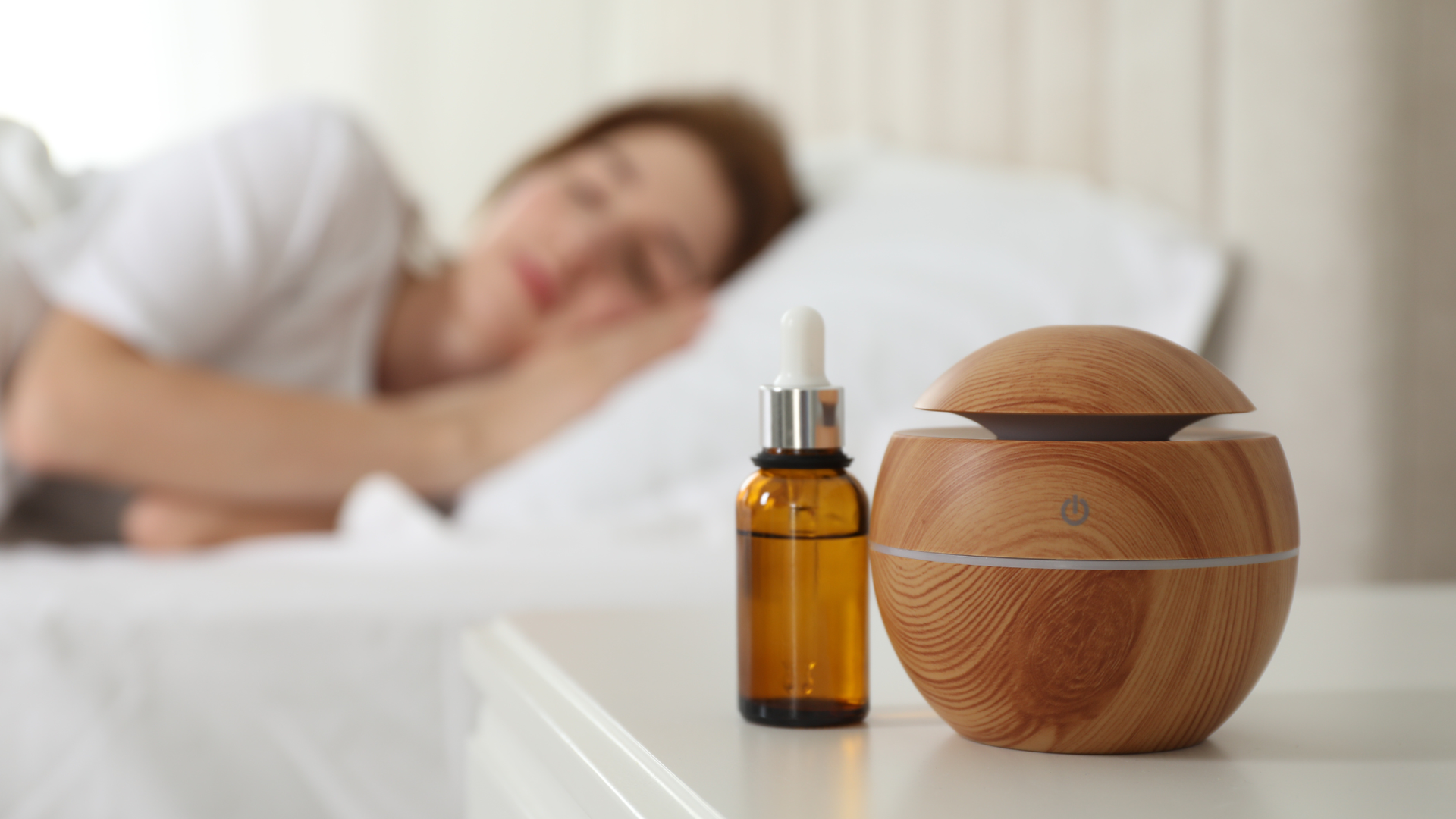
| Evening wind-down | Calming scent profile (lavender/chamomile/woodsy) | Creates a consistent “bedtime cue” |
| On-the-go | Diluted topical blend (patch-tested) on wrists/neckline area | Portable support when routines are disrupted |
Safety first: stress support should feel gentle, not intense
Essential oils are concentrated. If you’re using them topically, dilute well and start low—especially for sensitive skin or when supporting kids and teens. Many aromatherapy blends commonly fall in the 1–5% dilution range , with lower ranges often recommended for children (commonly 0.5–2.5% , depending on age and situation). ( naha.org)
Quick safety habits: patch test first, avoid eyes/mucous membranes, keep oils stored safely away from children and pets, and pause use if irritation occurs. If you’re pregnant, nursing, managing a chronic condition, or taking medications, consider checking with a qualified clinician before topical use.
Quick “Did you know?” stress-support facts
Breath is a built-in reset button. Deep breathing exercises are widely recommended as a quick, no-cost way to reduce stress and steady the nervous system. ( apnews.com)
Inhalation is a common aromatherapy method. Many people prefer inhalation (diffuser, personal inhaler) because it’s simple and doesn’t require skin application. ( nccih.nih.gov)
Consistency beats intensity. A short routine repeated daily (same scent + same action) can become a powerful cue for calm over time.
Step-by-step: a simple daily aromatherapy routine for emotional balance
Use this structure as your “default week.” Then adjust based on seasons, schedules, and what your family responds to best.
1) Morning (2–5 minutes): Set the tone
Pick a “daytime” scent profile and use it the same way each morning (diffuser while you make breakfast, or a personal inhaler while you plan your day). Keep it light—this is a cue, not a cloud.
Pair it with: one glass of water and a quick stretch at the kitchen counter.
2) Midday (60–120 seconds): Regroup before you snap
Choose one “reset” moment—after school pickup, between meetings, or before you start dinner. Inhale your chosen scent and do a short breathing pattern.
Try box breathing: inhale 4, hold 4, exhale 4, hold 4 (repeat 3–4 rounds). Breathing exercises like these are commonly recommended for stress reduction. ( apnews.com)
3) Evening (10–20 minutes): Build a predictable wind-down
Pick a calming scent profile and use it only at night. This helps your brain associate that scent with “off duty.” You can diffuse while you dim lights, prep lunches, or read.
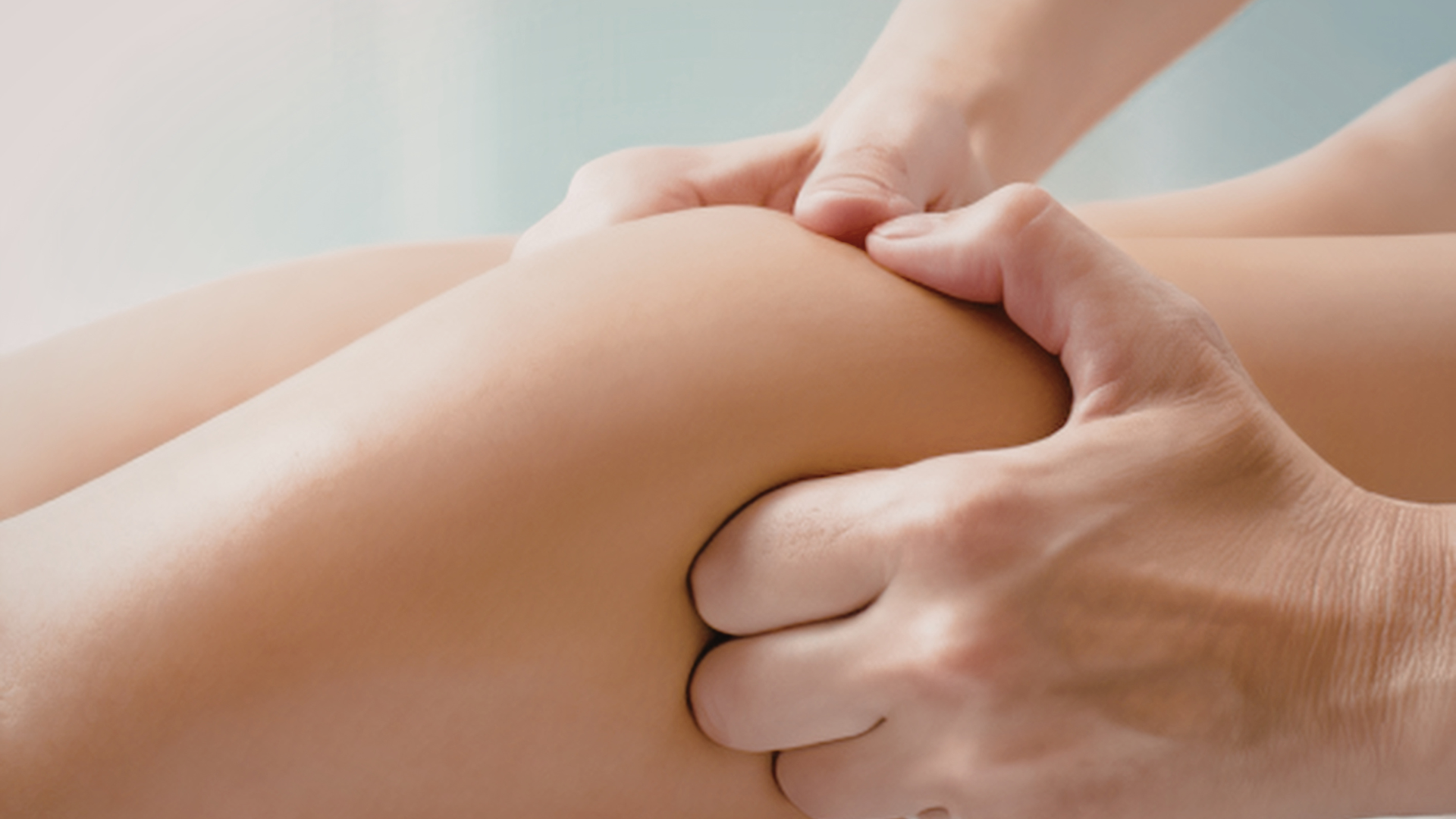
Optional add-on: a diluted topical application (after patch testing) as part of a gentle self-care ritual like lotioning hands/feet.
4) Weekly (10 minutes): Make it sustainable
Once a week, check in: “What moment felt hardest?” That’s where your routine should get simpler—not bigger. You may only need one anchor (morning or evening) to feel a difference.
Want a guided collection built for calm routines? Explore YL Family’s Stress & Mood page for curated options and education, or pair your evening ritual with ideas from Sleep & Rest.
Local angle: making routines realistic in the United States
In the U.S., many households run on tight transitions—commutes, school calendars, after-school activities, and long stretches of screen time. If you want a routine that lasts, build it around your most predictable moments, not your ideal ones.
Three U.S.-friendly routine anchors:
Car-to-home reset: one deep-breath cycle before walking in the door.
After-dinner cleanup cue: diffuse a nighttime scent while the kitchen closes down.
Sunday prep: set out your diffuser/inhaler where you’ll actually use it (visibility beats willpower).
Ready to build your routine with clean, consistent products?
Shop YL Family’s wellness collection and choose a few simple supports you’ll use daily—then keep your routine steady for two weeks before changing anything.
Shop Stress-Support EssentialsFrequently Asked Questions
How long should I try a stress support routine before deciding if it’s helping?
Give it about 10–14 days of consistent use. Track one simple outcome (for example: “How tense do I feel at 3 p.m.?” or “How quickly do I unwind at night?”).
Is inhalation or topical use better for daily aromatherapy?
Many people prefer inhalation because it’s simple and doesn’t involve skin sensitivity. Topical use can be a great ritual too—just keep dilution conservative and patch test first. ( nccih.nih.gov)
What’s the easiest routine for busy parents?
Choose one anchor : either morning OR evening. Add a 60-second breathing reset midday if you can. That’s enough to create momentum without adding stress.
Can I use essential oils around kids and teens?
Many families do, but kids can be more sensitive. Keep diffusion gentle (especially in small rooms), avoid direct contact with eyes/face, and use lower dilutions if you apply topically. When in doubt, keep it simple and conservative. ( naha.org)
What else should I pair with aromatherapy for better emotional balance?
Pair scent with one other “regulation lever”: hydration, sunlight in the morning, a short walk, stretching, or a breathing exercise. Breathwork is especially effective because it’s portable and quick. ( apnews.com)
Glossary (plain-English)
Aromatherapy: Using essential oils from plants as a complementary wellness approach—most commonly by inhalation or by applying a diluted oil to skin. ( nccih.nih.gov)
Dilution: Mixing essential oil into a carrier (like a plant oil lotion base) to make topical use gentler and reduce the risk of skin irritation. ( naha.org)
Box breathing: A paced breathing pattern (often 4-4-4-4) used to calm and refocus during stress. ( health.com)