
Aroma Strategies to Ease Stress and Uplift Mood (Without Overcomplicating Your Routine)
January 1, 2026
Small scent cues, steady calm: practical aromatherapy you can actually stick with
Stress doesn’t always show up as a big, obvious moment. More often, it’s the “always-on” feeling—tight shoulders, racing thoughts, shallow breathing, and a mood that runs a little flat. Aroma-based habits can be a simple, supportive way to shift your state in the moment and build a more soothing environment over time. Research on inhalation aromatherapy suggests potential benefits for stress and anxiety in clinical settings, though methods and dosing vary widely. ( sciencedirect.com)
Why scent can feel like a “shortcut” to calmer
Smell is closely tied to areas of the brain involved in emotion and memory—which is why a scent can feel grounding fast. Inhalation aromatherapy has been studied as a complementary approach for stress and anxiety, with many trials reporting a positive effect (especially in short-term, situational stress). ( sciencedirect.com)
It’s also worth keeping expectations realistic: the National Center for Complementary and Integrative Health (NCCIH) notes that evidence is mixed and, for some uses (like insomnia), more rigorous research is still needed. ( nccih.nih.gov)
A beginner-friendly “menu” of mood-supportive aroma approaches
You don’t need a complicated routine. Think of aromatherapy as a set of tools you can match to your day:
Diffusion (room scent):
best for setting the tone at home—work blocks, evening wind-down, family routines.
Personal inhalation (quick reset):
best for in-the-moment stress—before meetings, school pickup, travel, or a tough conversation.
Topical (diluted):
best when you want scent + a soothing ritual (neck/shoulder massage, hand massage, post-workout care). Safety matters most here.
Quick “Did you know?” facts
Inhalation is often the easiest place to start.
A meta-analysis of adult RCTs found inhalation to be the most effective aromatherapy delivery method in that dataset. ( pubmed.ncbi.nlm.nih.gov)
Some citrus oils can be phototoxic on skin.
Bergamot oil, for example, may increase sun sensitivity when applied topically unless it’s furanocoumarin-free (FCF). ( tisserandinstitute.org)
“Natural” can still irritate skin.
Essential oils can trigger allergic contact dermatitis in some people—especially with frequent use, undiluted application, or sensitive skin. ( dermnetnz.org)
Step-by-step aroma strategies for stress relief + mood uplift
1) The 60-second “Pause + Breathe” inhalation reset
When stress spikes, your goal is not to “fix your life”—it’s to interrupt the stress loop. Choose one scent you personally find pleasant (this matters more than chasing a trendy oil).
Step 1:
Place 1–2 drops on a tissue or aroma inhaler (avoid getting oil on skin if you’re sensitive).
Step 2:
Inhale gently for 3 slow breaths; then step away and reassess.
Step 3:
Pair it with a cue phrase like “soft shoulders” or “one thing at a time.”
Safety note: inhalation is considered low risk for most people, but prolonged exposure to high vapor levels can cause headaches or nausea—ventilation matters. ( naha.org)
2) A “work focus” diffuser routine that doesn’t overwhelm your space
Diffusion works best in short sessions. Instead of running a diffuser all day, try structured “on/off” blocks so your nose doesn’t fatigue and the aroma stays pleasant.
Step 1:
Diffuse for 15–30 minutes.
Step 2:
Turn it off for 30–60 minutes (or open a window).
Step 3:
Repeat once or twice, then stop for the day.
If anyone in the home has asthma, migraines, or strong scent sensitivity, go lighter and keep airflow moving. NCCIH also notes that responses can vary by individual and situation. ( nccih.nih.gov)
3) A calming evening “hands + shoulders” ritual (topical, diluted)
A short self-massage can be a powerful transition from “doing” to “resting.” Keep it simple and keep it diluted.
Step 1:
Choose an unscented carrier oil or lotion.
Step 2:
Use a conservative dilution (many education sources suggest starting low; if you have sensitive skin, start even lower).
Step 3:
Apply to hands, then massage into shoulders/neck for 2–3 minutes.
NAHA recommends diluting essential oils for skin use and does not support indiscriminate undiluted application—especially for oils known to irritate or sensitize. ( naha.org)
Quick safety checklist (especially for families)
Ventilate your space:
avoid intense, prolonged diffusion in closed rooms. ( naha.org)
Dilute for topical use:
start low, patch test, and discontinue if irritation occurs. ( naha.org)
Be sun-smart with certain citrus oils:
bergamot can be phototoxic when applied to skin unless it’s FCF; follow conservative use and avoid sun exposure on those areas. ( tisserandinstitute.org)
Internal use needs advanced guidance:
NAHA does not support indiscriminate internal use; if considering it, do so only with knowledgeable professional support and properly labeled products. ( naha.org)
If you’re pregnant, have asthma, take medication, or are managing a health condition, it’s wise to check in with a qualified healthcare professional before starting a new essential oil routine. ( nciph.org)
Helpful table: choose the right aroma approach for the moment
Goal
Best method
Time needed
Notes
Quick calm during a stressful moment
Personal inhalation
1–2 minutes
Lower “commitment,” portable, easy to repeat.
Lift the mood in shared spaces
Diffusion (short sessions)
15–30 minutes
Ventilation helps; avoid overpowering scents. ( naha.org)
Add a relaxing ritual to your evening
Topical (diluted)
3–5 minutes
Patch test; discontinue if irritation occurs. ( dermnetnz.org)
A U.S. seasonal angle: matching aroma habits to real life
Across the United States, stress patterns often change with the calendar—busy school months, travel-heavy holidays, and indoor winter living can all amplify tension. A few practical ways to keep aroma supportive (not overwhelming):
Winter indoor air:
diffuse in short sessions and crack a window for a few minutes after—fresh air plus gentle scent can feel especially refreshing.
Holiday overstimulation:
choose one “anchor scent” for your reset (same inhalation routine, same cue phrase) so your nervous system learns the pattern.
Sunny months:
if you use topical citrus oils, be extra cautious about phototoxicity (especially bergamot) and sun exposure. ( tisserandinstitute.org)
Explore stress & mood-supportive options with YL Family
If you want a simple way to start, choose one approach (diffusion or personal inhalation), pick a scent you genuinely enjoy, and commit to a 7-day routine. YL Family supports individuals and families who want cleaner, more mindful wellness habits—one step at a time.
FAQ
Which method is best for stress relief: diffuser, inhaler, or topical?
For most beginners, personal inhalation or short diffuser sessions are easiest. Research reviews often evaluate inhalation in clinical settings and note potential stress/anxiety benefits, though protocols vary. ( sciencedirect.com)
How long should I diffuse essential oils?
Short sessions are typically more comfortable for most households. Prolonged exposure to high vapor levels may trigger headaches, nausea, or lethargy in some people, so ventilation and breaks are helpful. ( naha.org)
Can I apply citrus oils before going outside?
Be cautious. Some citrus oils can be phototoxic when applied to skin—bergamot is a well-known example unless it is furanocoumarin-free (FCF). If you’re using topical blends, keep dilution conservative and avoid sun exposure on the area. ( tisserandinstitute.org)
What if my skin gets irritated from an oil blend?
Stop using it right away, wash gently, and don’t reapply. Essential oils can cause irritation or allergic contact dermatitis in some people—especially with undiluted use or frequent exposure. Consider patch testing future blends and using lower dilutions. ( dermnetnz.org)
Is aromatherapy a substitute for medical care?
No. Aromatherapy is generally considered a complementary approach. NCCIH notes that evidence varies by condition and more rigorous research is needed in some areas. If you have a health condition or take medication, check with a qualified healthcare professional. ( nccih.nih.gov)
Glossary
Diffusion
Dispersing essential oils into the air (usually with water-based ultrasonic diffusers) to scent a room for a set time.
Dilution
Mixing essential oils into a carrier (like jojoba, coconut, or unscented lotion) to reduce irritation risk with topical use.
Phototoxicity
A skin reaction that can occur when certain plant compounds on the skin interact with UV light, increasing the chance of redness or discoloration—often discussed with some citrus oils. ( tisserandinstitute.org)
FCF (Furanocoumarin-Free)
A term often used for oils (like bergamot) that have been processed to reduce or remove phototoxic furanocoumarins, making them less likely to cause sun-related skin reactions. ( tisserandinstitute.org)

Discover teen-friendly bedtime routines with gentle essential oils for 8–10 hours of sleep. Try simple wind-down steps for calmer nights and rested mornings.
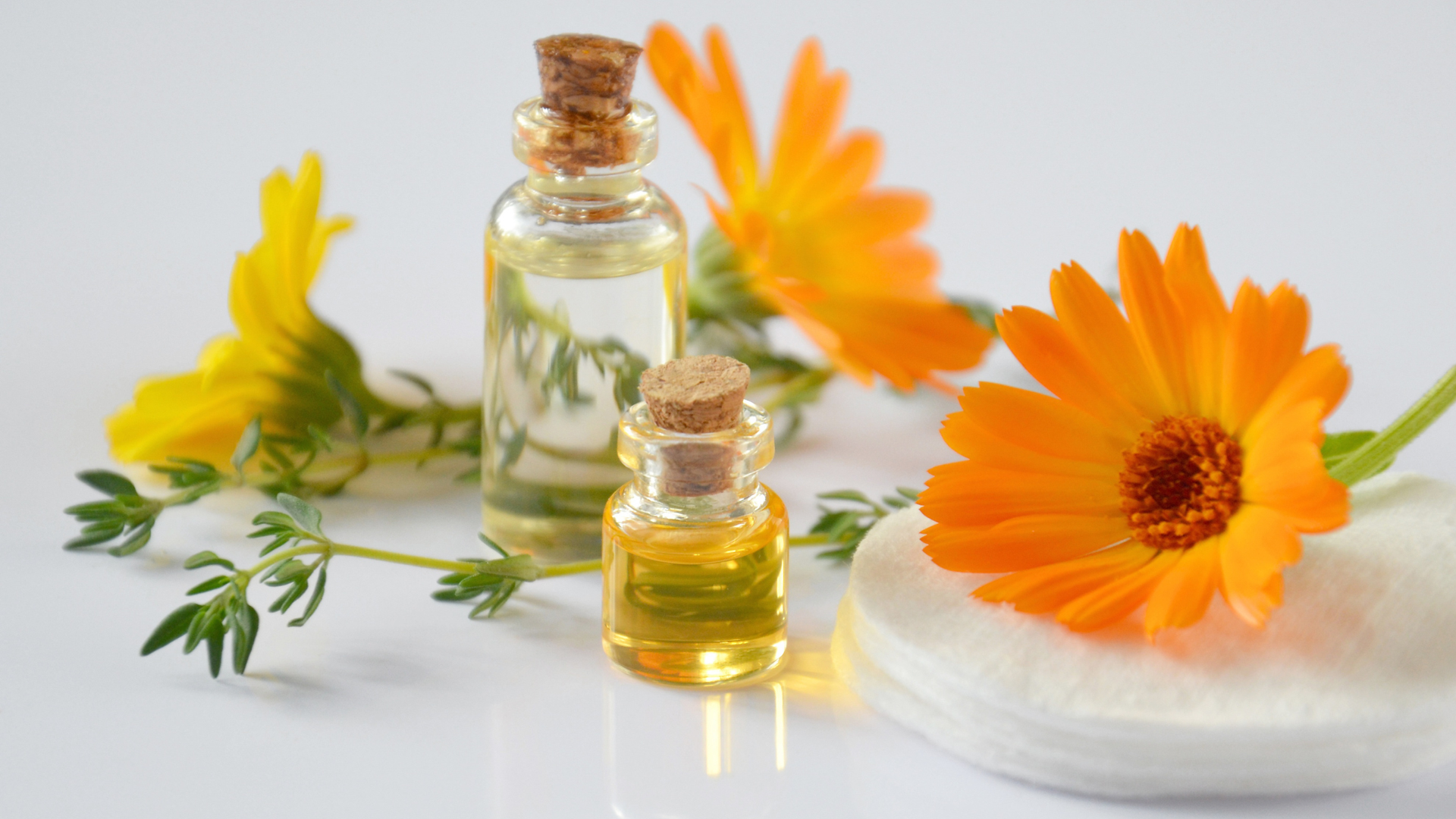
Learn essential oil safety & dilution basics with practical tips. Discover phototoxicity warnings, dilution ratios, and beginner routines for confident, safe use.
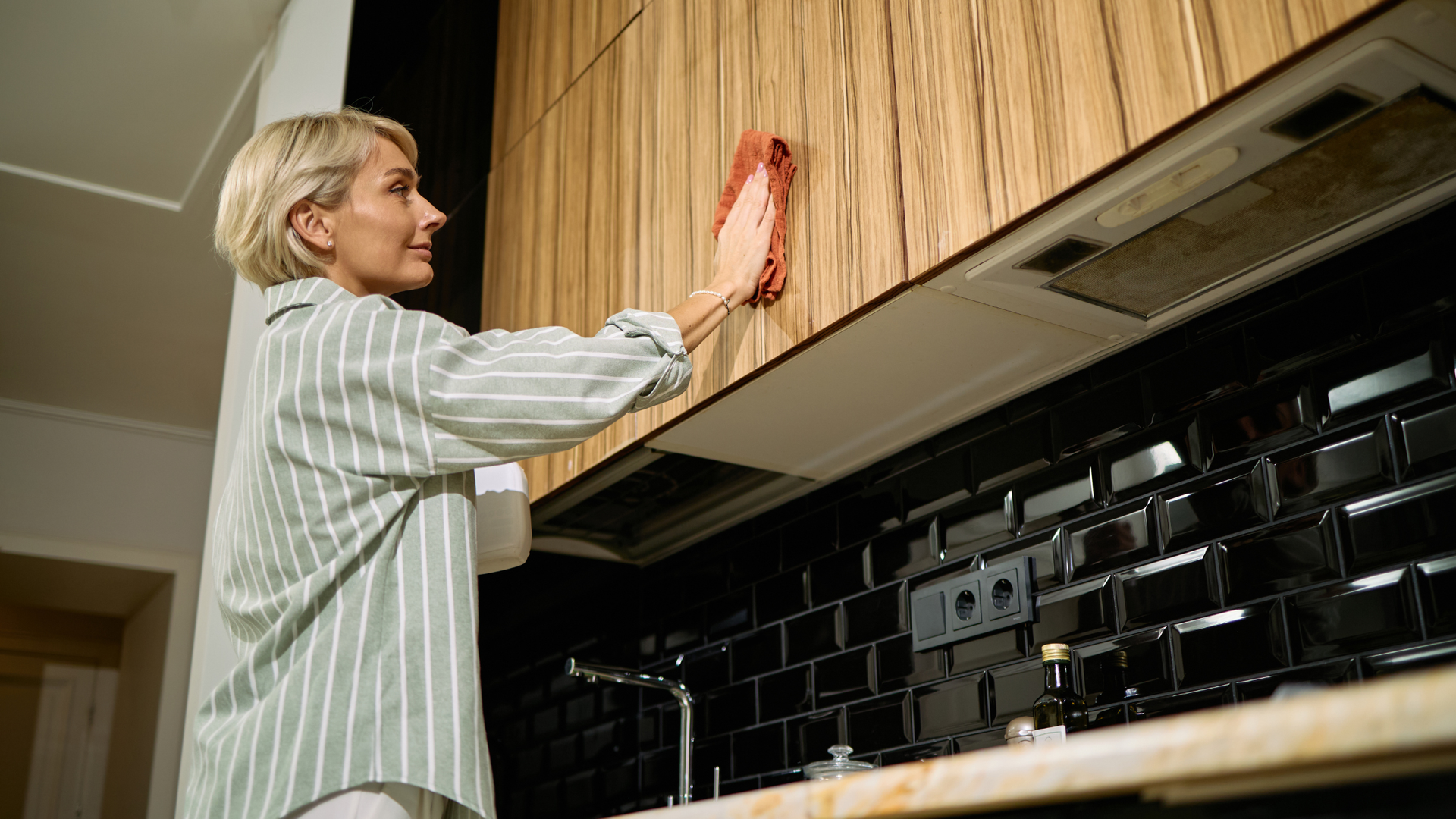
Learn to make eco-friendly DIY cleaning tablets with baking soda, citric acid & essential oils for effective, low-toxin home cleaning and reduced plastic waste.
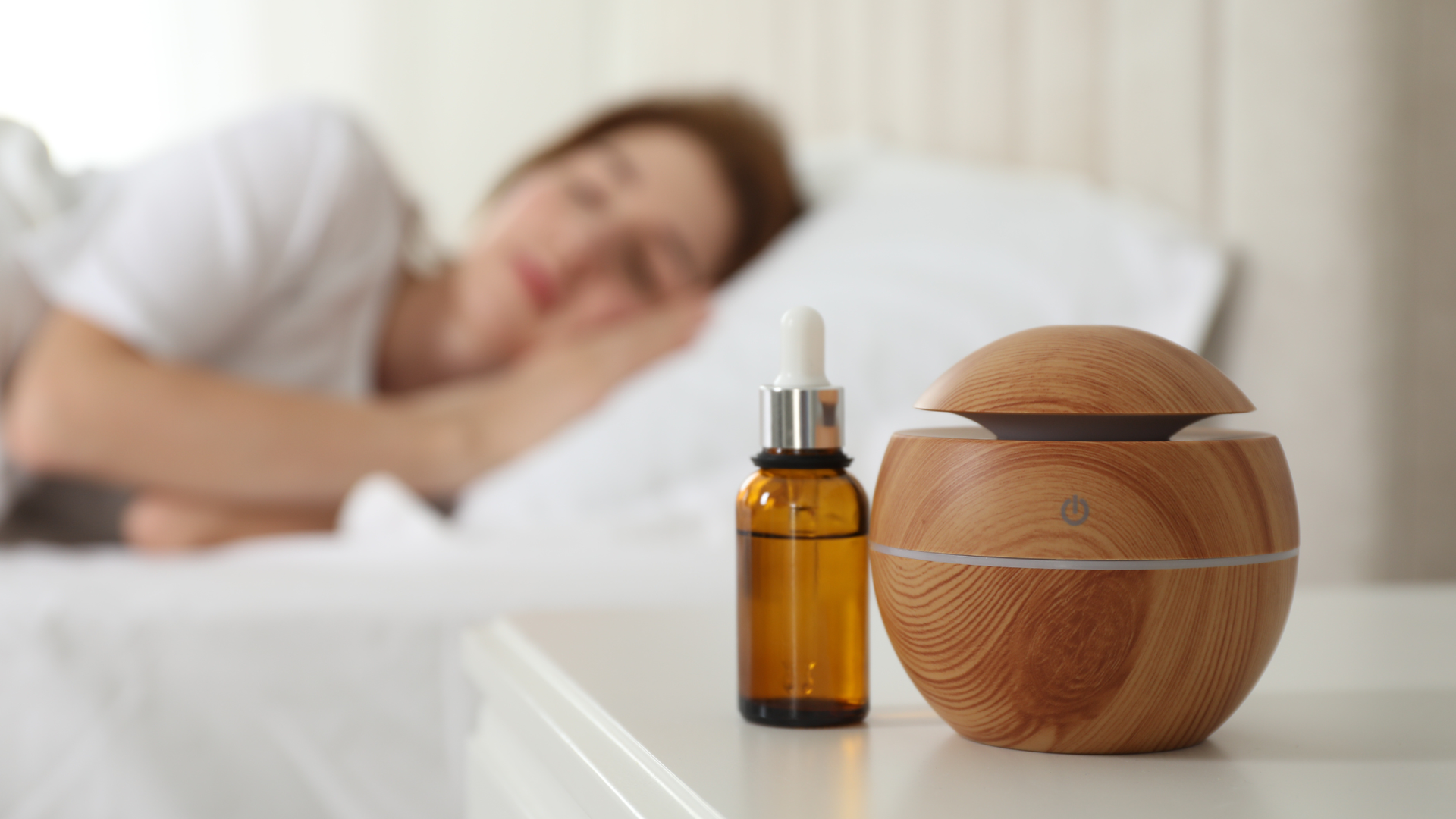
Learn to use essential sleep oils topically or aromatically for a calming bedtime routine. Get practical tips on diffusing, dilution, habit-building.
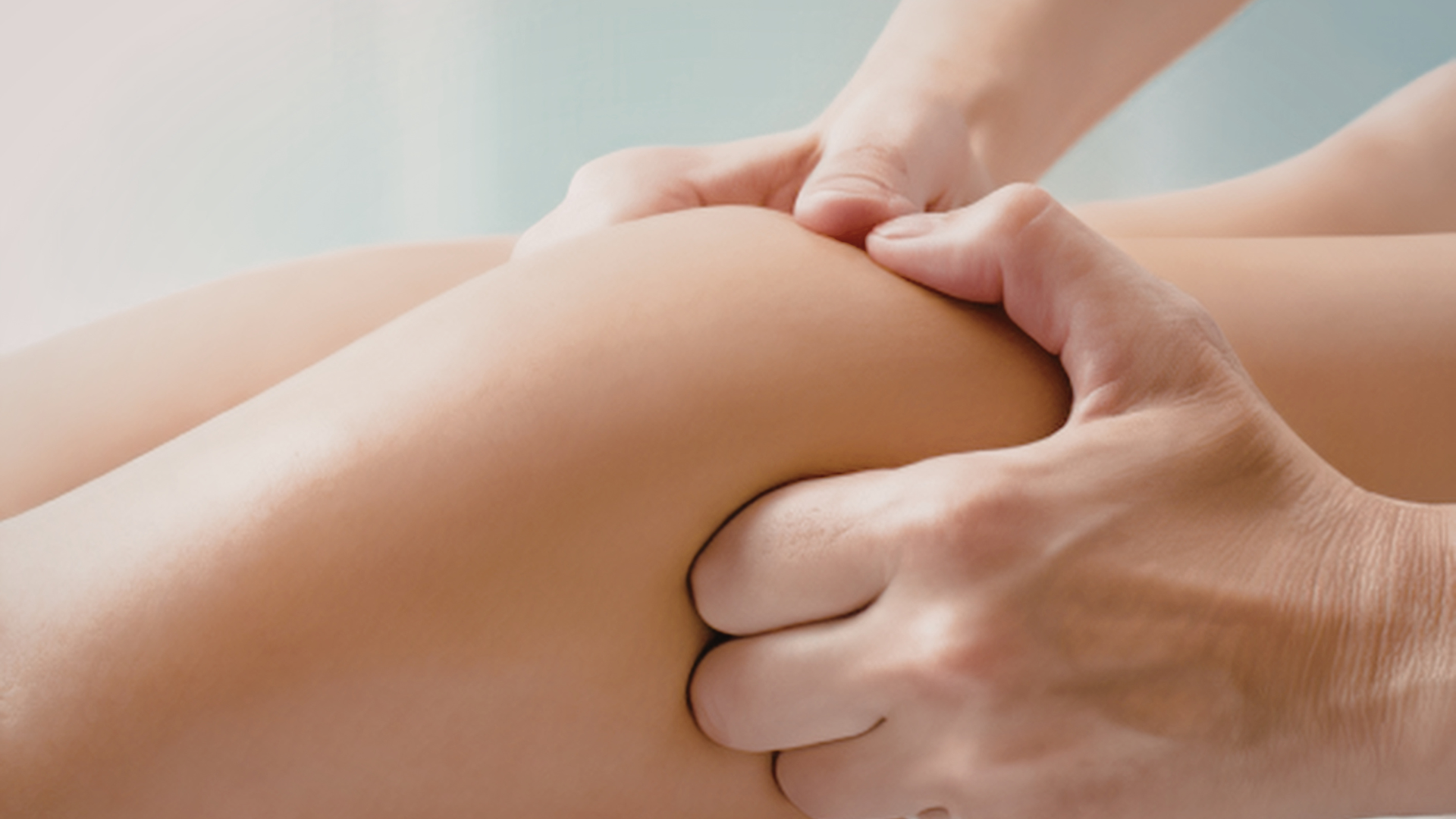
Unwind overworked joints before bed with a 10-minute essential oil massage. Get dilution tips, techniques, and simple routines for soothing nighttime comfort.
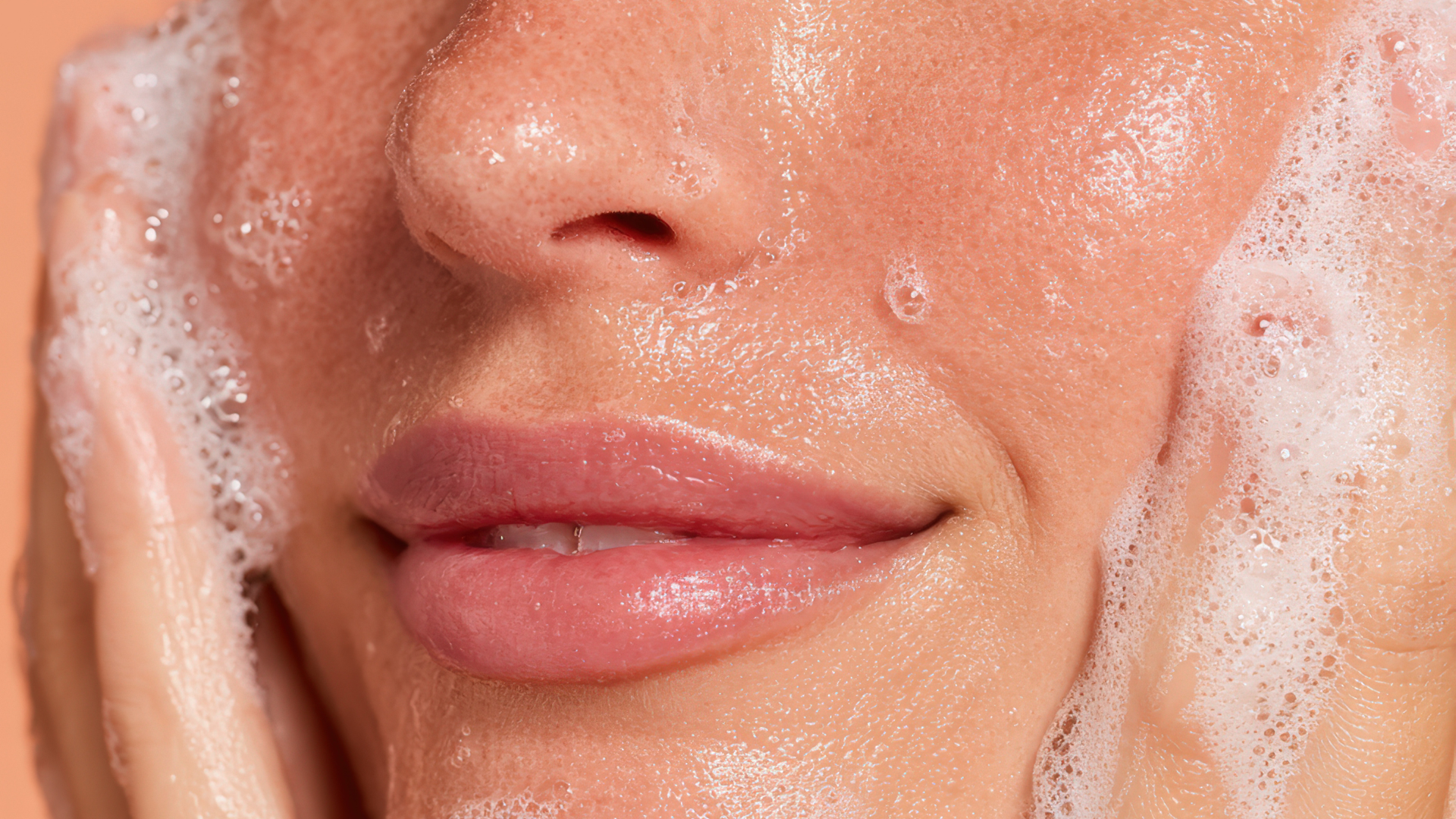
Build a gentle, toxin-free facial care routine with essential oils. Discover safe dilution, patch testing, AM/PM steps and tips for cleaner, healthier skin.

Discover 3 simple essential oil routines to ease work-life stress. Get safety tips and quick scent cues for calm focus and evening wind-downs.
Explore gentle, kid-safe essential oil blends to support your family's cold and flu wellness routines with safe dilution, diffusion tips, and home habits.

Discover a practical monthly menstrual self-care ritual using essential oils, heat, movement, and grounding habits. Safe, realistic tips for comfort and calm.

Kickstart your day with a 10-minute morning ritual using essential oils to support immunity, hydration, hygiene, and stress relief. Simple family tips.