Making Non-Toxic Cleaning Sprays with Essential Oils: A Practical Guide for a Fresher, Cleaner Home
Simple, family-friendly DIY sprays that support green home living—without harsh fumes
If your goal is a cleaner home with fewer questionable ingredients, DIY non-toxic cleaning sprays can be a solid next step—especially when you keep the formula simple, choose surfaces wisely, and use essential oils for fresh scent (and a more enjoyable cleaning routine). At YL Family , we’re big believers in practical “green home living” that fits real schedules: quick wipe-downs, safe storage habits, and routines that help your home feel calm and cared for.
First: “Clean” vs. “Disinfect” (and why it changes your recipe)
A lot of confusion comes from treating “cleaning” and “disinfecting” as the same thing. They’re not.
| Goal | What it does | Best use at home |
|---|---|---|
| Cleaning | Removes dirt, grime, and many germs through soap/detergent + wiping/scrubbing. | Everyday counters, sinks, doorknobs, kid messes, sticky spots. |
| Sanitizing / Disinfecting | Reduces (sanitize) or kills (disinfect) more germs using specific products with label directions and contact time. | When someone is sick, or higher-risk situations—after you clean first. |
Practical takeaway: for day-to-day home care, cleaning alone is often enough . Disinfecting is usually reserved for times when someone is sick or at higher risk—always following product label instructions and never mixing chemicals. ( cdc.gov)
What makes a “non-toxic” cleaning spray actually work?
For most homes, the best “cleaning spray” is one that reliably removes residue and grime, is easy to use, and doesn’t create harsh fumes. A strong, simple base does most of the work:
- A mild cleaner (castile soap or gentle dish soap)
- Water (preferably distilled for fewer mineral streaks)
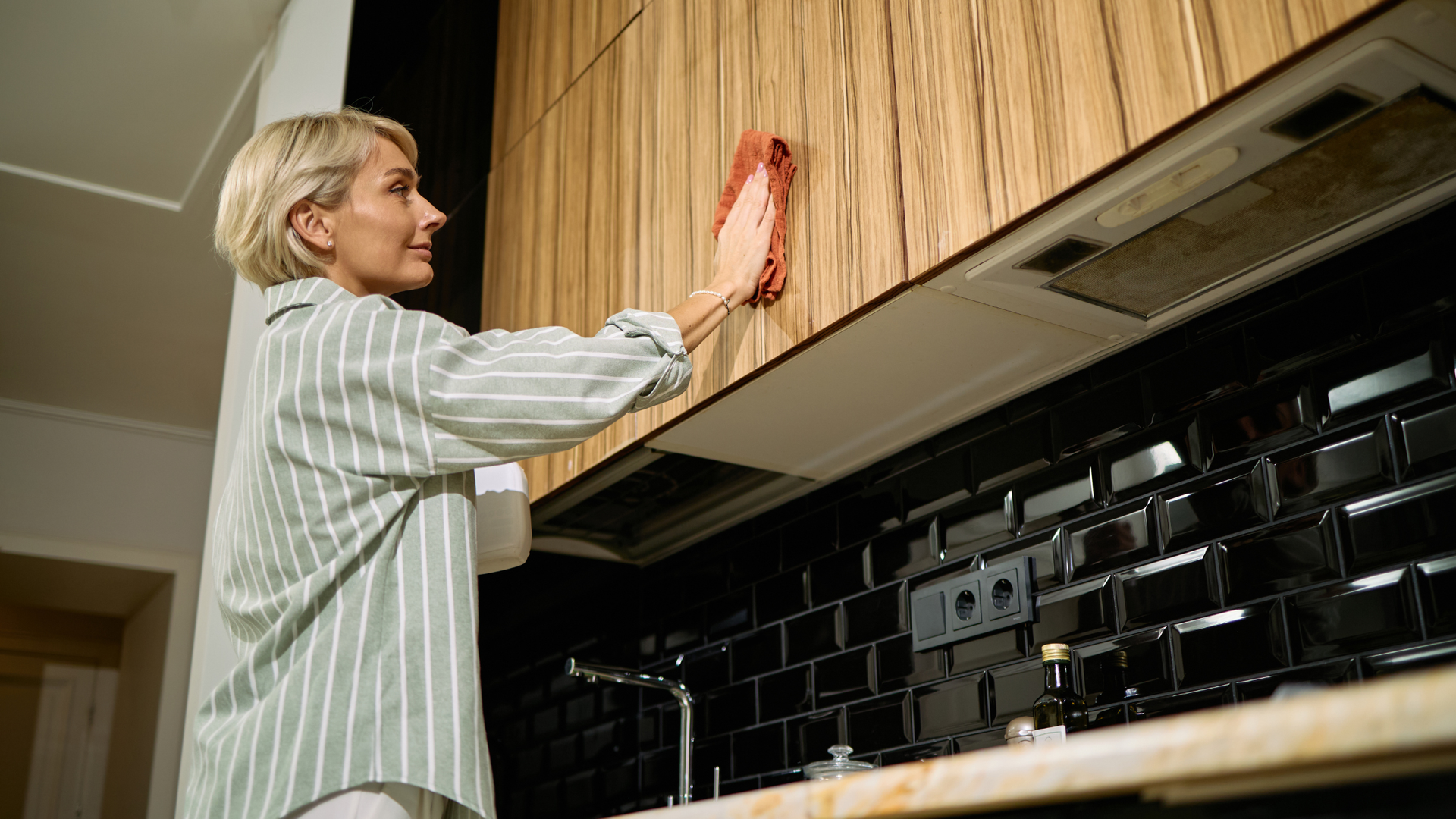
- Mechanical action (spray + wipe, or spray + scrub)
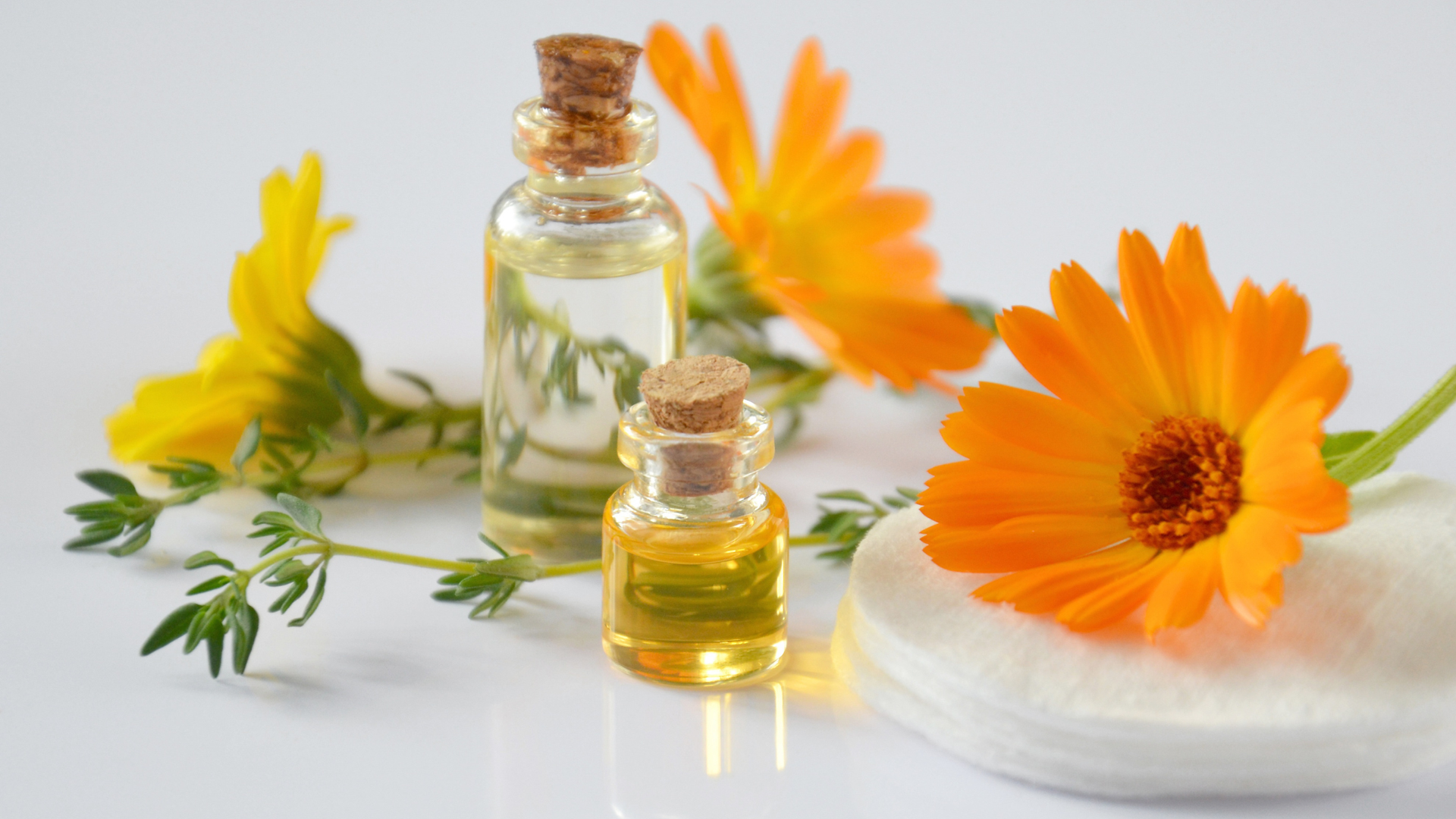
Essential oils can be a helpful add-on for scent and a “freshly cleaned” feel. They’re also concentrated botanicals, so it’s smart to use them thoughtfully—especially around kids, pets, and sensitive skin.
Quick “Did You Know?” facts (useful for safer routines)
3 DIY essential-oil spray recipes (plus where to use them)
These recipes are designed for everyday cleaning (not medical-grade disinfection). Always spot-test on a small, hidden area first—especially on natural stone, sealed wood, and delicate finishes.
1) Everyday All-Purpose Spray (best for counters, sealed surfaces, quick wipe-downs)
You’ll need:
- 16 oz glass spray bottle
- 1 ½ cups distilled water
- 1–2 tsp castile soap (or a few drops gentle dish soap)
- 10–20 drops essential oil (choose one blend below)
How to make: Add water, then soap, then essential oils. Swirl gently (don’t shake hard—soap foams).
Good oil options: lemon + lavender (fresh and soft), or a “herbal clean” vibe like rosemary + lemon.
2) Mirror & Glass Mist (streak-minimizing for glass, mirrors, stainless)
You’ll need:
- 16 oz spray bottle
- 1 ½ cups distilled water
- 2 tbsp white vinegar
- 8–15 drops essential oil (optional)
How to use: Light mist, then wipe with a microfiber cloth (or crumpled paper for a quick pass).
Avoid: natural stone (granite, marble, travertine) and unsealed grout—vinegar can etch/dull some surfaces over time.
3) “Reset the Room” Linen & Air Freshening Spray (best for fabrics + mood)
You’ll need:
- 8 oz glass spray bottle
- ½ cup distilled water
- 1 tbsp high-proof alcohol (helps disperse oils) or 1 tsp solubilizer if you use one
- 15–25 drops essential oil
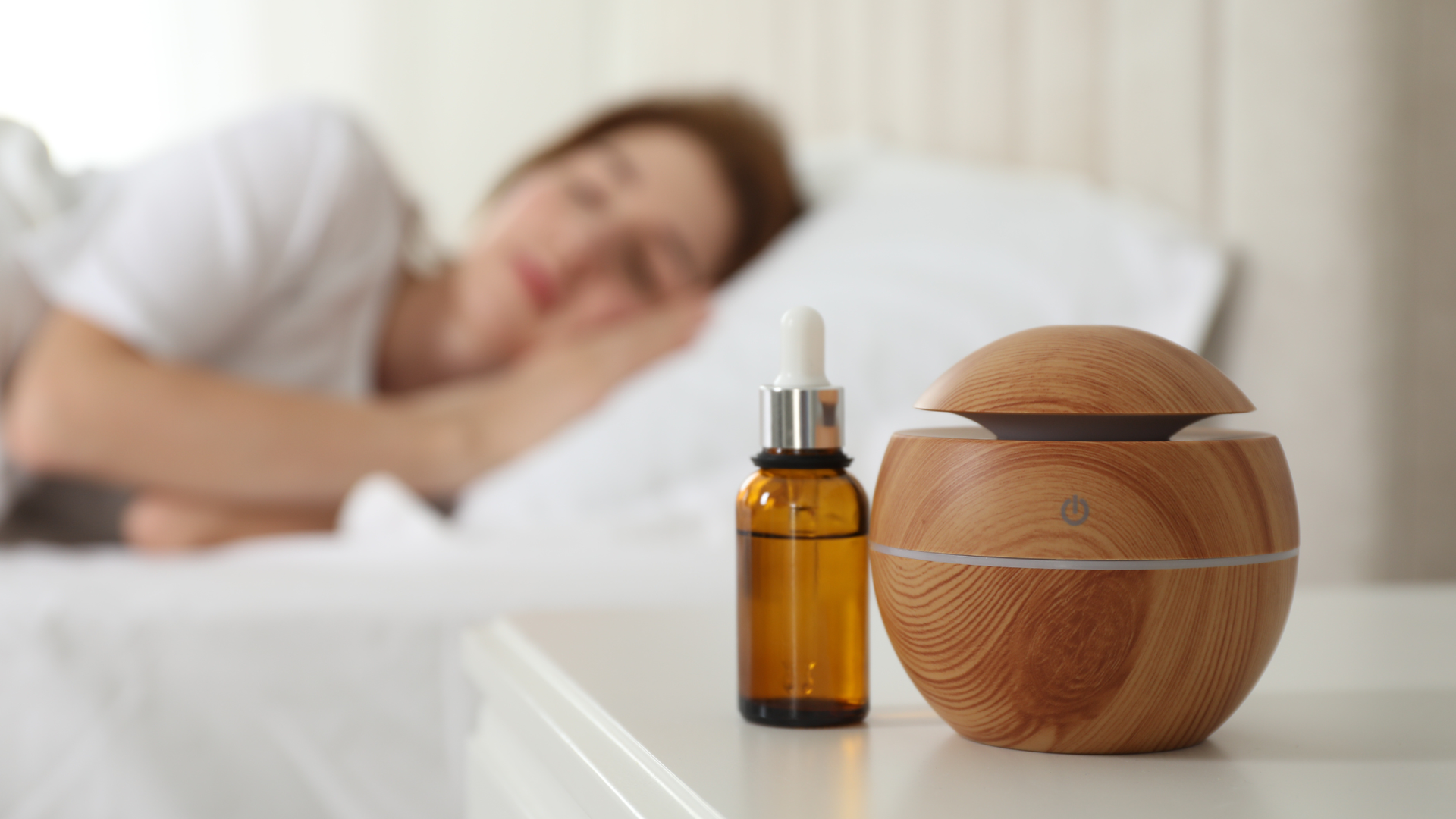
Calm blend idea: lavender + cedarwood (great for evening tidy-up).
Use note: Mist from a distance; patch-test on delicate fabrics; avoid spraying directly onto pets or pet bedding.
Step-by-step: set up a safer DIY spray station (takes 15 minutes)
Step 1: Choose the right bottles
For essential oil blends, glass is often preferred for long-term storage. If you use plastic, choose a sturdy bottle and replace it if it starts to cloud, warp, or hold odors.
Step 2: Label everything clearly
Write the recipe name, date made, and intended surfaces (example: “All-Purpose—sealed counters only”). This is especially helpful for families with kids, roommates, or caregivers.
Step 3: Keep “clean first” as your rule
Wipe away visible mess with soap and water first. If you need to disinfect (for example, when someone is sick), do that step separately and follow label directions, including keeping the surface wet for the stated contact time. ( cdc.gov)
Step 4: Store safely
Store sprays and essential oils out of reach of children and pets, and avoid mixing DIY sprays with bleach or other disinfectants. Good ventilation during use is also a smart default. ( cdc.gov)
A quick breakdown by room (so you don’t overthink it)
| Room | Best DIY spray | Top tip |
|---|---|---|
| Kitchen | All-Purpose Spray | Use hot soapy water for heavy grease first; sanitize food-contact surfaces when needed. ( cdc.gov) |
| Bathroom | All-Purpose (plus scrub for soap scum) | Ventilate well; rinse thoroughly if you’re cleaning around little hands that touch everything. |
| Living areas | All-Purpose + Linen Spray | Microfiber cloths reduce the need for “stronger” cleaners—especially on dust. |
| Windows/mirrors | Glass Mist | Less is more; a light mist prevents streaks. |
If you prefer buying rather than DIY, consider looking for EPA’s Safer Choice label to help identify products that meet the program’s safety and performance criteria. ( epa.gov)
Local angle: easy green-home habits across the United States
No matter where you live in the U.S., you’ll run into a few common “home factors” that influence cleaning choices:
- Hard water areas: mineral buildup can leave spots on glass and sinks—distilled water in DIY sprays helps.
- Winter indoor air: homes are sealed tighter, so ventilation becomes more important during cleaning sessions.
- Busy family schedules: the “best” routine is the one you’ll actually keep—one all-purpose spray + one glass spray is enough for most households.
If you’re building a simpler non-toxic routine, aim for consistency: a 2-minute nightly wipe-down of high-touch surfaces can keep weekend deep-cleaning from feeling overwhelming.
Want more guidance for a cleaner, lower-toxin home? Explore our Green Home Living resources here: Green Home Living
Shop essentials for your toxin-free routine
If you’re ready to stock your home with high-quality essentials oils and wellness-friendly favorites, you can browse curated options through YL Family’s shop.
Safety reminder: always store oils and sprays out of reach of children and pets, avoid contact with eyes, and discontinue use if irritation occurs. For disinfecting needs, follow product labels carefully and avoid mixing chemicals. ( cdc.gov)
FAQ: Non-toxic cleaning sprays & essential oils
Do essential oils disinfect my home?
For everyday home care, focus on cleaning (soap/detergent + wiping). When disinfection is needed (like when someone is sick), use an appropriate product and follow label directions and contact time. ( cdc.gov)
Can I use vinegar on everything?
Vinegar can be helpful on glass and some sealed surfaces, but it can damage or dull certain materials like natural stone. When in doubt, skip vinegar and use mild soap + water.
What’s the easiest starter kit for DIY sprays?
Two bottles (all-purpose + glass), a microfiber cloth stack, castile soap, distilled water, and 1–2 essential oils you genuinely like. Keeping it small increases the odds you’ll stick with it.
How often should I clean high-touch surfaces?
Aim for regular cleaning of high-touch areas (like doorknobs, light switches, and counters), and increase frequency after visitors or when your household needs extra caution. ( cdc.gov)
How can I choose safer store-bought cleaners?
Look for the EPA Safer Choice label, which helps identify products that meet program criteria for safer chemical ingredients and performance. ( epa.gov)
Optional Glossary