Air-Purifying Diffuser Blends for a Healthier Home

January 8, 2026

A fresher-feeling home starts with smart air habits—and the right blend

If you love the idea of “clean air,” it helps to know what actually moves the needle at home. The most reliable steps are surprisingly simple: reduce indoor sources, bring in fresh outdoor air when conditions allow, and use filtration when you need extra support. The U.S. EPA summarizes these as three core strategies: source control , ventilation , and air cleaning/filtration . ( epa.gov )

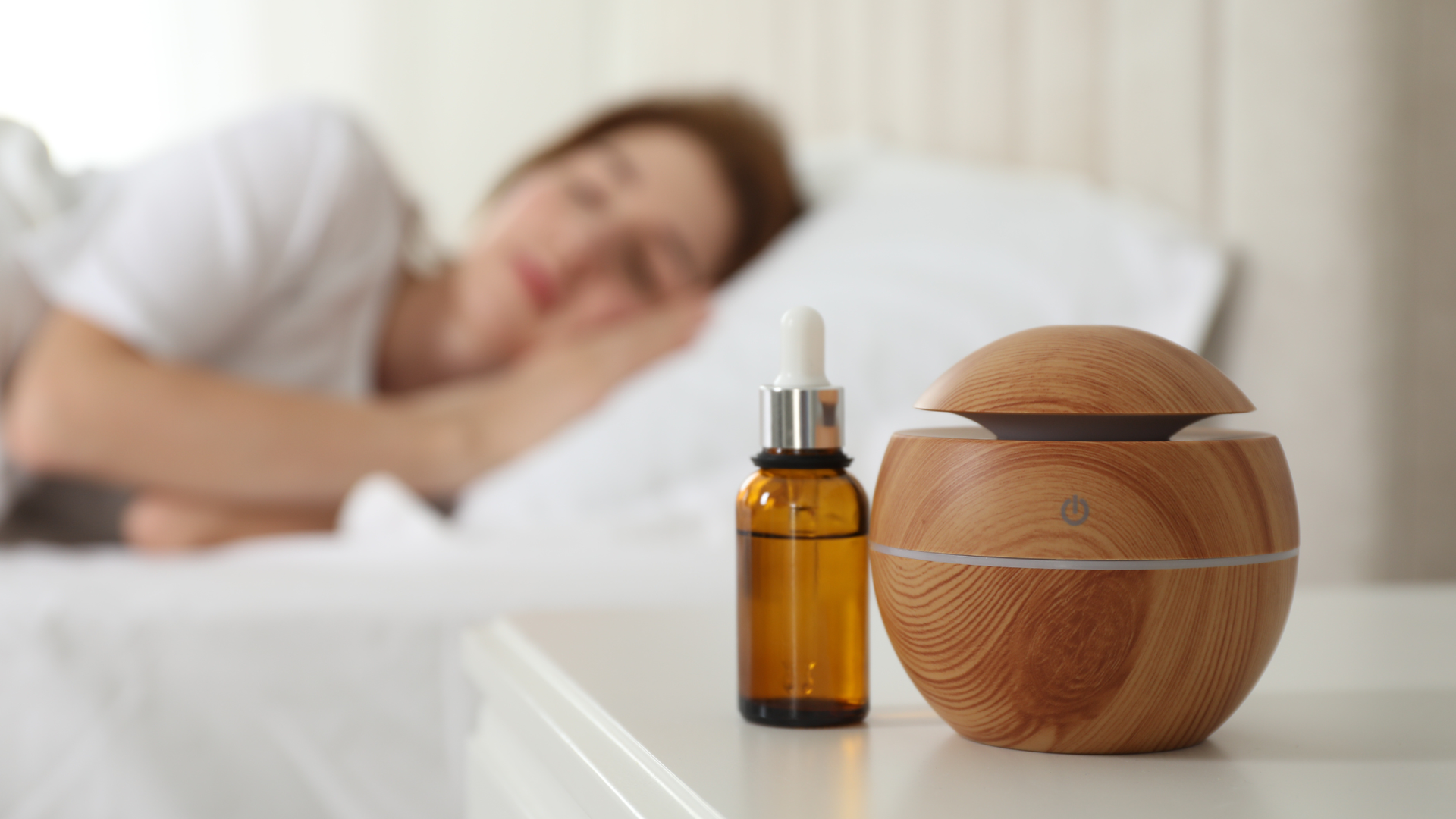
Diffusing essential oils fits best as a comfort and atmosphere tool—helping your home smell fresh and feel inviting—while the heavy lifting for cleaner indoor air comes from ventilation and filtration. Below, we’ll share practical “air-purifying-style” diffuser blends (fresh, crisp, clearing aromas) plus a simple routine you can pair with real-world indoor air best practices.

What “air-purifying” really means (and what it doesn’t)

Many people use “air-purifying” as shorthand for scents that feel clean—like eucalyptus, lemon, rosemary, pine, or peppermint. That’s a valid goal for your home environment. At the same time, it’s important to keep expectations grounded: improving indoor air quality is primarily about reducing pollutants (like smoke, particles, and irritating emissions) through source control and ventilation, and then using filtration when needed. ( epa.gov )

YL Family tip (clean + cozy combo)
Use a diffuser blend to freshen the vibe, then run a kitchen/bath exhaust fan or crack windows briefly (when outdoor air quality is good) to actually exchange indoor air. Ventilation is a key lever for diluting indoor pollutants. ( lung.org )

How to build a “clean air” routine around your home diffuser

Step 1: Source control (start here)
Reduce indoor sources that add particles and odors. The EPA notes source control is often the most effective strategy for indoor air quality. ( epa.gov ) If you’re a “cozy season” household, consider moderation with candles/fireplaces and prioritize ventilation when you use them. ( apnews.com )
Step 2: Ventilate strategically
Bringing fresh outdoor air inside helps dilute indoor pollutants. The American Lung Association highlights that ventilation helps reduce indoor air pollution and recommends simple actions like opening windows briefly when outdoor conditions are favorable. ( lung.org )
Step 3: Add filtration when you need it
Air cleaners and filtration can help reduce particles already in the air, though they don’t replace source control or ventilation. ( epa.gov ) If you ever DIY a box-fan air cleaner, the EPA highlights ways to improve performance (more filters, better sealing, etc.). ( epa.gov )
Step 4: Use your diffuser to “reset the room”
Diffuse in short sessions (for example, 30–60 minutes), then pause. This helps keep scents enjoyable (not overpowering) and makes it easier to notice when a room truly feels stale—your cue to ventilate or clean the source.

Air-purifying-style diffuser blends (fresh, crisp, “just cleaned” aromas)

These blends are designed for the experience of cleaner-feeling air: bright citrus, clarifying herbs, and forest-fresh notes. Adjust drop counts to your room size and sensitivity, and always follow your diffuser’s instructions.

1) “Open the Windows” Blend (bright + airy)
Try: Lemon (3) + Lavender (2) + Rosemary (1)
Best for: living rooms, entryways, post-cooking “reset.”
2) “Mountain Morning” Blend (evergreen + crisp)
Try: Pine (2) + Eucalyptus (2) + Lemon (2)
Best for: bathrooms, mudrooms, wintertime stuffiness.
3) “Fresh Laundry” Blend (clean + soft)
Try: Lavender (3) + Bergamot (2) + Cedarwood (1)
Best for: bedrooms, linen closets (diffuse nearby), evening wind-down.
4) “Kitchen Neutralizer” Blend (citrus-herb)
Try: Grapefruit (3) + Peppermint (1) + Rosemary (2)
Best for: after frying, strong spices, or garlic-heavy meals (plus run your exhaust fan).
5) “Focus + Fresh” Blend (minty-citrus)
Try: Peppermint (2) + Lemon (3) + Frankincense (1)
Best for: home office, homework areas, midday slump.
Safety note for families & pets
Use diffusers in well-ventilated spaces, start with fewer drops, and avoid diffusing in enclosed rooms for long periods—especially around young children, sensitive family members, or pets. If anyone seems irritated by a blend, stop diffusing and ventilate the room.

Quick comparison table: diffuser vs. ventilation vs. filtration

Tool Best for What to remember
Home diffuser Fresh, clean scent; mood and “reset” rituals Great for atmosphere; pair with ventilation/cleaning for true air-quality gains
Ventilation Diluting indoor pollutants with outdoor air Open windows briefly when outdoor air is good; use kitchen/bath fans that vent outdoors ( lung.org )
Filtration (portable air cleaner / HVAC filter) Reducing airborne particles already present Helpful add-on; effectiveness depends on the unit, maintenance, and the pollutant source ( epa.gov )

Did you know? (quick clean-air facts)

The EPA’s home indoor air guidance boils down to three strategies: source control , ventilation , and air cleaning/filtration . ( epa.gov )
The American Lung Association emphasizes ventilation as a way to dilute indoor pollutants—especially when paired with reducing pollution sources. ( lung.org )
Air cleaning can help reduce airborne pollutants already present, but it’s not a substitute for source control or ventilation. ( lung.org )

A United States “seasonal” angle: keeping indoor air feeling fresh year-round

Across the United States, many homes shift into “closed-window mode” during colder months, and indoor air can feel heavier from cooking, extra guests, and seasonal traditions like candles or fireplaces. If you love that cozy vibe, balance it with a simple rhythm: reduce sources (burning in moderation), ventilate intentionally (even short bursts), and freshen the atmosphere with a clean-smelling diffuser blend. ( apnews.com )

A simple weekly “fresh-home” checklist
• Run bathroom exhaust fans during/after showers to manage moisture.
• Use the kitchen exhaust fan (venting outdoors when possible) while cooking.
• Diffuse a crisp blend for 30–60 minutes, then pause and ventilate briefly if conditions allow.
• Change HVAC/air-cleaner filters on schedule—performance depends on maintenance. ( epa.gov )

Shop YL Family favorites for a fresher, more welcoming home

Ready to create your own “clean air tips” routine with a home diffuser and high-quality wellness essentials? Browse curated options through YL Family and choose products that support your home’s daily rituals.

Find your next home diffuser blend (and the products to match your routine)
Shop YL Family
Prefer personal guidance? Visit the contact page to connect.
Educational note: This content is for general wellness and home-comfort education only and is not medical advice.

FAQ: air-purifying blends, home diffusers, and clean air tips

Do essential oil diffusers “purify” indoor air?
Diffusers are best viewed as an atmosphere tool —they can make a space smell fresher and feel more inviting. For meaningful indoor air quality improvements, rely on the EPA’s core strategies: reduce sources, improve ventilation, and use filtration as needed. ( epa.gov )
How long should I run my home diffuser?
Many families prefer intermittent use (for example, 30–60 minutes on, then a break). Start low and adjust based on room size, how strong the aroma feels, and how everyone in the home responds.
What’s the fastest way to make a room feel “fresh” again?
Address the source (trash, cooking residue, damp towels), then ventilate briefly when outdoor air is suitable. After that, a crisp citrus/herbal diffuser blend can help finish the reset. Ventilation is a key indoor-air step. ( lung.org )
Do I still need an air purifier if I diffuse oils?
They do different jobs. Diffusers are for scent and ambiance; filtration is for reducing particles in the air. Air cleaning can help reduce pollutants already present, but it’s not a substitute for source control or ventilation. ( lung.org )
What if someone in my family is sensitive to scents?
Use fewer drops, diffuse for shorter sessions, and prioritize ventilation. Consider keeping at least one “low-scent” room, and skip diffusion entirely if it causes irritation.

Glossary

Source control
Reducing or removing the activities/materials that create indoor pollutants (often the most effective first step). ( epa.gov )
Ventilation
Bringing fresh outdoor air inside to dilute indoor pollutants and help manage humidity. ( lung.org )
Filtration / air cleaning
Using HVAC filters or portable air cleaners to reduce airborne particles already in the home (most helpful as an add-on). ( lung.org )
January 11, 2026
Discover travel-friendly essential oil routines to boost immunity on busy days. Learn portable roll-ons, inhalers, wipes & wellness habits for on-the-go support.
Essentail Oils for Immunity and Wellness
January 9, 2026
Learn to build simple, family-friendly immune wellness routines with essential oils, vitamin C, zinc, and evidence-based daily habits for year-round support.
January 7, 2026
Discover easy DIY non-toxic cleaning sprays with essential oils. Get recipes, safety tips, and step-by-step guidance for a fresher, greener home cleaning routine.
January 5, 2026
Discover how oil-infused haircare boosts strength, shine & scalp health. Explore DIY treatments, carrier vs essential oils, safety tips & seasonal routines.
January 4, 2026
Build a simple, toxin-free skincare routine with essential oils. Learn safe dilution, patch-testing, beginner steps, and tips for balanced skin health.
January 3, 2026
Build a simple, family-friendly daily stress support routine using essential oils, hydration, and breathwork cues to promote calm and emotional balance.
January 1, 2026
Learn easy aromatherapy strategies—diffusion, inhalation, topical—to relieve stress, boost your mood, and build a calming routine without extra steps.
December 31, 2025
Create simple, calming DIY bedtime roll-ons with lavender, cedarwood & more. Perfect for nightly rituals, kids, and travel—keep your sleep routine consistent.
December 29, 2025
Create a serene sleep space with essential oils. Learn how diffusion, linen sprays, temperature control and consistent routines support restorative sleep.
December 28, 2025
Transform your bath into a ritual with essential oils to ease soreness and deepen relaxation. Discover step-by-step recipes, safety tips & FAQs.