
Key Oils and Supplements for Immune Wellness Support
January 9, 2026
A family-friendly approach to everyday immune support—without the hype
Immune wellness isn’t a single product or a “quick fix.” It’s built through daily habits—sleep, stress management, nutrition, movement, and hygiene—plus supportive routines that make it easier to stay consistent. Essential oils and wellness supplements can be part of that routine when they’re used thoughtfully and safely, especially for families who want simpler, cleaner options at home.
At YL Family , we focus on practical education and doable rituals you can repeat throughout the year—so immune support feels steady and realistic for real life (work, school, travel, and everything in between).
At YL Family , we focus on practical education and doable rituals you can repeat throughout the year—so immune support feels steady and realistic for real life (work, school, travel, and everything in between).
Start with the foundations (your “immune wellness essentials”)
Before we talk about oils or supplements, it helps to anchor your plan in evidence-based basics that actually move the needle:
1) Hand hygiene that your family will actually do
Handwashing with soap and clean, running water is one of the most effective everyday habits for reducing spread of germs. Scrub for at least 20 seconds
, getting between fingers and under nails; use hand sanitizer (≥60% alcohol) when soap and water aren’t available. ( cdc.gov)
2) Sleep consistency
Sleep is where your body recalibrates. If you’re building an “immune season” plan, start by protecting bedtime routines—especially for kids and busy caregivers.
3) Nutrition + targeted supplementation (when appropriate)
A food-first approach is ideal, but supplements can help fill gaps based on your diet, life stage, and season of life. If you take medications, are pregnant/nursing, or are supporting a child, it’s wise to check with a qualified clinician before starting new supplements.
Where essential oils fit: supportive routines for home, mood, and habits
Essential oils are most helpful when you use them to support the behaviors
that keep your household well—like creating a calming bedtime cue, freshening indoor air, or encouraging a consistent wind-down routine during stressful weeks.
Important: Essential oils are potent. Skin sensitivity can happen, and not every oil is appropriate for every age or situation. Use well-known safety practices (like proper dilution for topical use and careful storage away from kids and pets).
Important: Essential oils are potent. Skin sensitivity can happen, and not every oil is appropriate for every age or situation. Use well-known safety practices (like proper dilution for topical use and careful storage away from kids and pets).
3 practical “immune season” oil routines families love
A) Diffuser routine for a calm, consistent home vibe
Choose a family-friendly blend you enjoy, then run your diffuser in a well-ventilated common area for short intervals. The goal is a repeatable ritual—something your brain associates with “we’re home, we’re winding down, we’re taking care of ourselves.”
B) A “hands + surfaces” habit stack
Pair handwashing moments with quick clean-up routines—especially after school, after travel, and before meals. The biggest win is consistency: soap + running water + enough scrubbing time (aim for 20 seconds). ( cdc.gov)
C) A bedtime wind-down cue (stress and sleep support)
Immune wellness can take a hit during long stress stretches. If your schedule is packed, your best “immune support” may be protecting sleep and building a calmer evening routine.
Supplements that support immune function: a simple, non-overwhelming guide
“Immune support supplements” can mean a lot of things. To keep it practical, think in categories: nutrients many people may fall short on, and nutrients used to support normal immune function—especially during demanding seasons.
| Supplement | Why families consider it | Helpful reminder |
|---|---|---|
| Vitamin C | Supports normal immune function and antioxidant defenses | Food-first is great; high doses may cause GI upset in some people ( verywellhealth.com) |
| Zinc | Plays a role in immune cell function | Often better tolerated with food; avoid excessive long-term dosing ( verywellhealth.com) |
| Targeted blends | Convenience: one routine instead of a cabinet full of bottles | Look for quality sourcing and clear guidance; ask for help if you’re unsure what fits your household |
If your goal is family immunity
routines that are sustainable, focus on what you can keep doing after week two: a short list of supplements you tolerate well, plus the daily habits that protect your energy and sleep.
Step-by-step: build a 10-minute “immune wellness routine” for busy households
Step 1: Pick your “anchor moments” (morning + evening)
Choose two times you already repeat most days: after brushing teeth, right after school drop-off, after dinner, or right before bed.
Step 2: Add one supportive habit per moment
Morning: hydration + a simple supplement routine (if it fits you).
Evening: a wind-down cue (diffuser, relaxing shower, or a calmer light routine).
Evening: a wind-down cue (diffuser, relaxing shower, or a calmer light routine).
Step 3: Make hand hygiene frictionless
Keep soap where you need it (kitchen + bathrooms). Teach kids the 20-second scrub. When you’re out, keep sanitizer handy (≥60% alcohol). ( cdc.gov)
Step 4: Review once a month
If your routine feels “too much,” simplify. The best plan is the one you repeat—especially during travel, back-to-school weeks, and high-stress seasons.
Did you know? Quick facts that make routines more effective
20 seconds matters.
Studies and public health guidance emphasize scrubbing long enough to remove more germs; 20 seconds is a widely used benchmark for everyday settings. ( cdc.gov)
Soap removes—not just “kills.”
Lather + friction helps lift dirt and microbes so they rinse away under running water. ( cdc.gov)
Zinc + vitamin C are popular for a reason.
They’re commonly used to support normal immune function, but more isn’t always better—dose and tolerance matter. ( verywellhealth.com)
A United States perspective: building routines that hold up year-round
Across the United States, families juggle shifting schedules—school calendars, travel, indoor seasons, and packed extracurriculars. A practical approach is to build a “core routine” you keep year-round (sleep + hand hygiene + food-first nutrition), then add seasonal support during your busiest months.
If you’re shopping for immune support oils and wellness supplements , look for clear usage directions, quality standards, and straightforward education—especially if you’re supporting kids and teens.
If you’re shopping for immune support oils and wellness supplements , look for clear usage directions, quality standards, and straightforward education—especially if you’re supporting kids and teens.
Ready to personalize your immune wellness routine?
If you want help choosing supportive oils, supplements, and simple home routines that fit your household, explore curated options and build your routine at your own pace.
Shop Immune Wellness Support
Wellness note: Content is for educational purposes and supports general wellbeing. It is not medical advice and is not intended to diagnose, treat, cure, or prevent any disease.
FAQ: Immune support oils, supplements, and family routines
What are the best daily habits for family immunity?
Prioritize sleep consistency, balanced meals, movement, and handwashing with soap and running water (scrub about 20 seconds). If soap and water aren’t available, use sanitizer with at least 60% alcohol. ( cdc.gov)
Can essential oils “boost” immunity?
It’s more accurate to say essential oils can support wellness routines
—like relaxation, sleep cues, and a fresher-feeling home environment. If you’re looking for immune resilience, keep the focus on consistent habits and safe use practices.
Is it okay to take vitamin C and zinc together?
Many people do. They’re commonly used nutrients that support normal immune function, but dosing and tolerance matter (zinc can upset the stomach for some people, especially without food). If you take medications or have health conditions, ask a clinician for personalized guidance. ( verywellhealth.com)
How can I support kids without overdoing it?
Keep it simple: hydration, sleep, nutritious meals, and consistent hygiene routines. For any oils or supplements, use age-appropriate products and directions, and when in doubt, get personalized guidance.
What’s one change that makes a fast difference in a busy household?
Make handwashing easier and more consistent: visible soap at sinks, a simple 20-second routine, and sanitizer backups for the car and backpacks. ( cdc.gov)
Glossary (helpful terms you may see on labels)
Dilution
Mixing an essential oil with a carrier (like a plant oil or lotion base) before topical use to reduce the chance of irritation.
Diffuser
A device that disperses aromatic compounds into the air, often using water and ultrasonic vibration.
Immune function (normal)
A way of describing how the body’s defense systems work as intended. Supplements are typically described as supporting normal function—not as disease treatments.
Micelles
Tiny “pockets” formed when soap lathers that help trap oils, dirt, and microbes so they rinse away. ( cdc.gov)

Discover teen-friendly bedtime routines with gentle essential oils for 8–10 hours of sleep. Try simple wind-down steps for calmer nights and rested mornings.
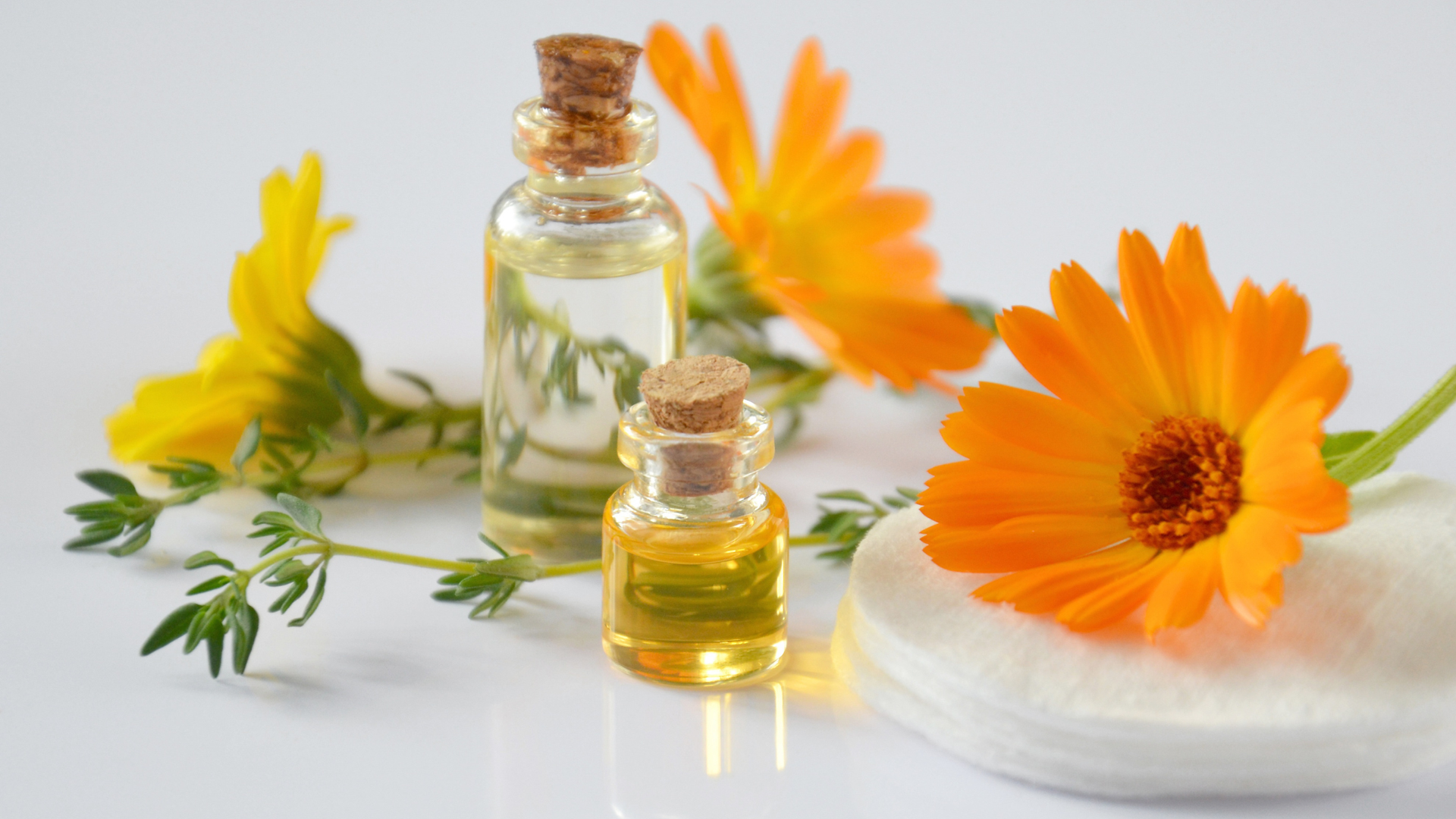
Learn essential oil safety & dilution basics with practical tips. Discover phototoxicity warnings, dilution ratios, and beginner routines for confident, safe use.
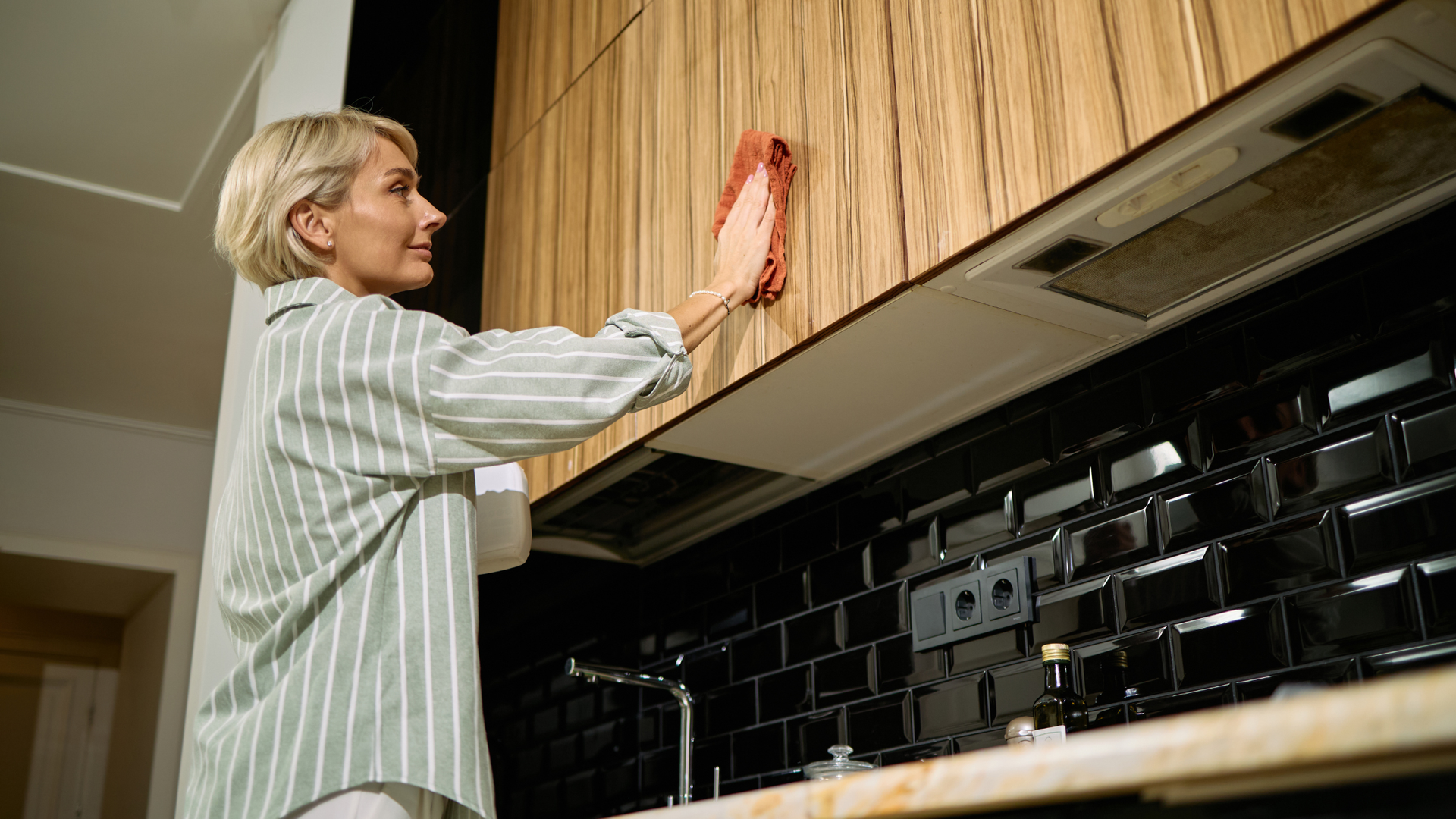
Learn to make eco-friendly DIY cleaning tablets with baking soda, citric acid & essential oils for effective, low-toxin home cleaning and reduced plastic waste.
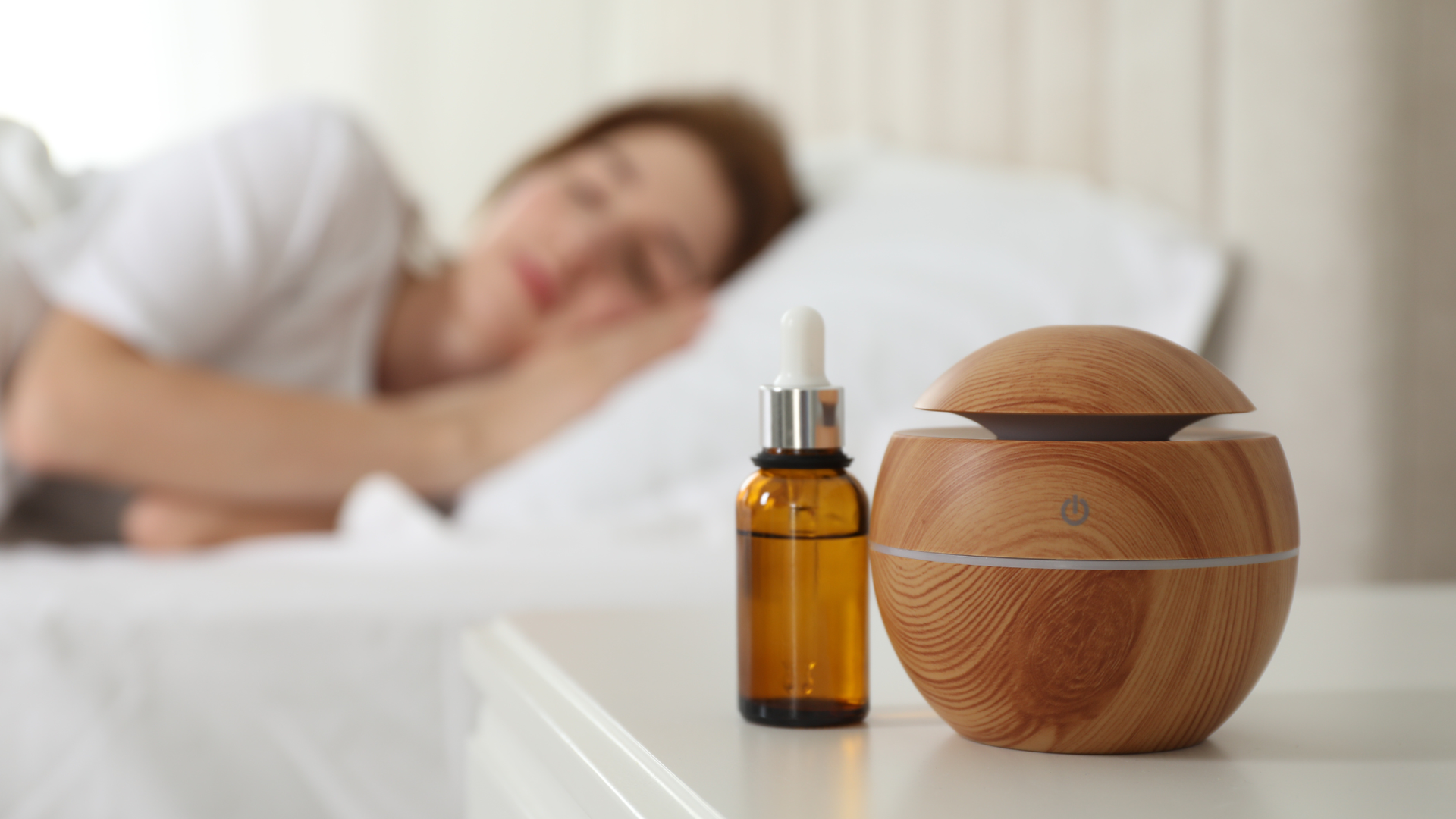
Learn to use essential sleep oils topically or aromatically for a calming bedtime routine. Get practical tips on diffusing, dilution, habit-building.

Unwind overworked joints before bed with a 10-minute essential oil massage. Get dilution tips, techniques, and simple routines for soothing nighttime comfort.
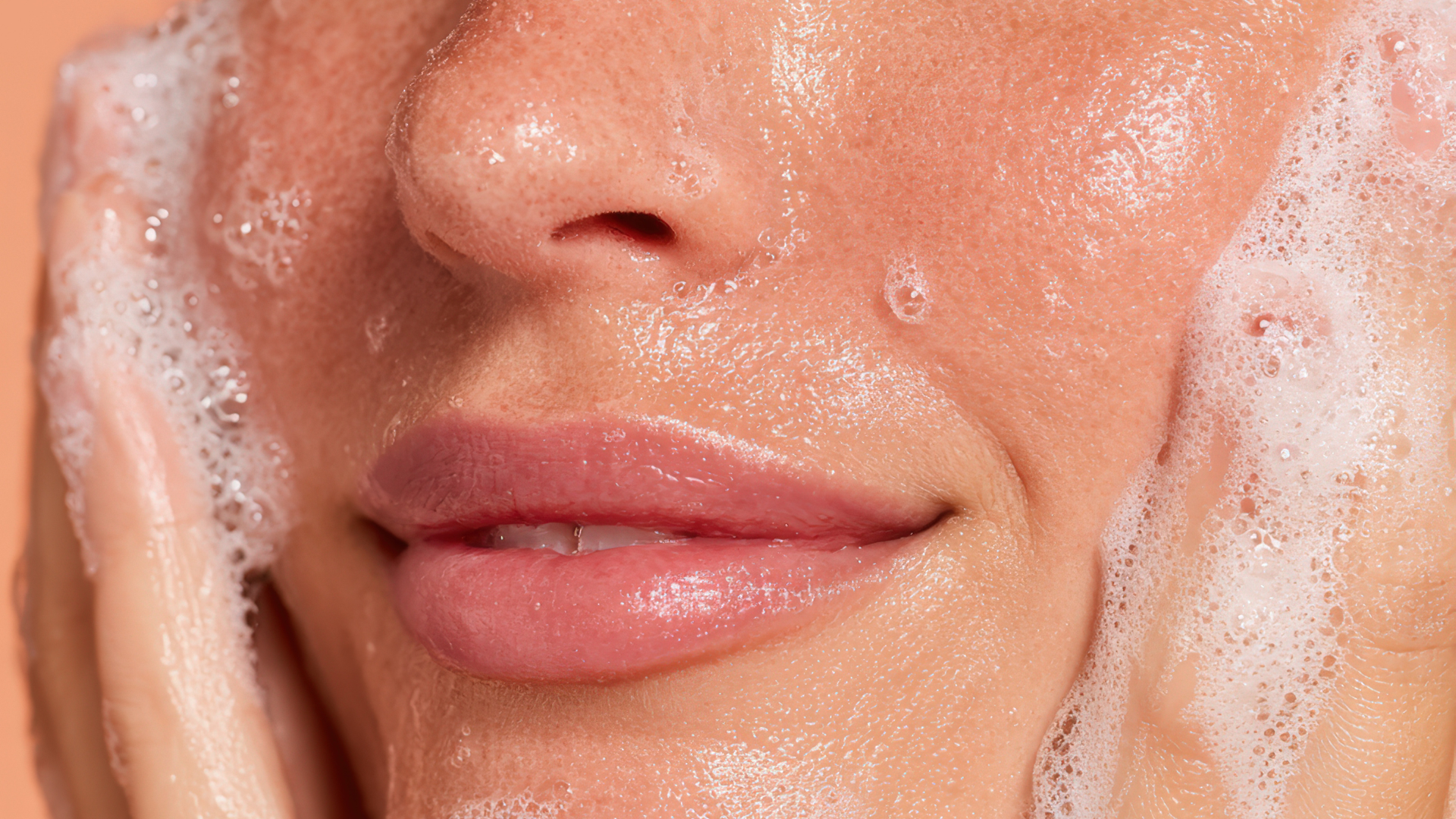
Build a gentle, toxin-free facial care routine with essential oils. Discover safe dilution, patch testing, AM/PM steps and tips for cleaner, healthier skin.

Discover 3 simple essential oil routines to ease work-life stress. Get safety tips and quick scent cues for calm focus and evening wind-downs.
Explore gentle, kid-safe essential oil blends to support your family's cold and flu wellness routines with safe dilution, diffusion tips, and home habits.

Discover a practical monthly menstrual self-care ritual using essential oils, heat, movement, and grounding habits. Safe, realistic tips for comfort and calm.

Kickstart your day with a 10-minute morning ritual using essential oils to support immunity, hydration, hygiene, and stress relief. Simple family tips.