
Essential Oil Tips for Caring for Aging Parents: Comfort, Mood Support, and Everyday Wellbeing
March 6, 2026
A gentle, practical approach to essential oils for older adults—without overpromising
Caring for an aging parent often means balancing medications, routines, mobility changes, sleep disruptions, and shifting emotions—all while trying to keep home life calm and supportive. Essential oils can be a helpful part of a “comfort and environment” toolkit when used thoughtfully: supporting relaxation cues, creating a soothing bedtime ritual, and making everyday self-care feel more pleasant.
At YL Family , we focus on clean-living education and simple, safer routines that fit real life. Below are essential oil tips designed for caregivers and families across the United States , with special attention to senior-friendly dilution, scent sensitivity, and common “what to avoid” pitfalls.
Important note: Essential oils are not FDA-approved to diagnose, treat, cure, or prevent disease. If your loved one is managing chronic conditions or takes prescription medications, it’s smart to check with their clinician or pharmacist before starting new topical or aromatic routines—especially if there’s asthma/COPD, fragrance sensitivity, anticoagulants, or complex medication schedules. ( ftc.gov)
At YL Family , we focus on clean-living education and simple, safer routines that fit real life. Below are essential oil tips designed for caregivers and families across the United States , with special attention to senior-friendly dilution, scent sensitivity, and common “what to avoid” pitfalls.
Important note: Essential oils are not FDA-approved to diagnose, treat, cure, or prevent disease. If your loved one is managing chronic conditions or takes prescription medications, it’s smart to check with their clinician or pharmacist before starting new topical or aromatic routines—especially if there’s asthma/COPD, fragrance sensitivity, anticoagulants, or complex medication schedules. ( ftc.gov)
Why essential oils can be supportive in elder care (when used well)
For many older adults, the biggest wins come from consistency
and comfort cues
—the same calming scent at bedtime, a gentle massage ritual before a walk, or a pleasant-smelling home environment that helps everyone feel more at ease.
Here are realistic ways essential oils may fit into caregiving:
Here are realistic ways essential oils may fit into caregiving:
- Mood support: Aromatic routines can reinforce calm, grounding, and familiarity—especially during stressful transitions (appointments, family visits, travel).
- Sleep routine support: A consistent pre-bed scent + dim lights + quiet music can act like a “time to wind down” signal.
- Everyday wellbeing: Pleasant sensory experiences (safe diffusion, properly diluted topical application) can make self-care more inviting.
- Comfort rituals: Gentle hand/foot massage with a carrier oil blend can be relaxing and connective (when appropriate and welcomed).
Senior safety first: dilution, diffusion, and “less is more”
Aging skin is often thinner and more reactive. Many seniors also have heightened sensitivity to scent or respiratory triggers. That’s why starting low
is the safest strategy.
| Use case | Senior-friendly starting point | Practical tip |
|---|---|---|
| Topical (general) | 0.5–1% dilution | Patch test first; avoid broken skin |
| Face/neck | 0.25–0.5% dilution | Often best to skip entirely if skin is fragile |
| Diffusion | Short sessions (10–30 minutes) | Ventilate; choose gentle oils; stop if headaches occur |
| Bath | Extra caution | Never add oils directly to water—use a proper dispersant or skip |
A common senior starting point for topical use is 0.5–1%
dilution (lower than typical “healthy adult” blends). ( aroma-essences.com)
Quick “Did you know?” caregiver-friendly facts
Did you know?
Peppermint oil can trigger heartburn
for some people when taken orally, and it may irritate skin in topical use—especially on sensitive skin. ( nccih.nih.gov)
Did you know?
Claims that essential oils can treat or prevent serious illnesses can draw regulatory attention; it’s best to keep wellness education focused on comfort, routine, and supportive self-care. ( ftc.gov)
Did you know?
Evidence around lavender is most established for relaxation and sleep support routines, but outcomes vary and stronger research is still needed across different populations. ( pubmed.ncbi.nlm.nih.gov)
Step-by-step: simple essential oil routines for aging parents
These routines are designed to be gentle, repeatable, and easy for caregivers to manage.
1) A “calm evening” diffusion routine (mood support + wind-down)
Goal:
create a predictable cue that it’s time to slow down.
How:
How:
- Choose a gentle oil profile (lavender and similar calming scents are often well-tolerated).
- Diffuse for 10–30 minutes in a well-ventilated room, then turn it off.
- Pair it with a consistent habit: warm caffeine-free tea, a short stretch, or soft music.
- If your loved one gets headaches, coughing, or feels “overwhelmed,” stop and ventilate.
Caregiver tip:
A shorter diffusion session is often more successful than running a diffuser all night—especially for seniors with sensitive airways.
2) A gentle hand massage blend (comfort ritual + connection)
Goal:
create a relaxing moment that supports wellbeing and helps your loved one feel cared for.
How:
How:
- Start at 0.5–1% dilution for seniors (lower if skin is very thin or reactive). ( aroma-essences.com)
- Patch test: apply a tiny amount to the inner forearm and wait 24 hours if possible.
- Use a small amount and massage hands or feet gently—avoid areas with bruising, sores, or fragile skin.
- Keep the scent light. If they say “that’s too strong,” believe them and adjust.
When to skip topical oils:
active rashes, open wounds, unexplained skin changes, or if your loved one is on complex skin medications unless cleared by a clinician.
3) “Peppermint with caution” checklist (especially with reflux/heartburn)
Peppermint is popular, but it isn’t universally comfortable—particularly for people with GERD/heartburn
tendencies. Oral peppermint oil can cause heartburn in some individuals. ( nccih.nih.gov)
If you use peppermint aromatically:
If you use peppermint aromatically:
- Use fewer drops and shorter diffusion times.
- Avoid close inhalation if it feels “sharp” or irritating.
- Stop immediately if it triggers coughing or nausea.
A simple “wellbeing plan” caregivers can actually follow
Consistency beats complexity. Here’s a caregiver-friendly weekly structure:
| Moment | Routine | Keep it safe by… |
|---|---|---|
| Morning | Open windows for 5–10 minutes; light, fresh scent only if welcomed | Avoid strong diffusion; respect scent aversion |
| Midday | Short relaxation break (quiet + hydration) | No “all day” diffuser; keep it optional |
| Evening | 10–30 min calming diffusion + dim lights | Ventilate; stop if headaches start |
| Bedtime | Gentle hand/foot massage (optional) | 0.5–1% dilution; patch test first ( aroma-essences.com) |
Local angle: elder care oils across the United States (practical home considerations)
In many U.S. homes, especially during winter heating or summer air conditioning, indoor air can feel dry and “stale.” If you diffuse oils, prioritize fresh air exchange
and gentle, short diffusion sessions. If your loved one has respiratory sensitivity, a calmer approach is to focus on non-airborne options
like properly diluted topical blends (when appropriate) or simply using scent-free routines.
If your parent lives in a senior community or receives in-home care, remember that staff and neighbors may have fragrance sensitivities. A good caregiver practice is to ask: “Is scent okay for you today?” and keep alternatives on hand.
If your parent lives in a senior community or receives in-home care, remember that staff and neighbors may have fragrance sensitivities. A good caregiver practice is to ask: “Is scent okay for you today?” and keep alternatives on hand.
Ready to build a simple, senior-friendly wellbeing routine?
Shop curated essential oils and natural wellness products, and keep your routines clean, gentle, and consistent—especially when caring for aging parents.
Want guidance? Reach out anytime via the contact page
for help choosing a gentle approach.
FAQ: Essential oils and caring for aging parents
What dilution is safest for seniors?
A common starting point is 0.5–1%
for general topical use in older adults, with even lower dilutions for very sensitive skin or facial areas. Patch test whenever possible. ( aroma-essences.com)
Can essential oils replace medications for sleep, anxiety, or pain?
No. Essential oils can be used as supportive comfort tools (for example, to build a relaxing bedtime routine), but they should not replace prescribed treatment plans. Be cautious of any product claims that suggest otherwise. ( ftc.gov)
Is diffusing essential oils safe for older adults with breathing issues?
It depends. For seniors with asthma, COPD, or fragrance sensitivity, diffusion may irritate airways. If you diffuse, keep sessions short, ventilate well, and stop if coughing, headaches, or discomfort occur. When in doubt, skip diffusion and choose scent-free options.
Is peppermint a good choice for seniors?
Peppermint can be energizing, but it may aggravate heartburn/GERD
for some people when taken orally, and it can irritate skin. Use caution, keep it diluted, and consider avoiding it if reflux is a common issue. ( nccih.nih.gov)
What’s the best first oil for a caregiver’s “comfort kit”?
Many families start with a gentle, calming scent like lavender for nighttime routines, but individual preference matters most. Introduce one oil at a time so you can clearly tell what helps (or irritates).
Glossary (helpful terms for essential oil beginners)
Carrier oil:
A neutral oil (like jojoba, fractionated coconut, or sweet almond) used to dilute essential oils for safer topical use.
Dilution percentage:
How much essential oil is mixed into a carrier oil (e.g., 1%
means a small amount of essential oil in a larger amount of carrier).
Patch test:
Trying a small amount of a diluted blend on a small area of skin first to check for irritation or allergy.
Diffusion:
Dispersing aromatic molecules into the air using a diffuser. For seniors, short sessions with ventilation are often preferred.
GERD:
Gastroesophageal reflux disease—often experienced as chronic heartburn. Some oils (like peppermint) may worsen symptoms for certain people. ( nccih.nih.gov)

Discover teen-friendly bedtime routines with gentle essential oils for 8–10 hours of sleep. Try simple wind-down steps for calmer nights and rested mornings.
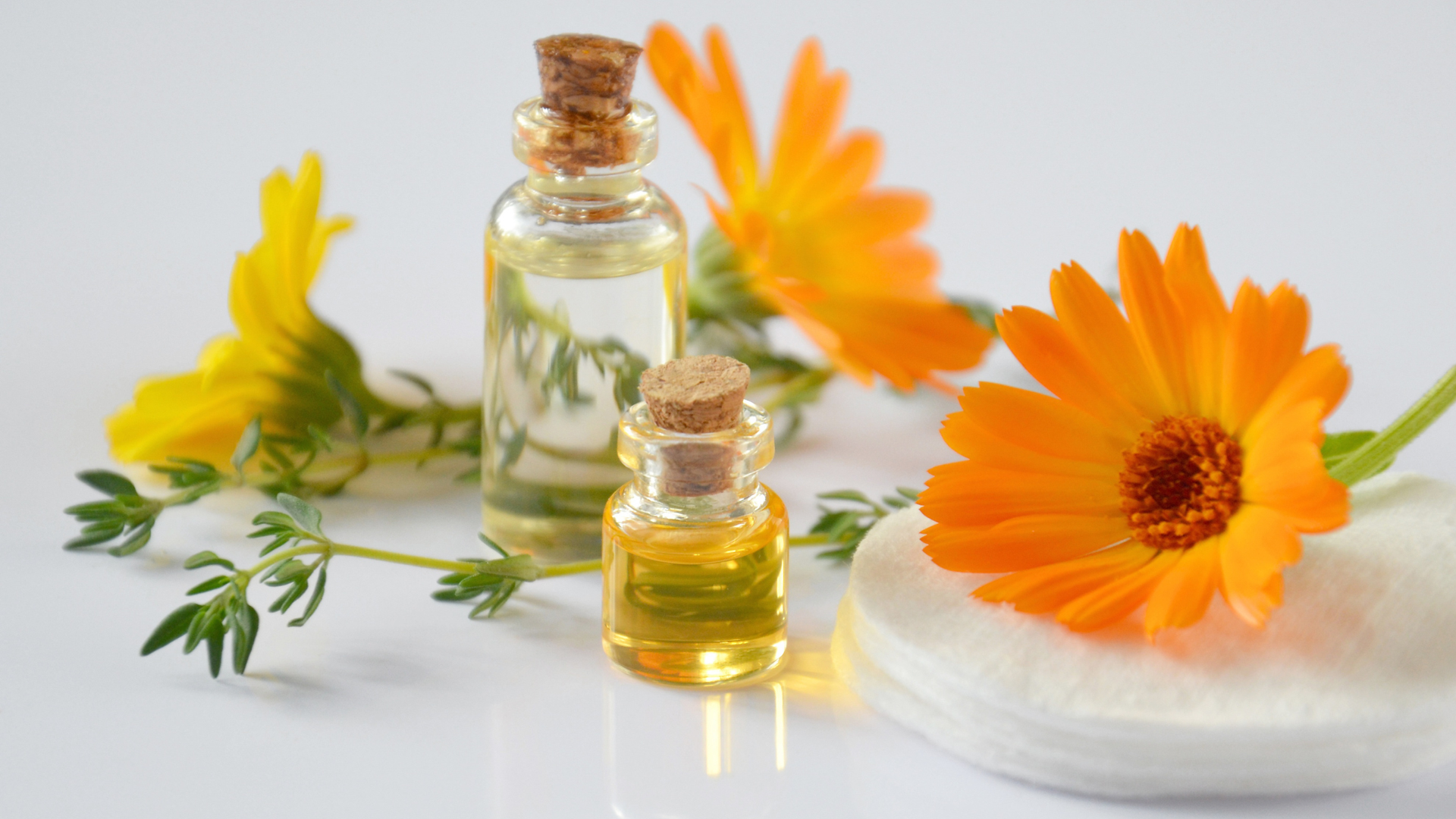
Learn essential oil safety & dilution basics with practical tips. Discover phototoxicity warnings, dilution ratios, and beginner routines for confident, safe use.
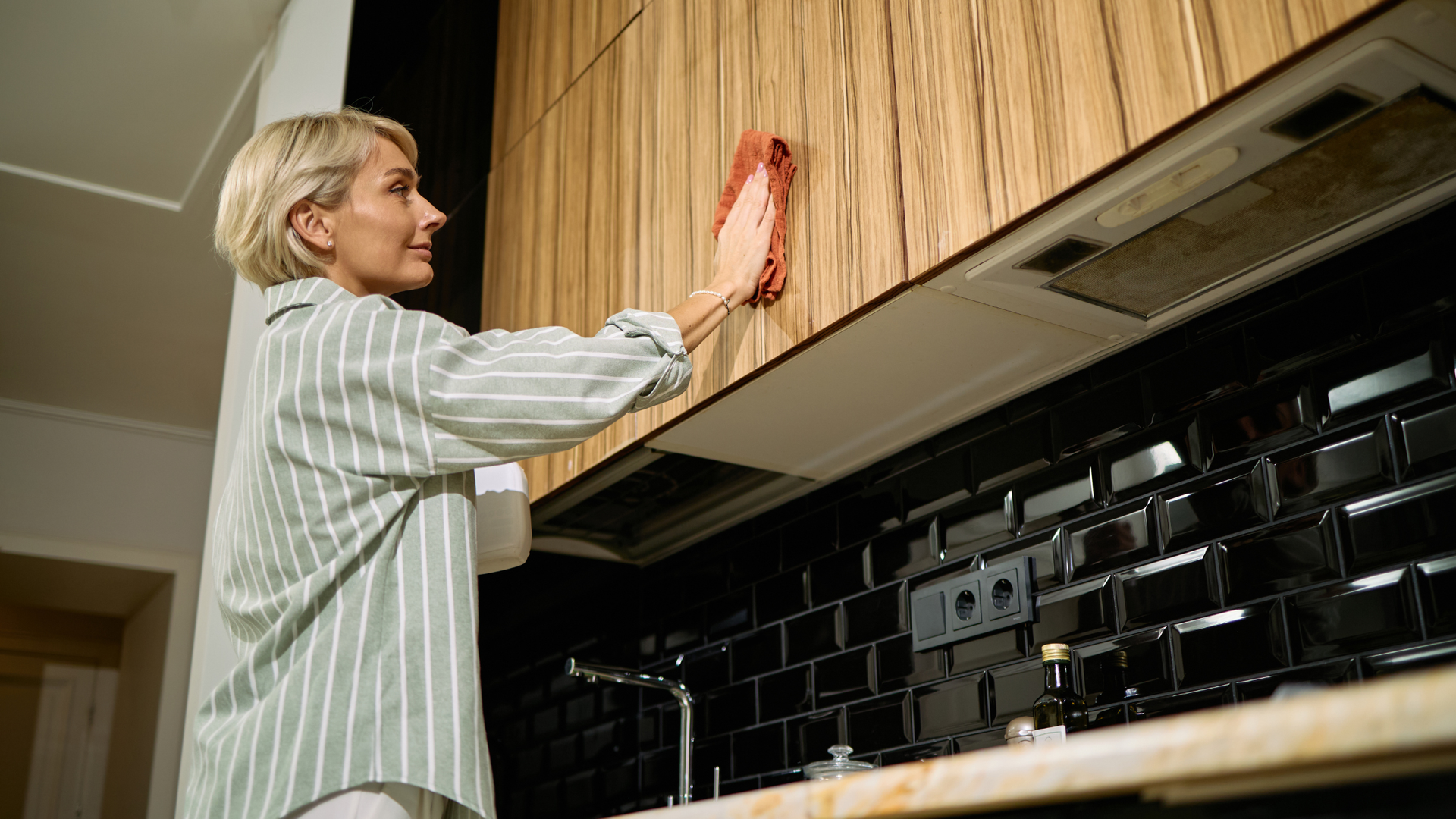
Learn to make eco-friendly DIY cleaning tablets with baking soda, citric acid & essential oils for effective, low-toxin home cleaning and reduced plastic waste.
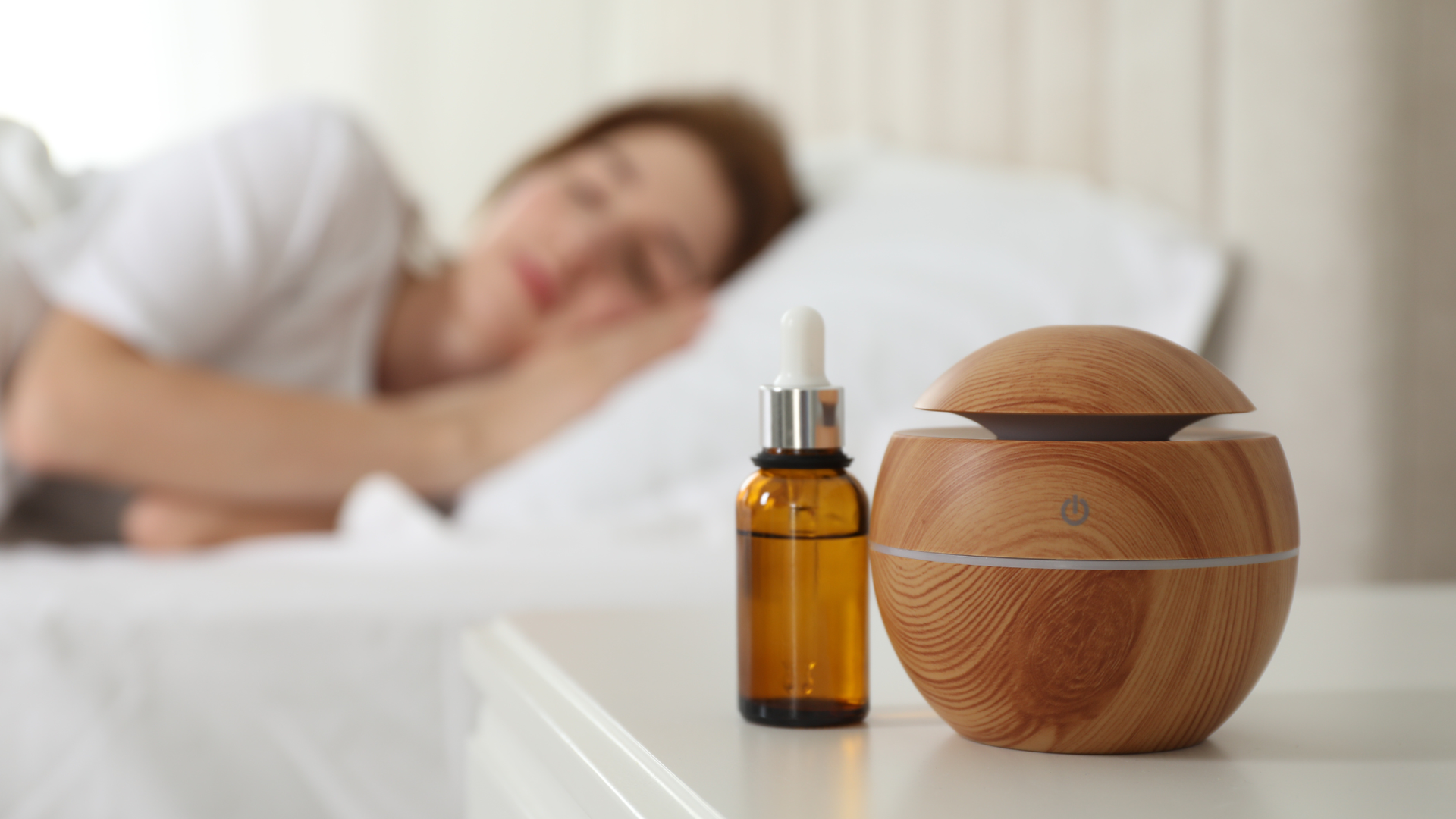
Learn to use essential sleep oils topically or aromatically for a calming bedtime routine. Get practical tips on diffusing, dilution, habit-building.

Unwind overworked joints before bed with a 10-minute essential oil massage. Get dilution tips, techniques, and simple routines for soothing nighttime comfort.
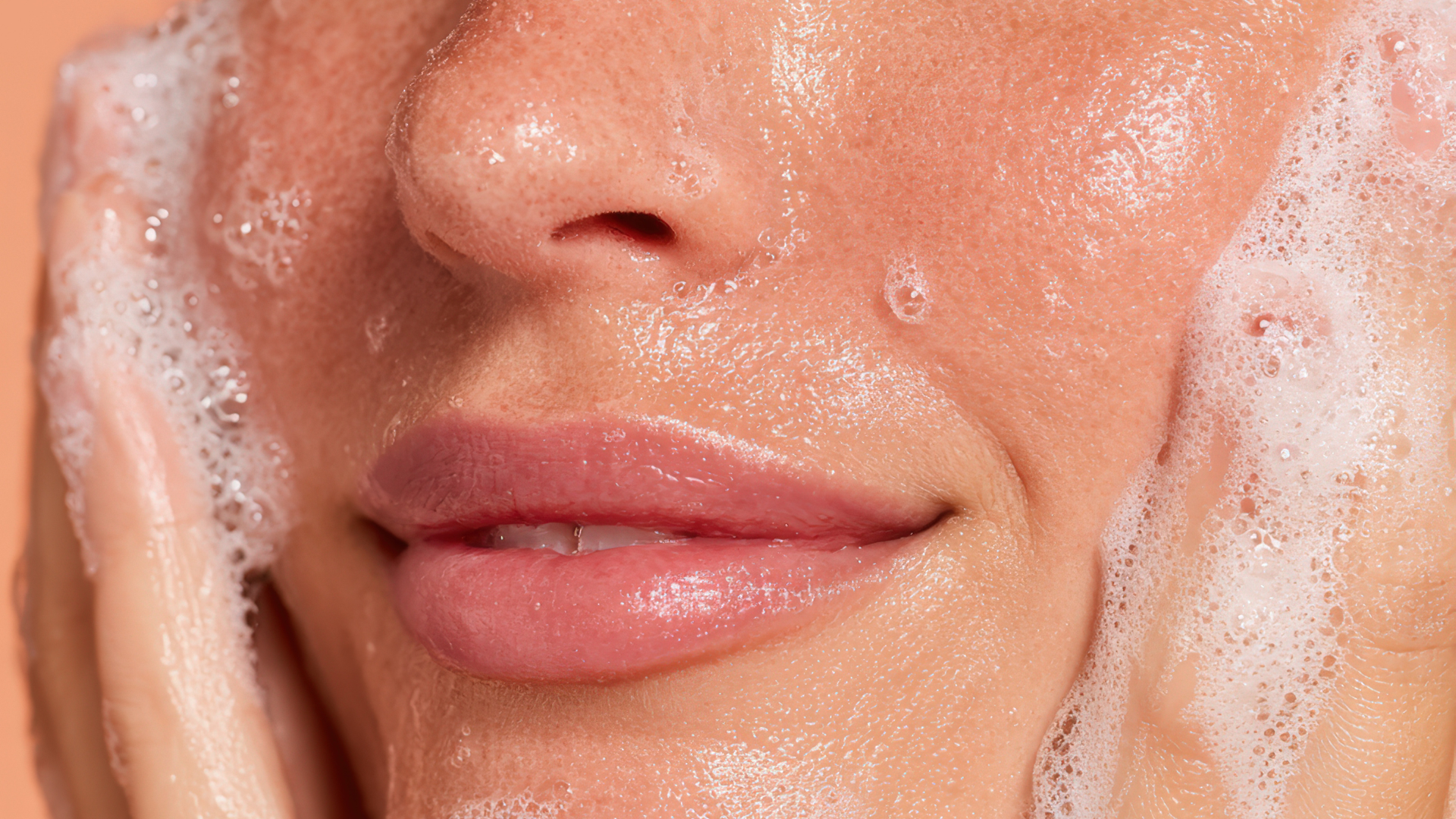
Build a gentle, toxin-free facial care routine with essential oils. Discover safe dilution, patch testing, AM/PM steps and tips for cleaner, healthier skin.

Discover 3 simple essential oil routines to ease work-life stress. Get safety tips and quick scent cues for calm focus and evening wind-downs.
Explore gentle, kid-safe essential oil blends to support your family's cold and flu wellness routines with safe dilution, diffusion tips, and home habits.

Discover a practical monthly menstrual self-care ritual using essential oils, heat, movement, and grounding habits. Safe, realistic tips for comfort and calm.

Kickstart your day with a 10-minute morning ritual using essential oils to support immunity, hydration, hygiene, and stress relief. Simple family tips.