
Essential Oil Blends for Allergy Relief: Gentle, Practical Support for Easier Breathing
March 7, 2026
Aromatherapy routines that support comfort—without overpromising
Seasonal allergies can make everyday life feel harder than it needs to—stuffy nose, watery eyes, scratchy throat, and that “can’t quite catch a deep breath” feeling. While essential oils aren’t a cure for allergies, many families use them as part of a clean-living routine to create a more comfortable environment and support a calm, open-airway feeling during high-pollen weeks.
Below are blend ideas, safe-use guidelines, and easy step-by-step options you can personalize at home. If you have asthma, chronic respiratory issues, or you’re using oils around kids or pets, please read the safety sections carefully—diffusion and topical use can irritate sensitive airways or skin. For children, reputable medical guidance emphasizes dilution and watching for reactions like coughing/wheezing or rashes. ( hopkinsmedicine.org)
First, what essential oils can (and can’t) do for allergies
What they can help with:
creating a fresher-smelling space, supporting relaxation when you feel uncomfortable, and encouraging a sense of clearer breathing through aromatic use (especially when paired with practical home habits like rinsing pollen off skin/hair after being outdoors).
What they can’t promise:
treating the underlying immune response or replacing medical allergy care. If you have wheezing, chest tightness, or shortness of breath, treat that as a medical issue—not a DIY aromatherapy project.
Why safety matters:
essential oils are concentrated. In some people, they can trigger irritation or allergic reactions. In kids, experts note possible reactions including coughing/wheezing or skin irritation, and emphasize correct dilution and dosing. ( hopkinsmedicine.org)
3 “Allergy Season” Blend Profiles (diffuser + topical options)
Blend goal
Aromatic blend (diffuser)
Topical blend idea (diluted)
“Open & Easy”
For stuffy-day comfort
For stuffy-day comfort
2 drops peppermint + 2 drops eucalyptus + 2 drops lavender
1 drop peppermint + 1 drop lavender in 1 tsp carrier oil; apply to upper chest/neck area (avoid face/eyes)
“Calm Breathing”
For bedtime when congestion is annoying
For bedtime when congestion is annoying
3 drops lavender + 2 drops frankincense + 1 drop cedarwood
2 drops lavender + 1 drop frankincense in 2 tsp carrier oil; gentle shoulder/upper-back massage
“Fresh Home”
For that clean-air feeling after being outdoors
For that clean-air feeling after being outdoors
2 drops lemon + 2 drops lavender + 2 drops tea tree (only if no pet sensitivity)
Skip topical; use this as an “environmental” blend, then ventilate the space well
Important:
If diffusing, keep sessions short (many people do 30–60 minutes) and ensure good ventilation. If the scent feels “heavy,” that’s a sign you may need less oil or more airflow. ( healthline.com)
How to use essential oils for allergy comfort (step-by-step)
1) Diffuser routine (simple + consistent)
Step 1:
Add water to your diffuser per its instructions.
Step 2:
Start with 4–6 total drops
(less is often better when your nose is already irritated).
Step 3:
Diffuse for 30–60 minutes
, then take a break. ( healthline.com)
Step 4:
Open a door or window slightly if possible to keep airflow comfortable.
2) Personal inhalation (more targeted, less “whole-house”)
If you share space with others (or you’re avoiding diffusing around kids/pets), consider a personal aromastick/inhaler. Children’s safety guidance often highlights that inhalers can help keep exposure limited to the intended person (with proper supervision). ( hopkinsmedicine.org)
Try:
1–2 drops peppermint + 1–2 drops lavender on the inhaler wick. Use briefly, then pause and reassess how you feel.
3) Topical blends (only when properly diluted)
Always dilute in a carrier oil (like fractionated coconut oil or jojoba). For kids, dilution needs to be especially conservative; pediatric guidance highlights dosing ranges by age and emphasizes stopping if irritation or respiratory symptoms occur. ( hopkinsmedicine.org)
Best practice:
patch-test on the inner forearm, wait 24 hours, then proceed if there’s no redness or itch.
Quick “Did you know?” allergy-season facts (oil-friendly habits)
Did you know?
Diffusing longer doesn’t automatically mean “better.” Many safety guides recommend short diffusion intervals
to reduce irritation risk. ( healthline.com)
Did you know?
Citrus oils can be phototoxic
when applied to skin before sun exposure—so keep lemon/orange oils for diffusion or nighttime use, or avoid sun on the area for a while. ( ncbi.nlm.nih.gov)
Did you know?
If you have pets, your diffuser can create tiny oil droplets that may land on fur and later be ingested during grooming—one reason many animal health organizations advise extra caution. ( aspca.org)
Using essential oils safely around kids, sensitive lungs, and pets
For children:
Keep dilution gentle, avoid applying near eyes/nose/mouth, and stop immediately if you notice coughing, wheezing, headaches, or skin irritation. Pediatric medical guidance notes that some children experience allergic reactions or respiratory symptoms from essential oils and stresses correct dosing. ( hopkinsmedicine.org)
For asthma or reactive airways:
If scents trigger symptoms, skip diffusion. Use non-aerosol strategies (like a low-scent personal inhaler with careful testing) only if it feels comfortable and your clinician is on board.
For pets:
The ASPCA recommends avoiding direct application to pets and using diffusers cautiously: keep the diffuser secured, allow pets to leave the room, and avoid diffusing if your pet has breathing problems (and avoid diffusers around birds due to respiratory sensitivity). If you suspect exposure or ingestion, contact your veterinarian or ASPCA Animal Poison Control. ( aspca.org)
Local angle: allergy relief routines that fit life in the United States
Across the United States, allergy triggers can shift fast—tree pollen in spring, grass in early summer, ragweed late summer/fall, plus indoor triggers that flare during heating and cooling seasons. A practical approach is to pair aromatherapy with “pollen boundary” habits:
After outdoor time:
rinse face/hands, change clothes, and consider a brief “Fresh Home” diffuser session with ventilation.
Evening wind-down:
choose a calmer blend (lavender-forward) instead of strong minty diffusion right before sleep if your throat feels dry.
When guests are over:
opt for personal inhalation instead of diffusing (it helps respect scent sensitivities and reduces overall exposure). ( hopkinsmedicine.org)
If you want more guidance on choosing products for your goals, explore YL Family’s wellness collections for Stress & Mood support, Sleep & Rest routines, and Immune Support.
CTA: Build your allergy-season kit (without the guesswork)
If you’re ready to create a simple, repeatable routine—diffuser blends, gentle topical options, and clean-home favorites—YL Family can help you choose products that match your household (including kid-friendly and pet-aware considerations).
Prefer to browse by lifestyle? Visit Green Home Living
or Personal Care.
FAQ: Essential oils and allergy relief
Do essential oils “treat” allergies?
Essential oils may support comfort and relaxation, but they aren’t proven to treat the immune response behind allergies. If symptoms are severe or worsening, it’s worth speaking with a licensed clinician or an allergist.
What’s the best way to try oils if I’m scent-sensitive?
Start low and local: use fewer diffuser drops, shorten diffusion time, and consider a personal inhaler instead of diffusing a whole room—especially around children or guests. ( hopkinsmedicine.org)
Can I diffuse oils around my dog or cat?
Use extra caution. The ASPCA advises avoiding direct application to pets and suggests that short diffusion in a secured area may be less likely to cause issues, but pets with breathing problems may be more at risk—and birds are especially sensitive. Always allow pets to leave the room and keep oils out of reach. ( aspca.org)
Is it safe to put lemon or other citrus oils on my skin?
Citrus oils can cause phototoxic reactions for some people if applied to skin before sun exposure. If you use them topically, keep them properly diluted and avoid sun on the area afterward (or reserve citrus oils for diffusion). ( ncbi.nlm.nih.gov)
What if my child coughs or gets a rash after we use an oil?
Stop using the product immediately, get fresh air, and wash off any topical application with soap and water. Pediatric guidance notes that some kids experience respiratory symptoms and skin reactions, and recommends contacting a doctor if symptoms occur. ( hopkinsmedicine.org)
Glossary (helpful terms)
Carrier oil:
A neutral oil (like jojoba or fractionated coconut oil) used to dilute essential oils before skin application.
Diffusion:
Dispersing essential oils into the air (often with water) for aromatic use.
Phototoxicity:
A skin reaction that can occur when certain oils (often citrus) are applied topically and the area is exposed to sunlight. ( ncbi.nlm.nih.gov)
Patch test:
Testing a diluted blend on a small area of skin to check for irritation before broader use.

Discover teen-friendly bedtime routines with gentle essential oils for 8–10 hours of sleep. Try simple wind-down steps for calmer nights and rested mornings.
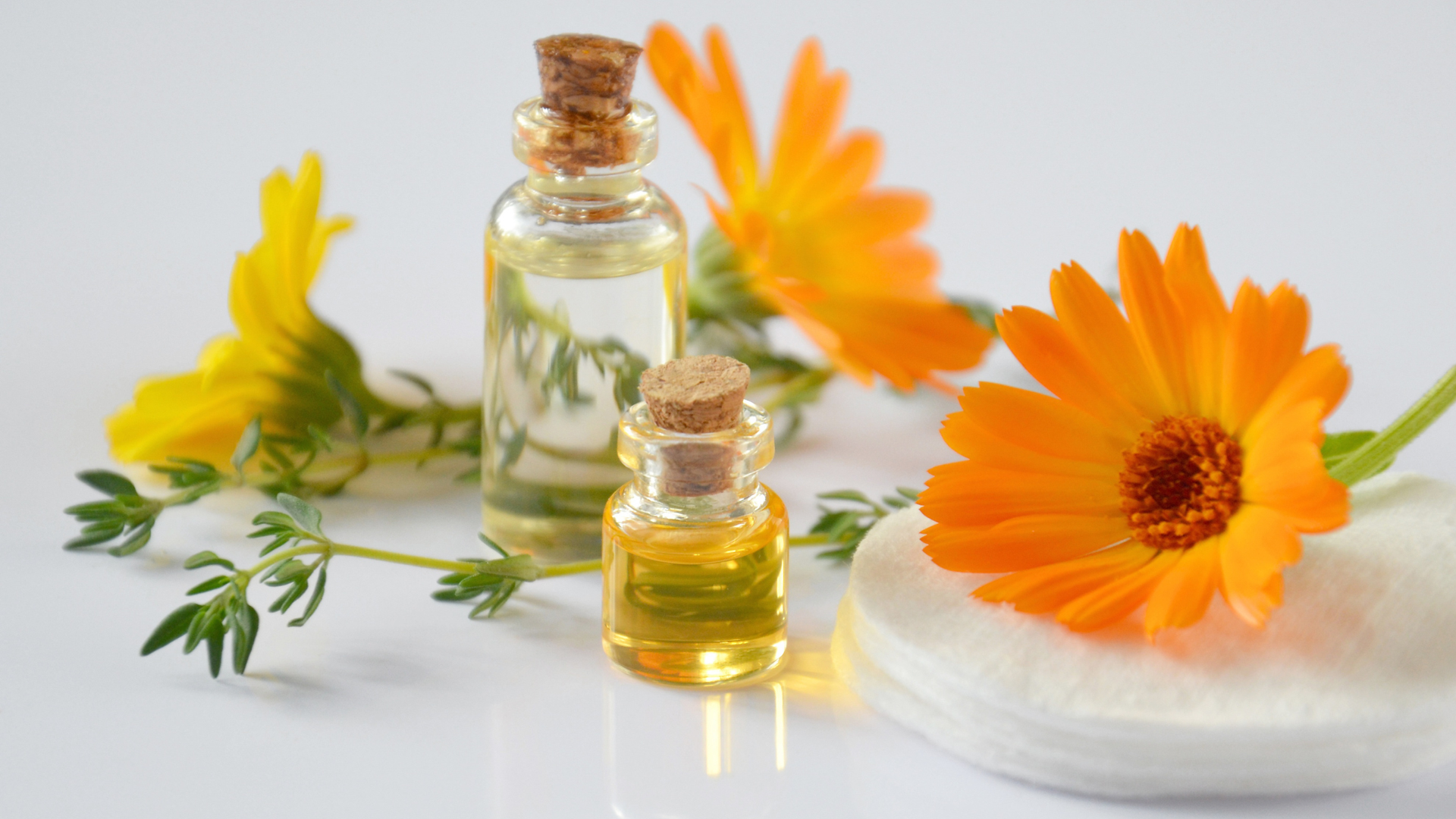
Learn essential oil safety & dilution basics with practical tips. Discover phototoxicity warnings, dilution ratios, and beginner routines for confident, safe use.

Learn to make eco-friendly DIY cleaning tablets with baking soda, citric acid & essential oils for effective, low-toxin home cleaning and reduced plastic waste.
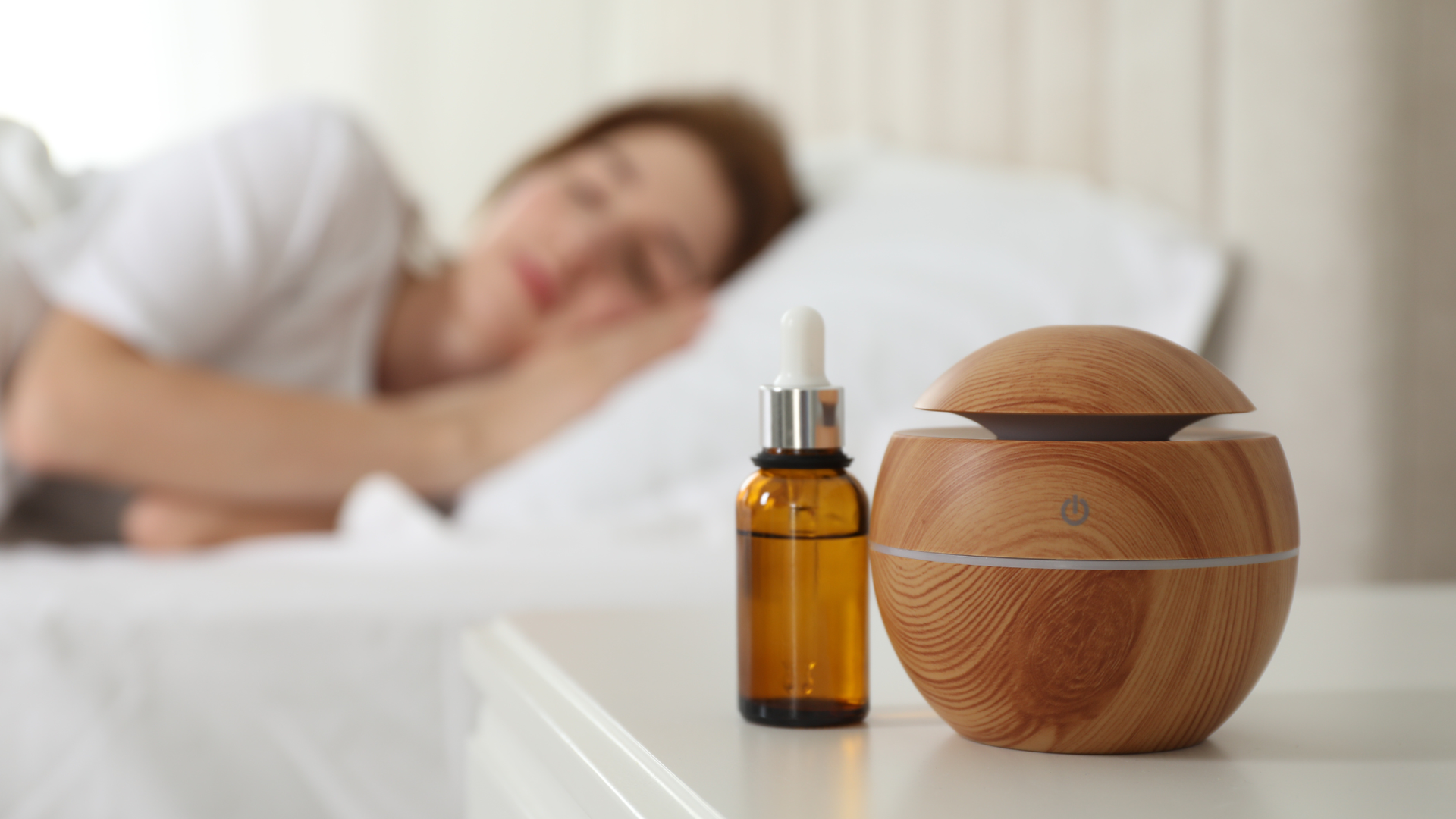
Learn to use essential sleep oils topically or aromatically for a calming bedtime routine. Get practical tips on diffusing, dilution, habit-building.

Unwind overworked joints before bed with a 10-minute essential oil massage. Get dilution tips, techniques, and simple routines for soothing nighttime comfort.
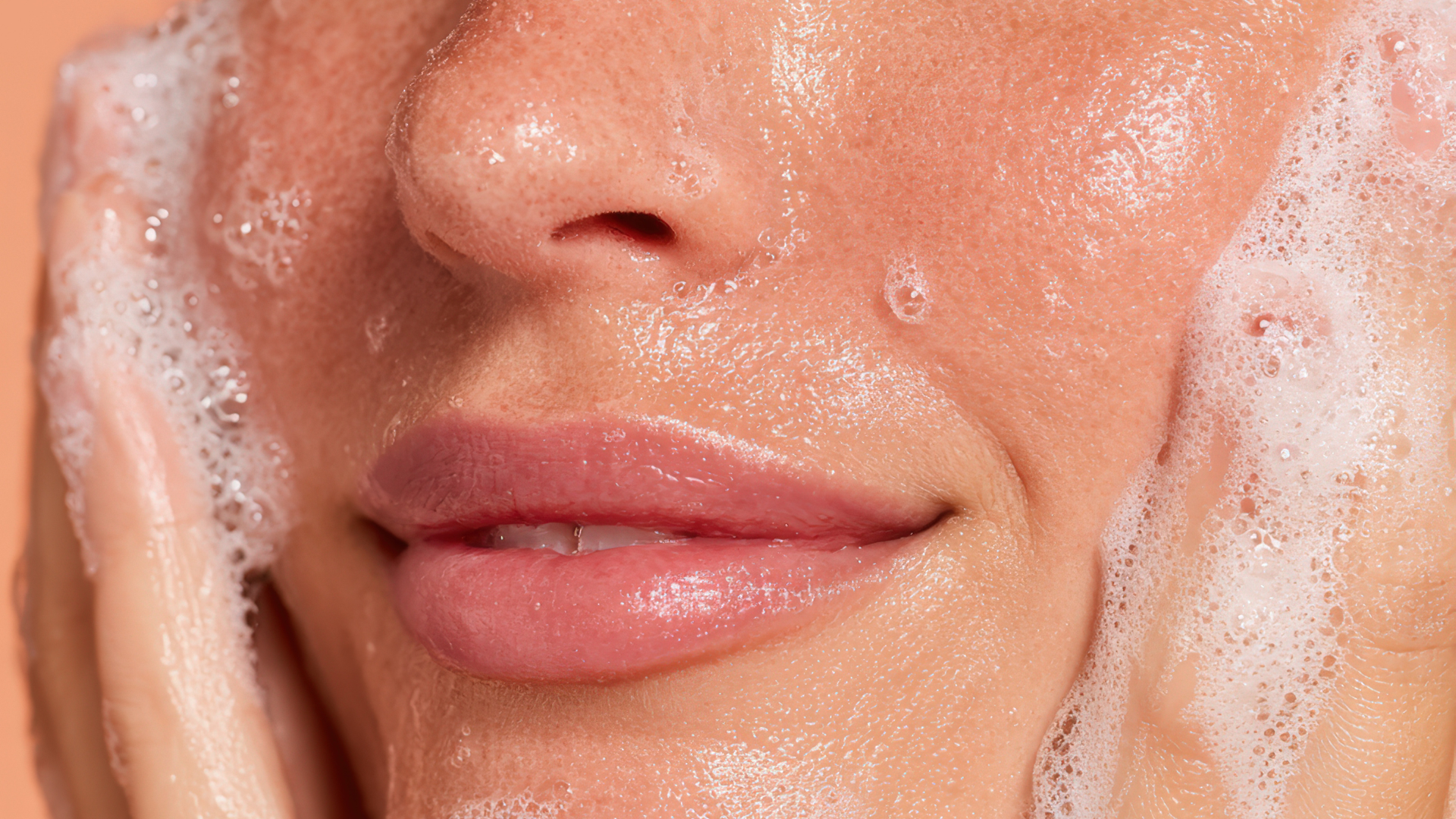
Build a gentle, toxin-free facial care routine with essential oils. Discover safe dilution, patch testing, AM/PM steps and tips for cleaner, healthier skin.

Discover 3 simple essential oil routines to ease work-life stress. Get safety tips and quick scent cues for calm focus and evening wind-downs.
Explore gentle, kid-safe essential oil blends to support your family's cold and flu wellness routines with safe dilution, diffusion tips, and home habits.

Discover a practical monthly menstrual self-care ritual using essential oils, heat, movement, and grounding habits. Safe, realistic tips for comfort and calm.

Kickstart your day with a 10-minute morning ritual using essential oils to support immunity, hydration, hygiene, and stress relief. Simple family tips.