
Essential Oil Hair Mask Recipes for Deep Nourishment
March 12, 2026
A softer, shinier wash day—without overcomplicating your routine
Hair masks can be one of the simplest “high impact” habits for dry ends, frizz, heat-styled strands, and seasonal dryness. When you pair a nourishing base (like honey, yogurt, aloe, or a lightweight carrier oil) with properly diluted
essential oils, you can create a treatment that feels spa-level—right at home.
At YL Family , we’re big believers in clean living and practical wellness. Below you’ll find DIY hair mask ideas that prioritize deep nourishment , plus safety notes (because scalp skin is skin) and easy customization based on hair type.
At YL Family , we’re big believers in clean living and practical wellness. Below you’ll find DIY hair mask ideas that prioritize deep nourishment , plus safety notes (because scalp skin is skin) and easy customization based on hair type.
First: essential oil haircare rules that keep masks gentle (and effective)
1) Dilution matters (more drops ≠ better results).
For leave-on or mask-style hair/scalp use, many aromatherapy references recommend staying around ~1–2% dilution (and lower for sensitive skin). As a practical guide, that’s often about 6–12 drops of essential oil per 30 mL (1 oz) carrier , but you can go lower—especially if you’re new or reactive. ( nowfoods.com)
For leave-on or mask-style hair/scalp use, many aromatherapy references recommend staying around ~1–2% dilution (and lower for sensitive skin). As a practical guide, that’s often about 6–12 drops of essential oil per 30 mL (1 oz) carrier , but you can go lower—especially if you’re new or reactive. ( nowfoods.com)
2) Patch test like you mean it.
Essential oils can trigger irritation or allergic contact dermatitis in some people. Patch testing before full use is a smart baseline—especially if you have eczema-prone or sensitive skin. ( eczema.org)
Essential oils can trigger irritation or allergic contact dermatitis in some people. Patch testing before full use is a smart baseline—especially if you have eczema-prone or sensitive skin. ( eczema.org)
3) Be cautious with flaky/itchy scalps.
If your flakes are oily/yellow or your scalp is inflamed, heavy oils can sometimes make certain scalp conditions feel worse. When in doubt, keep masks focused on mid-lengths/ends and consider talking with a dermatologist for persistent scalp issues. ( verywellhealth.com)
If your flakes are oily/yellow or your scalp is inflamed, heavy oils can sometimes make certain scalp conditions feel worse. When in doubt, keep masks focused on mid-lengths/ends and consider talking with a dermatologist for persistent scalp issues. ( verywellhealth.com)
4) Watch sun sensitivity with citrus oils.
Some cold-pressed citrus oils can be phototoxic in leave-on products. For masks, either avoid applying them to skin that will see sun soon, keep dilution very conservative, or choose non-phototoxic alternatives. ( tisserandinstitute.org)
Some cold-pressed citrus oils can be phototoxic in leave-on products. For masks, either avoid applying them to skin that will see sun soon, keep dilution very conservative, or choose non-phototoxic alternatives. ( tisserandinstitute.org)
How to choose the right mask base (so it actually rinses well)
Think of the base as your “delivery system.” Choose one that fits your hair texture and how often you wash:
Lightweight hydration:
aloe vera gel, plain yogurt, glycerin-based conditioner
Deep softness:
honey + conditioner, avocado, banana (blend very smooth)
Slip + frizz control:
jojoba oil, argan oil, a silicone-free hair serum base
Protein support (use sparingly):
yogurt, egg (cool water rinse only to avoid “cooking”)
If your hair gets weighed down easily, keep oils minimal and apply mostly to ends. If your ends feel crispy or overly porous (bleach, heat styling), you can lean richer.
DIY essential oil hair mask recipes (deep nourishment, simple ingredients)
Before you start:
Aim for 5–20 minutes
of contact time. Use a shower cap or warm towel to boost comfort and spread. Shampoo as needed after, and condition lightly if your hair tangles.
1) “Soft Ends” Honey + Conditioner Mask (best for dry ends + frizz)
Mix:
2 tbsp silicone-free conditioner + 1 tbsp honey + 1 tsp jojoba or argan oil
Essential oils (optional):
2–4 drops lavender or rosemary
How to use:
Apply mid-lengths to ends. Avoid scalp if you’re sensitive. Leave 10–15 minutes, rinse well.
Why it works:
Honey helps hair feel more pliable and less brittle; conditioner adds slip; a small amount of carrier oil smooths the cuticle.
2) Yogurt + Aloe “Scalp-Comfort” Mask (best for tight, dry-feeling scalp)
Mix:
2 tbsp plain yogurt + 1 tbsp aloe vera gel + 1 tsp olive-free lightweight carrier (jojoba is a common pick)
Essential oils (optional):
1–2 drops lavender (keep it gentle)
How to use:
Part hair and dab sparingly on scalp, then pull through ends. Leave 5–10 minutes, rinse.
Pro tip:
If you have eczema/atopic dermatitis tendencies, essential oils (even “natural”) can be irritating—consider skipping them and focusing on a fragrance-free base. ( nationaleczema.org)
3) Avocado “Deep Nourish” Mask (best for coarse, curly, or color-treated hair)
Mix:
1/2 ripe avocado (blend very smooth) + 1 tbsp honey + 1 tbsp argan or avocado oil
Essential oils (optional):
3–6 drops total (try rosemary + lavender)
How to use:
Apply generously to damp hair. Leave 15–20 minutes, rinse thoroughly, then shampoo.
Note:
Keep essential oils diluted. For hair/scalp blends, many guides suggest staying around 1–2% and adjusting down for sensitivity. ( nowfoods.com)
4) Clarifying “Reset” Mask (best for buildup—use occasionally)
Mix:
2 tbsp conditioner + 1 tbsp aloe gel
Essential oils (optional):
1–2 drops tea tree (only if tolerated) + 1–2 drops rosemary
How to use:
Focus on scalp and roots for 3–5 minutes, rinse, then shampoo.
Important:
Tea tree can be helpful for some routines, but it can also be irritating and may trigger allergic contact dermatitis—avoid if you have very reactive skin. ( nationaleczema.org)
Quick reference table: choose a mask by hair goal
| Your main goal | Best base | Optional essential oils | How often |
|---|---|---|---|
| Dry ends, frizz | Conditioner + honey + light oil | Lavender, rosemary (low dilution) | 1x/week |
| Shine + softness | Avocado + honey | Lavender (gentle) | Every 7–10 days |
| Scalp feels tight/dry | Yogurt + aloe (light) | Lavender (or none if reactive) | 1x/week |
| Buildup reset | Conditioner + aloe (short contact) | Rosemary; tea tree only if tolerated | 1–2x/month |
If you’re exploring peppermint for “growth,” keep expectations realistic: current evidence is stronger in animal studies than in high-quality human research. If hair shedding is sudden or significant, it’s worth discussing causes and proven options with a clinician. ( verywellhealth.com)
A U.S. “real life” angle: seasonal dryness, hard water, and busy schedules
Across the United States, seasonal shifts can change how your hair behaves—winter air and indoor heating can dry out ends, while summer humidity can amplify frizz. Add in factors like heat styling, color services, and hard water in some regions, and it’s easy for hair to feel dull or tangly.
A simple rhythm many families stick with:
A simple rhythm many families stick with:
Weekly:
a nourishing ends-focused mask (10–15 minutes)
Monthly:
a short “reset” mask or clarifying wash (especially if you use dry shampoo)
As needed:
fragrance-free scalp comfort approach if irritation flares
Consistency beats complexity. If a recipe feels like too many steps, simplify the base and skip essential oils until you find what your hair and scalp truly tolerate.
Safety reminder:
Avoid applying undiluted essential oils directly to the scalp. Start low, patch test, and stop if you feel burning, itching, or rash. ( nowfoods.com)
Shop clean wellness favorites with YL Family
If you’d like to build a more consistent self-care routine—hair, home, and everyday wellness—YL Family can help you choose options that fit your goals and comfort level.
Helpful next steps: If stress or sleep are part of your “hair health” picture, you may also like Stress & Mood
and Sleep & Rest
support.
FAQ: Essential oil hair masks
How long should I leave a DIY hair mask on?
Most nourishing masks work well in 10–15 minutes . If your hair is very dry, you can go up to 20 minutes —but longer isn’t always better if your scalp is sensitive.
Most nourishing masks work well in 10–15 minutes . If your hair is very dry, you can go up to 20 minutes —but longer isn’t always better if your scalp is sensitive.
Can I put essential oils directly on my scalp?
It’s safer to dilute essential oils in a carrier (or a mask base) and patch test first. Undiluted application can increase irritation and sensitization risk. ( nowfoods.com)
It’s safer to dilute essential oils in a carrier (or a mask base) and patch test first. Undiluted application can increase irritation and sensitization risk. ( nowfoods.com)
What dilution should I use for hair and scalp?
Many guides suggest keeping hair/scalp blends around 1–2% and lowering that for sensitive skin. If you’re unsure, start at the lowest end and increase only if tolerated. ( nowfoods.com)
Many guides suggest keeping hair/scalp blends around 1–2% and lowering that for sensitive skin. If you’re unsure, start at the lowest end and increase only if tolerated. ( nowfoods.com)
Will peppermint or rosemary make my hair grow faster?
Some essential oils are popular for “growth,” but high-quality human evidence varies. Peppermint looks promising in animal research, yet human data is still limited. If shedding is new or intense, consider medical guidance to identify the cause. ( verywellhealth.com)
Some essential oils are popular for “growth,” but high-quality human evidence varies. Peppermint looks promising in animal research, yet human data is still limited. If shedding is new or intense, consider medical guidance to identify the cause. ( verywellhealth.com)
What if I have dandruff or seborrheic dermatitis?
If your scalp is oily, inflamed, or has stubborn flakes, heavy oils can sometimes make symptoms worse. A medicated shampoo plan may be more effective than oil-heavy masks; a dermatologist can help confirm what you’re dealing with. ( teenvogue.com)
If your scalp is oily, inflamed, or has stubborn flakes, heavy oils can sometimes make symptoms worse. A medicated shampoo plan may be more effective than oil-heavy masks; a dermatologist can help confirm what you’re dealing with. ( teenvogue.com)
Are citrus essential oils okay in hair masks?
Some cold-pressed citrus oils can be phototoxic in leave-on products. If you use them, keep dilutions conservative and avoid sun exposure on treated skin areas shortly after use. ( tisserandinstitute.org)
Some cold-pressed citrus oils can be phototoxic in leave-on products. If you use them, keep dilutions conservative and avoid sun exposure on treated skin areas shortly after use. ( tisserandinstitute.org)
Glossary
Carrier oil:
A neutral oil (like jojoba or argan) used to dilute essential oils for safer skin/scalp application.
Dilution percentage:
The concentration of essential oil in a blend. Example: 1%
means about 1 part essential oil to 99 parts carrier/base.
Phototoxicity:
A skin reaction triggered when certain compounds (common in some cold-pressed citrus oils) are exposed to UVA light after topical use. ( tisserandinstitute.org)
Sensitization (allergic contact dermatitis):
When repeated exposure increases the chance of developing an allergy/skin reaction to an ingredient, including some essential oils. ( eczema.org)

Discover 3 simple essential oil routines to ease work-life stress. Get safety tips and quick scent cues for calm focus and evening wind-downs.
Explore gentle, kid-safe essential oil blends to support your family's cold and flu wellness routines with safe dilution, diffusion tips, and home habits.

Discover a practical monthly menstrual self-care ritual using essential oils, heat, movement, and grounding habits. Safe, realistic tips for comfort and calm.

Kickstart your day with a 10-minute morning ritual using essential oils to support immunity, hydration, hygiene, and stress relief. Simple family tips.
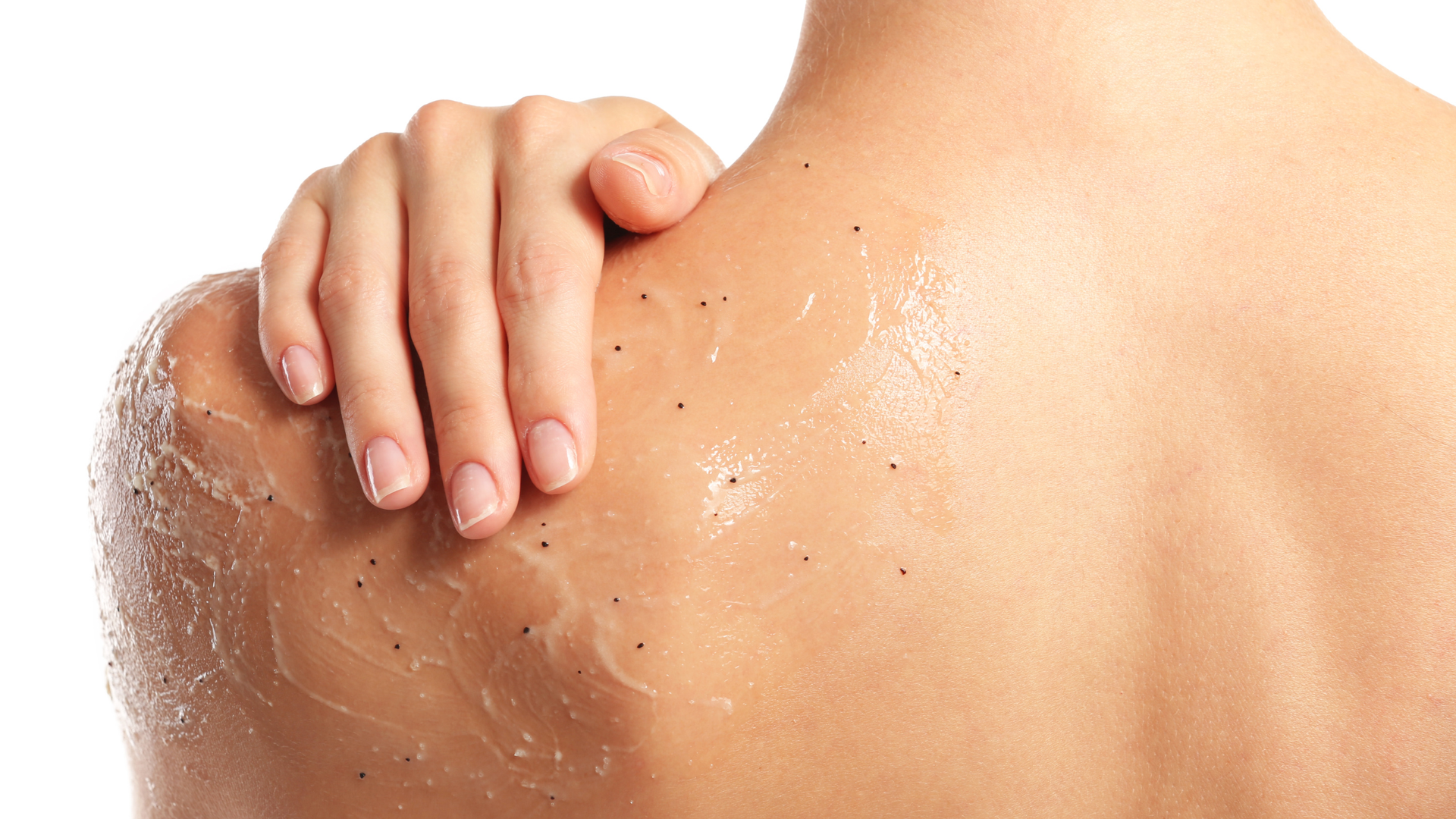
Learn how to create DIY essential oil body scrubs for gentle exfoliation and radiant skin. Discover recipes, safety tips, and ingredient guides for smoother skin.

Discover how pairing journaling with essential oils creates a simple daily ritual to support calm, clarity, and emotional balance. Step-by-step guide included.

Discover how essential oil-infused gummies can support your family's immune wellness. Easy to take, kid-friendly, and perfect for habit stacking with sleep.
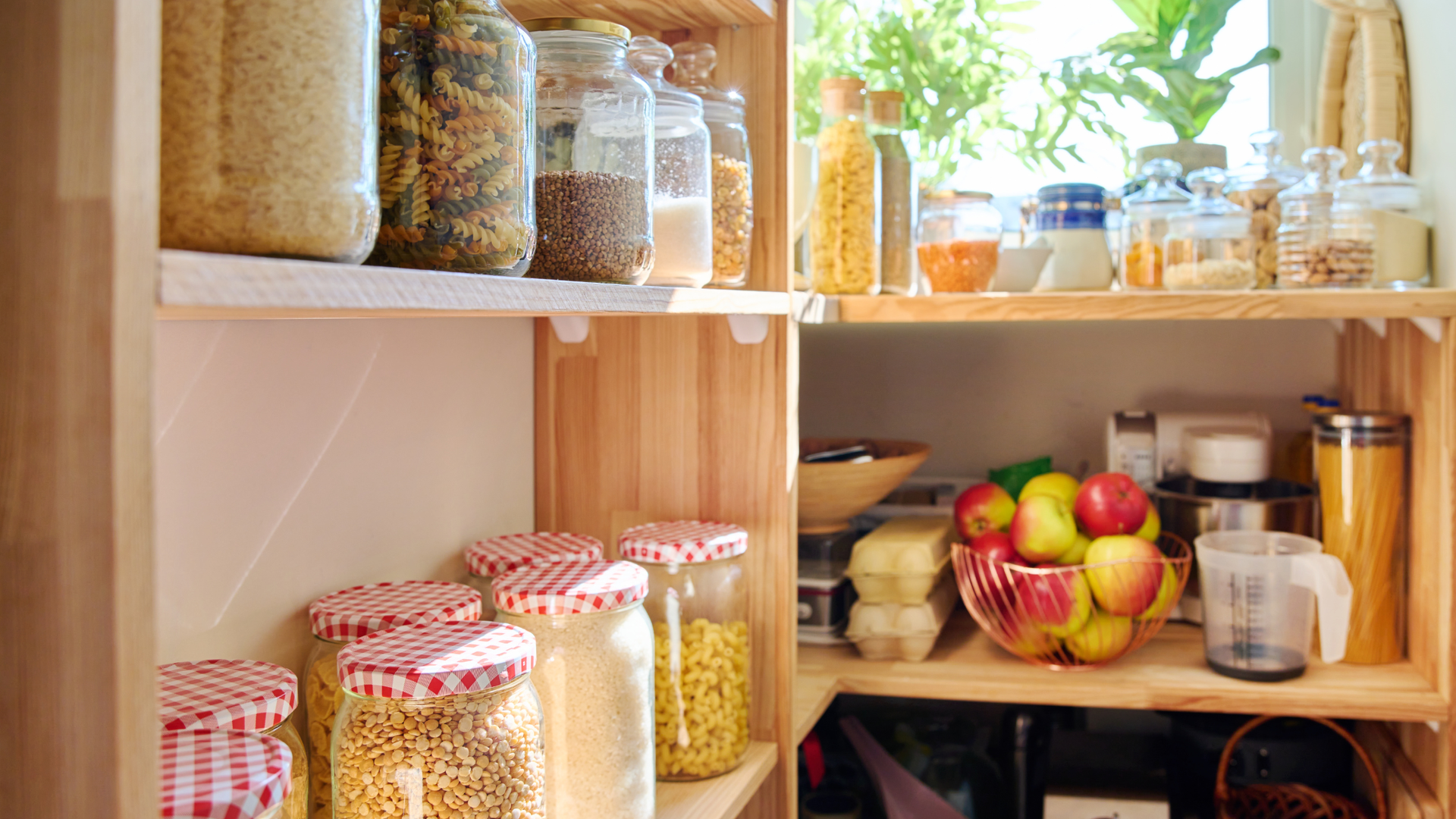
Keep your fridge and pantry odor-free with non-toxic, family-friendly DIY deodorizing solutions using baking soda, activated charcoal, and essential oils.
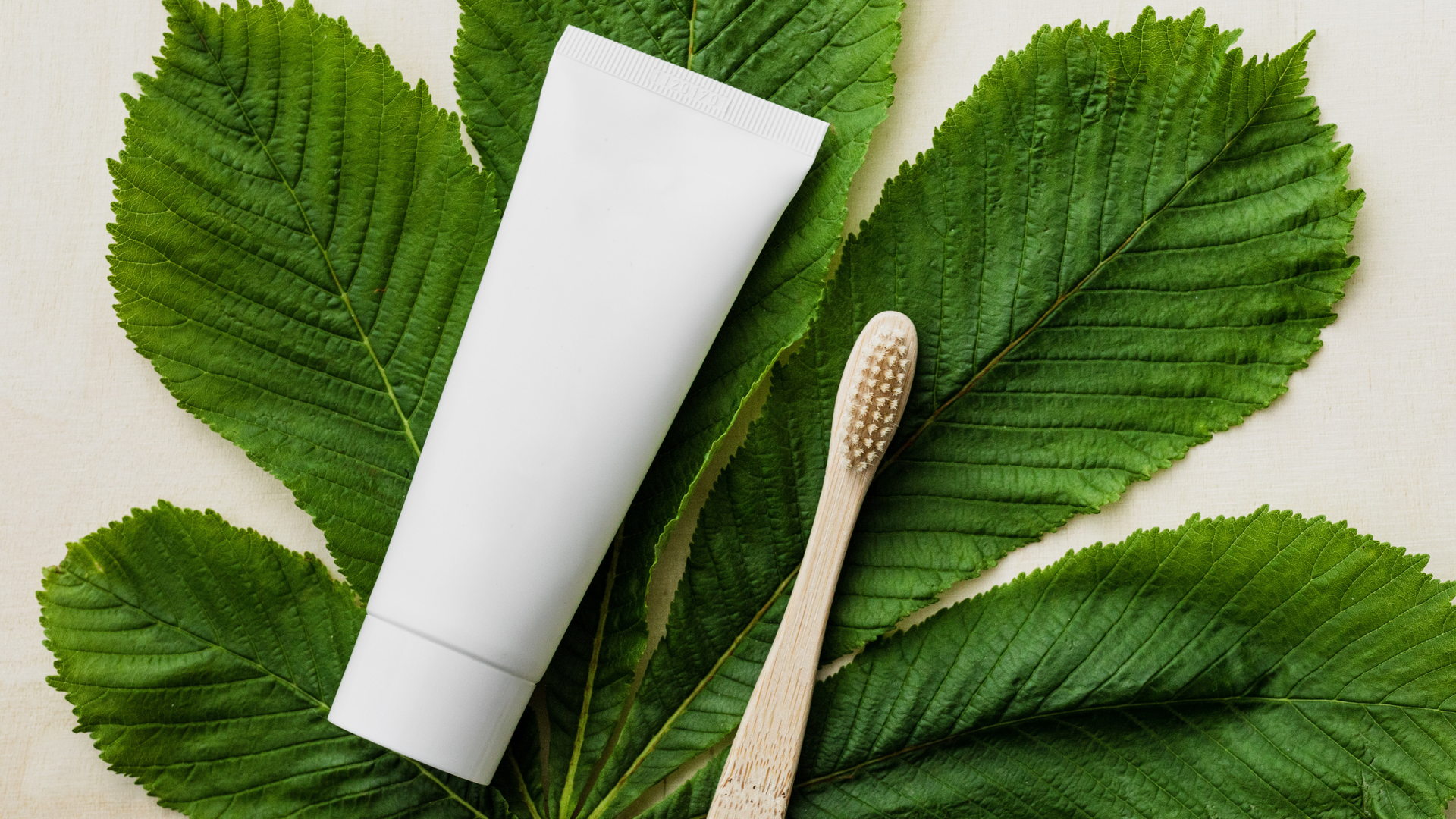
Learn how to make your own essential oil toothpaste with simple ingredients. Follow our step-by-step guide, safety tips, and customization options for a fresh, natural oral care routine.

Beat the afternoon slump without caffeine using essential oil blends. Discover focus, mood, and stress-support aroma profiles plus an easy daily routine.