Kid-Friendly Diffuser Blends for Focus and Calm
A gentle way to support a smoother day—without overpowering scents
For many families, the busiest moments happen in the “in-between”: homework time, after-school transitions, busy mornings, and the ramp-down before bed. A thoughtfully chosen diffuser blend can help your home feel more steady and comfortable—especially when kids are sensitive to strong smells. This guide shares kid-friendly diffuser ideas for focus and calm, plus practical safety tips so you can use aromatics confidently as part of your family’s everyday rhythm.
Start with safety: what “kid-friendly” really means
“Kid-friendly” doesn’t mean “use as much as you want.” Essential oils are concentrated plant extracts, and children can be more likely than adults to react to them. It’s smart to keep blends lighter, diffuse for shorter windows, and watch for signs that a scent is too strong (headache, cough, watery eyes, irritability, or “I don’t like it”). ( hopkinsmedicine.org)
A few foundational guidelines many families find helpful:
- Diffuse in short sessions: Try 10–20 minutes, then take a break. You can repeat later if desired.
- Ventilation matters: Crack a door or window when possible so the aroma stays light.
- Less is more for kids: Start with 1–2 total drops in a diffuser and increase only if the scent is still very mild.
- Avoid ingestion: Essential oils can be toxic if swallowed. Keep bottles out of reach. ( hopkinsmedicine.org)
- Use extra caution with peppermint around very young children: Some pediatric guidance advises avoiding peppermint oil in children under 30 months due to seizure risk. ( hopkinsmedicine.org)
If you have pets: Diffuse cautiously, keep diffusers where pets can’t knock them over, and give animals a clear “scent-free” escape route to another room. If your pet has respiratory issues, consider skipping diffusion. ( aspca.org)
Kid-friendly diffuser blends (focus + calm)
These blends are designed to smell clean, soft, and not too “sharp.” Start with the lowest drop count and adjust based on your room size and your child’s sensitivity.
1) Homework Helper (steady + bright)
Try:
Lavender (1 drop) + Sweet Orange (1 drop)
When:
Homework time, reading time, quiet play.
2) Calm Corner (soft + comforting)
Try:
Lavender (1 drop) + Cedarwood (1 drop)
When:
Transitions after school, before dinner, decompressing.
3) Morning Reset (fresh + gentle)
Try:
Lemon (1 drop) + Lavender (1 drop)
When:
Slow mornings, getting ready for school, family tidy-up.
4) Screen-Time Wind Down (cozy + grounded)
Try:
Frankincense (1 drop) + Lavender (1 drop)
When:
After screens, quiet family time, bedtime stories.
5) Big Feelings Blend (light + reassuring)
Try:
Lavender (1 drop) + Bergamot (1 drop)
When:
Emotional moments, changes in routine, travel days.
Note: If your child has asthma, scent sensitivities, or you notice coughing/wheezing, stop diffusing and ask your clinician what’s appropriate for your situation. Children can be more likely to experience adverse effects from essential oils than adults. ( hopkinsmedicine.org)
A simple step-by-step diffuser routine (that kids actually tolerate)
Step 1: Choose your “moment” (not an all-day scent)
Match diffusion to a specific routine: homework, dinner prep, bath time, or bedtime. This keeps scent exposure gentle and predictable.
Step 2: Start with 1–2 drops total
Especially in smaller rooms, fewer drops can still be noticeable. If the aroma feels “loud,” it’s too much.
Step 3: Diffuse for 10–20 minutes, then pause
Set a timer. A short session is often plenty for creating a calm atmosphere without overexposure.
Step 4: Observe and adjust
If your child says it’s “too strong,” or you notice coughing or watery eyes, stop diffusing, ventilate the room, and try a different oil or fewer drops next time.
Quick reference table: blends by situation
| Moment | Blend (start low) | Session length | Pro tip |
|---|---|---|---|
| Homework / reading | Lavender + Sweet Orange (1+1) | 10–20 min | Keep water nearby; hydration helps comfort in dry rooms. |
| After school transition | Lavender + Cedarwood (1+1) | 10–15 min | Offer a “quiet corner” activity: coloring or building blocks. |
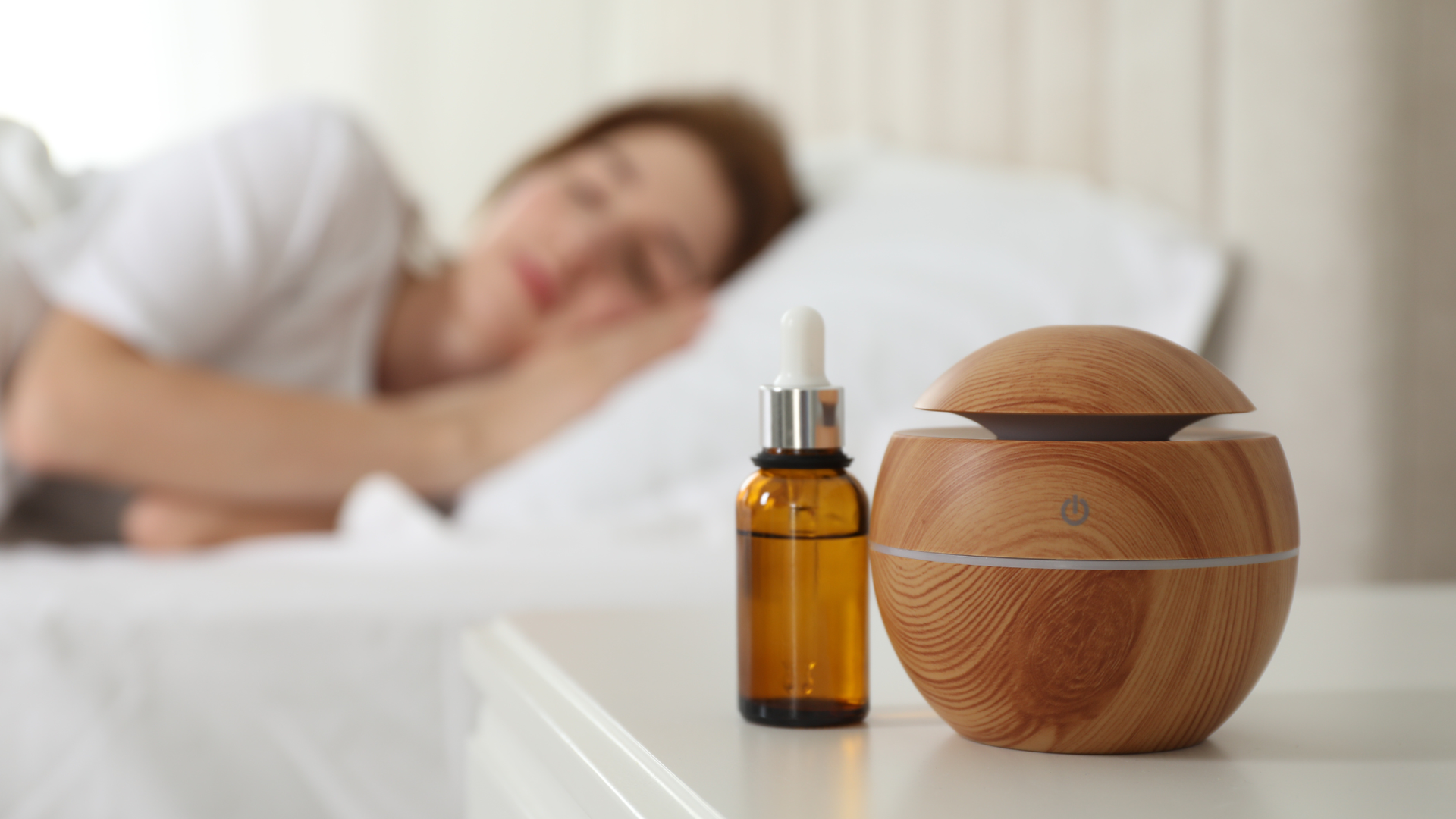
| Bedtime routine | Frankincense + Lavender (1+1) | 10 min, then off | Turn diffuser off before they fall asleep if scent sensitivity is a concern. |
| Family reset / tidy-up | Lemon + Lavender (1+1) | 10–20 min | Ventilate lightly to keep the aroma fresh, not sharp. |
Quality can vary widely across the essential oil market; look for clear labeling and reliable sourcing. ( hopkinsmedicine.org)
A local angle (United States): seasonal routines that support calm
Across the U.S., family routines shift with the seasons—school-year structure, daylight changes, travel weeks, and indoor time during colder months. If your home feels “busier” in winter or during back-to-school transitions, consider pairing a light diffuser session with one consistent anchor habit:
- Morning anchor: 10 minutes of a fresh, gentle blend while backpacks and shoes are gathered.
- After-school anchor: a snack + a calm blend for 10–15 minutes while everyone resets.
- Bedtime anchor: dim lights, a short diffusion session, then diffuser off and screens away.
These small cues can help kids know what to expect—often the biggest ingredient in “calm” at home.
Shop kid-friendly wellness favorites with YL Family
If you’d like help choosing a starter set or building a simple “focus + calm” routine for your household, YL Family is here with decades of multi-generational guidance.
Prefer to pair aromatics with movement for better focus? Check out Online Classes or Personal Training.
FAQ: Kid-friendly diffuser blends
How long should I diffuse essential oils around kids?
Many families do best with short sessions (about 10–20 minutes) with breaks in between, especially in smaller rooms. If the scent feels strong, shorten the session and use fewer drops.
What’s the best diffuser blend for focus during homework?
A simple, gentle place to start is Lavender + Sweet Orange (1 drop each). Keep the aroma light and pair it with a consistent routine (water, snack, clear workspace).
Can I diffuse essential oils in my child’s bedroom overnight?
For many families, it’s more comfortable to diffuse briefly as part of the bedtime routine, then turn the diffuser off. Overnight diffusion can be too much for scent-sensitive kids.
Are essential oils safe for children?
Children can be more likely than adults to have adverse reactions, so use extra caution: keep scents light, avoid ingestion, and stop if you notice irritation (coughing, wheezing, rash, or headaches). If you have questions, check with your child’s clinician. ( hopkinsmedicine.org)
What if I have pets at home?
Place the diffuser where pets can’t access it, diffuse for short periods, and always let pets leave the room. If your pet has breathing issues, consider avoiding diffusion. ( aspca.org)
Glossary
Diffusion: Releasing aromatic molecules into the air using a diffuser, usually with water (depending on diffuser type).
Aroma intensity: How strong a scent feels in a room. For children, “gentle” intensity is the goal.
Ventilation: Fresh air flow (open door/window, HVAC circulation) that helps prevent scents from becoming overpowering.
Educational note: Information here is for general wellness routines and safe home use. It is not medical advice, and it doesn’t replace guidance from a qualified clinician.