
Custom Bath Rituals: Oils to Ease Soreness and Support Deep Relaxation
December 28, 2025
Turn a regular bath into a restorative ritual—without guesswork
A bath can be more than warm water and a quick rinse. With the right setup, it becomes a repeatable ritual that helps your body unwind after long days, workouts, travel, or seasonal stress. The key is customization: choosing the bath temperature, timing, and essential oil “mood” that matches what you need that day—while using essential oils safely (because oils don’t mix with water the way many people assume).
Below, you’ll find practical bath recipes and step-by-step tips you can use right away, plus smart safety guidelines for sensitive skin and families. If you’re building a cleaner, calmer home routine in the United States, this is one of the simplest habits to make feel luxurious and sustainable.
Below, you’ll find practical bath recipes and step-by-step tips you can use right away, plus smart safety guidelines for sensitive skin and families. If you’re building a cleaner, calmer home routine in the United States, this is one of the simplest habits to make feel luxurious and sustainable.
Why baths feel so calming (and why essential oils can amplify the ritual)
Warm baths support relaxation by creating a clear “transition moment” in your day—especially when you pair them with low light, quieter surroundings, and a consistent routine. Scent can reinforce that shift. Lavender, for example, is one of the most researched essential oils for relaxation and sleep quality, with multiple clinical trials and reviews suggesting benefits when used as aromatherapy. ( pubmed.ncbi.nlm.nih.gov)
That said, a bath is not the same thing as a diffuser. Essential oils are concentrated and not water-soluble. Used incorrectly, they can sit on top of the water and contact skin in a way that increases irritation risk—so technique matters as much as the blend. ( healthline.com)
That said, a bath is not the same thing as a diffuser. Essential oils are concentrated and not water-soluble. Used incorrectly, they can sit on top of the water and contact skin in a way that increases irritation risk—so technique matters as much as the blend. ( healthline.com)
The #1 rule for essential oils in the bath: dilute first
Essential oils can float on bath water and cling to your skin (or the tub), which is one reason undiluted drops can irritate. The safer approach is to pre-dilute essential oils in a bath “base,” most commonly a carrier oil. ( healthline.com)
A simple dilution framework (easy to remember)
Mix 5–20 drops
of essential oil into 1 tablespoon
of a bath base (often a carrier oil). Add the blend right before you get in and swirl the water to distribute as much as possible. ( tisserandinstitute.org)
If you’re newer to essential oils or have sensitive skin, stay closer to the low end of the range.
If you’re newer to essential oils or have sensitive skin, stay closer to the low end of the range.
Extra safety habits that matter:
patch test new oils, avoid getting oils near eyes, and be careful entering/exiting because tubs can get slippery with oils. ( webmd.com)
Build your custom bath ritual (choose one path)
Think of your bath like a “menu.” Choose the outcome you want, then match your timing and scent profile. Here are three popular ritual paths many wellness-minded families use to stay consistent.
1) Post-workout unwind
Best when you feel tight, overworked, or “wired” after training. Pair with gentle stretching afterward.
2) Nervous system reset
Ideal for busy seasons, travel days, or evenings when you need a soft landing before bed.
3) “Clean comfort” family routine
Keep it simple, consistent, and skin-friendly—especially if multiple people share the same products.
Step-by-step: 3 bath recipes (gentle, practical, and repeatable)
Recipe A: “Soothing Soreness” Bath (after movement)
Goal:
comfort + calm, without an overpowering scent.
How to make it:
Tip: If you’re also using salts, pre-mix your oils with the carrier oil first (don’t drip essential oil directly into the tub). ( tisserandinstitute.org)
How to make it:
1) Fill tub with warm (not scalding) water.
2) In a small bowl, mix 1 tablespoon carrier oil
with 6–10 drops total
of your chosen soothing oils.
3) Add the blend right before you step in; swirl the water.
4) Soak 12–20 minutes, then rinse quickly with clean water to remove residual oil.
Tip: If you’re also using salts, pre-mix your oils with the carrier oil first (don’t drip essential oil directly into the tub). ( tisserandinstitute.org)
Recipe B: “Evening Exhale” Bath (for relaxation and sleep support)
Goal:
signal your brain that the day is done.
How to make it:
Why lavender is popular: Reviews of clinical studies suggest lavender essential oil aromatherapy can support sleep quality for many adults. ( pubmed.ncbi.nlm.nih.gov)
How to make it:
1) Dim the lights and set out a towel and water before you start filling the tub.
2) Pre-dilute your oils in 1 tablespoon carrier oil
.
3) Soak 10–15 minutes, then step out and keep your evening low-stimulation (no bright screens if you can help it).
Why lavender is popular: Reviews of clinical studies suggest lavender essential oil aromatherapy can support sleep quality for many adults. ( pubmed.ncbi.nlm.nih.gov)
Recipe C: “Minimalist Calm” Bath (sensitive-skin friendly approach)
Goal:
keep it gentle, consistent, and easy to repeat weekly.
How to make it:
How to make it:
1) Start with fewer drops (think 3–6 total
) in 1 tablespoon carrier oil
.
2) Choose one scent profile (floral, citrus, or herb) and stick with it for a few baths before changing.
3) Patch test new oils and wait 24 hours to confirm skin tolerance. ( webmd.com)
Note:
Some suppliers recommend avoiding certain essential oils in bath applications due to irritation potential. Always follow label guidance and use extra caution with “hot” oils (spicy, strongly camphoraceous, or very minty). ( nowfoods.com)
Did you know? Quick facts that make your bath work better
Essential oils don’t disperse in water
They float and can contact skin in concentrated spots unless you pre-dilute in a bath base. ( healthline.com)
Patch testing saves a lot of drama
A small diluted dab can reveal sensitivity before you commit to a full bath. ( webmd.com)
Slippery tub risk is real
Oils + smooth porcelain can be slick—use a bath mat and move slowly when standing. ( tisserandinstitute.org)
Quick comparison table: choose your bath style
| Bath style | Best for | Oil approach | Timing |
|---|---|---|---|
| Post-workout unwind | Tightness, end-of-day recovery routine | Dilute first; start low if sensitive | Late afternoon or evening |
| Evening Exhale | Relaxation, bedtime transition | Keep scent soft; avoid “hot” oils | 60–90 minutes before sleep |
| Minimalist Calm | New users, busy parents, sensitive skin | 3–6 drops total in a carrier oil | Anytime you need a reset |
Safety reminder: if you’re pregnant, nursing, managing a medical condition, or shopping for a child’s routine, consult a qualified clinician for individualized guidance.
A local angle for the United States: make bath rituals easier to maintain year-round
Across the United States, routines change with the season—busy school calendars, travel, colder weather, and dry indoor air can make self-care feel optional. A bath ritual works best when it’s uncomplicated and consistent:
When you want more personalized support—especially if you’re trying to simplify products in your home—YL Family’s education-first approach helps you build a routine that actually fits real life.
Keep a “bath kit” in one bin:
carrier oil, a measuring spoon, your go-to relaxation blend, and a clean cloth for a quick tub wipe-down.
Choose a default schedule:
2–3 nights per week beats “only when things get bad.”
Make it family-compatible:
fragrance-light options are often easier when multiple people share a bathroom.
When you want more personalized support—especially if you’re trying to simplify products in your home—YL Family’s education-first approach helps you build a routine that actually fits real life.
Ready to build your bath ritual with confidence?
Browse YL Family’s curated wellness essentials and create a simple, repeatable routine for relaxation and everyday comfort—whether you’re brand new to oils or refining what already works for your household.
Helpful shortcuts
Prefer to keep your routine aligned with the rest of your clean-living goals?
FAQ: Custom bath rituals with essential oils
Can I just put essential oils directly into bath water?
It’s not recommended. Essential oils aren’t water-soluble; they can float and contact your skin in concentrated spots. Pre-dilute in a carrier oil (or another appropriate bath base) first. ( healthline.com)
How many drops of essential oil should I use in a bath?
Many safety references suggest mixing about 5–20 drops
into 1 tablespoon
of a bath base for one bath, starting lower if you’re sensitive. ( tisserandinstitute.org)
Are lavender baths good for sleep?
Lavender is one of the most studied scents for relaxation and sleep support, with reviews and controlled trials showing improvements in sleep-related outcomes when used as aromatherapy. A bath can be a helpful “wind-down cue,” especially when paired with good sleep hygiene. ( pubmed.ncbi.nlm.nih.gov)
What if I have sensitive skin?
Start with fewer drops, dilute carefully, and patch test new oils. If you notice irritation, discontinue use and consider consulting a dermatologist or qualified clinician for individualized guidance. ( webmd.com)
Do I need to rinse off after an oil bath?
A quick rinse can help remove residual oil from skin and reduce the chance of leaving a slippery film behind in the tub.
Glossary (quick definitions)
Carrier oil
A neutral “base” oil (like jojoba or other vegetable oils) used to dilute essential oils before skin contact.
Dilution
Mixing a small amount of essential oil into a larger amount of a bath base to reduce the chance of irritation and make topical use safer.
Patch test
Testing a small amount of diluted product on a small area of skin and waiting (often 24 hours) to check for redness, itching, or irritation. ( webmd.com)
Aromatherapy
Using natural scents (often essential oils) to support relaxation and mood through the sense of smell; research frequently examines inhaled use in controlled settings. ( ncbi.nlm.nih.gov)
Educational content only. It’s not medical advice and is not intended to diagnose, treat, cure, or prevent any disease.

Discover teen-friendly bedtime routines with gentle essential oils for 8–10 hours of sleep. Try simple wind-down steps for calmer nights and rested mornings.
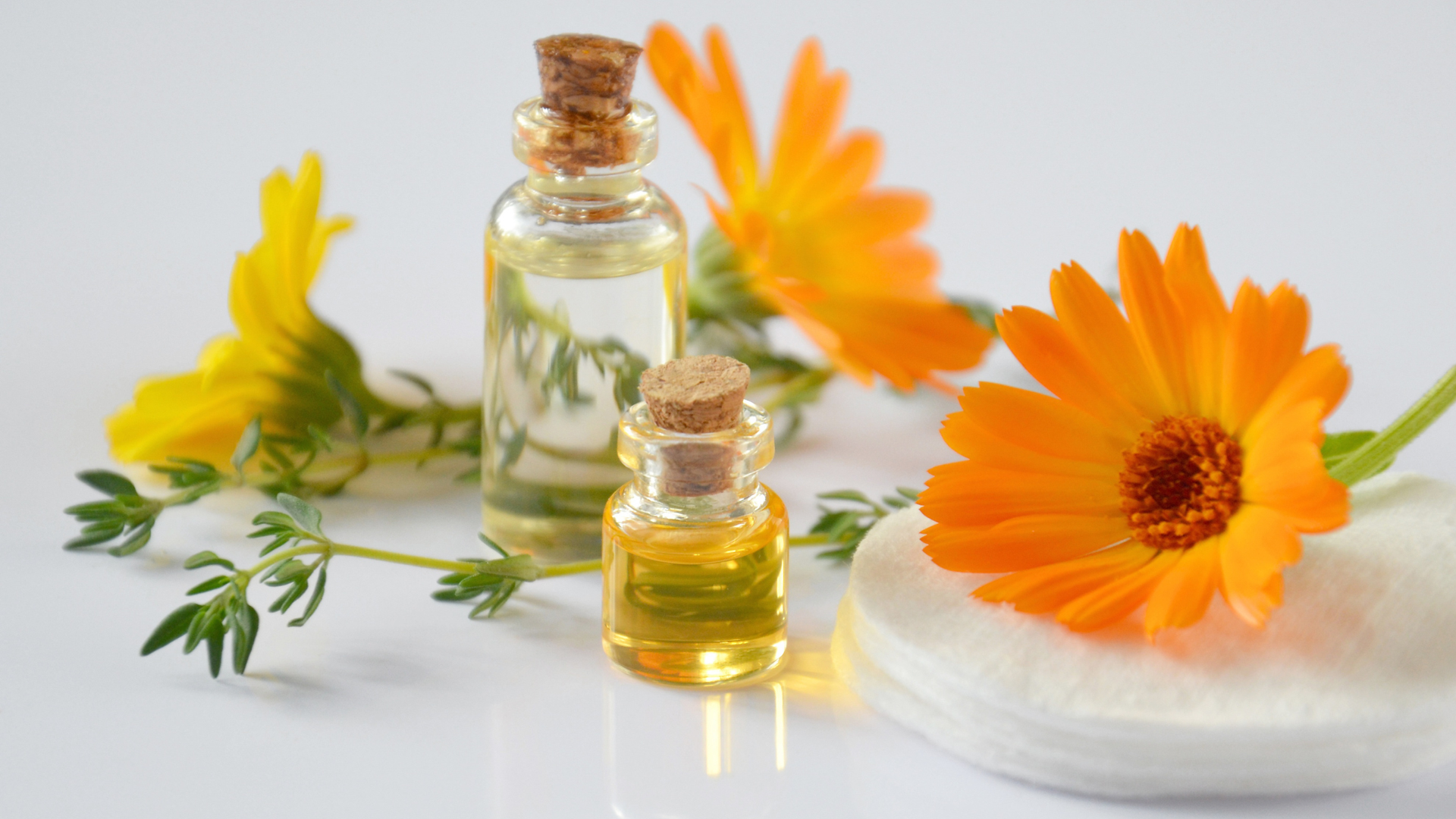
Learn essential oil safety & dilution basics with practical tips. Discover phototoxicity warnings, dilution ratios, and beginner routines for confident, safe use.
Learn to make eco-friendly DIY cleaning tablets with baking soda, citric acid & essential oils for effective, low-toxin home cleaning and reduced plastic waste.
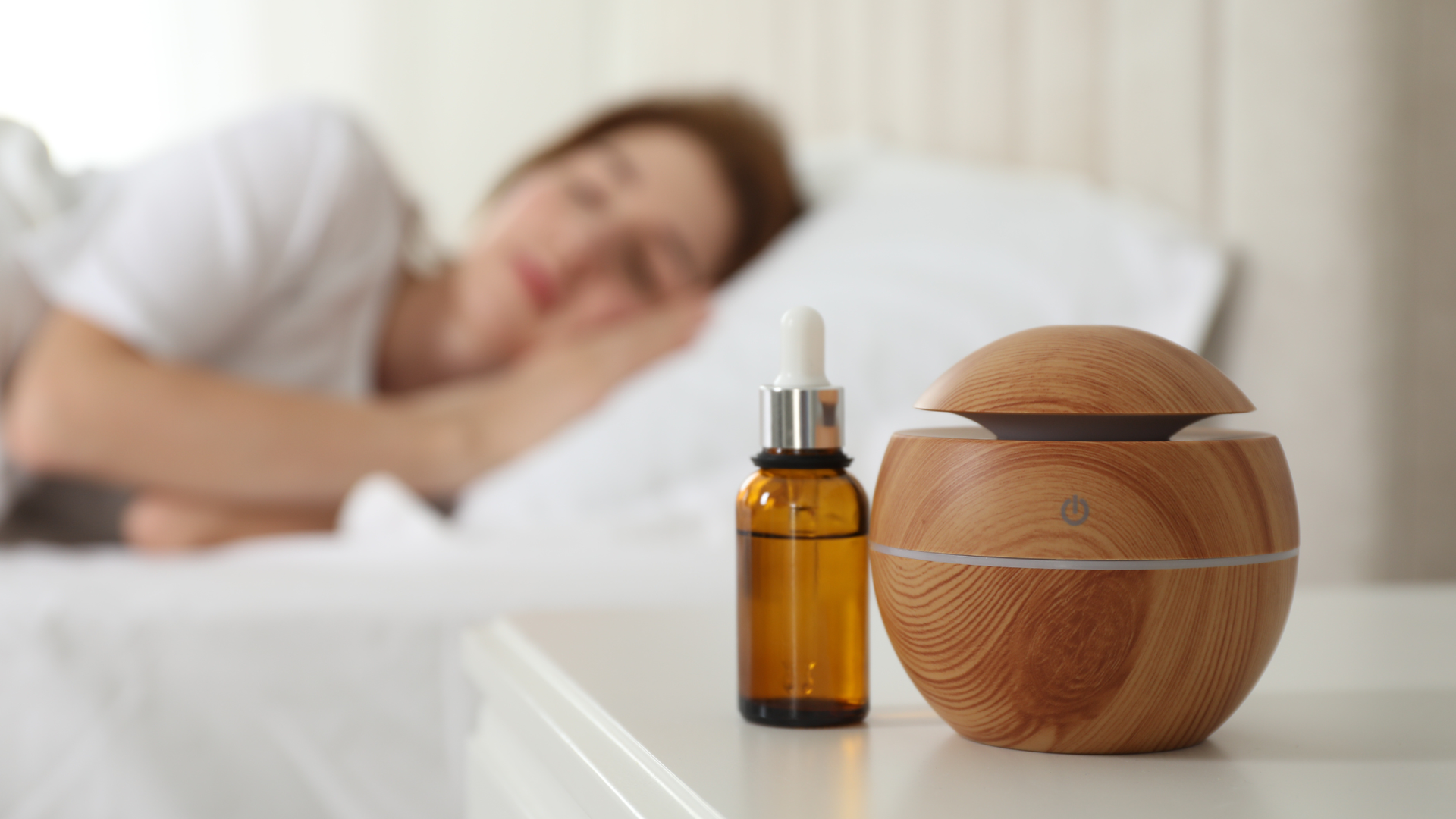
Learn to use essential sleep oils topically or aromatically for a calming bedtime routine. Get practical tips on diffusing, dilution, habit-building.
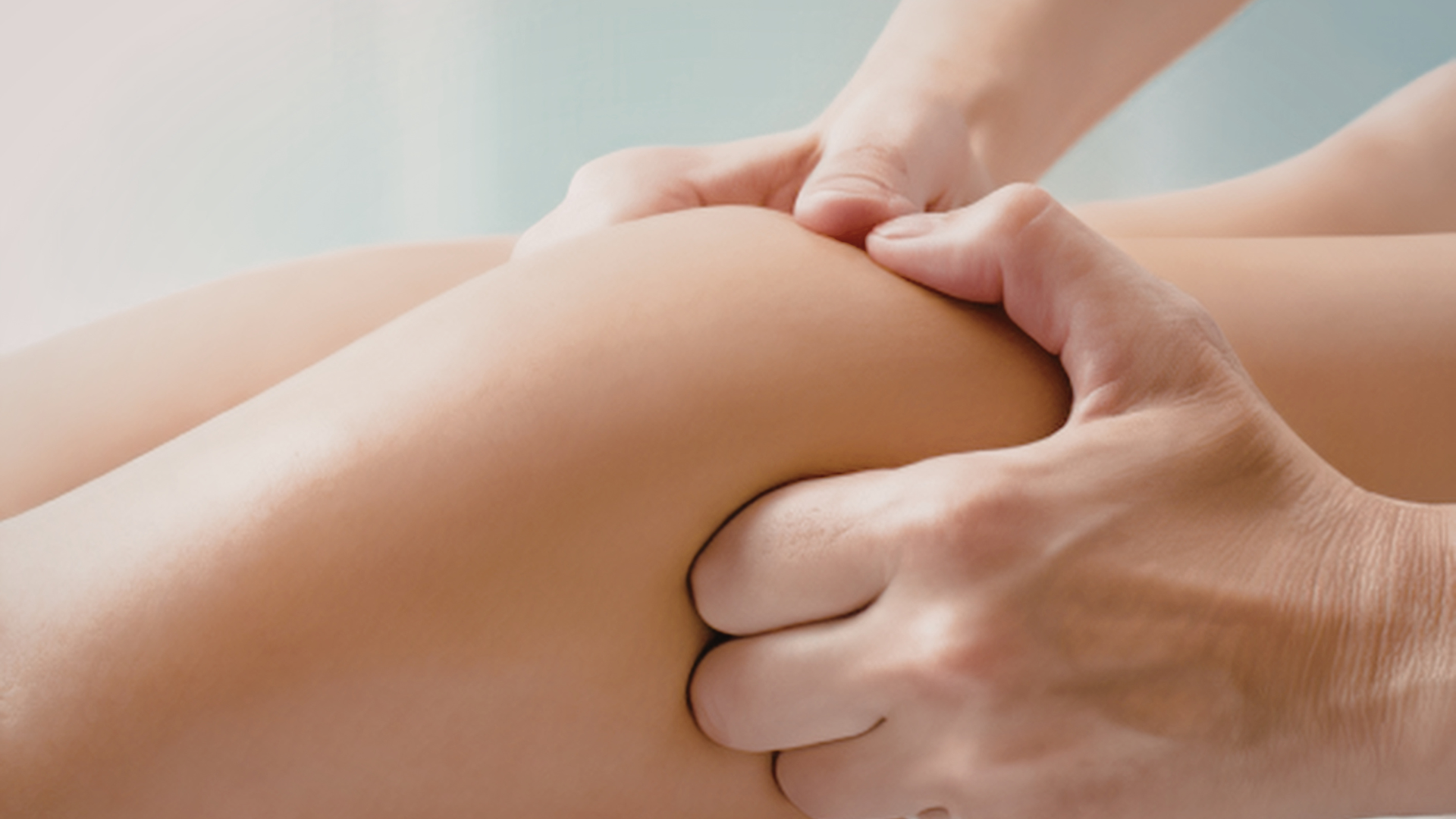
Unwind overworked joints before bed with a 10-minute essential oil massage. Get dilution tips, techniques, and simple routines for soothing nighttime comfort.
Build a gentle, toxin-free facial care routine with essential oils. Discover safe dilution, patch testing, AM/PM steps and tips for cleaner, healthier skin.

Discover 3 simple essential oil routines to ease work-life stress. Get safety tips and quick scent cues for calm focus and evening wind-downs.
Explore gentle, kid-safe essential oil blends to support your family's cold and flu wellness routines with safe dilution, diffusion tips, and home habits.

Discover a practical monthly menstrual self-care ritual using essential oils, heat, movement, and grounding habits. Safe, realistic tips for comfort and calm.

Kickstart your day with a 10-minute morning ritual using essential oils to support immunity, hydration, hygiene, and stress relief. Simple family tips.