Pre-Workout Aromatherapy: Energizing Blends for Exercise Motivation
A clean, simple way to get “go time” energy—without adding another stimulant
Most people think of pre-workout as a drink or supplement. Aromatherapy offers a different angle: using scent to cue your brain and body into a focused, motivated state before movement. For many families, it’s a practical add-on to an already healthy routine—especially when you want to feel alert and upbeat without relying on heavy caffeine or sugary “energy” products.
At YL Family , we guide health-conscious individuals and families toward toxin-aware living with high-quality essential oils and wellness education. Below is a professional, safety-first framework for using pre-workout oils and energizing blends as part of your exercise motivation ritual—at home, on the go, or at the gym.
How scent can support exercise motivation (without overpromising)
Aromatherapy is not a replacement for sleep, hydration, fuel, or a well-designed training plan. What it can do is help shape your state : attention, mood, and readiness. In practical terms, that often means you’re more likely to start your workout, stay engaged, and finish strong.
Research on essential oil inhalation commonly focuses on outcomes like alertness and sleepiness. For example, a randomized controlled field trial in shift-working nurses found that inhaling rosemary aroma reduced sleepiness and increased alertness scores compared with a control condition. ( pubmed.ncbi.nlm.nih.gov)
Think of pre-workout aromatherapy as a behavioral cue you can repeat consistently—like tying your shoes, turning on a playlist, and taking 3 slow breaths. The more consistent the ritual, the stronger the “it’s time to move” association becomes.
Your pre-workout aromatherapy toolkit (3 easy methods)
1) Inhalation (fastest and simplest)
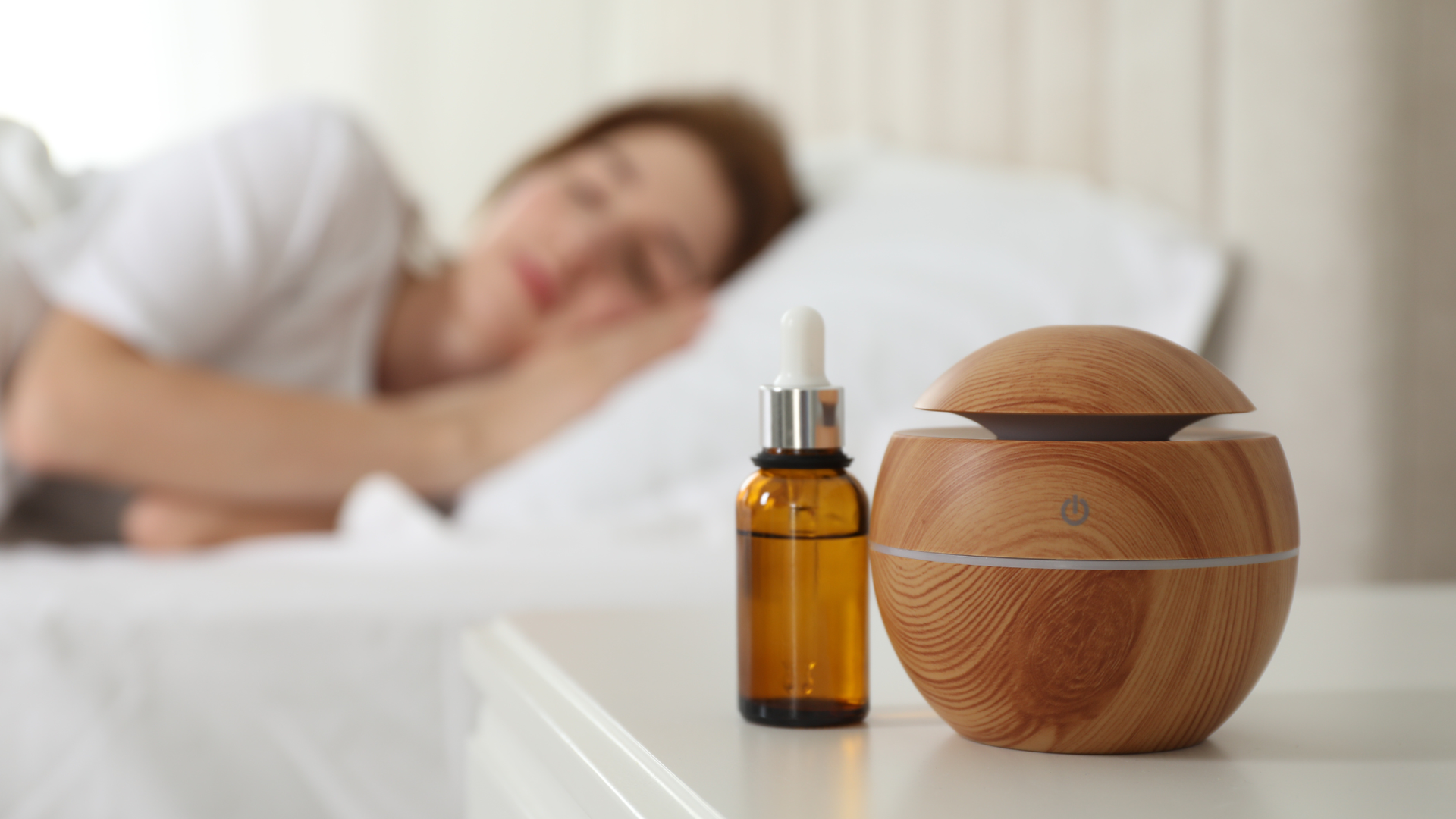
Add 1–3 drops to a diffuser in the room, or place a drop on a cotton ball and inhale gently for 3 slow breaths. This is a great option if you’re sensitive to topical products or you’re heading out the door quickly.
2) Topical (best for routines—needs dilution)
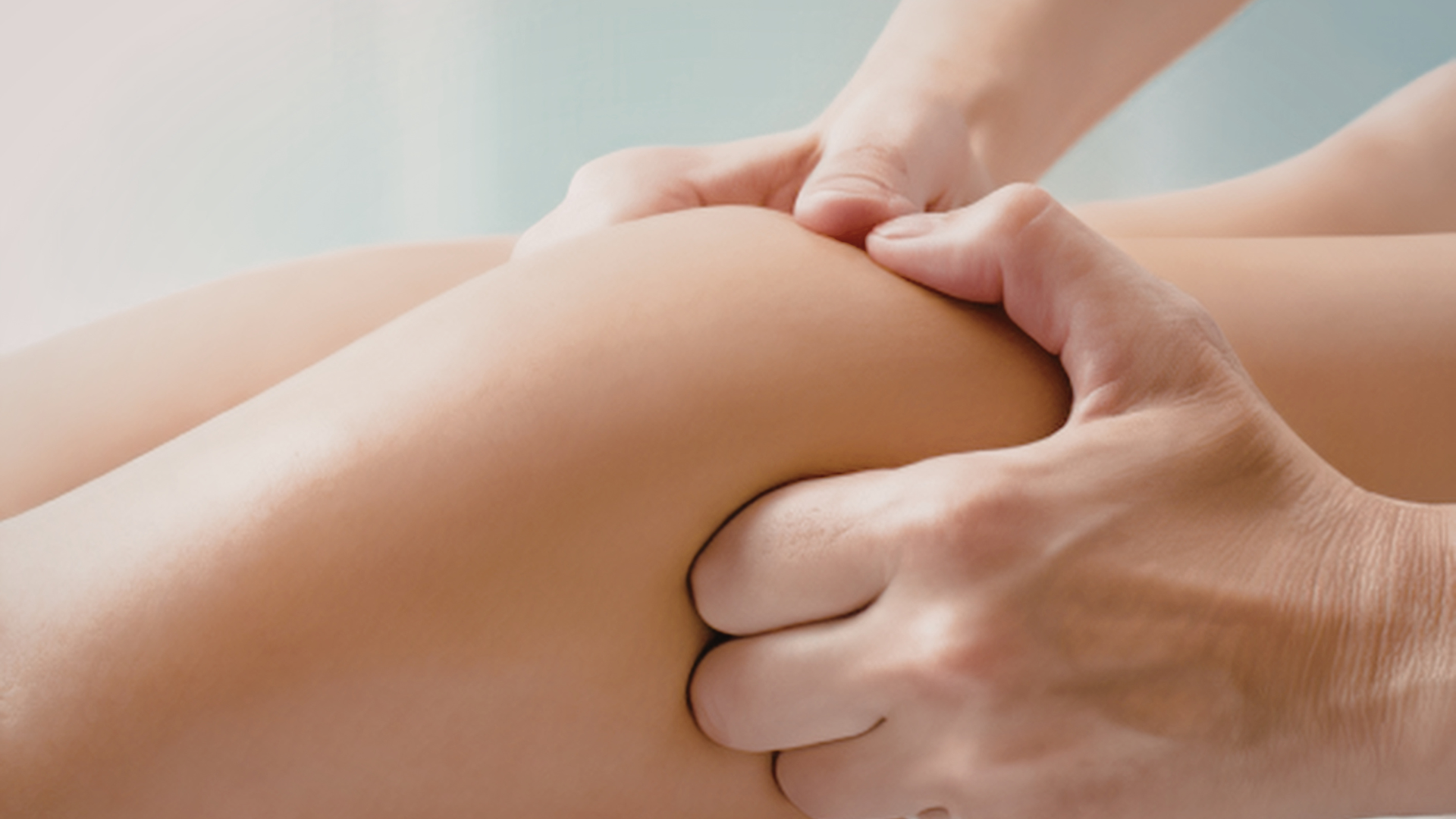
Apply a diluted blend to pulse points (wrists, behind ears), chest, or the back of the neck 10–20 minutes before movement. Safety matters here: reputable aromatherapy safety guidance strongly advises against applying essential oils undiluted to skin. ( tisserandinstitute.org)
For most healthy adults, many aromatherapists commonly use 1–3% dilution for body oils/lotions, with lower ranges for sensitive skin. ( tisserandinstitute.org)
3) “Scent anchor” pairing (best for motivation)
Choose one energizing blend and only use it right before exercise. This creates a clear mental association. Over time, that scent becomes a switch your brain recognizes as “workout time.”
Energizing blend profiles (pick the vibe that fits your workout)
The goal is not “more drops.” The goal is the right aroma profile for the training you’re about to do. Use these blend “templates” as inspiration and adjust based on preference.
A) Bright & Upbeat (great for morning workouts)
Aroma feel: sunny, clean, motivating.
Common notes: citrus + a light herb (think “fresh air + optimism”).
B) Crisp & Focused (great for strength training)
Aroma feel: clear, sharp, task-oriented.
Common notes: rosemary-forward blends can be a fit when you want a “lock in” feeling (and rosemary inhalation has been studied for alertness outcomes). ( pubmed.ncbi.nlm.nih.gov)
C) Cool & Driven (great for cardio and hot days)
Aroma feel: refreshing and “moving-forward.”
Common notes: minty profiles feel cooling to many people, which can be mentally energizing—especially when you’re dragging into a run or HIIT session.
Quick comparison table: which method fits your routine?
| Method | Best for | Pros | Watch-outs |
|---|---|---|---|
| Diffuser / cotton ball inhalation | Fast pre-gym routine, shared spaces | Easy, no carrier needed | Avoid strong exposure around infants/pets; ventilate if sensitive |
| Diluted topical application | Longer workouts, consistent ritual | Portable, longer-lasting scent | Do not apply undiluted; patch test; mind sun exposure with some citrus oils ( tisserandinstitute.org) |
| Scent anchor (single “workout-only” blend) | Motivation + habit building | Builds consistency over time | Less effective if you use the same scent all day long |
Safety-first tips (especially important for families)
- Always dilute for skin use. Undiluted application is a common reason for adverse skin reactions. ( tisserandinstitute.org)
- Start low and patch test. If you’re new to topical use, begin with a conservative dilution and test a small area.
- Know citrus sun-sensitivity. Some citrus oils have phototoxicity limits for skin exposure (for example, lemon is often cited with low maximum leave-on dilution guidance). ( tisserandinstitute.org)
- Kids, pregnancy, asthma, meds: get individualized guidance before using essential oils, especially topically. ( tisserandinstitute.org)
- Less is more in shared spaces. Use good ventilation and be mindful of others’ sensitivities.
A practical “pre-workout oils” routine you can repeat
- Pick your workout-only scent: bright (citrus), focused (herbal), or cool (mint).
- Set a 60-second cue: 3 deep breaths while inhaling (diffuser/cotton ball) or applying a diluted blend.
- Pair it with one action: fill your water bottle, put on shoes, or start your warm-up timer.
- Keep it consistent: use the same cue for 2–3 weeks so your brain learns the association.
Local angle: building a year-round routine across the United States
Across the U.S., training conditions change with the seasons—dry winter air indoors, hot summers, and busy school-year schedules. Pre-workout aromatherapy can be a low-effort way to create consistency when life gets hectic: a two-minute ritual before a garage workout, a quick inhale before a treadmill session, or a diluted roll-on before an early walk.
For families, consistency is often the hardest part of wellness. A repeatable scent cue can help everyone—from a parent squeezing in strength training to a caregiver doing gentle mobility—shift into “movement mode” more reliably.
Shop energizing wellness favorites
If you’d like help choosing a supportive routine—whether you’re new to oils or you’ve used them for years—YL Family’s shop makes it easy to explore options that fit your goals.
FAQ: Pre-workout aromatherapy
How long before exercise should I use energizing blends?
Most people like 5–20 minutes before movement. If you’re diffusing, start a bit earlier; if you’re inhaling from a cotton ball, it can be right before your warm-up.
Can I apply essential oils directly to my skin before a workout?
It’s not recommended to apply undiluted essential oils to skin. Dilution is a key safety practice to reduce the risk of irritation or sensitization. ( tisserandinstitute.org)
What dilution should I use for a pre-workout topical blend?
Many aromatherapy safety resources commonly reference about 1–3% dilution for body oils/lotions, and lower for sensitive skin. Individual oils can have specific maximums, so when in doubt, go lower and patch test. ( tisserandinstitute.org)
Are citrus oils okay before outdoor workouts?
Be cautious: some citrus oils can be phototoxic on skin when exposed to sunlight, and guidance often includes maximum leave-on dilutions (for example, lemon is commonly cited with a low maximum). If you’re going outdoors, consider inhalation instead, or choose a non-phototoxic option and follow safety guidance. ( tisserandinstitute.org)
Do pre-workout oils replace sleep or nutrition?
No—think of them as a supportive cue for motivation and focus. If energy is consistently low, look first at sleep, hydration, fueling, stress load, and recovery.
Glossary
Dilution (topical): Mixing essential oil into a carrier (like jojoba, coconut, or another skin-friendly oil) to reduce irritation risk and support safer skin use. ( tisserandinstitute.org)
Phototoxicity: A skin reaction that can occur when certain oils (often some citrus oils) are applied to skin and then exposed to UV light. ( tisserandinstitute.org)
Scent anchor: A consistent aroma used in a specific context (like pre-workout) to strengthen a habit cue and support motivation through repetition.